On this page
- Why Are India’s Rice Exports Disrupted? The West Asia Conflict Unpacked
- Rice Port Suspensions and Gulf Disruption: The Freight Explosion
- Impact of West Asia Conflict on Indian Rice Exporters: More Than Delays
- Adapting Fast: Solutions for Exporters Navigating Delays and Freight Surges
- 2026 Outlook: India’s Rice Stocks, Policy Dialogues, and Export Realization Timelines
- Key Takeaways for 2026: Stay Alert, Stay Flexible
As India’s rice industry confronts record monsoon risks and global tension, exporters face a new reality: Middle East conflict and West Asian port suspensions are upending established routes, triggering historic freight spikes and widespread delays in 2026.
Why Are India’s Rice Exports Disrupted? The West Asia Conflict Unpacked
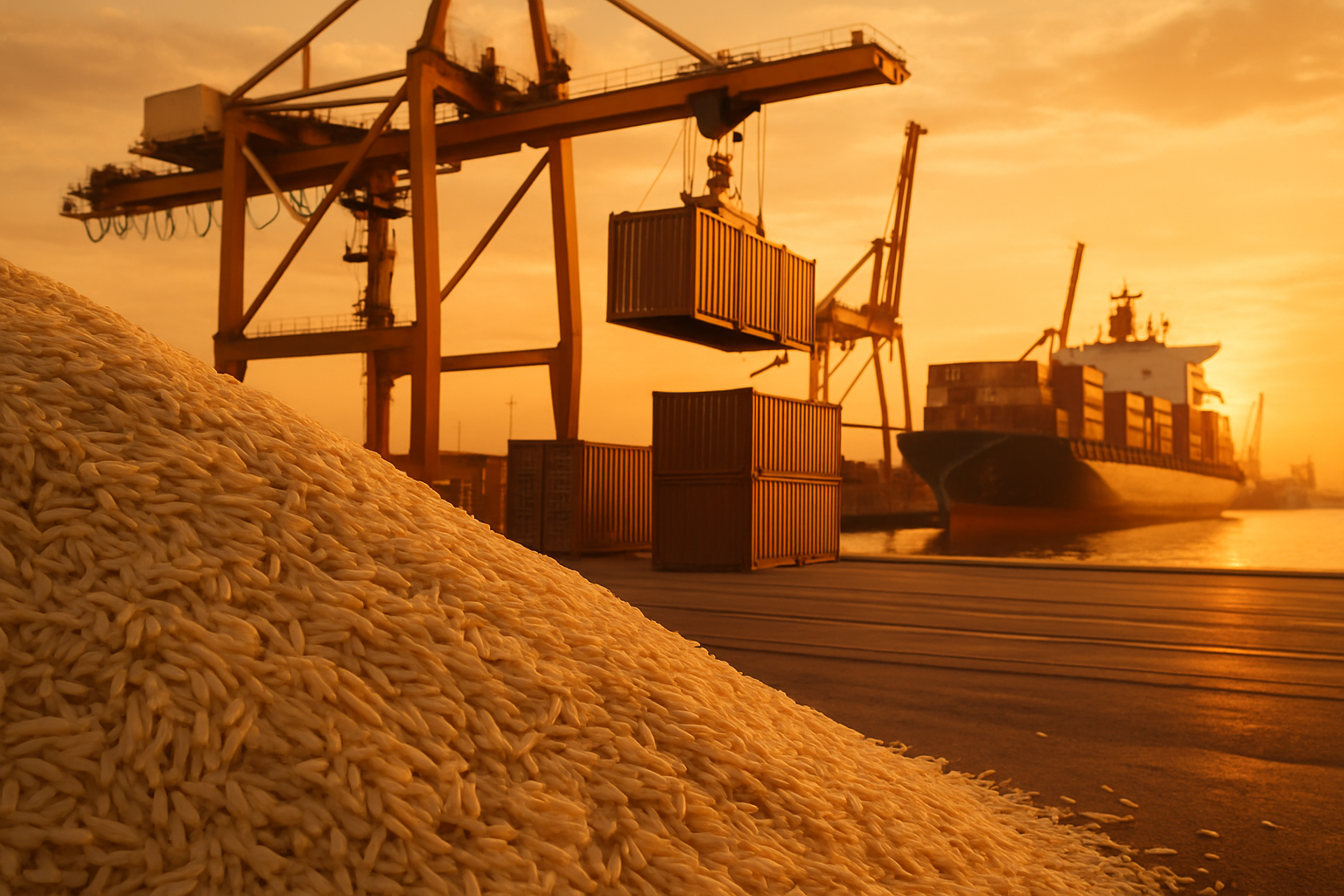
Since April–June 2026, the India basmati exports Middle East conflict has intensified, with regional turmoil causing direct suspensions of West Asia-bound cargo. This includes key Indian western ports, which have become chokepoints for rice, sesame, and other agri-products. As a result, nearly 200,000–250,000 tonnes of basmati rice shipments have been held up or rerouted, creating unprecedented backlogs and a scramble for alternative routes.
Rice Port Suspensions and Gulf Disruption: The Freight Explosion
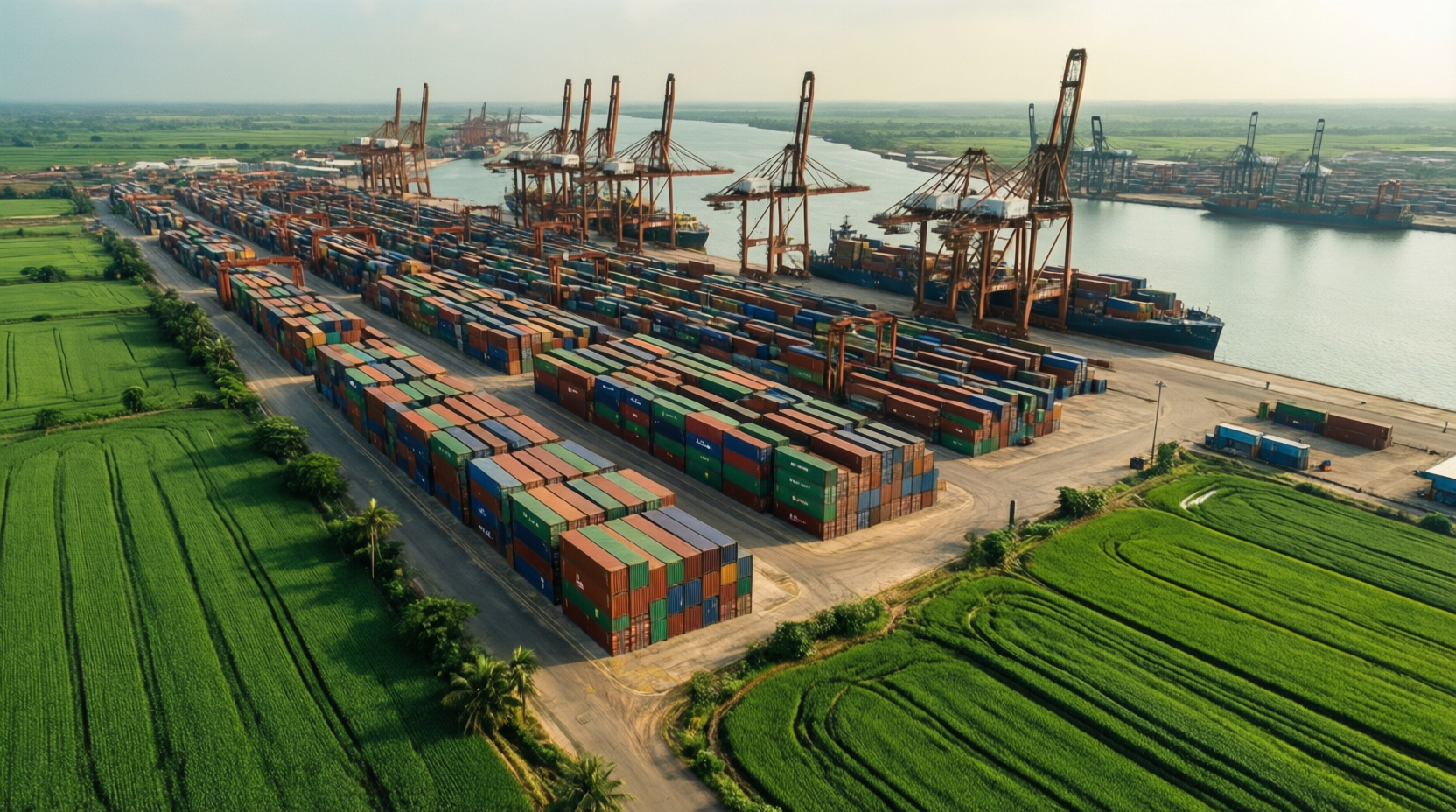
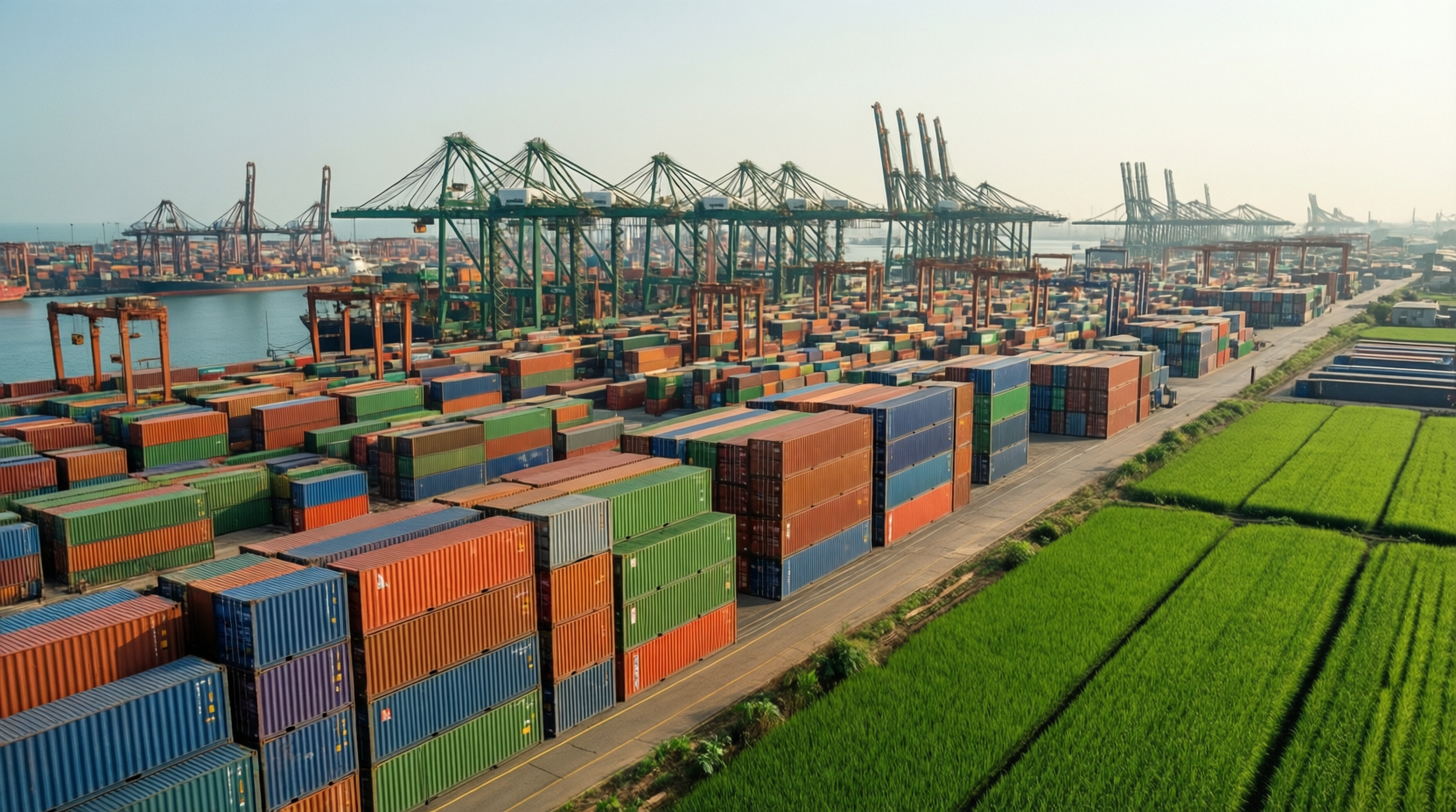
Freight rates have ballooned tenfold for rice containers heading to the Gulf—from approximately $500 to $5,000 per 25-tonne load. This rice port suspensions India Gulf disruption has strained profitability, with many exporters absorbing higher costs while export prices remain stagnant. Congestion at western Indian ports, notably Mundra and Nhava Sheva, has forced exporters to seek longer or less efficient routes via east coast or transshipment, increasing both transit time and logistical complexity.
Impact of West Asia Conflict on Indian Rice Exporters: More Than Delays
- Massive shipment delays—basmati volumes to the Gulf have dropped 49% in April 2026 alone.
- Sudden new operating risks—container availability, costly insurance, and volatile booking schedules.
- Trade diversion—some exporters are targeting Europe, Africa, and new free trade partners instead of traditional Gulf buyers.
- Strained buyer–supplier relationships with payment cycles under pressure due to delivery uncertainty.
The impact of West Asia conflict on Indian rice exporters stretches into every aspect of trade—from contractual obligations to working capital exposure. Many businesses are now renegotiating terms or leveraging government dialogues and support to sustain volumes.
“Before 2026, shipping to Dubai took a week. Now it’s over three weeks if at all—it’s a new world for Indian rice exporters.”
Adapting Fast: Solutions for Exporters Navigating Delays and Freight Surges
- Diversify your destination mix: Leverage India’s FTAs with Europe, UAE, Mauritius, and EFTA for non-Gulf orders.
- Plan for delayed shipments: Inform buyers about realistic delivery windows and update contracts.
- Monitor RoDTEP and policy incentives: RoDTEP has been extended till September 2026, directly benefiting rice and agri-exporters against higher freight.
- Optimise logistics strategy: Consider using east coast ports or alternate transshipment hubs to bypass western bottlenecks.
- Stay on top of compliance: RBI’s new FEMA regulations from October 2026 will streamline documentation and ease future clearances.
Exporters must act with agility in this volatile logistical landscape. Early communication, quick adaptation to policy shifts, and flexible logistics will make all the difference between missed and captured opportunities.
Tradeleaf’s dashboard helps you track port suspensions, freight trends, and policy updates in real time. Stay ahead of shipping and compliance risks—join now for tailored alerts and export support.
2026 Outlook: India’s Rice Stocks, Policy Dialogues, and Export Realization Timelines
Despite supply chain setbacks, India’s rice inventory stands robust at record highs—ensuring long-term resilience once routes stabilize. Policy focus has turned to maintaining flat export prices and extending support through RoDTEP and compliance simplification. That said, exporters face stricter timelines for export realization in 2026, placing extra emphasis on promptness and documentation.
Key Takeaways for 2026: Stay Alert, Stay Flexible
- 1Monitor shifting risk zones and port advisories before shipment.
- 2Engage with buyers promptly about expected delays and route changes.
- 3Use government incentives and RoDTEP to offset rising freight costs.
- 4Diversify export markets where possible to manage disruptions.
- 5Prepare for new FEMA rules easing compliance from October 2026.
Middle East disruptions are redrawing the export playbook for India’s rice sector. Quick action, smart logistics, and policy awareness will help your business not only survive—but thrive—in 2026’s unpredictable trade environment.
- Written and reviewed by our in-house trade experts — not AI-generated filler.
- Market figures come from live platform data across thousands of verified trades.
- Every buyer and supplier on The Trade Union is identity- and document-verified.
- Guides are updated as regulations and market conditions change.