On this page
- What changes does China’s coffee import policy introduce for African exporters?
- Which compliance and phytosanitary standards must African coffee exporters meet?
- How can African exporters prepare logistics and documentation for smoother entry?
- What are the quality parameters China expects from coffee bean imports?
- How significant is this opening for African coffee export volumes and revenues?
- What role do trade fairs and B2B platforms play in connecting African exporters with Chinese buyers?
- How can exporters leverage China Africa trade agreements to reduce tariffs and improve competitiveness?
- What challenges should African exporters anticipate with this new market access?
- Key takeaways
- FAQ
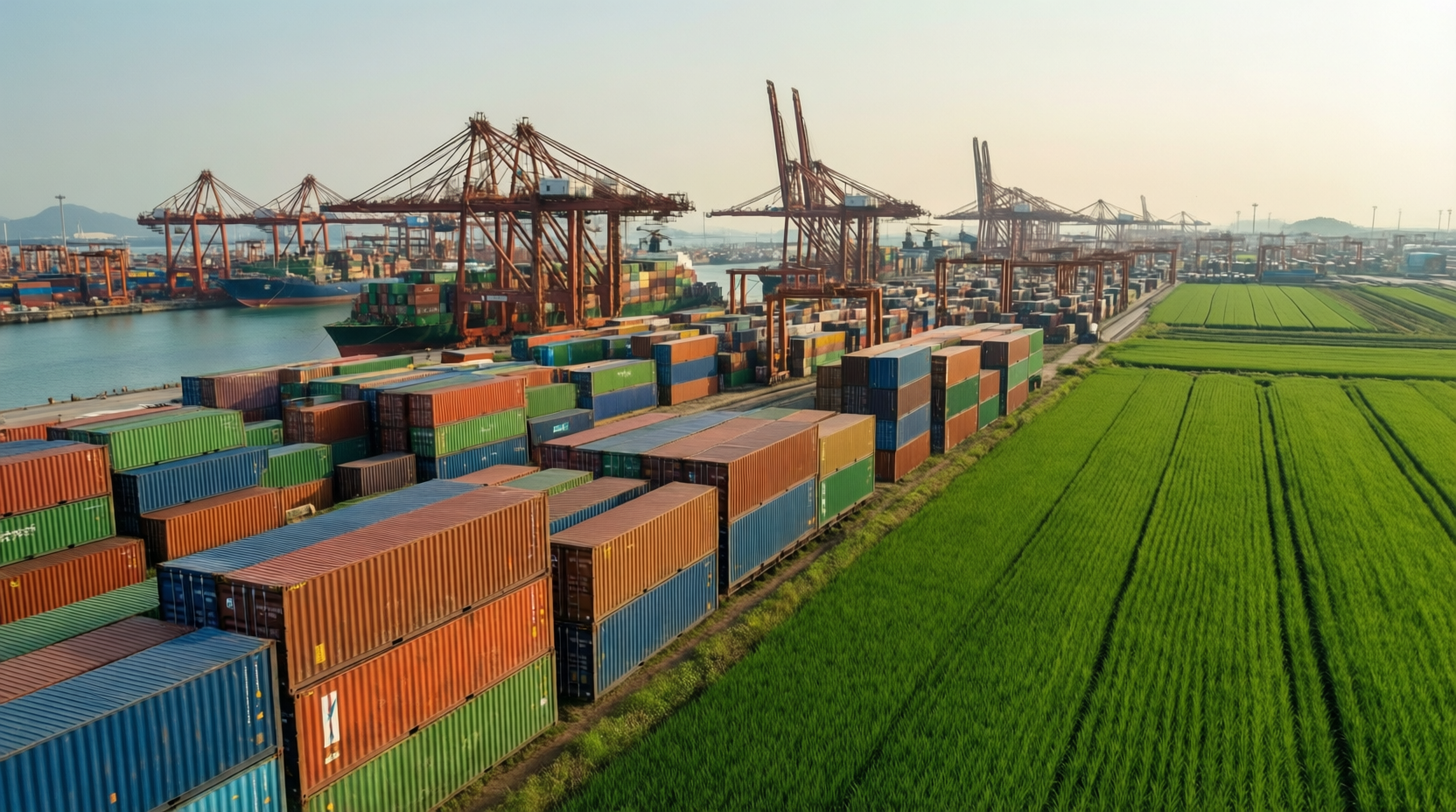
With China officially opening its coffee bean market to all 53 African countries from July 30, 2026, African coffee exporters face a landmark opportunity to expand into one of the world's largest consumption markets. This move promises to reshape China-Africa agricultural trade dynamics, but exporters must navigate stringent compliance requirements and adapt export strategies to succeed.
What changes does China’s coffee import policy introduce for African exporters?
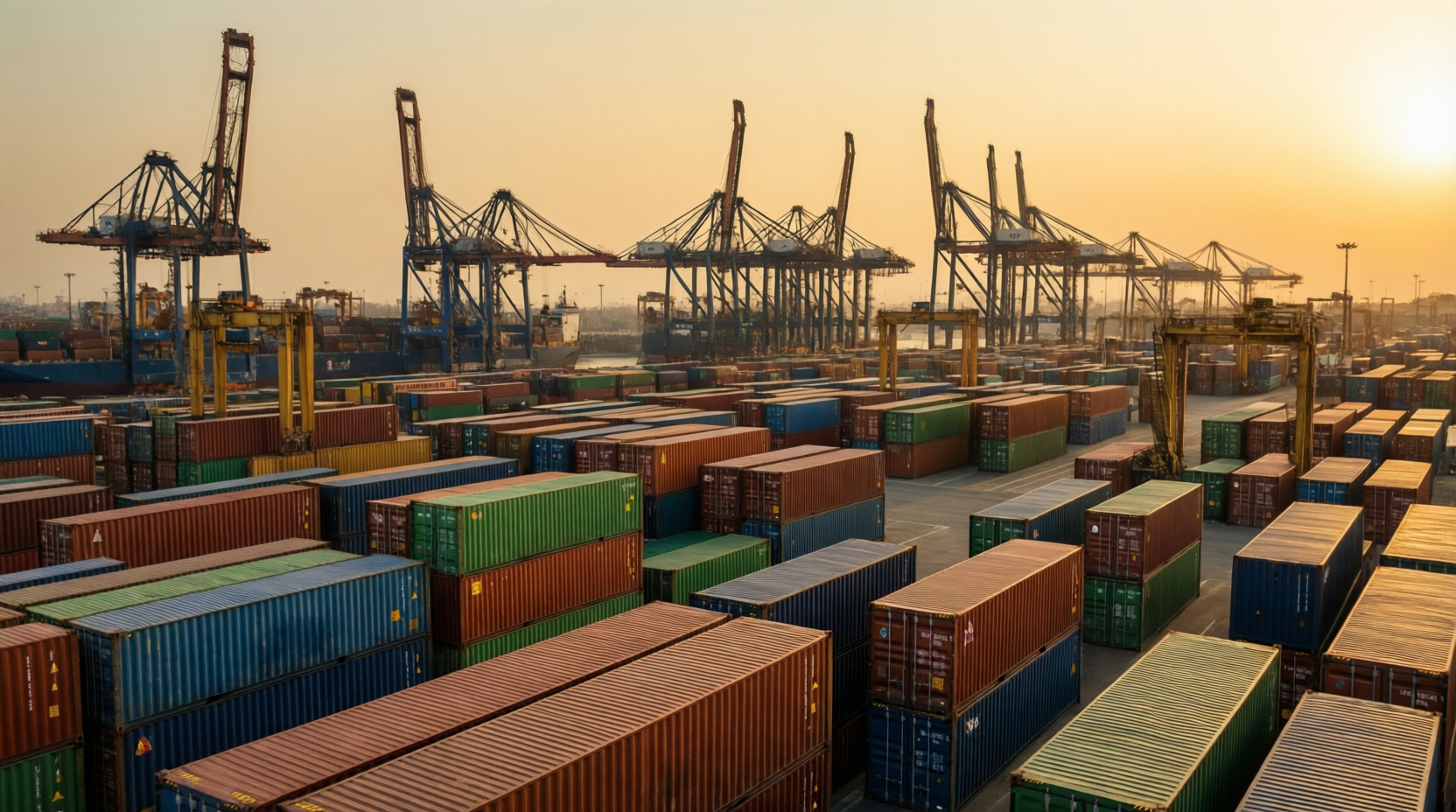
Previously restricted, China's new import policy now permits coffee beans from all African countries, providing unprecedented access. The policy aligns with China's goal to diversify coffee sources and foster stronger trade ties with Africa, creating new demand channels for African coffee producers.
Which compliance and phytosanitary standards must African coffee exporters meet?
Exporters must meet China’s General Administration of Customs (GACC) requirements, including rigorous phytosanitary certifications ensuring coffee beans are free from pests and contaminants. Compliance with China Compulsory Certification (CCC) for quality and safety standards is also mandatory. Forward-looking exporters should secure inspections by authorized agencies accredited under China’s new import regime to avoid clearance delays.
How can African exporters prepare logistics and documentation for smoother entry?
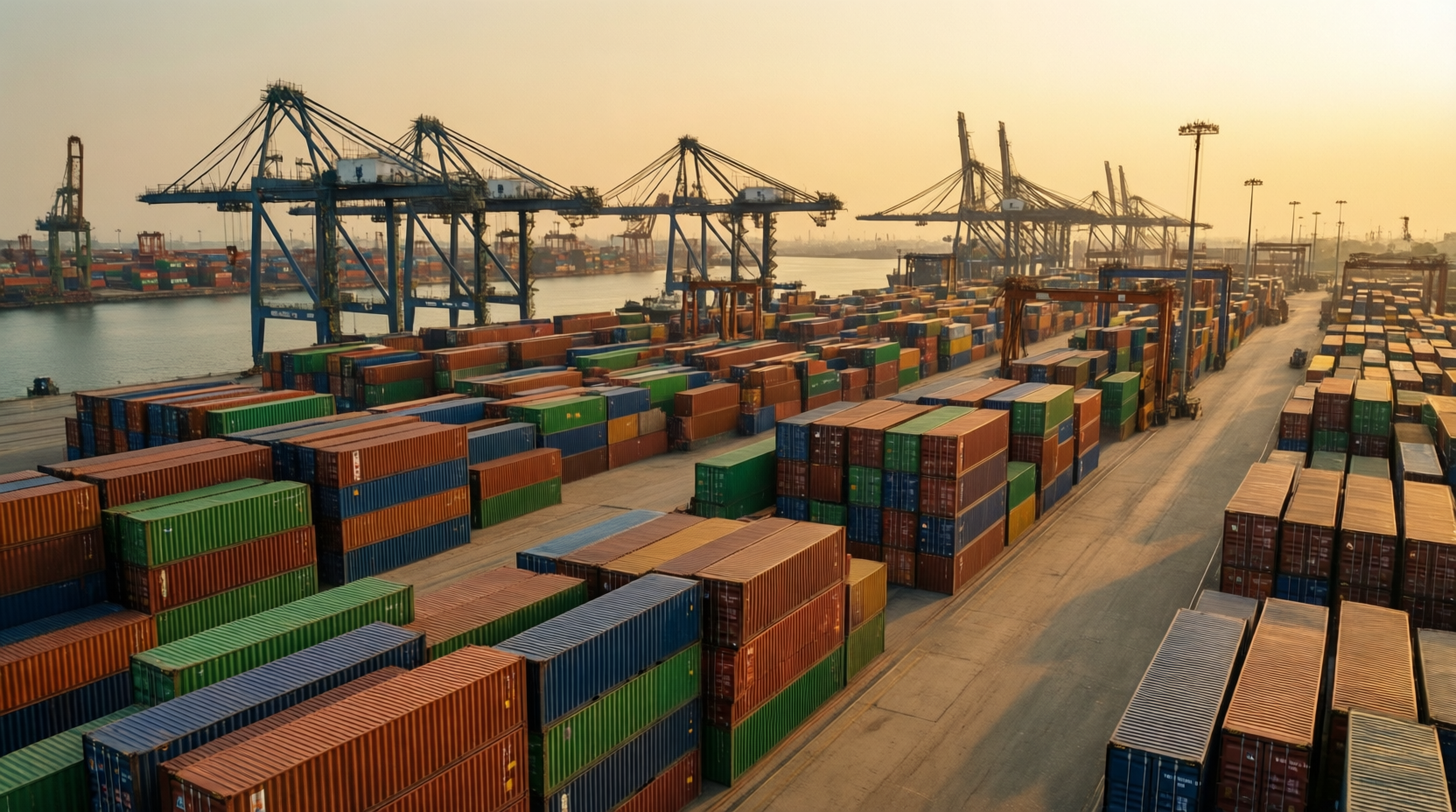
- Obtain and verify phytosanitary certificates from recognized institutions before shipment.
- Ensure packaging meets Chinese customs and environmental regulations to prevent rejection.
- Align shipment scheduling with Chinese customs inspections to reduce hold-ups.
- Work with freight forwarders experienced in China imports to optimize transit routes.
What are the quality parameters China expects from coffee bean imports?
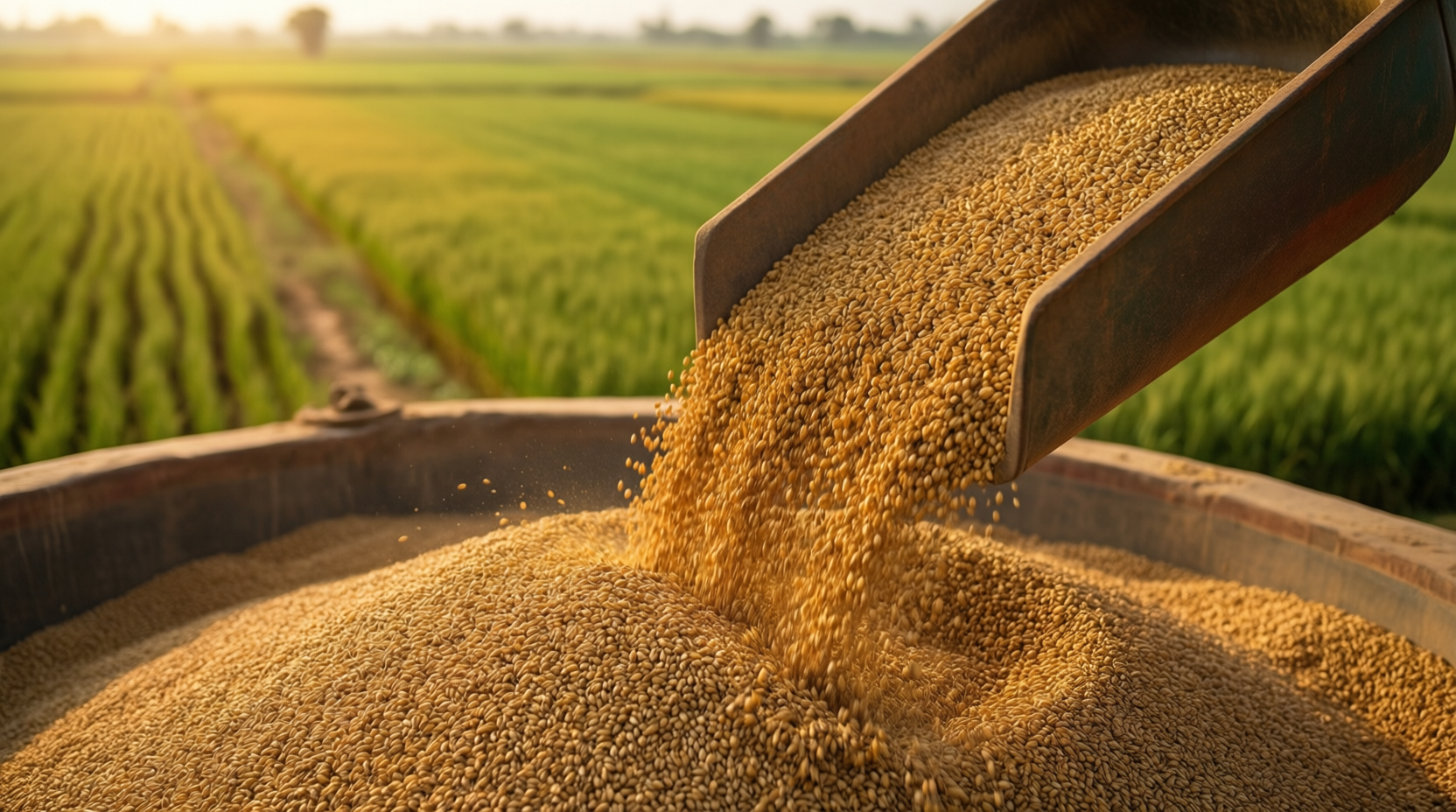
China prioritizes coffee batches with consistent bean size, moisture content below 12%, and absence of foreign matter. Organic and specialty coffee certifications can provide competitive advantages given the increasing demand for premium coffee. Meeting these parameters aligns with China’s domestic roasting industry standards and consumer preferences.
How significant is this opening for African coffee export volumes and revenues?
China is one of the fastest-growing coffee consumption markets globally, projected to reach millions of bags imported annually by 2030. Access to China will diversify African export destinations beyond traditional markets like the EU and U.S., potentially boosting revenues and encouraging investments in improved cultivation and processing infrastructure.
What role do trade fairs and B2B platforms play in connecting African exporters with Chinese buyers?
Events such as SIAL China and the Coffee Expo Shanghai offer unparalleled networking channels. These platforms enable African exporters to showcase coffee varieties, engage with importers, and understand evolving preferences. Participating in trade shows supported by bodies like APEDA or regional trade councils can enhance market visibility and credibility.
How can exporters leverage China Africa trade agreements to reduce tariffs and improve competitiveness?
Though specific coffee tariffs remain under WTO frameworks, exporters should monitor updated bilateral trade agreements and preferential trade schemes that may apply. Collaborating with EPCs (Export Promotion Councils) can provide timely updates on duty reductions or quota openings, facilitating competitive pricing.
What challenges should African exporters anticipate with this new market access?
While the market potential is significant, exporters must address infrastructure gaps affecting quality preservation, navigate new compliance hurdles, and face intensified competition from established coffee exporters globally. Understanding China’s diverse regional markets and consumer trends requires business intelligence and local partnerships.
“China’s opening of its coffee market to all African countries is a game changer, but success depends on meeting stringent quality and regulatory standards and building local market knowledge.” – Agricultural Trade Expert
Strategic Exporter Tip
Exporters should prioritize upgrading processing facilities to meet China’s quality thresholds and invest in export certification early to capitalize on this new opportunity.
Key takeaways
- China opens coffee bean imports to all 53 African countries as of July 2026, creating new export opportunities.
- African exporters must comply with China’s phytosanitary and quality standards, including certifications under GACC and CCC.
- Participation in China trade fairs and leveraging trade agreements can enhance market penetration.
- Challenges include meeting strict quality standards and navigating complex logistics and competition. Exporters should upgrade facilities and secure compliance early.
Frequently asked questions
When does China allow coffee imports from African countries?
Starting July 30, 2026, China permits coffee bean imports from all 53 African countries under its new import policy.
What certificates are required for exporting coffee to China?
Exporters must obtain phytosanitary certificates approved by China’s General Administration of Customs and comply with China Compulsory Certification for quality assurance.
How can African exporters reduce tariffs on coffee exports to China?
Staying informed about bilateral and multilateral trade agreements involving China and Africa, and working with Export Promotion Councils can help identify tariff reduction opportunities.
What quality standards does China expect for coffee imports?
China requires coffee beans with consistent size, moisture below 12%, no contaminants, and values organic or specialty certifications to match consumer preferences.
Are there trade fairs to connect with Chinese coffee buyers?
Yes, events like SIAL China and Coffee Expo Shanghai are key platforms for African exporters to showcase products and build buyer relationships.
- Written and reviewed by our in-house trade experts — not AI-generated filler.
- Market figures come from live platform data across thousands of verified trades.
- Every buyer and supplier on The Trade Union is identity- and document-verified.
- Guides are updated as regulations and market conditions change.