On this page
- How do India and Vietnam compare in maize export volumes to Asia?
- What pricing strategies make India competitive against Vietnam?
- Which Asian markets show growing demand for maize and how do India and Vietnam position themselves?
- How do logistical factors affect competitiveness between India and Vietnam?
- What impact do trade agreements have on maize export competitiveness?
- What quality and certification standards influence buyer preferences?
- What challenges could affect India’s maize export growth compared to Vietnam?
- How is the Asian maize demand outlook shaping exporter strategies?
- Key takeaways
- FAQ
As India’s maize exports reach multi-year highs, understanding how they stack up against Vietnam in Asian markets reveals key insights into pricing, demand trends, and competitive positioning essential for exporters navigating regional corn trade.
How do India and Vietnam compare in maize export volumes to Asia?
India’s maize exports are projected to hit a three-year high, underpinned by increased procurement from China, Southeast Asian nations, and the Middle East. Vietnam, traditionally a staple maize supplier in regions like South Korea and Taiwan, has maintained steady volumes but faces emerging competition. India's export volume surge is partly enabled by its expanded cultivation and government export incentives.
What pricing strategies make India competitive against Vietnam?
India’s maize benefits from competitive on-the-ground pricing, boosted by cost-effective raw materials and lower logistic overheads. The operationalization of India’s Comprehensive Economic and Trade Agreement (CETA) with the UK also highlights India's increasing ability to offer favorable tariff conditions in Asian re-export hubs linked to the UK trade network. Vietnam, while efficient, typically faces higher inland transport costs due to geographic factors, making Indian maize prices more attractive to price-sensitive Asian importers.
Which Asian markets show growing demand for maize and how do India and Vietnam position themselves?
Asian countries such as China, the Philippines, and Indonesia have demonstrated a rising appetite for maize, used extensively in feed and industrial starch sectors. India has accelerated shipments particularly to China and Middle Eastern nations, leveraging bilateral trade pacts. Vietnam holds strong market relationships in Northeast Asia and ASEAN countries, emphasizing reliability and seasonal supply consistency.
How do logistical factors affect competitiveness between India and Vietnam?
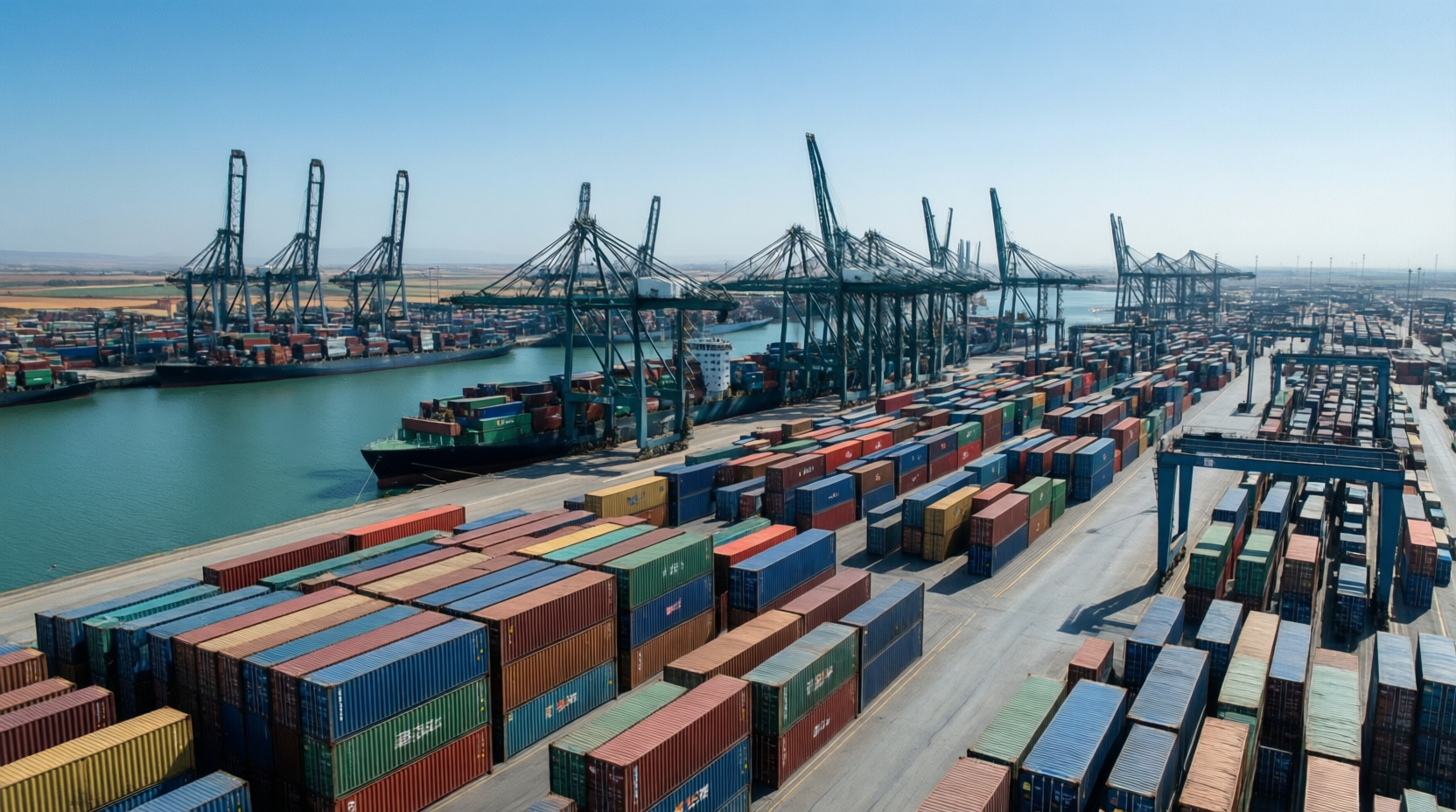
Vietnam’s ports like Ho Chi Minh City and Hai Phong provide robust maritime infrastructure with rapid turnaround times. India’s key export ports, however, have been expanding capacity and streamlining export processes, exemplified by accelerated handling under recent trade facilitation measures. While Vietnam currently offers slightly faster shipment lead times, India’s improving logistics and lower export duties increasingly level the playing field.
What impact do trade agreements have on maize export competitiveness?
India’s CETA agreement with the UK, activated in 2026, allows preferential access not only to the UK but to UK-linked supply chains in Asia, adding tariff advantages. Vietnam’s participation in ASEAN and RCEP accords supports its maize exports regionally but may not currently extend benefits as broadly as India’s newly operationalized bilateral agreements. This evolving trade landscape favors Indian exporters seeking broader price and access advantages.
What quality and certification standards influence buyer preferences?
Both India and Vietnam comply with key Asian standards such as ISO certification and phytosanitary requirements. Indian exporters have increasingly focused on adhering to organic and non-GMO certifications to tap niche markets, while Vietnam emphasizes consistent quality and traceability in bulk shipments, underpinned by government-backed quality control frameworks.
What challenges could affect India’s maize export growth compared to Vietnam?
India’s fragmented supply chain and seasonal variability remain hurdles, potentially impacting consistent volumes and pricing stability. Additionally, India's inland transport can experience congestion-related delays. Vietnam’s smaller but more concentrated maize farming zones allow more predictable exports, contributing to stronger supplier reputation in some buyer segments.
“India’s maize surge reflects strategic policy implementation, but scalability and supply chain cohesion will determine if it can eclipse Vietnam’s established market foothold in Asia.”
Expert tip
For exporters, understanding regional demand nuances, leveraging trade agreements, and investing in logistics efficiencies will be key to capitalizing on Asia’s growing maize market amidst rising India-Vietnam competition.
How is the Asian maize demand outlook shaping exporter strategies?
Asian demand for maize is forecasted to strengthen through 2027, driven by expanding livestock industries and bio-industrial applications. Exporters from India and Vietnam are tailoring approaches—India focuses on price-sensitive bulk buyers and emerging markets, while Vietnam emphasizes premium quality and reliability in established Northeast Asian corridors, signaling complementary rather than purely antagonistic market strategies.
Key takeaways
- India’s maize exports are rising to a three-year peak on competitive pricing and increased Asian demand.
- Vietnam has steady supply consistency and logistical advantages in certain Asian markets.
- India’s new trade agreements offer tariff benefits enhancing its export attractiveness.
- Challenges for India include supply chain fragmentation and seasonal variability.
- Exporter success hinges on logistic improvements and tailored market approaches.
Frequently asked questions
Why are India’s maize exports increasing now?
India’s maize exports are increasing due to competitive pricing, expanded production, and growing demand from Asian markets, supported by trade agreements and government incentives.
How does Vietnam maintain its maize export competitiveness?
Vietnam maintains competitiveness through consistent supply, strategic port infrastructure, and strong market relationships in Northeast Asia and ASEAN.
What role do trade agreements play in maize exports?
Trade agreements like India’s CETA with the UK provide preferential tariffs and better market access, enhancing price competitiveness for exporters in Asia.
Are there quality differences between Indian and Vietnamese maize?
Both countries meet Asian quality standards; India is increasingly focusing on organic and non-GMO certifications, while Vietnam emphasizes traceability and consistency.
What should exporters consider when choosing between India and Vietnam maize sources?
Exporters should consider pricing, volume reliability, trade agreement benefits, logistical lead times, and specific market demand to choose the best maize source.
- Written and reviewed by our in-house trade experts — not AI-generated filler.
- Market figures come from live platform data across thousands of verified trades.
- Every buyer and supplier on The Trade Union is identity- and document-verified.
- Guides are updated as regulations and market conditions change.