On this page
- Why Compliance and Traceability Are Now Essential
- The 2026 Landscape: Higher Standards, Stricter Checks
- How to Export Pulses from India to EU with Compliance
- Documentation: The Bedrock of EU-Ready Agri Exports
- Spotlight: EU Residue Regulations and India Exports
- New Trends: Digital Traceability and AI Trade Intelligence
- Next Steps for Exporters
In 2026, European buyers increasingly demand residue-free, compliant, and fully traceable agri exports—especially pulses, fruits, and spices. For Indian exporters, mastering new compliance and documentation requirements is now the gateway to winning premium contracts and accessing the lucrative EU market.
Why Compliance and Traceability Are Now Essential
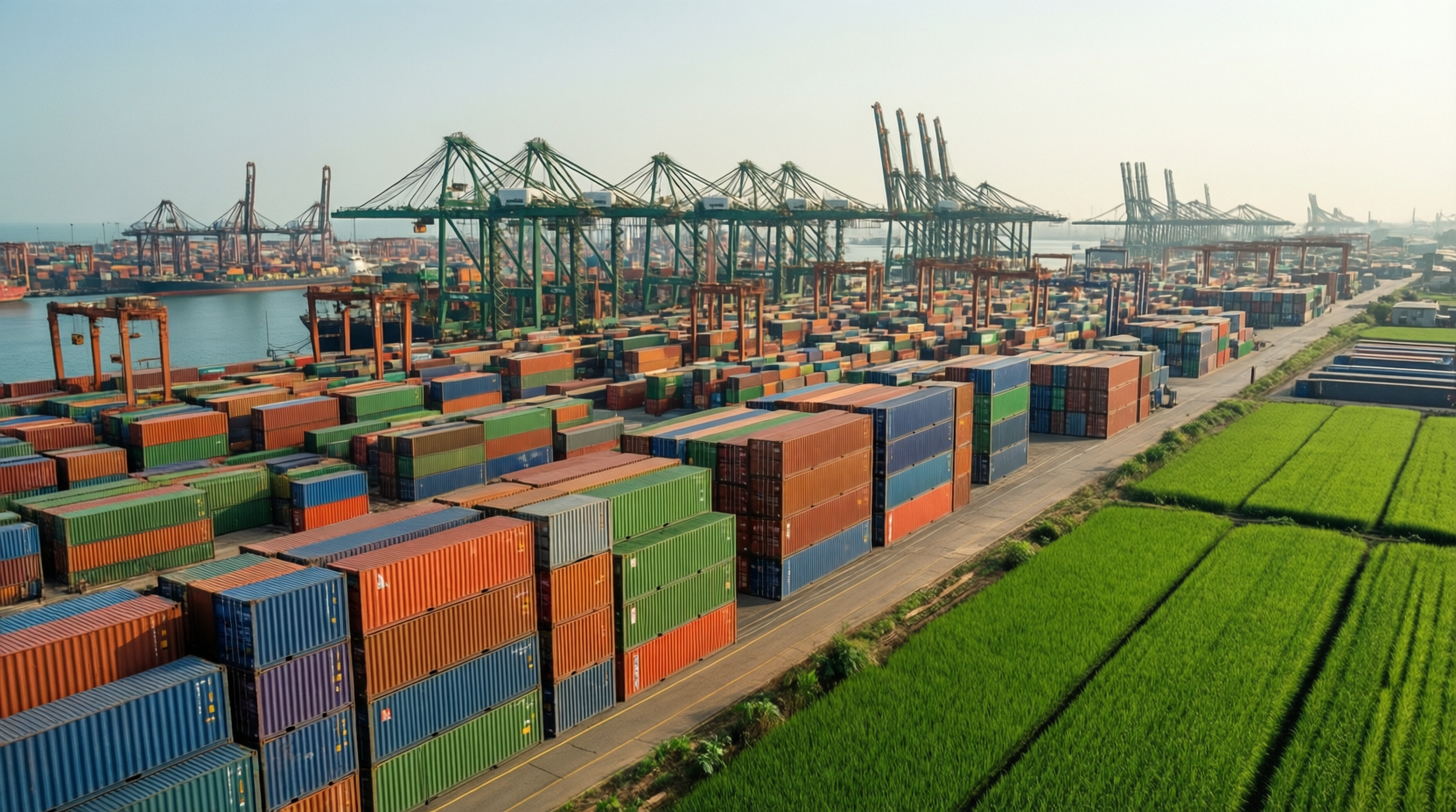
Europe’s agri-food market is setting the global benchmark for food safety, quality, and sustainability. In 2026, with supply chain shocks, climate volatility, and increasing consumer scrutiny, EU regulators and buyers expect Indian agri exports to be not only residue-free but also fully traceable—right down to the farm. This shift is most pronounced for high-value categories such as pulses, fresh fruits, and spices, even as India’s exports of these products surge.
The 2026 Landscape: Higher Standards, Stricter Checks
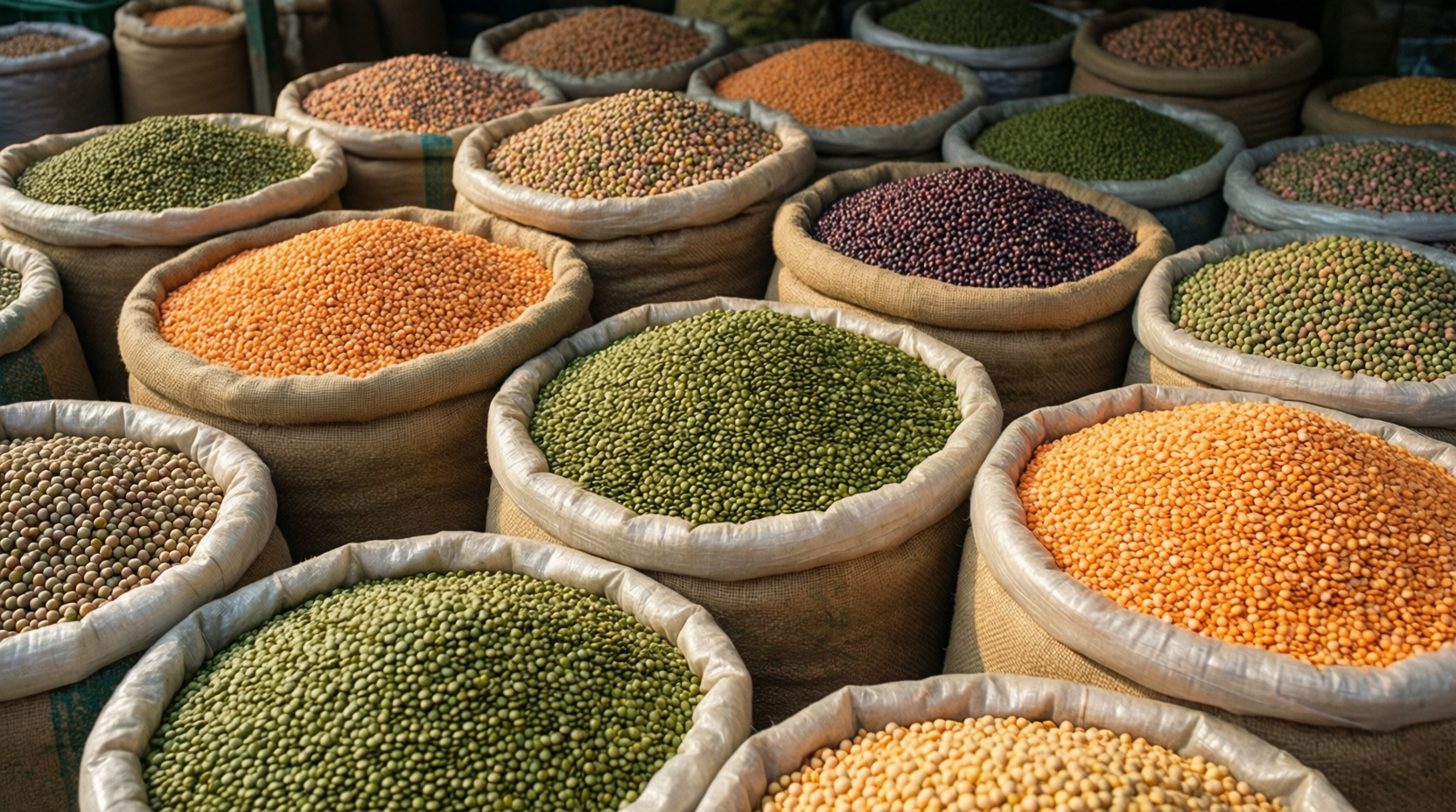
India’s total agriculture exports rose 2.8% to $52.55 billion in FY26, led by a 21.8% rise in pulses, 12.9% in fresh fruits, and double-digit growth for spices. But the real test now lies in meeting EU residue regulations and providing seamless documentation—from field to shelf. Delays and rejected shipments due to inadequate paperwork or traceability lapses are increasingly common.
How to Export Pulses from India to EU with Compliance
- 1Map your supply chain end-to-end: Document farm locations, input sources, and practices.
- 2Adopt residue testing protocols: Use EU-accredited labs before export.
- 3Digitize traceability: Implement batch-wise traceability (QR/barcode, digital ledgers).
- 4Stay updated on EU Maximum Residue Limit (MRL) rules: Different crops, different thresholds.
- 5Maintain robust compliance documentation: From phytosanitary certificates to shipping and storage records.
Documentation: The Bedrock of EU-Ready Agri Exports
- Phytosanitary certificates and fumigation reports
- Complete residue test results (covering EU standards)
- Detailed lot-wise traceability records
- Proof of sustainable packaging and labelling
- Inclusive shipping, handling, and storage logs
Spotlight: EU Residue Regulations and India Exports
The EU’s Maximum Residue Limits (MRLs) are among the world’s strictest. Frequent updates and low tolerance thresholds for popular Indian pulses and spices (like turmeric and cumin) mean exporters must routinely check for compliance—failure can quickly result in costly border rejections or bans.
“Today, only exporters with robust compliance and end-to-end traceability are securing long-term contracts and premium pricing from European buyers.”
New Trends: Digital Traceability and AI Trade Intelligence
AI-powered export platforms and digital traceability solutions are now mainstream among competitive exporters. These tools support fast documentation, real-time compliance alerts, and direct buyer matching—with demand surging from EU-facing Indian exporters, especially for private-label and sustainable agriculture products.
Stay EU-Ready With Tradeleaf
Tradeleaf offers digital compliance checklists and traceability tools—helping Indian exporters seamlessly meet EU agri export requirements in 2026.
Next Steps for Exporters
- Audit your value chain for compliance gaps
- Upgrade residue testing and traceability systems
- Digitize documentation for faster EU customs clearance
- Monitor regulatory updates closely (especially post-2026 EU food safety directives)
- Engage with digital export intelligence platforms for ongoing support
In an era where even a single non-compliant shipment can damage your EU market reputation, investing in compliance and traceability is not an option—it’s a growth imperative for Indian agri exporters targeting Europe in 2026 and beyond.
- Written and reviewed by our in-house trade experts — not AI-generated filler.
- Market figures come from live platform data across thousands of verified trades.
- Every buyer and supplier on The Trade Union is identity- and document-verified.
- Guides are updated as regulations and market conditions change.