On this page
- How can exporters effectively manage the logistics of high-volume citrus exports from Egypt in 2026?
- What adaptations are necessary to scale fresh potato exports alongside citrus?
- What logistical challenges do exporters face with Egypt's export volume exceeding 5 million tons?
- How can exporters leverage technology to optimize the export supply chain for citrus and fresh potatoes?
- What international trade and regulatory factors should Egypt’s exporters consider in 2026?
- Key takeaways
- FAQ
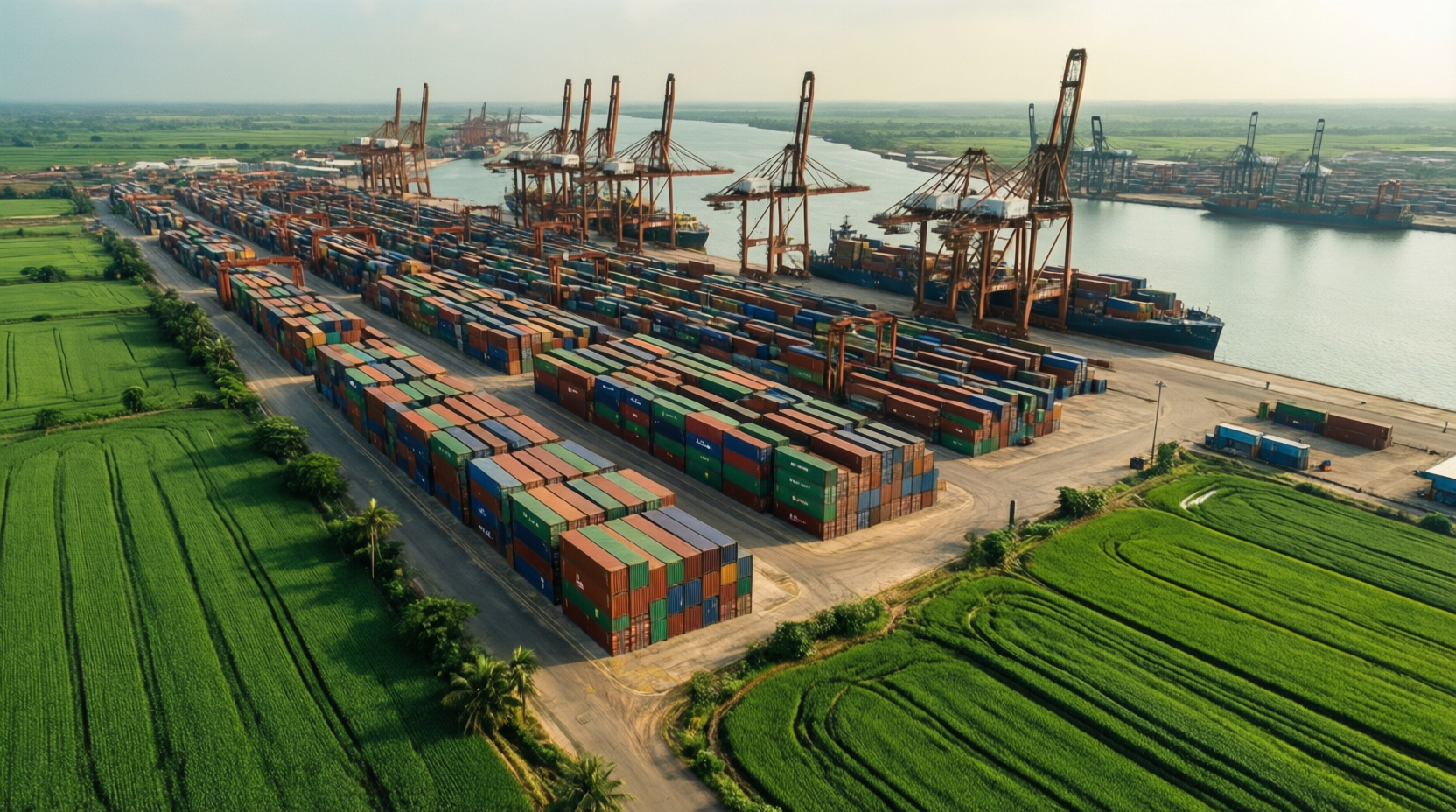
In 2026, Egypt's agricultural export sector reached a landmark milestone by exceeding 5 million tons, led prominently by citrus exports. This surge spotlights the critical need to refine logistics and supply chain management for high-volume fresh produce, including citrus and potatoes. Exporters now face the dual challenges of scaling operations while ensuring freshness and compliance with international standards.
How can exporters effectively manage the logistics of high-volume citrus exports from Egypt in 2026?
Effective management starts with robust cold chain infrastructure, crucial for preserving citrus freshness during transport. Exporters should invest in refrigerated storage and temperature-controlled vehicles to maintain optimal conditions from farm to port. Streamlining operations through real-time monitoring technologies helps detect and resolve logistical bottlenecks promptly.
Collaboration among farmers, logistics providers, and export authorities ensures synchronized scheduling and minimizes delays at key transit points. Egypt's proximity to Europe and Asia demands efficient multimodal transport solutions, integrating road, sea, and air to optimize delivery times and costs.
What adaptations are necessary to scale fresh potato exports alongside citrus?
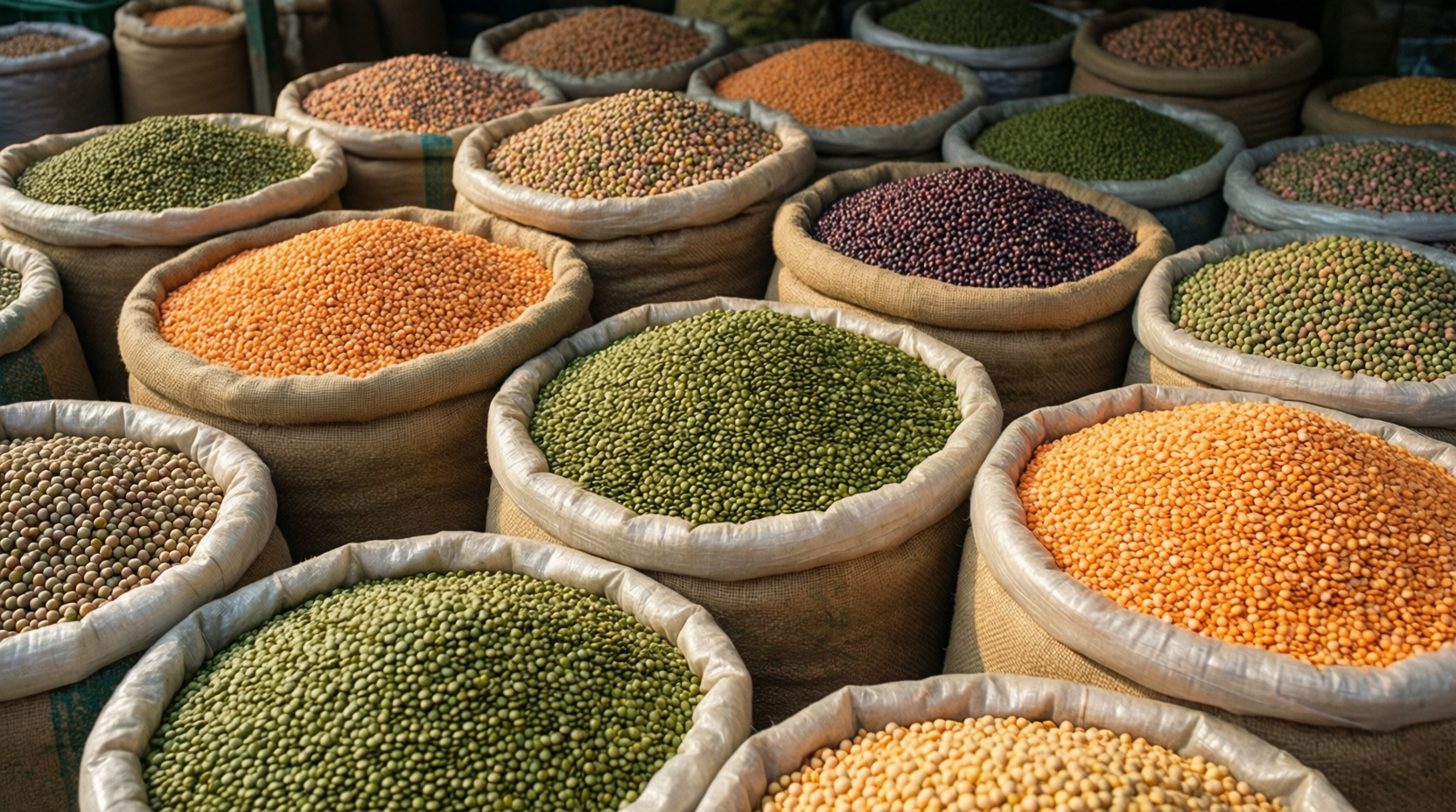
Fresh potatoes require specific handling due to their sensitivity to temperature and humidity. Scaling exports involves adopting advanced sorting and grading techniques to meet stringent quality standards. Enhancing packing methods with breathable materials and moisture control extends shelf life during international shipping.
Expanding refrigerated transport networks that can accommodate both citrus and fresh potatoes allows exporters to leverage economies of scale. Investing in training programs for handlers about best practices reduces spoilage and maintains product integrity throughout the supply chain.
What logistical challenges do exporters face with Egypt's export volume exceeding 5 million tons?
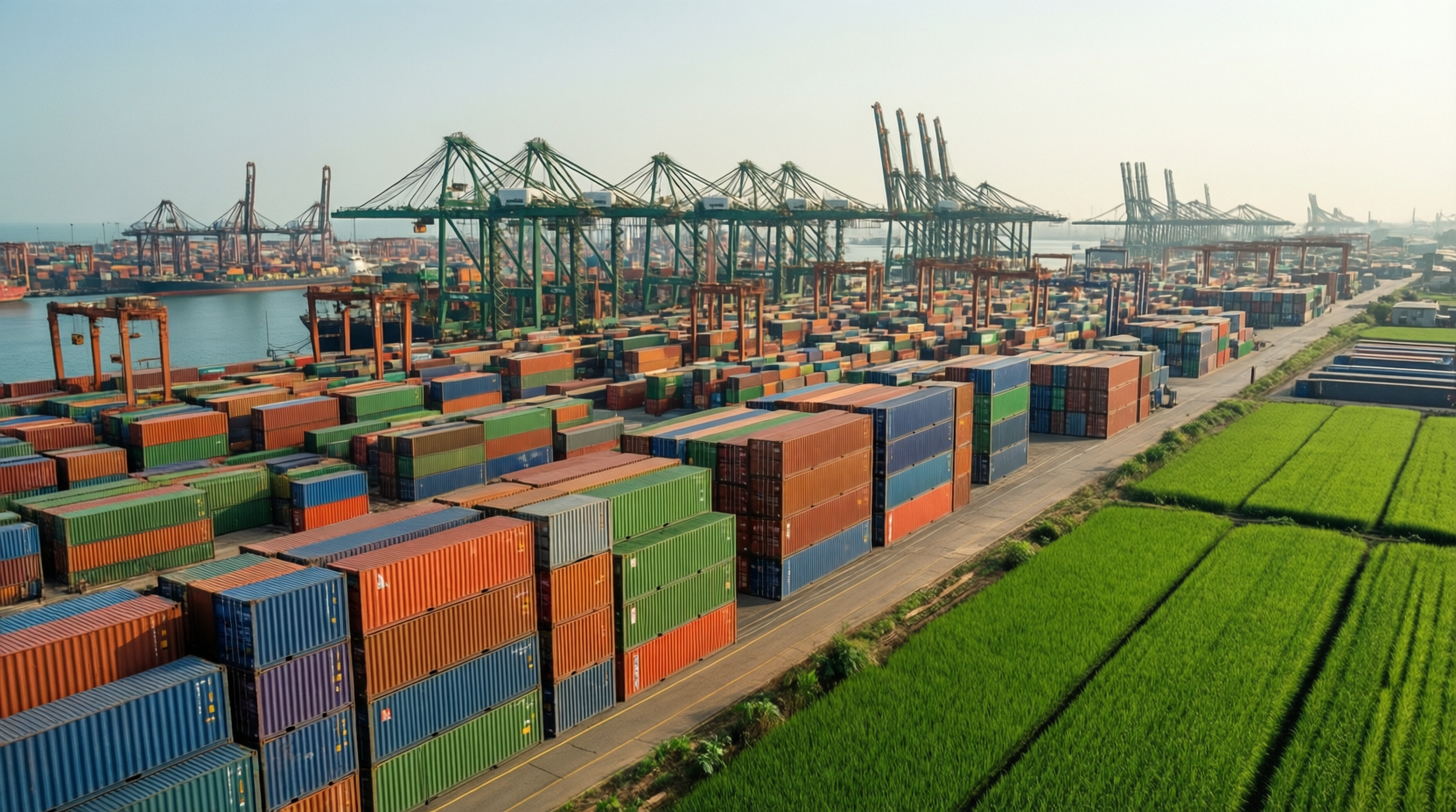
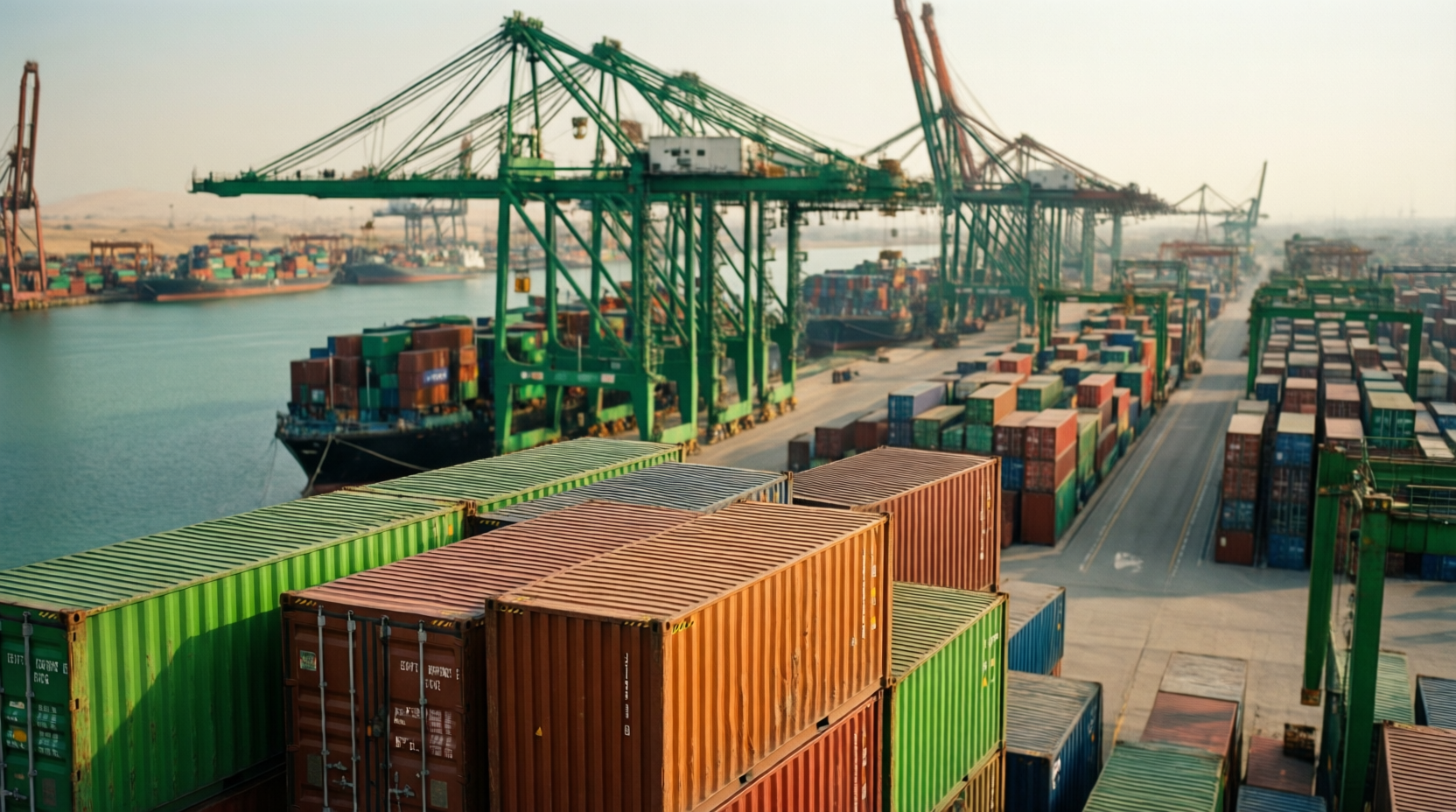
- Port congestion leading to shipment delays
- Limited cold storage capacity
- Fluctuating fuel and transportation costs
- Regulatory compliance with diverse international markets
- Coordination difficulties among supply chain stakeholders
“Scaling Egypt’s agricultural exports demands a holistic approach to logistics, where innovation in cold chain management and stakeholder collaboration are paramount.” – Fatima El-Sayed, Logistics Expert
How can exporters leverage technology to optimize the export supply chain for citrus and fresh potatoes?
Digital platforms that provide end-to-end supply chain visibility enable exporters to track shipments, monitor conditions, and communicate with partners in real time. Automated documentation and customs clearance processes reduce errors and accelerate export timelines.
Adopting predictive analytics can help forecast demand, optimize inventory levels, and prevent overstocking or shortages. Integration of IoT sensors in storage and transport containers ensures constant monitoring of temperature and humidity, allowing timely interventions to prevent spoilage.
Strategic Insight
Investing in infrastructure upgrades and digital tools is not just a cost but a strategic investment to secure Egypt’s position as a global leader in high-volume fresh produce exports.
What international trade and regulatory factors should Egypt’s exporters consider in 2026?
Compliance with importing countries’ phytosanitary standards and certifications is mandatory to avoid shipment rejections. Keeping abreast of tariff changes, trade agreements, and export documentation requirements helps exporters maintain competitive advantages.
The dynamic geopolitical environment, including expanding markets like China opening to African coffee and agricultural products, signals opportunities to diversify export destinations and reduce risk concentration. Egyptian exporters should explore emerging markets while consolidating existing ones.
Key takeaways
- Egypt surpassed 5 million tons in agricultural exports in 2026, led by citrus and fresh potatoes.
- Efficient cold chain logistics and optimized multimodal transport are critical for maintaining produce quality at scale.
- Technology adoption like IoT and predictive analytics enhances supply chain transparency and responsiveness.
- Addressing port congestion and regulatory compliance remain major challenges for exporters.
- Strategic investments in infrastructure and collaboration are vital to sustain export growth and competitiveness.
Frequently asked questions
What are the main challenges for Egypt’s citrus exports logistics in 2026?
Main challenges include port congestion, limited cold storage capacity, and the need to maintain consistent temperature control throughout the supply chain.
How important is cold chain management for fresh potato exports?
Cold chain management is crucial for fresh potatoes to prevent spoilage, maintain quality, and meet international market standards during transport.
Can technology improve Egypt’s agricultural export logistics?
Yes, technologies like real-time tracking, IoT sensors, and predictive analytics significantly improve supply chain visibility and operational efficiency.
Which markets are promising for Egypt’s citrus exports in 2026?
Europe and Asia remain key markets, with emerging opportunities in regions adapting to free trade agreements and expanding import demands.
How should exporters handle regulatory compliance for fresh produce exports?
Exporters must stay updated on phytosanitary certifications, tariffs, and import regulations for each target market to ensure smooth clearance and reduce rejection risks.
- Written and reviewed by our in-house trade experts — not AI-generated filler.
- Market figures come from live platform data across thousands of verified trades.
- Every buyer and supplier on The Trade Union is identity- and document-verified.
- Guides are updated as regulations and market conditions change.