On this page
- What factors are driving the surge in Egypt's fresh and dried bean exports?
- How significant is the fresh and dried beans sector within Egypt's agricultural exports?
- What are the global market trends influencing Egyptian legume exports?
- Which countries are the major importers of Egyptian beans?
- What challenges do Egyptian bean exporters face in expanding their global footprint?
- How is the demand outlook for Egyptian beans projected through 2026 and beyond?
- What role do logistics and trade policies play in supporting Egypt's bean exports?
- Key takeaways
- FAQ
The first half of 2026 witnessed a remarkable surge in Egyptian exports of fresh and dried beans, with volumes exceeding 110,000 tons. This growth underscores Egypt's expanding role as a significant supplier in the global legume market. Understanding the drivers behind this upward trend and forecasting future demand is crucial for exporters and stakeholders aiming to capitalize on these opportunities.
What factors are driving the surge in Egypt's fresh and dried bean exports?
Egypt's bean export surge is primarily driven by strong domestic production, competitive pricing, and improved agricultural techniques. Favorable climate conditions during the planting seasons have supported high yield volumes, while government support and export facilitation helped open new international markets. Additionally, enhanced logistics and port facilities have reduced turnaround times, making Egyptian beans more attractive to importers.
How significant is the fresh and dried beans sector within Egypt's agricultural exports?
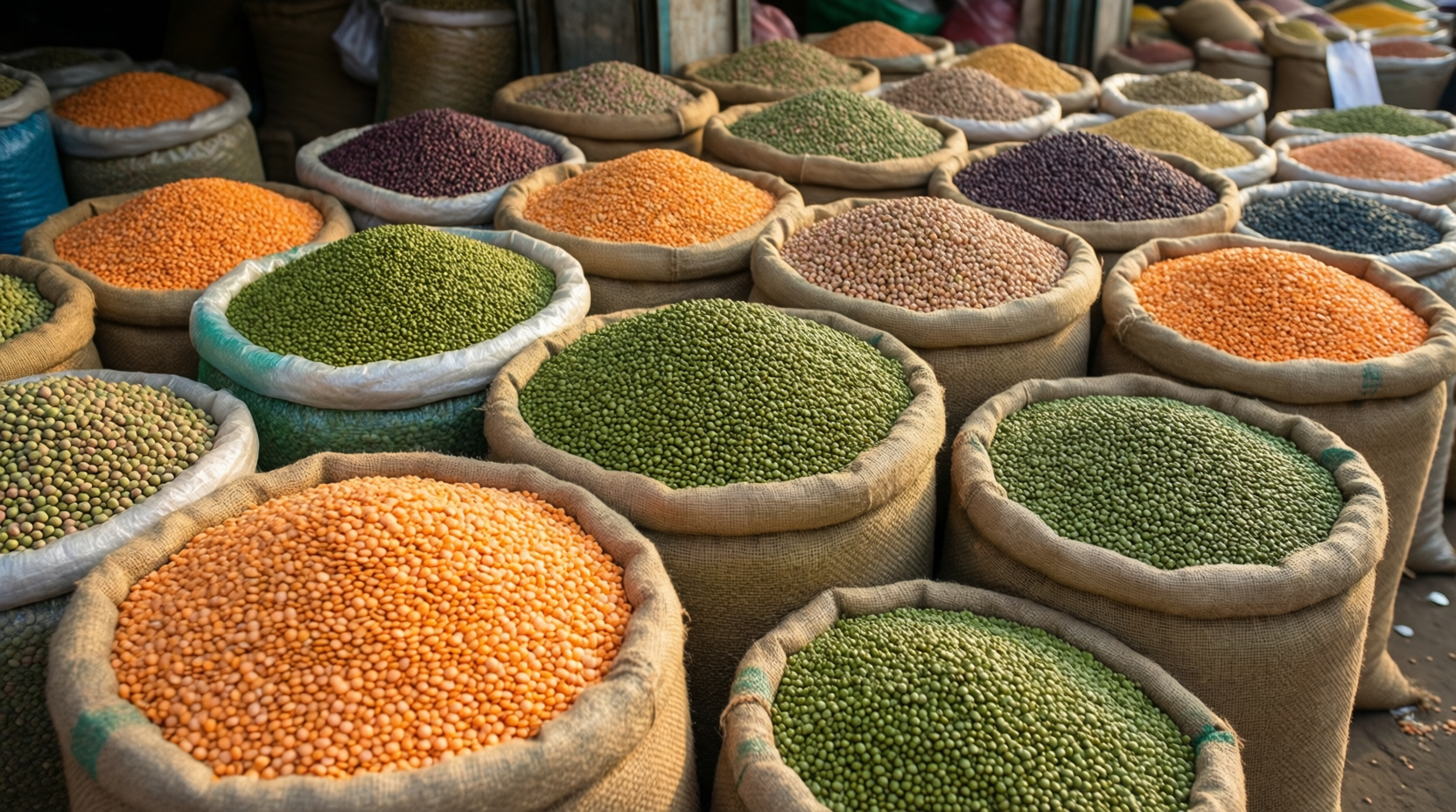
Beans rank among Egypt's leading agricultural export products, reflecting their importance both economically and culturally. The sector contributes a substantial share of agro-export revenues, with exports exceeding 110,000 tons in just the first half of 2026. This highlights beans as a key commodity alongside other major crops and fruits that Egypt exports globally.
What are the global market trends influencing Egyptian legume exports?
Increasing consumer demand for plant-based proteins and healthy food choices worldwide is boosting legume consumption. Regions such as Europe, Asia, and the Middle East are experiencing rising imports of fresh and dried beans. Moreover, supply disruptions from competitor countries and policy shifts, like China's green channel upgrades for African agricultural products, indirectly affect global supply chains, benefitting Egyptian exporters.
Which countries are the major importers of Egyptian beans?
Major destinations for Egyptian beans include European countries, the Gulf Cooperation Council (GCC), and parts of Asia. Demand from Middle Eastern markets remains consistently strong due to cultural affinities and proximity, while European buyers seek high-quality legumes for food processing and retail. Expanding trade relations and competitive pricing position Egypt well across these regions.
What challenges do Egyptian bean exporters face in expanding their global footprint?
Despite strong growth, exporters face challenges such as fluctuating global commodity prices, competition from other legume-producing countries, and regulatory changes in importing nations. Ensuring consistent quality, adherence to phytosanitary standards, and managing logistics bottlenecks are ongoing concerns. Seasonal supply variations and climate impacts may also affect production volumes.
How is the demand outlook for Egyptian beans projected through 2026 and beyond?
The demand outlook for Egyptian fresh and dried beans remains positive, supported by expanding international markets and growing consumer interest in legumes. Forecasts suggest sustained growth as Egypt leverages production scale and quality to meet global needs. Continued investment in export infrastructure and market development will be pivotal in realizing this potential.
What role do logistics and trade policies play in supporting Egypt's bean exports?
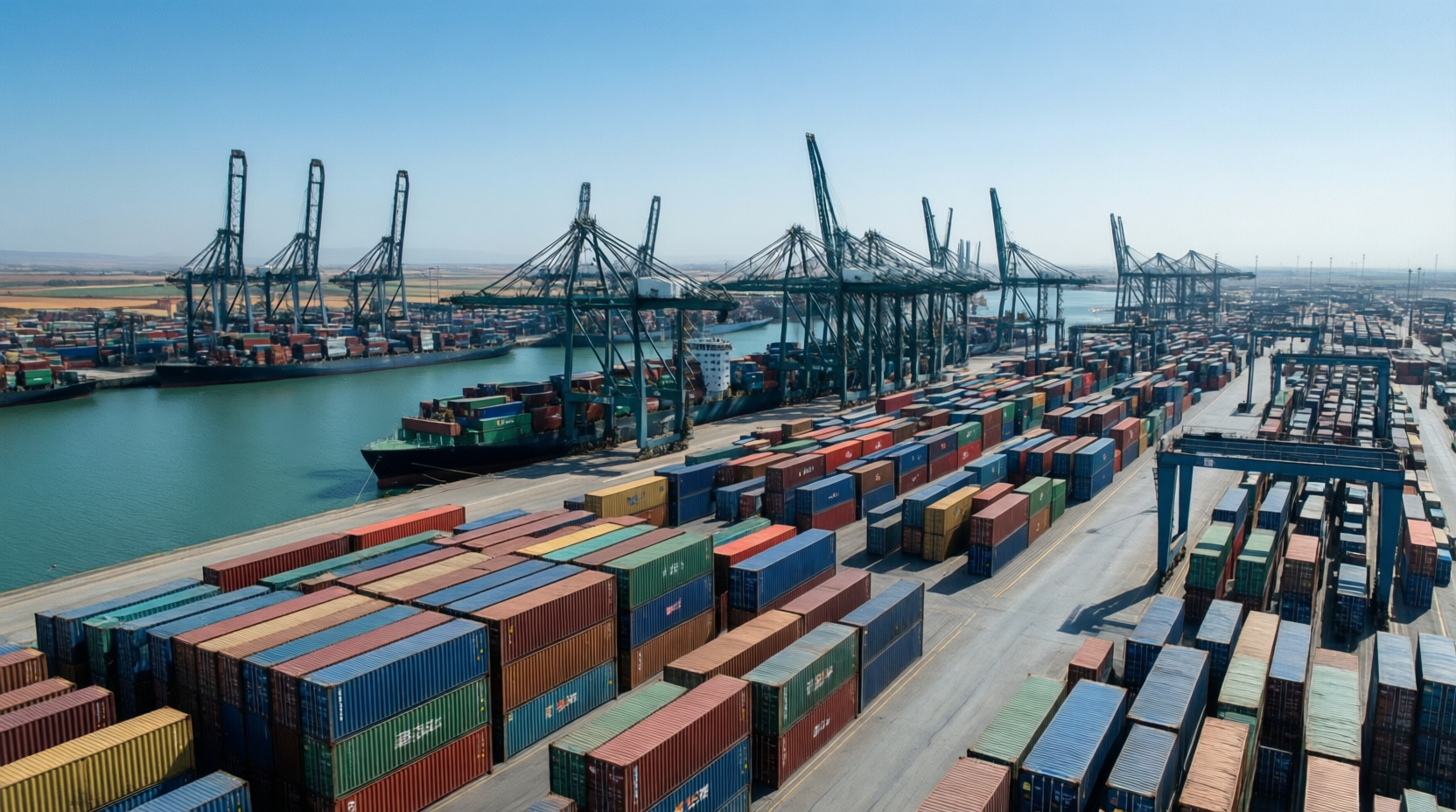
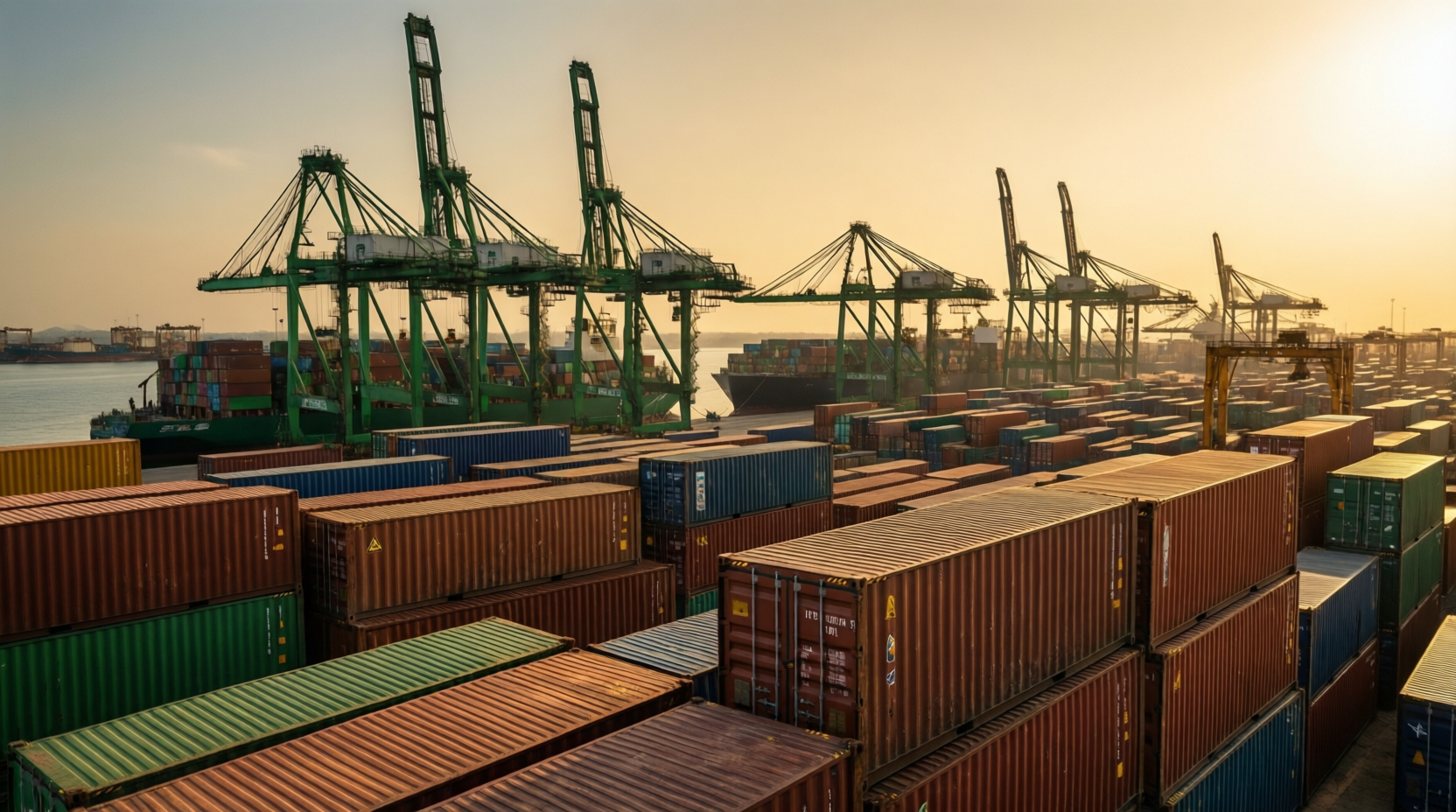
Improved port operations and trade facilitation policies have enhanced Egypt’s export efficiency. Streamlined customs clearance, partnerships with shipping companies, and reduced transit times lower costs and increase competitiveness. Furthermore, bilateral trade agreements and export incentives bolster market access and strengthen Egypt’s position in global legume markets.
"Egypt’s focus on quality production and strategic market engagement is unlocking new demand opportunities for its bean exports globally." — Dr. Ahmed El-Sayed, Agricultural Trade Expert
Exporters looking to capitalize on the Egyptian bean export surge should monitor global legume market trends, invest in quality compliance, and explore emerging markets in Asia and the Middle East for diversified growth.
Key takeaways
- Egypt's fresh and dried bean exports exceeded 110,000 tons in the first half of 2026, marking a significant growth milestone.
- Strong domestic production, improved logistics, and competitive pricing are key factors behind Egypt's export surge.
- Global demand for legumes is increasing, with major importers in Europe, GCC, and Asia showing strong interest in Egyptian beans.
- Despite challenges like competition and regulatory changes, the demand outlook for Egyptian beans remains positive through 2026 and beyond.
Frequently asked questions
What caused the spike in Egypt's bean exports in 2026?
The spike was due to strong bean production supported by favorable climate, government export facilitation, and improved logistics.
Which markets are most important for Egyptian beans?
European countries, GCC nations, and parts of Asia are key importers of Egyptian fresh and dried beans.
How does global demand affect Egypt’s legume exports?
Rising global demand for plant-based proteins and healthy food options drives increased imports of legumes, benefiting Egypt’s exports.
What challenges could impact the growth of Egypt's bean exports?
Challenges include price volatility, competition from other exporters, regulatory requirements, and logistics issues.
Is the demand for Egyptian beans expected to grow?
Yes, forecasts indicate sustained demand growth due to expanding markets and Egypt’s competitive production capabilities.
- Written and reviewed by our in-house trade experts — not AI-generated filler.
- Market figures come from live platform data across thousands of verified trades.
- Every buyer and supplier on The Trade Union is identity- and document-verified.
- Guides are updated as regulations and market conditions change.