On this page
- Which emerging markets show the greatest potential for South African agricultural exports?
- How can South African exporters diversify their agricultural product portfolio to target new markets?
- What impact do global trade uncertainties have on market expansion strategies?
- What logistical considerations are essential when entering emerging markets?
- How can South African exporters leverage trade agreements to enter new markets?
- What role do quality standards and certifications play in new market penetration?
- What lessons can South African exporters learn from India’s agricultural export performance?
- What are the key strategies for South African agri-exporters to remain competitive?
- Key takeaways
- FAQ
South Africa’s agricultural sector achieved a remarkable milestone in 2025, with exports hitting a record $15.1 billion despite significant global trade uncertainties. As traditional markets fluctuate amid geopolitical and tariff-related challenges, exporters are actively seeking new regions with high growth potential to sustain momentum in 2026 and beyond.
Which emerging markets show the greatest potential for South African agricultural exports?
Emerging markets in Asia, including Southeast Asia and China, are increasingly attractive due to rising middle-class demand for quality fresh produce like grapes, apples, and avocados. Additionally, Middle Eastern countries are expanding their import requirements prompted by urbanization and food security initiatives. Sub-Saharan Africa also represents a growing destination owing to improved logistics and trade agreements.
How can South African exporters diversify their agricultural product portfolio to target new markets?
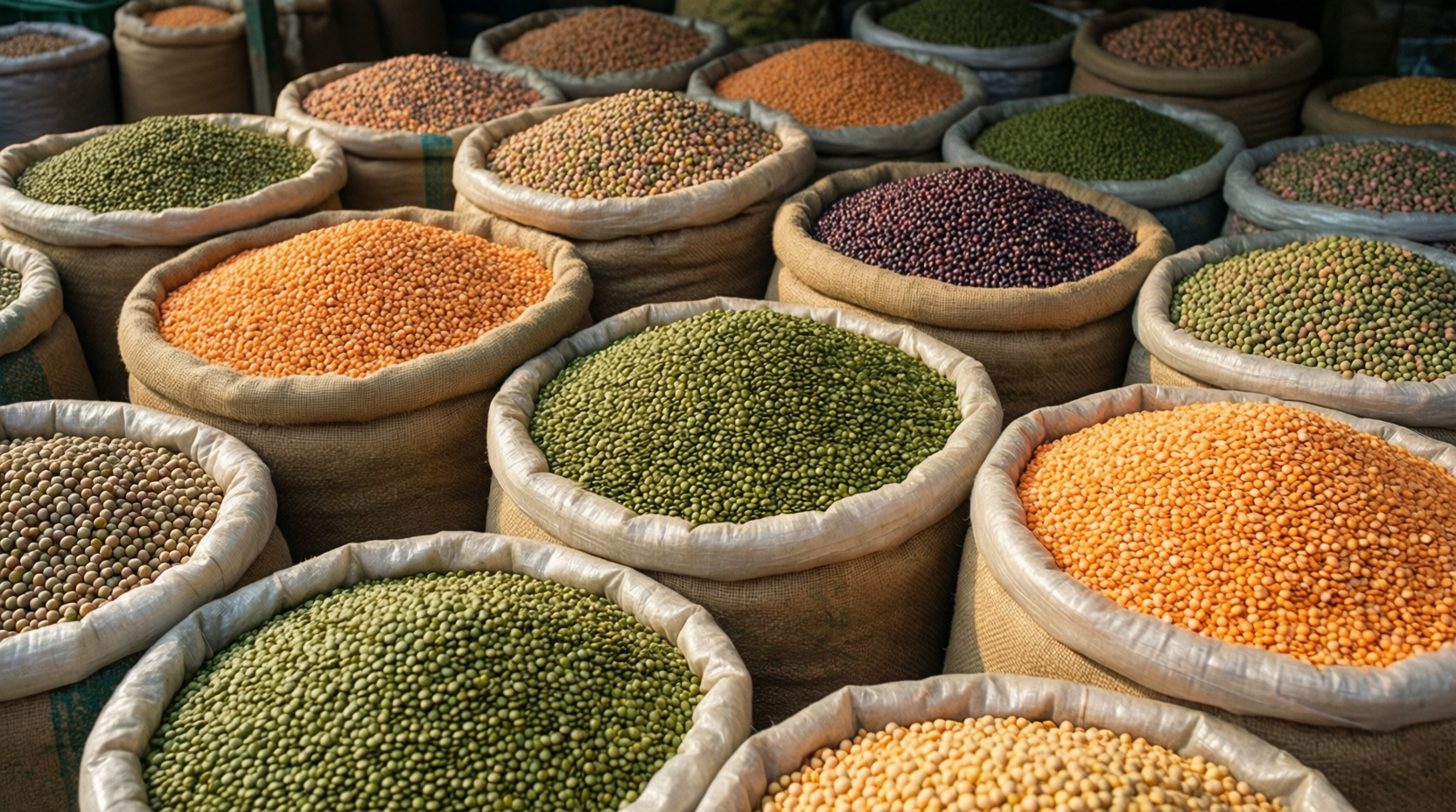
Exporters are advised to leverage South Africa’s broad commodity range — from fruit juices and nuts to specialty products like pears, apricots, and soybeans — aligning shipments with each market’s consumer preferences and regulatory requirements. Introducing value-added products and certified organic options can also gain competitive advantage.
What impact do global trade uncertainties have on market expansion strategies?
Global trade volatility, including tariff impositions and geopolitical tensions, necessitates developing resilient, diversified export routes to reduce dependency on single markets. South African exporters must enhance compliance with international phytosanitary and quality standards to strengthen acceptance in newer markets.
What logistical considerations are essential when entering emerging markets?
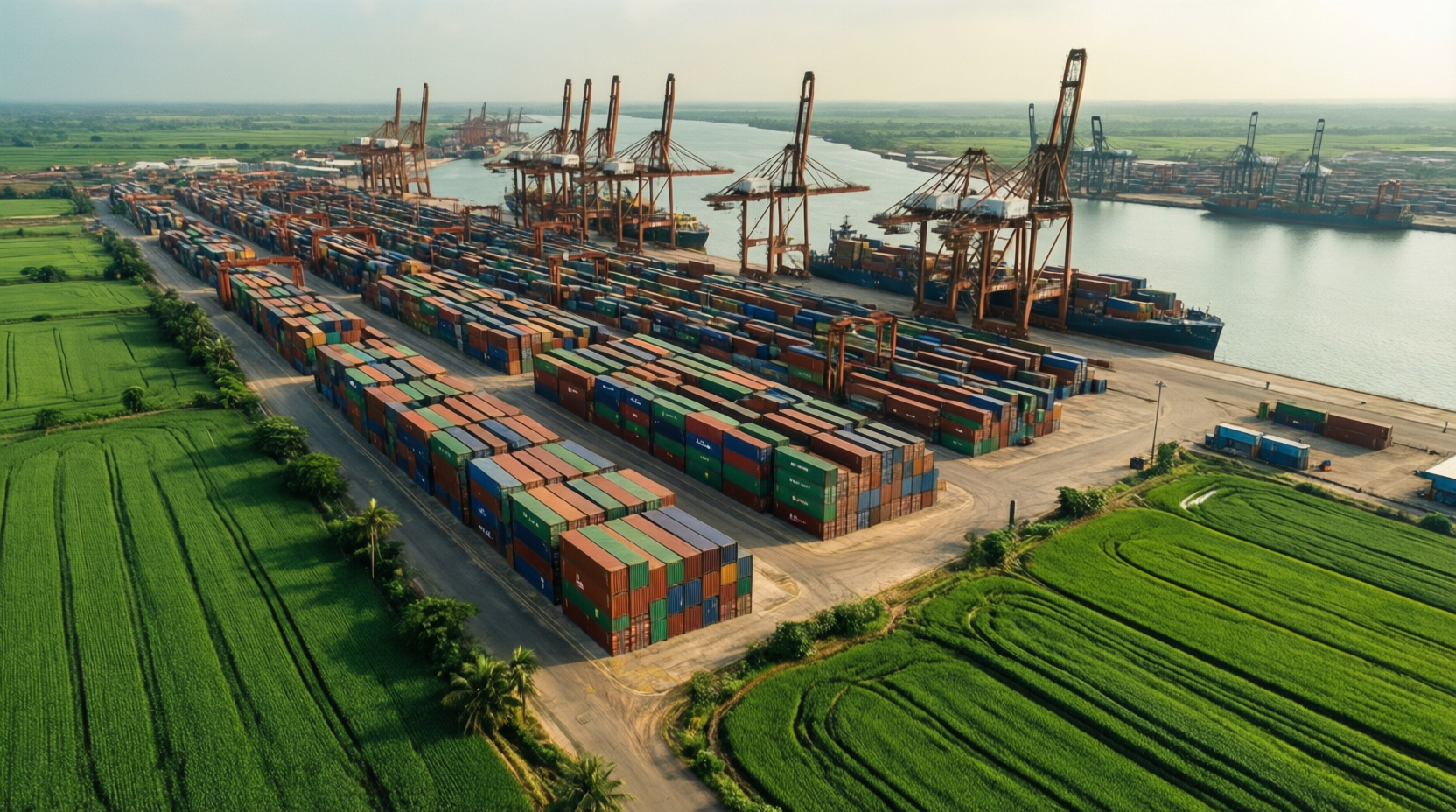
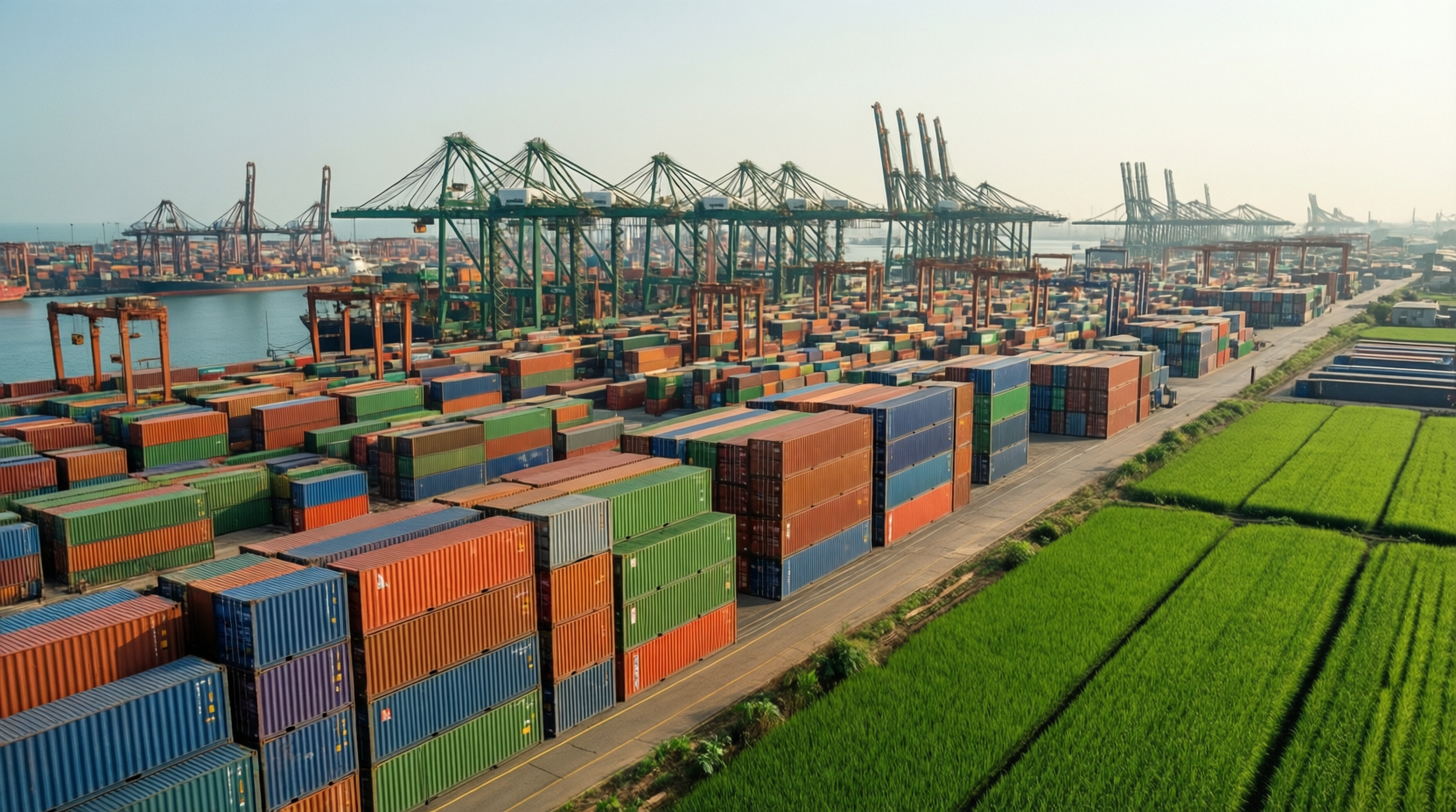
Efficient cold chain infrastructure and streamlined customs procedures are critical to maintain product freshness and reduce transit times. Recent successes, such as India's export of mangoes to Singapore via sea shipment, exemplify the benefits of investing in sustainable logistics tailored to target regions.
How can South African exporters leverage trade agreements to enter new markets?
Utilizing preferential trade agreements such as the African Continental Free Trade Area (AfCFTA) and established bilateral agreements facilitates tariff reductions and eases market access. Exporters should stay informed about evolving trade policies to optimize cost structures and competitive positioning.
What role do quality standards and certifications play in new market penetration?
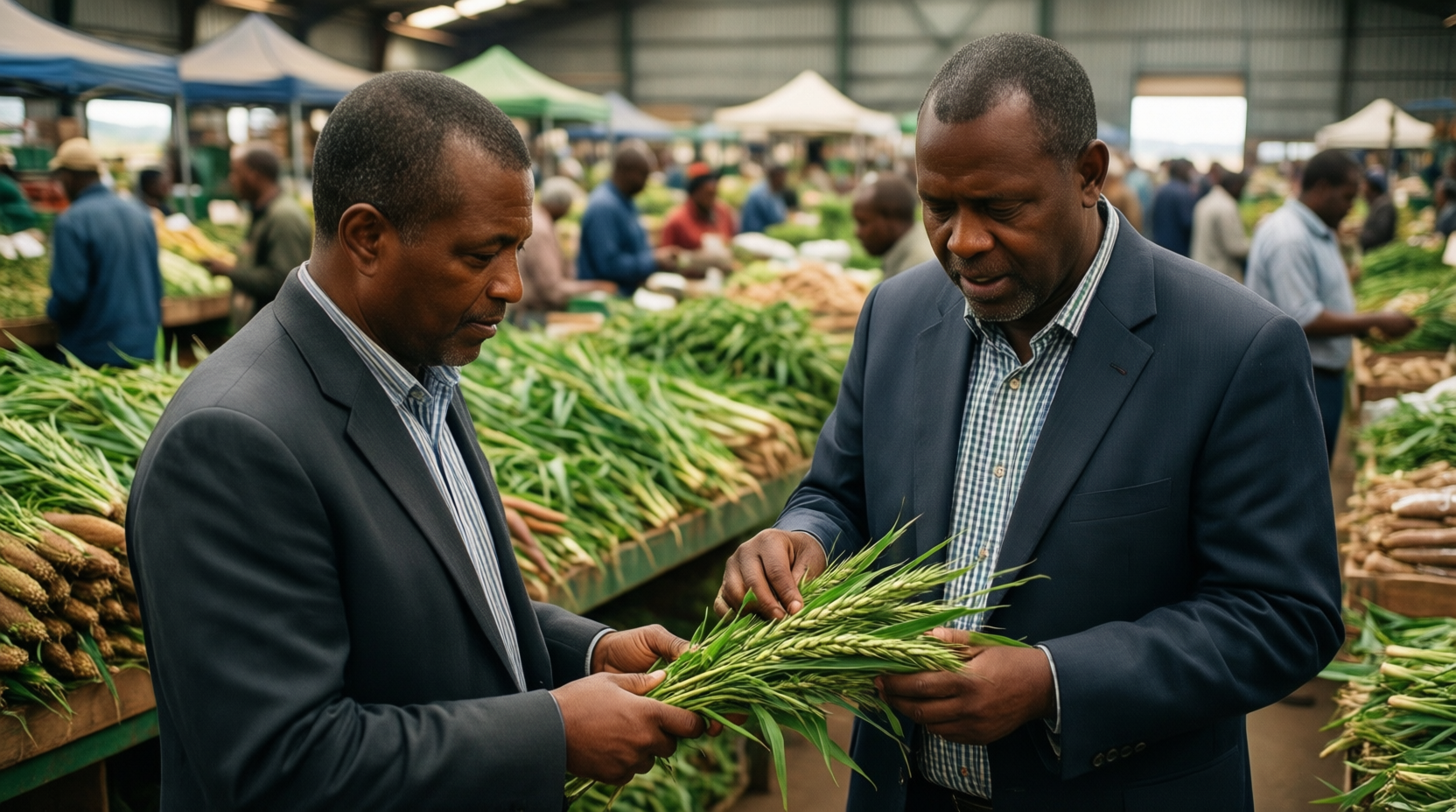
"Upholding stringent quality and phytosanitary standards is the linchpin for East and Southeast Asian markets, where consumer trust hinges on product safety and freshness." — Nandi Mkhize, Agro-Trade Analyst
What lessons can South African exporters learn from India’s agricultural export performance?
India’s resilience despite U.S. tariffs — notably diversifying destinations and investing in logistics to reach markets like Singapore — underscores the importance of flexible strategies and adherence to international standards for sustaining export growth in uncertain times.
Opportunity Insight
South Africa’s record export surge of 11% in Q1 2026 highlights the opportunity for agile exporters to capitalize on emerging regions while mitigating risks through diversification and compliance with global standards.
What are the key strategies for South African agri-exporters to remain competitive?
- Identify and target emerging high-growth regions in Asia, Middle East, and Africa
- Diversify the product range focusing on high-demand and value-added commodities
- Invest in robust cold chain and sustainable logistics solutions
- Leverage existing and upcoming trade agreements for preferential access
- Ensure strict compliance with international quality and phytosanitary requirements
- Adapt marketing to meet local consumer preferences and regulations
Key takeaways
- South Africa's agricultural exports reached $15.1 billion in 2025, demonstrating resilience amid global trade uncertainties.
- Emerging markets in Asia, the Middle East, and Sub-Saharan Africa offer substantial growth opportunities.
- Diversification across commodities and value-added products is essential for sustainable market expansion.
- Compliance with international quality standards and efficient logistics underpin successful new market penetration.
Frequently asked questions
Which emerging markets are promising for South African agricultural exports?
Key emerging markets include Southeast Asia, China, the Middle East, and Sub-Saharan Africa, driven by rising consumer demand and improving trade infrastructure.
How important is product diversification for export growth?
Product diversification allows exporters to tailor offerings to specific market preferences and reduce dependency on traditional markets, enhancing resilience amid global trade shifts.
What logistics challenges should exporters consider in new markets?
Maintaining cold chain integrity, managing customs efficiently, and investing in sustainable transport methods are crucial to preserving product quality and meeting delivery timelines.
How can trade agreements benefit South African agricultural exporters?
Trade agreements like AfCFTA provide tariff advantages and easier market access, enabling exporters to compete more effectively in emerging markets.
What can South African exporters learn from India's agri-export experience?
India's strategy of diversifying export destinations and adhering to stringent quality standards amid tariffs offers valuable lessons on building resilient agricultural export models.
- Written and reviewed by our in-house trade experts — not AI-generated filler.
- Market figures come from live platform data across thousands of verified trades.
- Every buyer and supplier on The Trade Union is identity- and document-verified.
- Guides are updated as regulations and market conditions change.