On this page
- How is the Nigeria-Brazil agro-trade partnership impacting hibiscus and shea butter exports?
- What global trends are driving higher demand for African hibiscus?
- Why is shea butter gaining prominence in international markets?
- What export volumes and market growth are forecast for hibiscus and shea butter by 2027?
- How are exporters addressing quality standards and certifications?
- What logistical factors influence Nigeria’s competitiveness in these agro-exports?
- What challenges might Nigerian exporters face expanding these markets?
- How can Nigerian exporters leverage this forecast to scale their businesses?
- Key takeaways
- FAQ
As the global market evolves, Nigerian hibiscus and shea butter exporters are witnessing a surge in demand, catalyzed by new trade partnerships and shifting consumer preferences. The Nigeria-Brazil agro-trade agreement has opened fresh export avenues, promising to reshape Africa’s presence in natural product markets by 2027.
How is the Nigeria-Brazil agro-trade partnership impacting hibiscus and shea butter exports?
The bilateral agro-trade framework between Nigeria and Brazil, launched in 2026, facilitates preferential trade terms and simplifies export procedures for commodities like hibiscus and shea butter. This partnership enables Nigerian producers to access Brazil’s large market and enhances bilateral commerce through reduced tariffs and streamlined customs clearance.
What global trends are driving higher demand for African hibiscus?
Global consumers increasingly seek natural, health-boosting products, propelling hibiscus—a key ingredient in beverages and supplements—into high demand. Its antioxidant properties and appeal in niche markets such as herbal teas and cosmetics support export growth prospects through 2027, with African varieties commanding premium markets internationally.
Why is shea butter gaining prominence in international markets?
Shea butter’s versatility in cosmetics, skincare, and pharmaceuticals underpins its growing global demand. The rising trend toward natural and organic personal care products favors shea butter sourced from Africa, with Nigerian exports poised to benefit from quality certifications and sustainable sourcing practices that appeal to conscious consumers worldwide.
What export volumes and market growth are forecast for hibiscus and shea butter by 2027?
Industry reports forecast a compound annual growth rate (CAGR) of over 8% for hibiscus exports and approximately 7% for shea butter globally through 2027. Nigeria’s production scale-up, supported by governmental and trade incentives, is expected to increase export volumes significantly, positioning the country as a leading supplier especially in Latin America and European markets influenced by the Nigeria-Brazil trade corridor.
How are exporters addressing quality standards and certifications?
Achieving certifications such as organic, Fair Trade, and ISO standards is essential to penetrate premium international markets. Nigerian exporters are increasingly investing in compliance, working with bodies like APEDA and the Nigerian Export Promotion Council to ensure product integrity and meet regulatory requirements in destination countries including Brazil, the EU, and North America.
What logistical factors influence Nigeria’s competitiveness in these agro-exports?
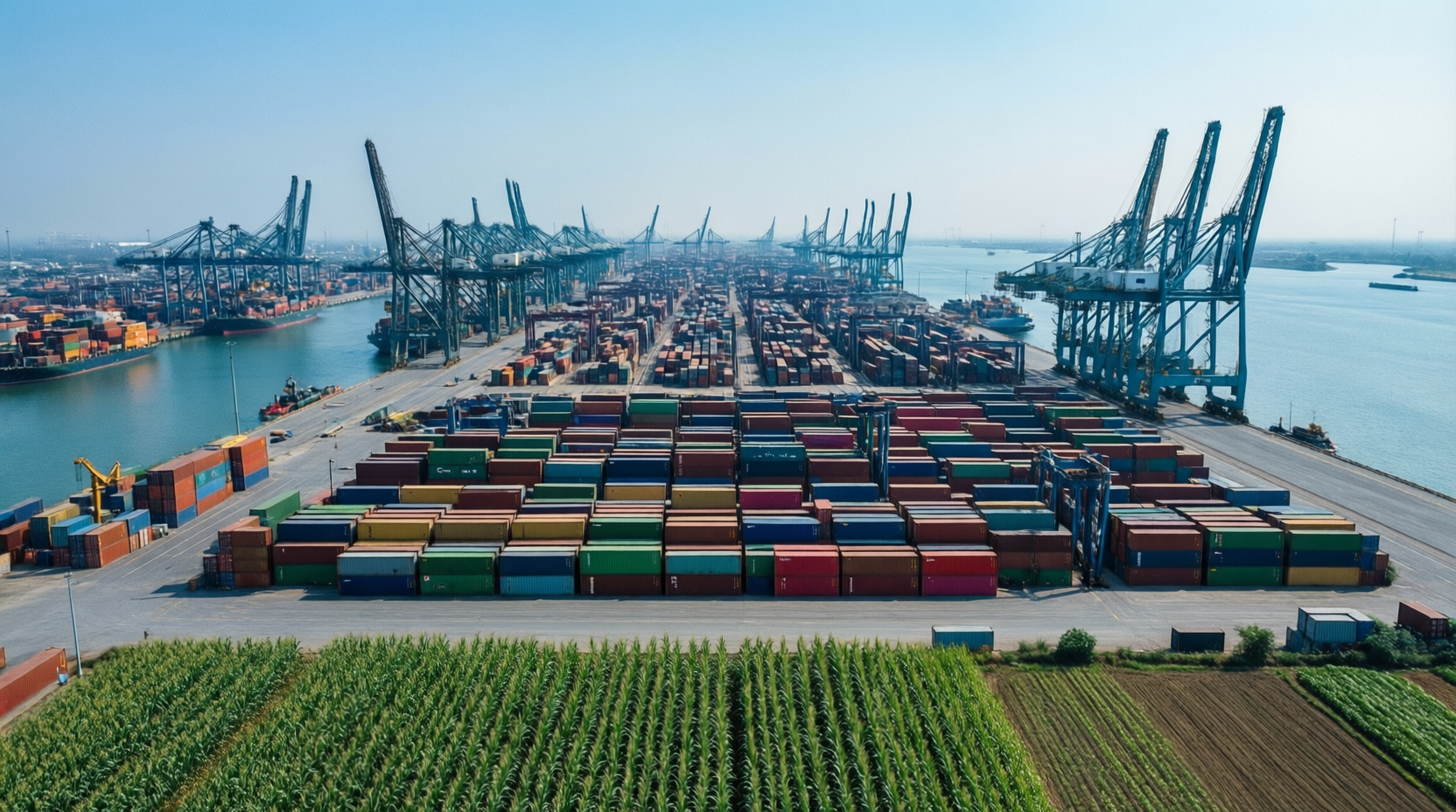
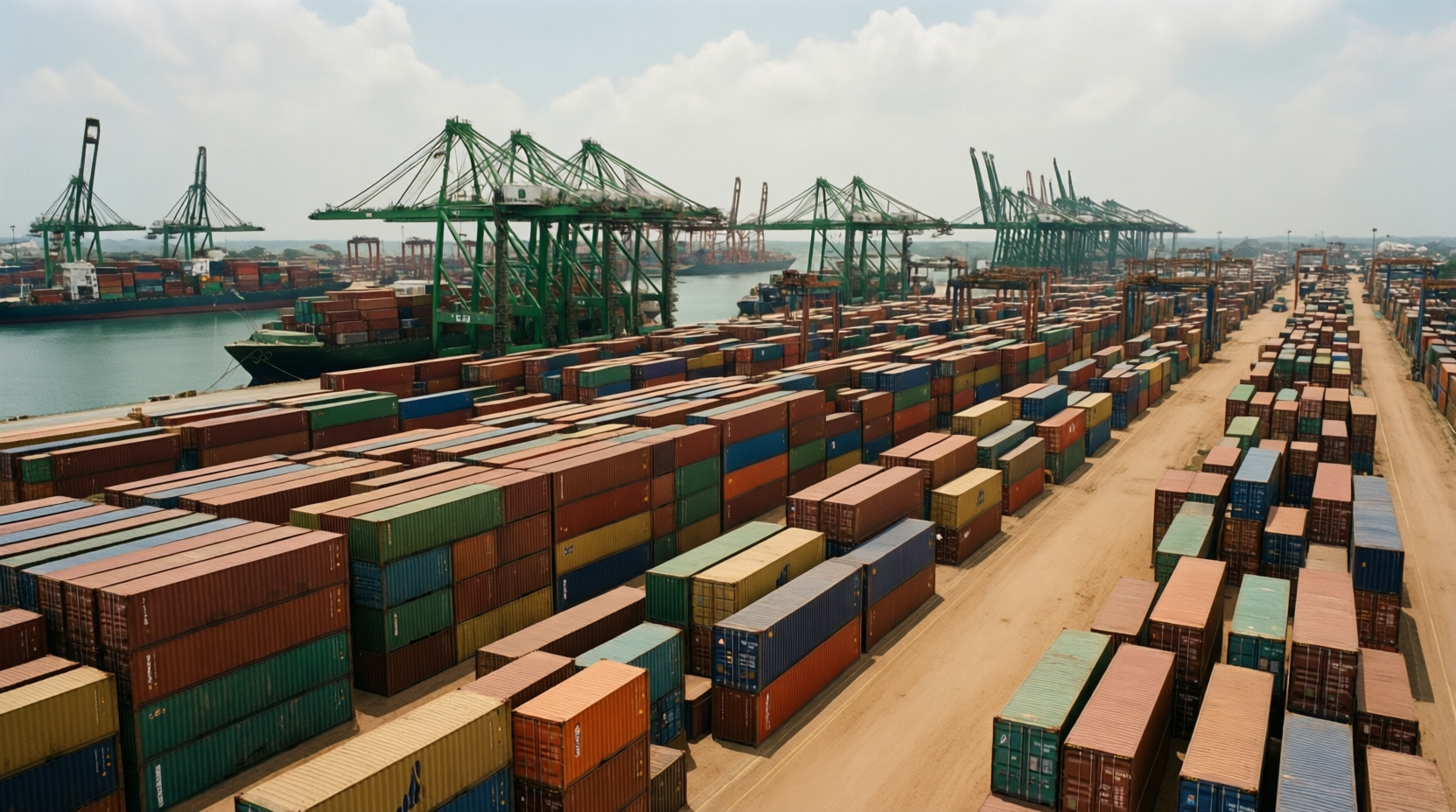
Improved port infrastructure, cold chain facilities, and expedited customs processes reduce transit times and preserve product quality. Nigeria’s ongoing investments in logistics, coupled with bilateral agreements that streamline trade with Brazil, enhance competitiveness by lowering costs and delivery times compared to other African exporters.
What challenges might Nigerian exporters face expanding these markets?
- Fluctuating international prices may affect profitability.
- Stringent phytosanitary regulations require constant compliance updates.
- Competition from other African and South American producers can pressure market share.
- Infrastructure gaps at production sites may limit scalability.
"The Nigeria-Brazil agro-trade partnership is a game-changer for hibiscus and shea butter exports, unlocking access to new markets and encouraging diversification," notes agro-export expert Chinedu Eze.
Actionable Insight
Exporters should prioritize certification and leverage the Nigeria-Brazil trade framework to capture emerging demand in natural product markets, boosting Nigeria’s agro-export footprint by 2027.
How can Nigerian exporters leverage this forecast to scale their businesses?
Exporters are encouraged to enhance supply chain transparency, invest in value addition, apply for relevant international certifications, and engage with trade bodies facilitating Nigeria-Brazil collaboration. Strategic marketing to targeted demographics valuing natural and organic products will maximize demand capture by 2027.
Key takeaways
- Nigeria-Brazil agro-trade partnership expands export opportunities for hibiscus and shea butter.
- Global demand growth is fueled by rising consumer preference for natural and organic products.
- Exporters must focus on certification and logistics to meet international standards and reduce costs.
- Forecasts predict sustained growth with Nigeria poised as a key supplier by 2027.
Frequently asked questions
What makes Nigeria's hibiscus and shea butter attractive in global markets?
Nigeria offers high-quality hibiscus and shea butter with favorable natural properties, enhanced by trade partnerships such as with Brazil that provide competitive market access and reduced tariffs.
How will the Nigeria-Brazil trade deal affect export volumes by 2027?
The trade deal is expected to increase export volumes significantly by opening Brazil’s large market to Nigerian hibiscus and shea butter with streamlined customs and reduced tariffs, fostering growth through 2027.
What certifications do exporters need to enter premium global markets?
Organic, Fair Trade, and ISO certifications are crucial for meeting quality standards and consumer expectations in markets like Europe, North America, and Brazil, enhancing export success.
Are there logistical improvements supporting Nigerian agro-export growth?
Yes, investments in port infrastructure, cold chain logistics, and customs facilitation improve Nigeria’s capacity to deliver fresh and high-quality products competitively.
What challenges should exporters prepare for in 2027?
Exporters must navigate price volatility, comply with evolving international regulations, handle competition, and address infrastructure issues at production sites to sustain growth.
- Written and reviewed by our in-house trade experts — not AI-generated filler.
- Market figures come from live platform data across thousands of verified trades.
- Every buyer and supplier on The Trade Union is identity- and document-verified.
- Guides are updated as regulations and market conditions change.