On this page
- How will India’s $1 trillion export target influence production volumes of major agro commodities?
- What impact does this export goal have on the pricing of Indian agro commodities?
- How are export volumes expected to shift for key agricultural commodities by 2026-27?
- What role does the India-UK Comprehensive Economic and Trade Agreement play in these export dynamics?
- How are global shifts, such as African raw commodity export bans, influencing India’s agro export strategies?
- What logistical challenges and opportunities accompany increased agro exports under this target?
- How is demand evolving in key markets for Indian agro commodities through 2026-27?
- What are exporters advised to focus on amid these changing export conditions?
- Key takeaways
- FAQ
As India sets its sights on reaching a staggering $1 trillion in exports by 2026-27, the agricultural commodities sector stands at a pivotal crossroads. This ambitious target, coupled with new trade agreements and changing global commodity landscapes, is reshaping production strategies, pricing trends, and export volumes across key agro products.
How will India’s $1 trillion export target influence production volumes of major agro commodities?
To meet rising export demands, Indian producers are scaling up cultivation of staple agro commodities such as maize and rice. Record maize production in 2026 is enabling exports to hit a three-year high, reflecting proactive planting and yield improvements. Similarly, despite some monsoon-linked challenges, rice production adjustments aim to support sustained export availability.
What impact does this export goal have on the pricing of Indian agro commodities?
Export price trends show an uptick, particularly in rice, where consecutive weekly increases reflect government reserve price hikes and monsoon uncertainty. Competitive pricing in maize has positioned India favorably in Asian markets, encouraging stronger export demand without compromising profitability.
How are export volumes expected to shift for key agricultural commodities by 2026-27?
Projections indicate rising export volumes fueled by enhanced production and expanded market access, notably for maize and rice. The newly implemented India-UK CETA grants nearly 99% duty-free access, opening the UK market widely for Indian agro exports. This agreement is expected to further accelerate export growth volume-wise.
What role does the India-UK Comprehensive Economic and Trade Agreement play in these export dynamics?
Effective from July 2026, the India-UK CETA reduces tariffs on almost all Indian exports to the UK, including significant agricultural products. This historic pact incentivizes exporters to expand shipments by lowering cost barriers, making Indian agro commodities like spices, cereals, and processed foods more competitive.
How are global shifts, such as African raw commodity export bans, influencing India’s agro export strategies?
African countries like Nigeria, Ghana, and Cameroon banning raw cocoa exports to enhance local processing have created supply gaps in global markets. Indian exporters see potential to fill some demand with processed goods and alternative commodities, adjusting their product mix and markets accordingly to leverage changing geopolitical trade patterns.
What logistical challenges and opportunities accompany increased agro exports under this target?
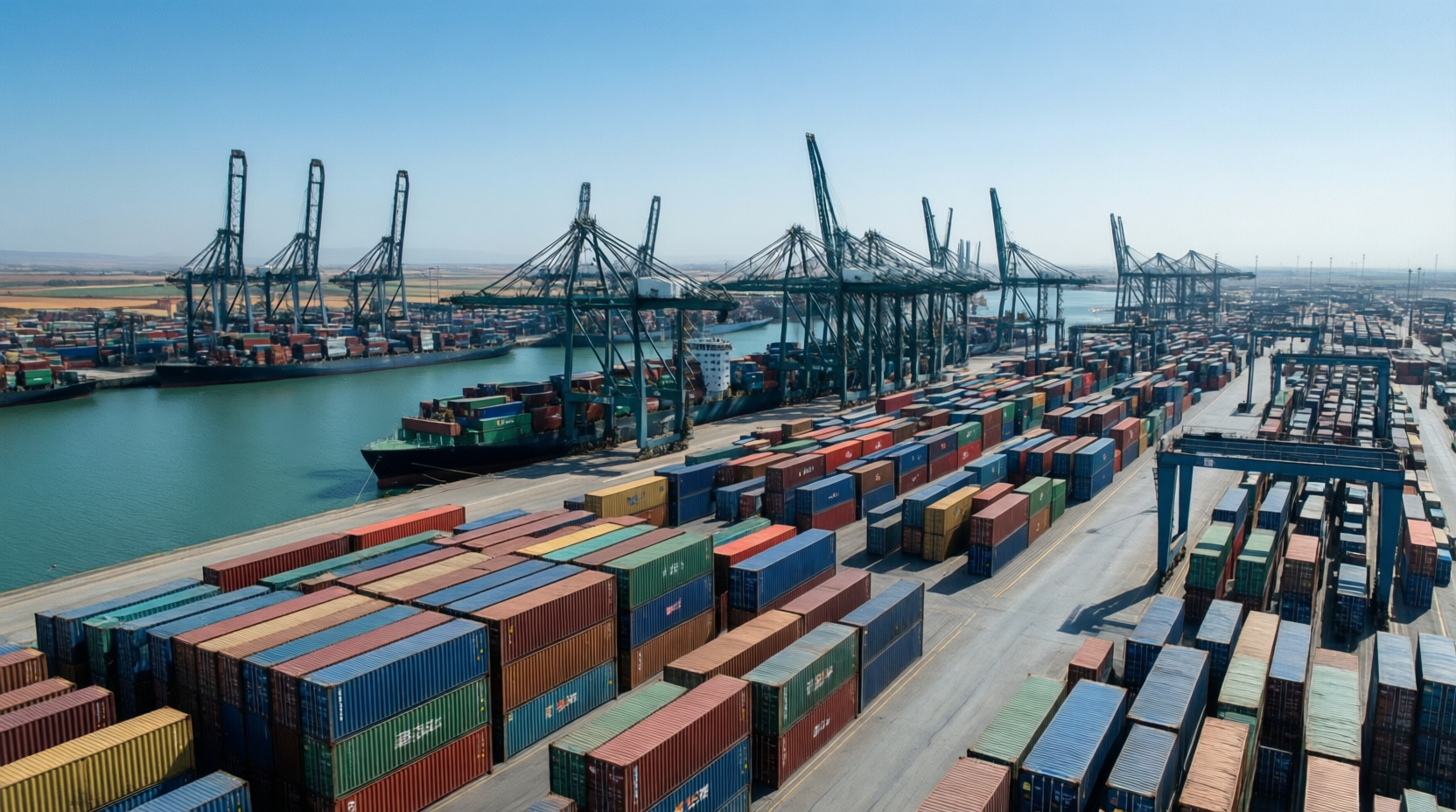
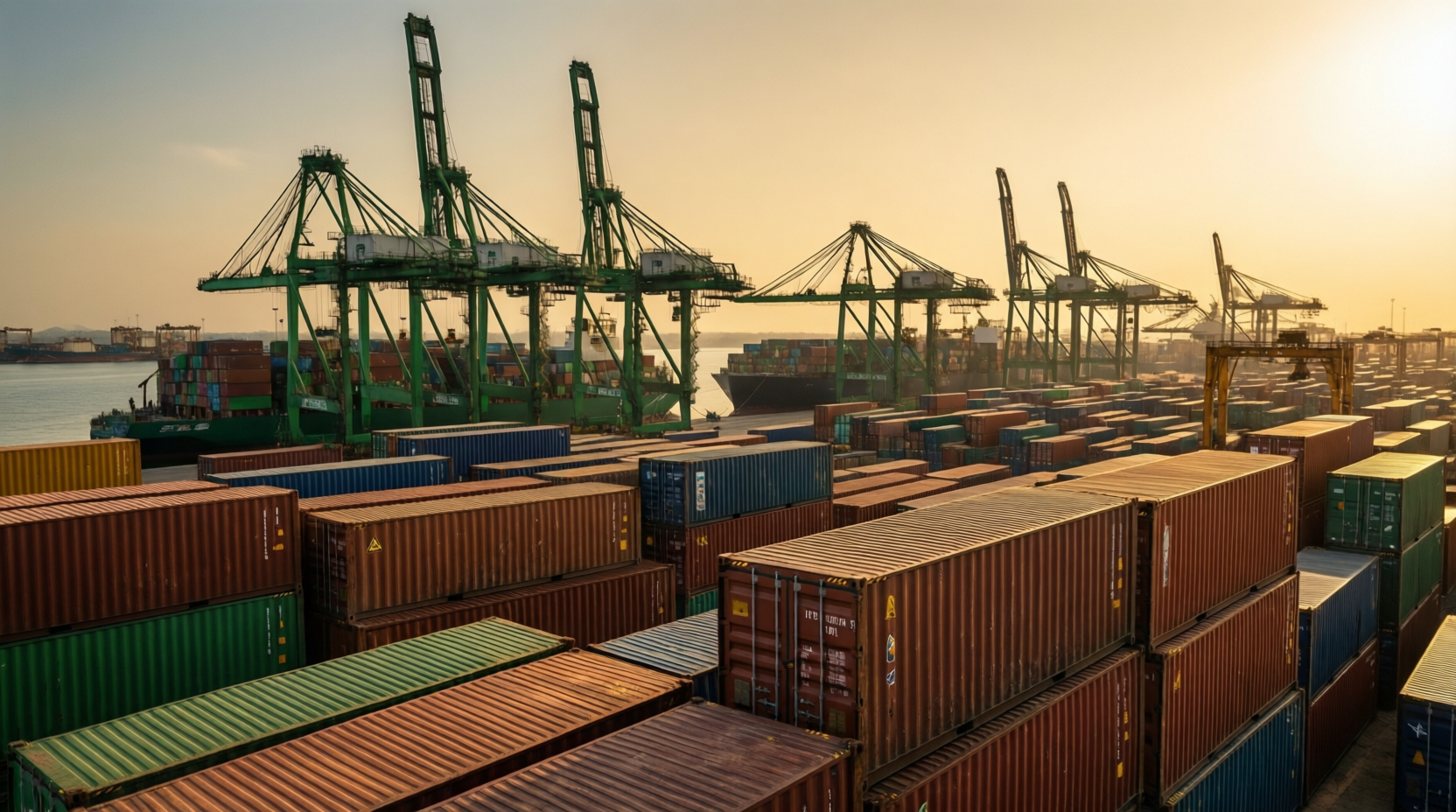
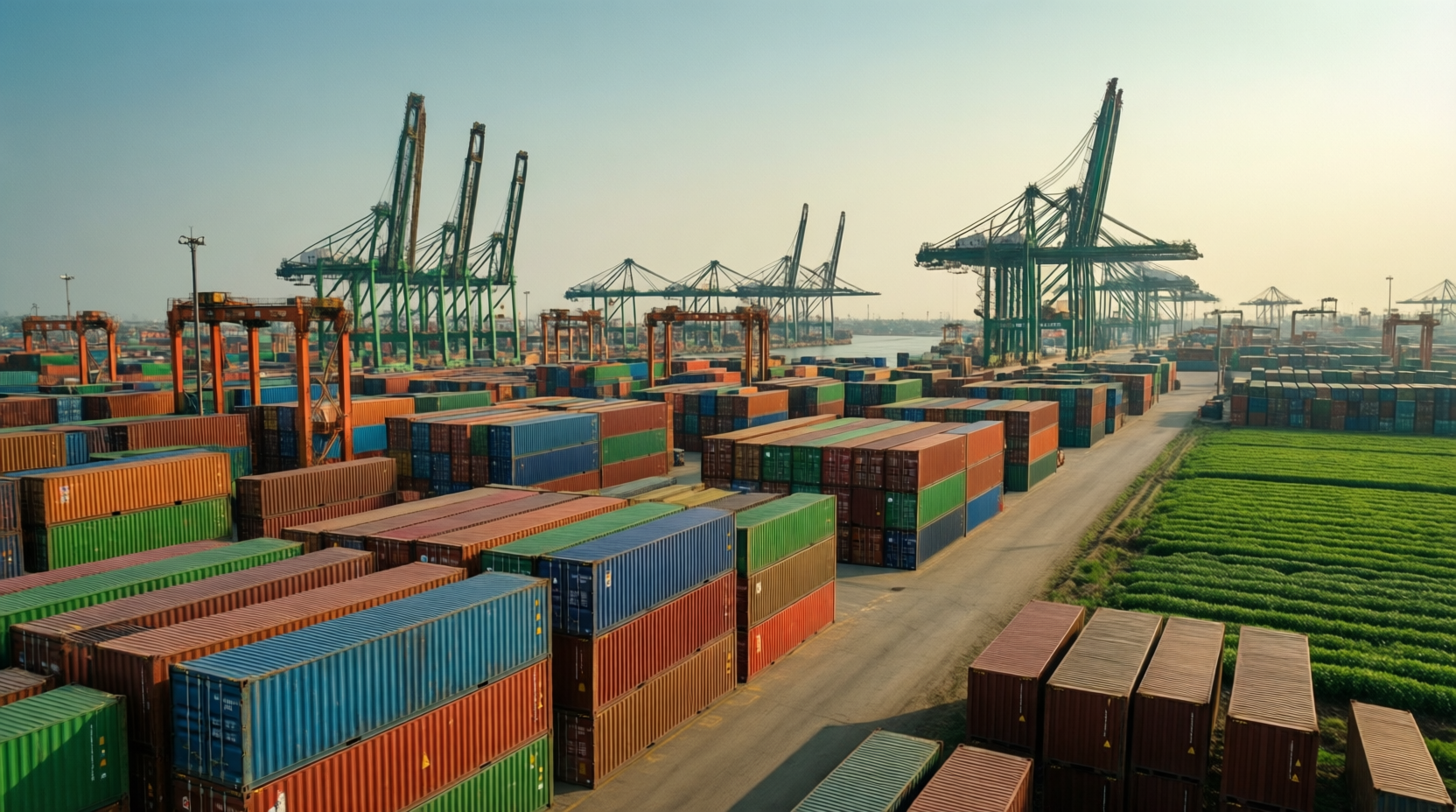
India’s agro export surge benefits from improved logistics and competitive freight rates, yet faces challenges from monsoon disruptions affecting drying and storage, especially for raisins and certain cereals. Exporters are optimizing supply chains, leveraging government schemes, and aligning harvest cycles to maintain steady shipments.
How is demand evolving in key markets for Indian agro commodities through 2026-27?
Demand in Asia for Indian maize is rising due to competitive pricing and production shifts, while UK market access expands under CETA. Despite global uncertainties, Indian agri commodities have maintained steady interest, with buyers responding positively to quality and diversified offerings.
What are exporters advised to focus on amid these changing export conditions?
- Leveraging new free trade agreements, like India-UK CETA, to access premium markets.
- Investing in quality compliance and certifications to meet evolved buyer expectations.
- Adapting product portfolios to include more processed and value-added agro goods.
- Monitoring geopolitical developments impacting global commodity flows to anticipate shifts.
- Strengthening intra-Asia supply chain collaborations for timely deliveries.
"India’s $1 trillion export ambition is not just a number—it’s a transformative force reshaping how agro commodities are produced, priced, and traded on the global stage."
Pro Tip
For agro exporters, capitalizing on this export surge means staying agile—aligning production with demand forecasts, leveraging new trade pacts, and navigating shifting global trade policies effectively.
Key takeaways
- India’s $1 trillion export goal is driving increased production and export volumes in key agro commodities like maize and rice.
- The India-UK Comprehensive Economic and Trade Agreement (CETA) offers nearly duty-free market access, boosting Indian agro export competitiveness.
- Rising export prices reflect tighter supplies and favorable demand, influenced by government policies and monsoon effects.
- Global trends, including African raw commodity export bans, are reshaping demand and present new opportunities for Indian exporters.
Frequently asked questions
What is India’s export target for 2026-27 and its significance?
India aims to achieve $1 trillion in exports for fiscal year 2026-27, a landmark goal that is expected to drive growth across multiple sectors, including agriculture, by expanding production, improving competitiveness, and accessing new markets.
How does the India-UK CETA affect Indian agro exporters?
Implemented in July 2026, the India-UK Comprehensive Economic and Trade Agreement provides nearly 99% duty-free access for Indian exports to the UK, significantly lowering trade costs and encouraging higher export volumes of agro commodities.
Which agro commodities are seeing the most impact from increased export demand?
Maize and rice are leading the surge in export volumes and pricing adjustments, backed by record production and government policies targeting export competitiveness in 2026-27.
How do African export bans on raw commodities influence Indian agro exports?
Bans on raw cocoa and rubber exports by African countries reduce global raw material supplies, prompting Indian exporters to explore processed goods and fill market gaps, thereby adjusting export strategies and diversifying product offerings.
What logistical challenges might Indian agro exporters face with increased exports?
Challenges include monsoon-related disruptions to harvest and drying processes and the need to optimize freight and supply chains to ensure timely delivery. Exporters are leveraging improved logistics and government support to address these issues.
- Written and reviewed by our in-house trade experts — not AI-generated filler.
- Market figures come from live platform data across thousands of verified trades.
- Every buyer and supplier on The Trade Union is identity- and document-verified.
- Guides are updated as regulations and market conditions change.