On this page
- How has the India-UAE CEPA reduced agricultural export tariffs?
- What trade facilitation measures under CEPA aid Indian agro-exporters?
- Can you give examples of agricultural exports benefiting from these changes?
- How is sea freight shaping fruit exports under the India-UAE CEPA?
- What challenges should exporters still be aware of?
- How does India-UAE CEPA compare with other trade agreements for agro-exports?
- What role does APEDA play in this growing agro-export landscape?
- Key takeaways
- FAQ
In 2026, the Comprehensive Economic Partnership Agreement (CEPA) between India and the UAE has begun transforming agricultural trade by slashing tariffs and easing regulatory barriers. This evolving landscape is opening new avenues for Indian agro-exporters, with organic apricots from Ladakh and Uttar Pradesh mangoes shipped by sea exemplifying strengthened market access and competitive advantage in the UAE.
How has the India-UAE CEPA reduced agricultural export tariffs?
The India-UAE CEPA introduced phased tariff reductions on a broad range of agricultural commodities, including fruits, spices, and organic products. For many key exports like apricots and mangoes, tariffs have been cut from rates as high as 10-15% to near zero or minimal levels, significantly lowering the cost burden for Indian exporters and improving price competitiveness in the UAE market.
What trade facilitation measures under CEPA aid Indian agro-exporters?
Beyond tariff cuts, the CEPA framework emphasizes streamlined customs procedures, mutual recognition of sanitary and phytosanitary standards, and improved cargo clearance times. These measures reduce delays and non-tariff barriers, enabling fresher and faster delivery of perishable goods like organic fruits, thereby boosting exporters’ reliability and reputation in the UAE.
Can you give examples of agricultural exports benefiting from these changes?
- India’s first ever export of 5 metric tonnes of organic apricots from Ladakh to the UAE, facilitated by APEDA certification and CEPA tariff advantages.
- Sea freight export of 12.5 tonnes of premium Dashehari and Langra mangoes from Uttar Pradesh to Dubai, showcasing cost-effective and reliable shipping enabled by CEPA trade facilitation.
- Enhanced opportunities for organic and niche Indian agricultural products due to easier entry conditions and tariff incentives.
How is sea freight shaping fruit exports under the India-UAE CEPA?
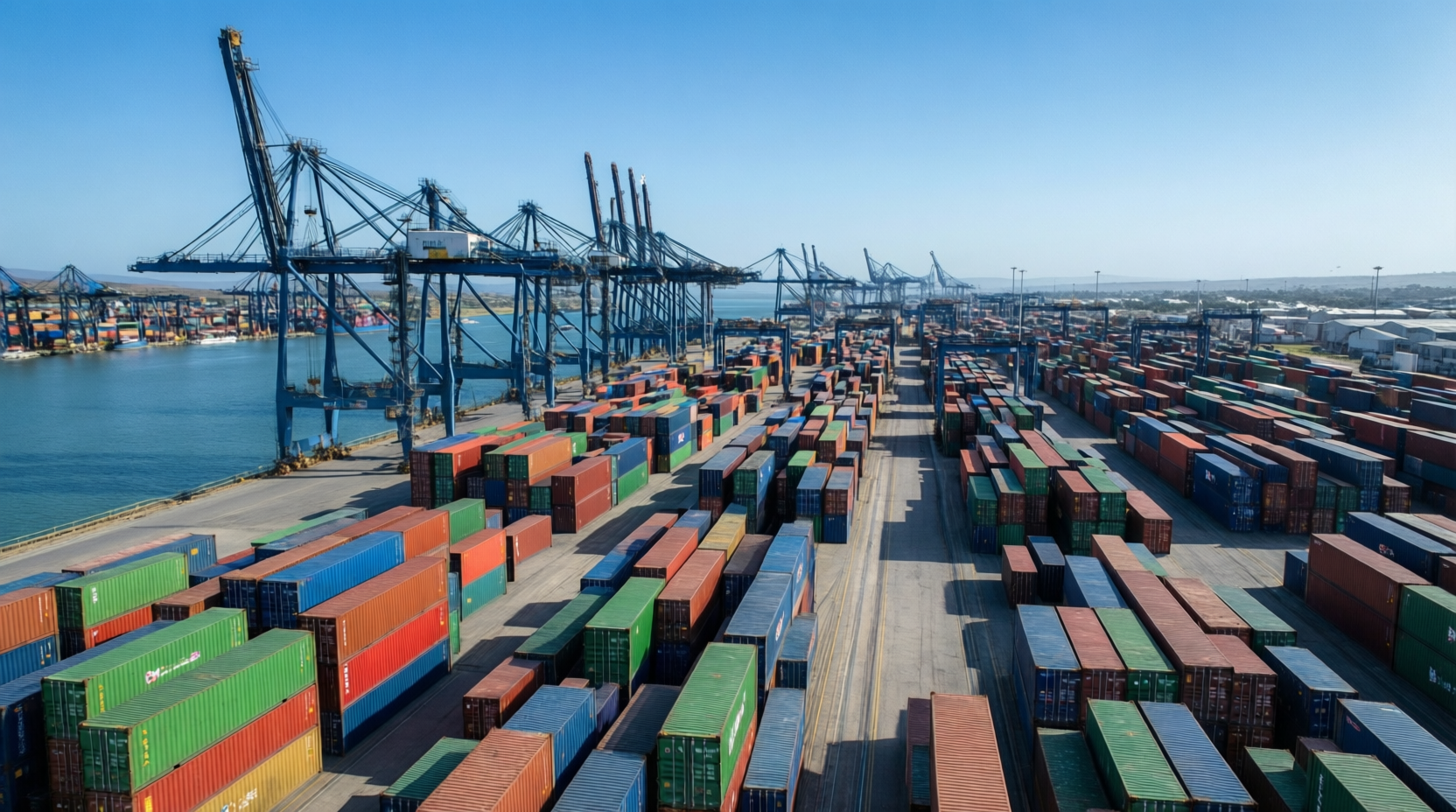
Sea freight has emerged as a viable logistics solution due to better trade facilitation and reduced customs clearance times. Indian exporters successfully shipped over 12 tonnes of mangoes from Uttar Pradesh to Dubai, a development that highlights how CEPA encourages cost-efficient and scalable transportation modes, making exports more competitive on price and volume.
What challenges should exporters still be aware of?
Despite the CEPA advantages, exporters must ensure strict compliance with UAE’s quality and phytosanitary regulations. Organic certification standards must be met, and exporters should maintain documentation accuracy to fully leverage tariff benefits. Logistics coordination remains critical to prevent spoilage of perishable goods like apricots and mangoes during transit.
How does India-UAE CEPA compare with other trade agreements for agro-exports?
Similar to the India-UK CETA, the India-UAE CEPA offers preferential access through tariff cuts and regulatory harmonization. However, the CEPA uniquely facilitates access to the UAE’s growing organic food market and leverages regional proximity to South Asia and Africa as a re-export hub, positioning Indian exporters advantageously in Middle Eastern markets.
What role does APEDA play in this growing agro-export landscape?
The Agricultural and Processed Food Products Export Development Authority (APEDA) supports exporters by providing certification, quality assurance, and export promotion services. Its facilitation was crucial in enabling Ladakh’s first organic apricot shipment and continues to guide exporters on compliance and market entry requirements under the CEPA framework.
“India-UAE CEPA is not just a tariff-cutting measure; it’s a catalyst for agro-export growth, opening doors for organic and niche products to new lucrative markets.” — Rohan Mehta, Agro-Export Analyst
Key strategic advice
Exporters looking to capitalize on the India-UAE CEPA should focus on aligning with the UAE’s organic and quality standards, optimize sea freight logistics, and collaborate with APEDA for certification and market intelligence to maximize benefits.
Key takeaways
- India-UAE CEPA has substantially cut tariffs on key agricultural exports, enhancing price competitiveness in the UAE.
- Trade facilitation measures reduce customs delays, improving freshness and reliability of perishable Indian exports like apricots and mangoes.
- Sea freight exports of premium Indian mangoes to the UAE demonstrate cost-effective trade enabled by CEPA provisions.
- APEDA plays a pivotal role in certification and export support, aiding Indian agro-producers in leveraging CEPA benefits.
Frequently asked questions
What tariffs were reduced under India-UAE CEPA for agricultural products?
The CEPA reduced tariffs from up to 15% to near zero on many key Indian agricultural exports, including fruits like apricots and mangoes, making them more price competitive in the UAE.
How does CEPA improve trade facilitation for exporters?
It streamlines customs clearance, harmonizes sanitary and phytosanitary standards, and accelerates cargo processing, which helps Indian exporters deliver fresher products faster.
Which Indian agricultural exports have benefited from the CEPA so far?
Notably, organic apricots from Ladakh and sea freight shipments of Dashehari and Langra mangoes from Uttar Pradesh have benefited from tariff cuts and improved trade processes.
Can sea freight be effectively used for Indian mango exports to the UAE?
Yes, recent exports of over 12 tonnes via sea freight to Dubai demonstrate that CEPA-facilitated logistics make sea shipments viable, cost-effective, and scalable for perishable fruits.
What role does APEDA have in supporting agro-exports under CEPA?
APEDA provides certification, quality assurance, and market linkage support, helping exporters meet UAE standards and leverage tariff advantages offered by CEPA.
- Written and reviewed by our in-house trade experts — not AI-generated filler.
- Market figures come from live platform data across thousands of verified trades.
- Every buyer and supplier on The Trade Union is identity- and document-verified.
- Guides are updated as regulations and market conditions change.