On this page
- What factors prompted India to diversify its agricultural exports beyond rice?
- Which new agricultural products have gained prominence in India's export basket?
- How did India identify and develop alternative export markets?
- What steps did exporters take to ensure successful market entry and growth?
- What role did policy and trade agreements play in this diversification?
- How are these diversification strategies impacting farmers and exporters in India?
- Key takeaways
- FAQ
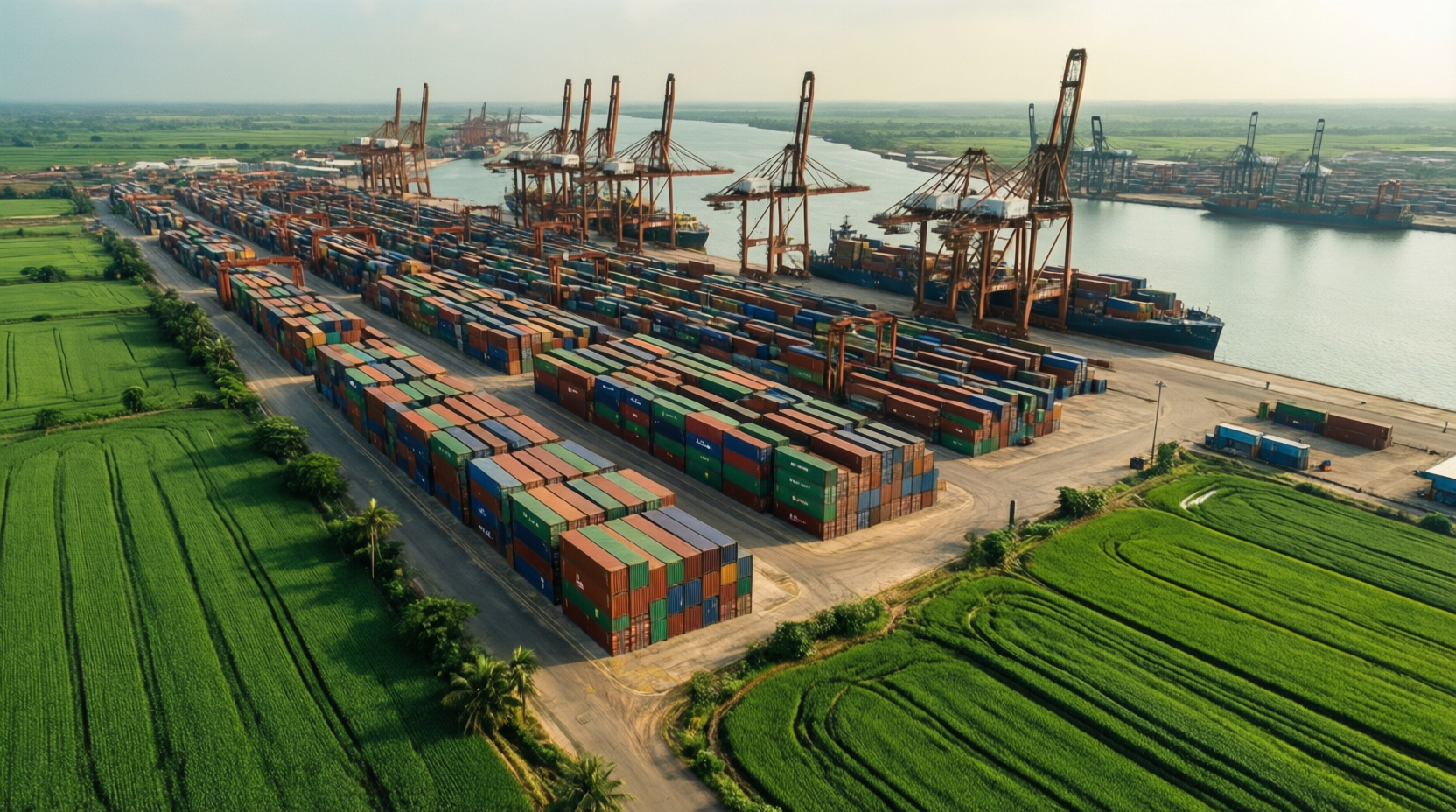
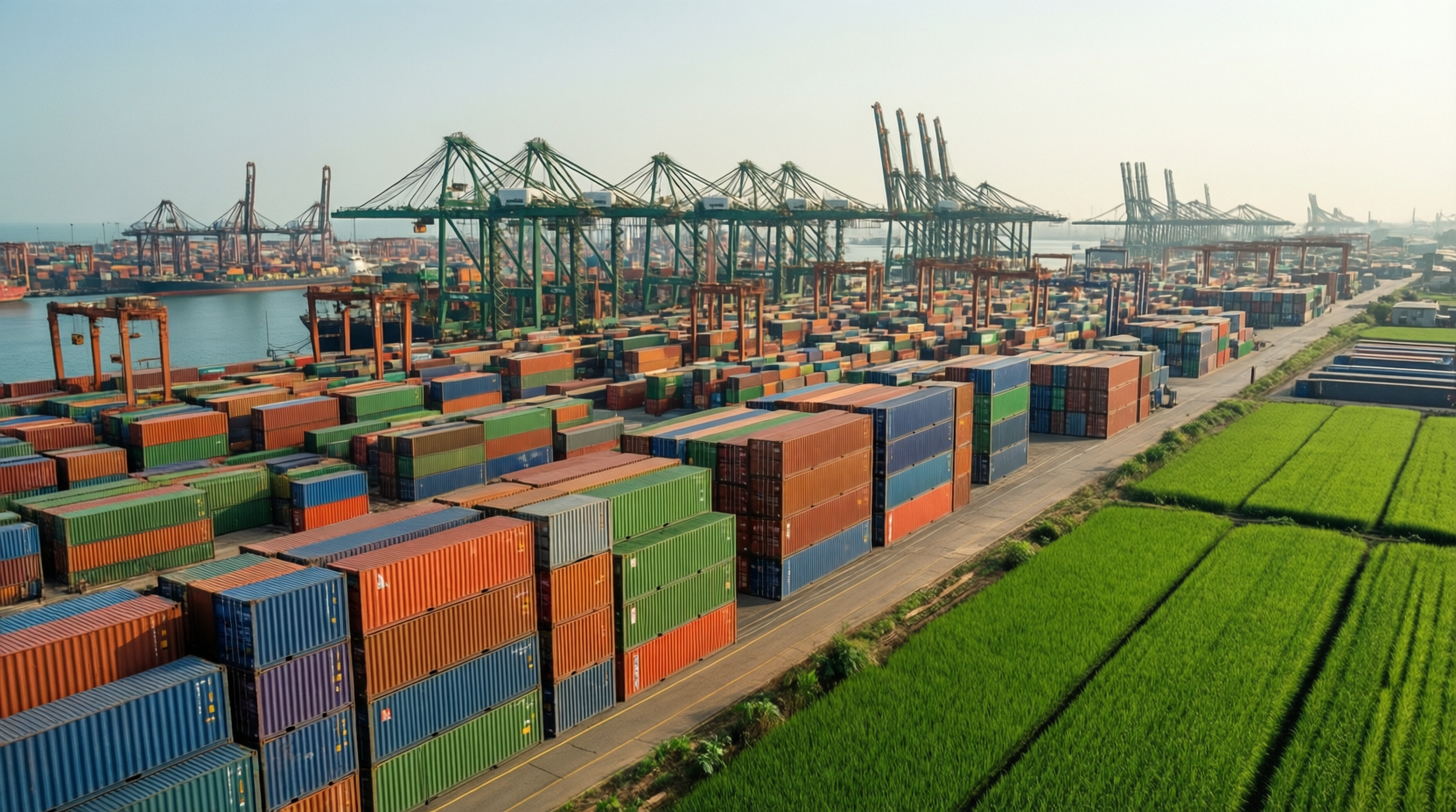
India's agricultural export sector showed remarkable resilience in 2025-26, overcoming a notable decline in rice exports due to geopolitical tensions. This success stems from an effective diversification strategy focusing on expanding product lines and exploring alternative markets like the UAE and Malaysia. This blog explores the step-by-step approaches Indian exporters are using to pivot beyond rice and strengthen their global presence.
What factors prompted India to diversify its agricultural exports beyond rice?
India faced a 7.5% decline in rice exports amid geopolitical tensions disrupting traditional trade routes and demand patterns. To mitigate risks from over-dependence on rice and stabilize export revenues, policymakers and exporters targeted alternative products such as fresh fruits, vegetables, pulses, and processed foods. The focus also shifted towards emerging markets with high demand potential, including the UAE, Iraq, Malaysia, and the Netherlands.
Which new agricultural products have gained prominence in India's export basket?
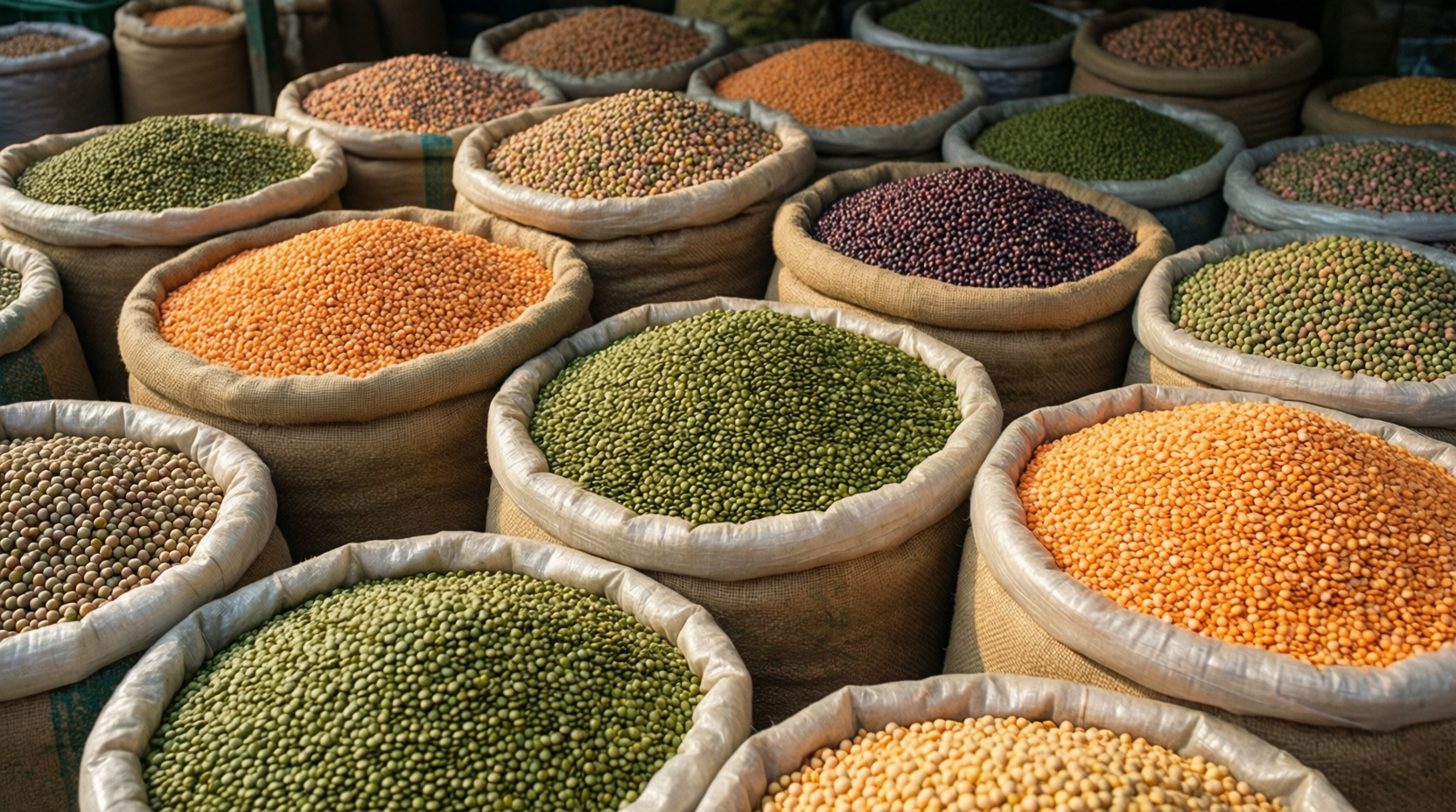
Key non-rice products driving export growth include grapes, pomegranates, mangoes, bananas, oranges, onions, tomatoes, potatoes, green chillies, and mixed vegetables. Pulses and plantation products also saw robust demand. Additionally, fresh litchis from Punjab were exported to Oman for the first time, a milestone leveraged through the India-Oman CEPA agreement that complements diversification efforts.
How did India identify and develop alternative export markets?
Indian exporters and government agencies conducted market research to identify countries with growing demand for Indian agricultural products but lower exposure to geopolitical disruptions. Strategic trade agreements like CEPA with Oman helped unlock niche markets. Targeting the UAE, Iraq, Malaysia, the Netherlands, and Bangladesh allowed Indian exporters to distribute risks across multiple geographies while meeting diverse consumer preferences.
What steps did exporters take to ensure successful market entry and growth?
- Enhancing quality standards and certifications to meet international requirements.
- Upgrading supply chains and cold storage infrastructure to preserve freshness during transit.
- Collaborating with government export promotion councils for market intelligence and logistics support.
- Participating in international food exhibitions and establishing trade partnerships.
- Adapting packaging and branding to suit local market tastes and regulatory norms.
What role did policy and trade agreements play in this diversification?
Trade agreements like the India-Oman Comprehensive Economic Partnership Agreement directly facilitated exports like fresh litchis by reducing tariffs and simplifying customs processes. Government incentives for export-oriented units and investment in agro-processing further supported diversification. These policy frameworks ensured exporters had a conducive environment to explore and sustain new markets.
How are these diversification strategies impacting farmers and exporters in India?
Diversification has broadened income sources for farmers cultivating alternative crops such as fruits and vegetables, reducing their vulnerability to single-crop market shocks. Exporters benefit from a wider product portfolio and larger customer base, enhancing competitiveness. The litchi export to Oman, for example, promises higher farmer income and India's growing share in global fruit markets.
"Diversifying our export portfolio beyond rice has opened new horizons for Indian agriculture, strengthening farmer livelihoods and reinforcing our global trade resilience." - Piyush Goyal, Minister of Commerce and Industry
Callout
India’s proactive approach to agricultural export diversification illustrates how emerging economies can adapt to geopolitical challenges by innovating product lines and pursuing untapped markets, setting a benchmark for sustainable export growth.
Key takeaways
- India offset a 7.5% decline in rice exports by expanding fruits, vegetables, pulses, and processed foods.
- New target markets include the UAE, Malaysia, Iraq, the Netherlands, and Bangladesh, reducing geographic risks.
- Trade agreements such as the India-Oman CEPA have enabled new product exports like fresh litchis.
- Exporters improved quality standards, supply chains, and market-specific strategies for successful diversification.
Frequently asked questions
Why is India diversifying agricultural exports beyond rice?
India is diversifying due to a decline in rice exports caused by geopolitical tensions, aiming to stabilize export revenues and reduce reliance on a single crop.
Which products are driving India's diversified agricultural exports?
Fruits like grapes, mangoes, pomegranates, vegetables including tomatoes and chillies, pulses, and plantation products have gained prominence in exports.
Which new markets is India targeting for agricultural exports?
Emerging export markets include the UAE, Malaysia, Iraq, the Netherlands, Bangladesh, and Oman, supported by trade agreements and market research.
How do trade agreements help India’s agricultural export diversification?
Agreements like the India-Oman CEPA reduce tariffs and simplify customs, facilitating new product exports and market access.
What measures do exporters take to succeed in new markets?
Exporters enhance quality compliance, upgrade logistics, partner with export councils, adapt packaging, and participate in international trade events.
- Written and reviewed by our in-house trade experts — not AI-generated filler.
- Market figures come from live platform data across thousands of verified trades.
- Every buyer and supplier on The Trade Union is identity- and document-verified.
- Guides are updated as regulations and market conditions change.