On this page
- Why is India’s corn export surging in 2026?
- Which countries are India’s top corn export destinations?
- How to export Indian corn to neighboring countries: Key steps
- What is the India corn export strategy for 2026?
- How do exporters handle corn export logistics from India to Vietnam and Nepal?
- What compliance steps are crucial for Indian corn exports?
- How can exporters optimize pricing and manage rising freight costs?
- Are there government reliefs or policies supporting corn exporters in 2026?
- Key takeaways
- FAQ
India’s corn exports have soared to their highest levels in three years, unlocking exciting prospects for agri-exporters eager to target growth markets like Vietnam and Nepal. With robust demand, easing logistics, and clear government support, now is the time to put the right export strategies in place to capture this momentum and grow your business.
Why is India’s corn export surging in 2026?
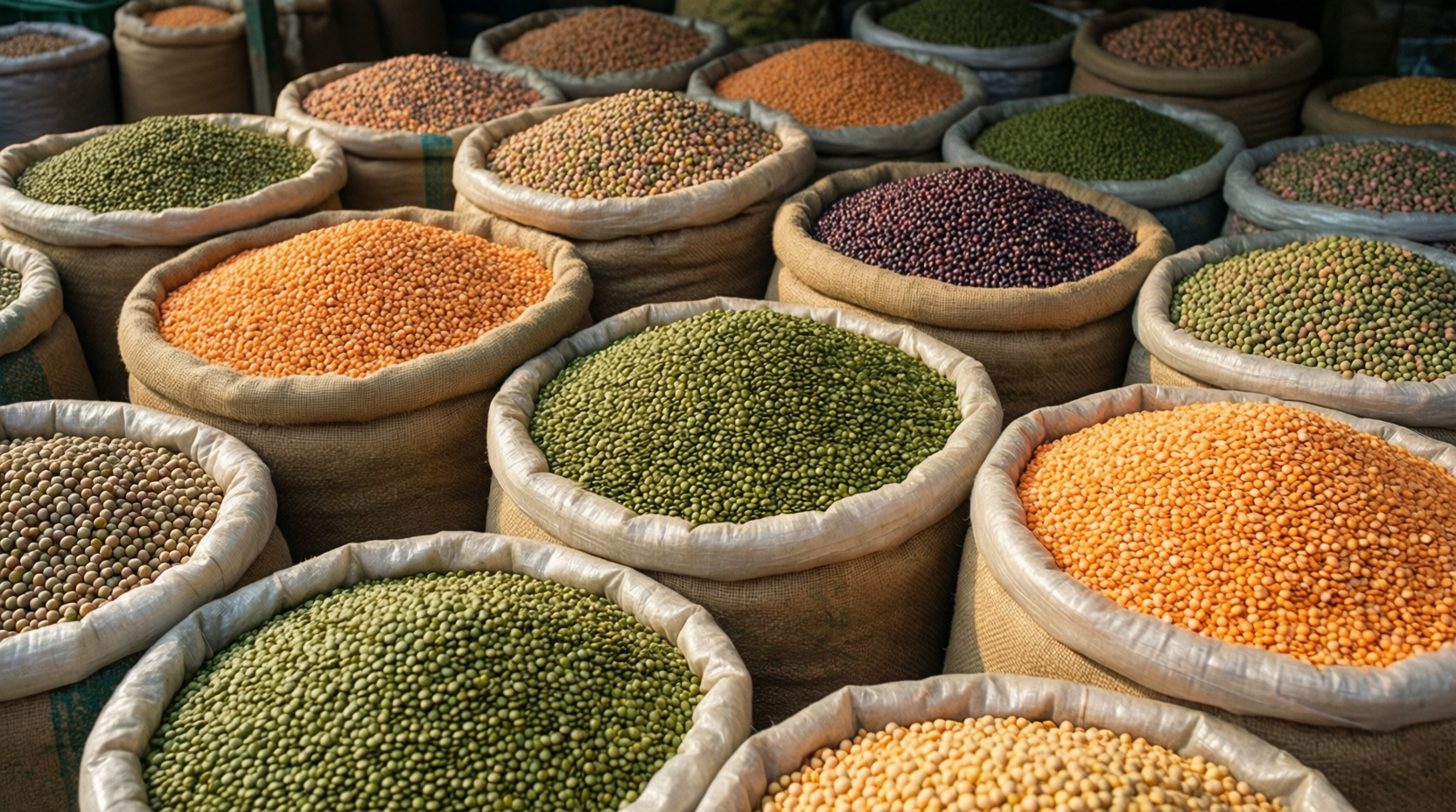
Driven by record domestic output and aggressive, competitive pricing, India shipped 1.08 million metric tons of corn in just the first five months of 2026—a nearly fivefold increase year-on-year. Abundant harvests and attractive pricing have made Indian corn highly appealing in regional markets facing their own supply gaps.
Which countries are India’s top corn export destinations?
- Vietnam: Consistently the main buyer due to demand for both feed and processed corn.
- Nepal: Growing imports, supplemented by steady, easy overland logistics.
- Bangladesh: Strong buyer amidst local feed industry expansion.
- Sri Lanka and Bhutan: Moderate but reliable demand for Indian corn.
How to export Indian corn to neighboring countries: Key steps
- 1Obtain an Importer Exporter Code (IEC) and FSSAI registration.
- 2Secure a phytosanitary certificate from APEDA or the Plant Protection authority.
- 3Engage with local agents or buyers in target countries like Vietnam and Nepal.
- 4Arrange compliant packing and transport (jute or bulk containers).
- 5Submit customs documents: invoice, packing list, bill of lading, and certificate of origin.
What is the India corn export strategy for 2026?
To succeed in this boom, focus on timely execution, leveraging competitive FOB pricing, and flexible contract terms. Build relationships with buyers in Vietnam and Nepal and differentiate your product with reliable supply, timely shipment, and adherence to their specific quality standards.
How do exporters handle corn export logistics from India to Vietnam and Nepal?
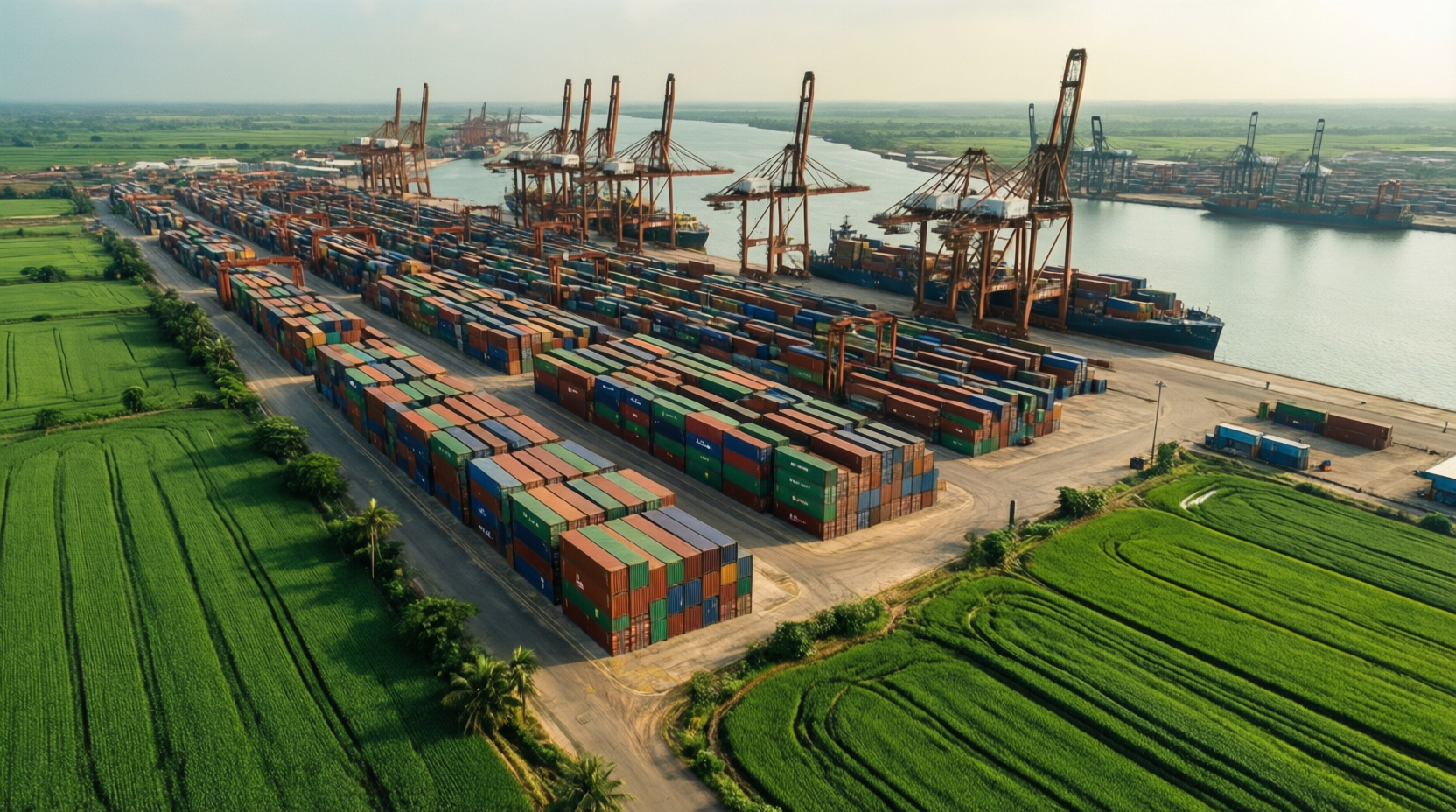
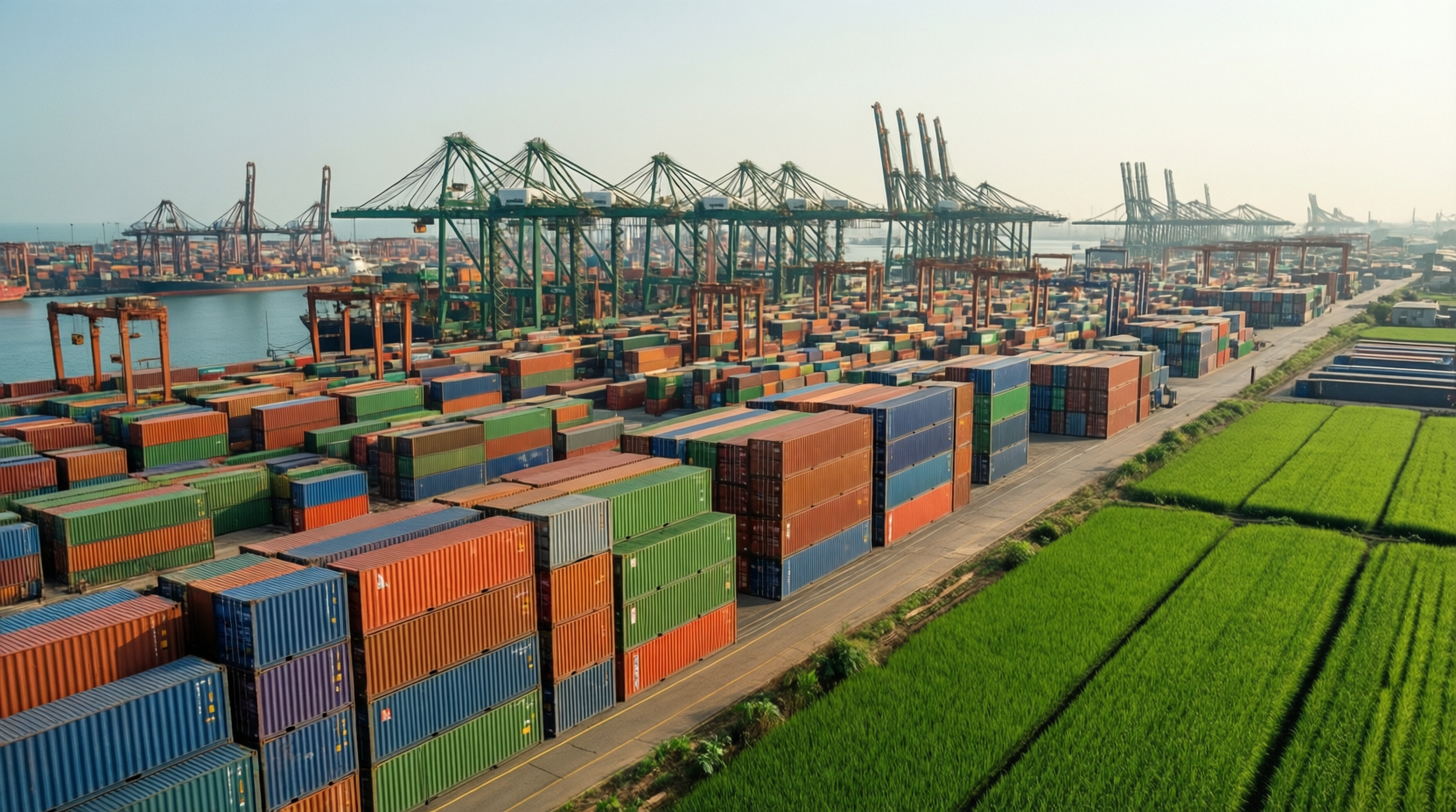
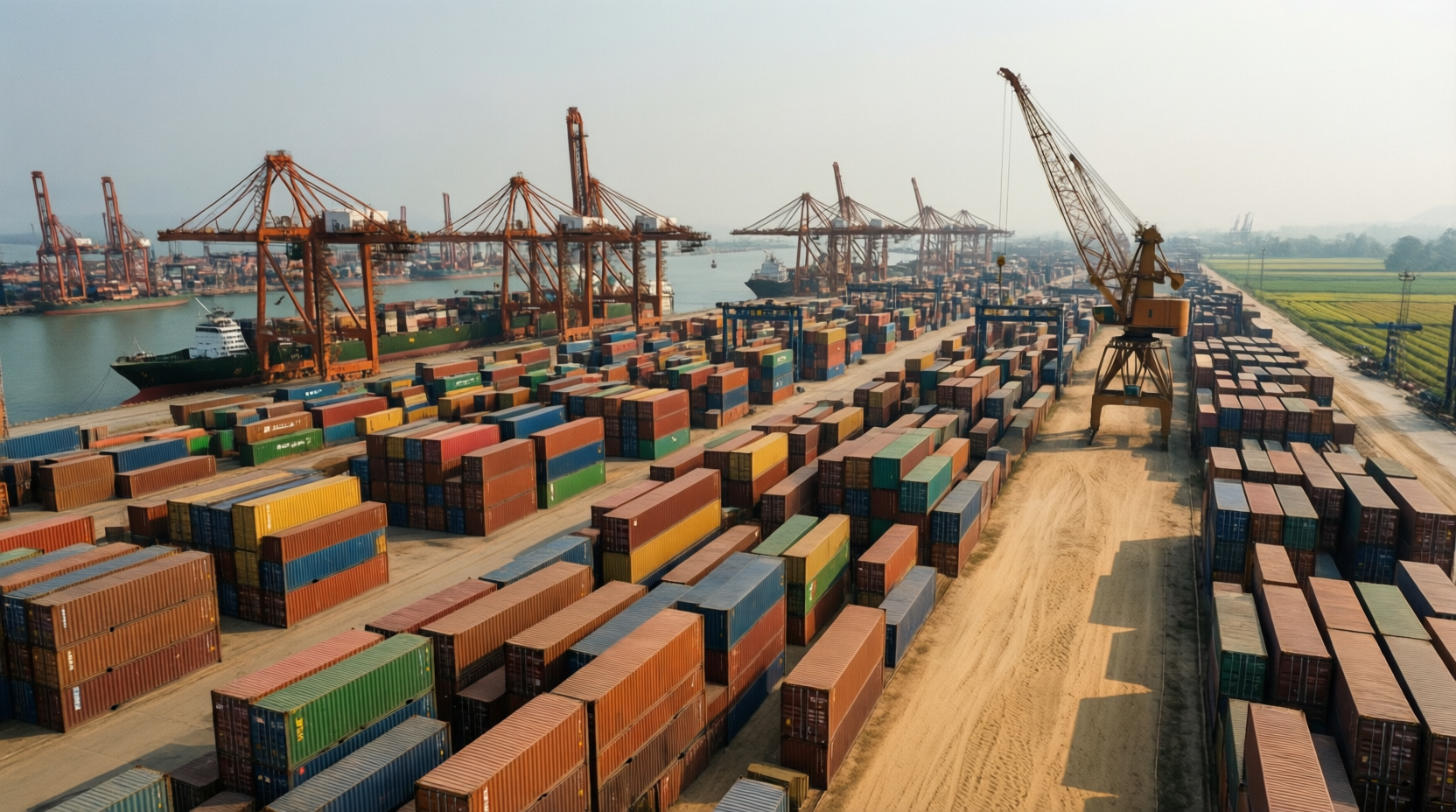
- For Vietnam: Ship via sea from major ports (e.g., JNPA, Kandla, Kolkata) using 20ft/40ft containers. Current rates: $2,700–4,500 (40ft) from Nhava Sheva to international ports.
- For Nepal: Utilize overland routes from India via Raxaul–Birgunj or Jogbani–Biratnagar, supported by current Indo-Nepal trade agreements.
- Work with logistics partners familiar with grain handling and customs procedures at origin and destination.
What compliance steps are crucial for Indian corn exports?
- 1Phytosanitary certificate to meet plant health and pest-free requirements.
- 2Certificate of origin validating the Indian source.
- 3Quality control certificates if required by buyers (especially in Vietnam).
- 4Ensure invoices, packing lists, and other documentation match AOAC and destination country norms.
How can exporters optimize pricing and manage rising freight costs?
Negotiate forward contracts during periods of lower freight rates to secure stable pricing. Use bulk shipments to optimize cost-per-ton. Factor in fluctuating spot rates—like the recent Drewry World Container Index surge—to avoid margin shocks.
“With Indian corn exports reaching multi-year highs and Vietnam leading as a buyer, exporters focused on quick execution and clean documentation can capture lasting market share.”
Are there government reliefs or policies supporting corn exporters in 2026?
India’s ₹497‑crore relief package helps exporters manage risks from global disruptions, including credit insurance protection. Stay updated via APEDA and DGFT circulars for additional support and scheme eligibility.
Get custom corn export strategies, buyer leads, and regulatory checklists on The Trade Union platform to maximize every shipment.
Key takeaways
- India’s corn exports are on track for a three-year high in 2026, particularly to Vietnam and Nepal.
- Efficient compliance (phytosanitary, origin, quality certificates) is essential for accessing key markets.
- Sea and overland logistics are improving, but exporters must actively manage container and freight costs.
- Government support schemes and relief packages are available to mitigate global trade risks.
Frequently asked questions
How do I export Indian corn to Vietnam in 2026?
Obtain the necessary export registrations (IEC, FSSAI), secure phytosanitary certification, fulfill buyer quality specs, and ship via major Indian ports using containers.
What key compliance steps are needed for exporting corn from India?
You need a phytosanitary certificate, certificate of origin, and all customs paperwork that aligns with both Indian and destination country regulations.
How can I manage freight costs when shipping corn from India?
Use bulk container shipments, negotiate rates ahead of spot price surges, and work with logistics partners well-versed in agri-exports.
What government relief is available for agri-exporters in 2026?
A ₹497-crore relief package offers credit risk insurance and support for exporters facing global disruptions as of 2026.
Which are the fastest-growing markets for Indian corn exports?
Vietnam and Nepal are the lead growth markets in 2026, supported by favorable logistics and robust buyer demand.
- Written and reviewed by our in-house trade experts — not AI-generated filler.
- Market figures come from live platform data across thousands of verified trades.
- Every buyer and supplier on The Trade Union is identity- and document-verified.
- Guides are updated as regulations and market conditions change.