On this page
Beginning 1 October 2026, India’s new unified FEMA regulations will overhaul export compliance standards. For agri-exporters, updated documentation and stricter timelines demand immediate action to stay ahead—get clear on what’s changing and what to do now.
FEMA 2026: India’s Export-Import Regulations Explained
Set to go into effect on 1 October 2026, the Reserve Bank of India’s (RBI) new unified Foreign Exchange Management Act (FEMA) regulations streamline the compliance framework for the export and import of goods, services, and software. The goal: to simplify procedures, reduce discrepancies, and increase clarity for both businesses and banks.
What’s New: Key Changes for Export Compliance in 2026
- EDF (Export Declaration Form) filing for goods must now be completed at the time of shipment, not post-shipment as before.
- For services, filing must be done within 30 days of invoice generation, enhancing tracking discipline.
- Banks are empowered with greater discretion in compliance management, but exporters will face tighter realization timelines.
- Standardized documentation and e-filing requirements for both goods and services—a move towards digital-first compliance.
The unification means agri exporters must carefully align their operations with these new RBI regulations on export timelines for 2026. Realization periods will be more rigorously enforced, and delayed filings could result in penalties or shipment blockages.
Action Points for Indian Agri Businesses
- Update your export SOPs to ensure EDFs for physical goods are filed before or during cargo loading.
- For agri service exports (e.g., consultancy, research), make sure documentation and export proceeds reporting occurs within 30 days after invoicing.
- Collaborate with your banking partners—confirm their new documentation requirements and digital integration timelines.
- Audit your export documentation process for gaps; automation tools can help lower risk and improve compliance speed.
- Review supply contracts—tighten payment timelines and shipment milestones to minimize risk of realization delays.
Spotlight: Agri Commodities on the Rise, Compliance More Critical Than Ever
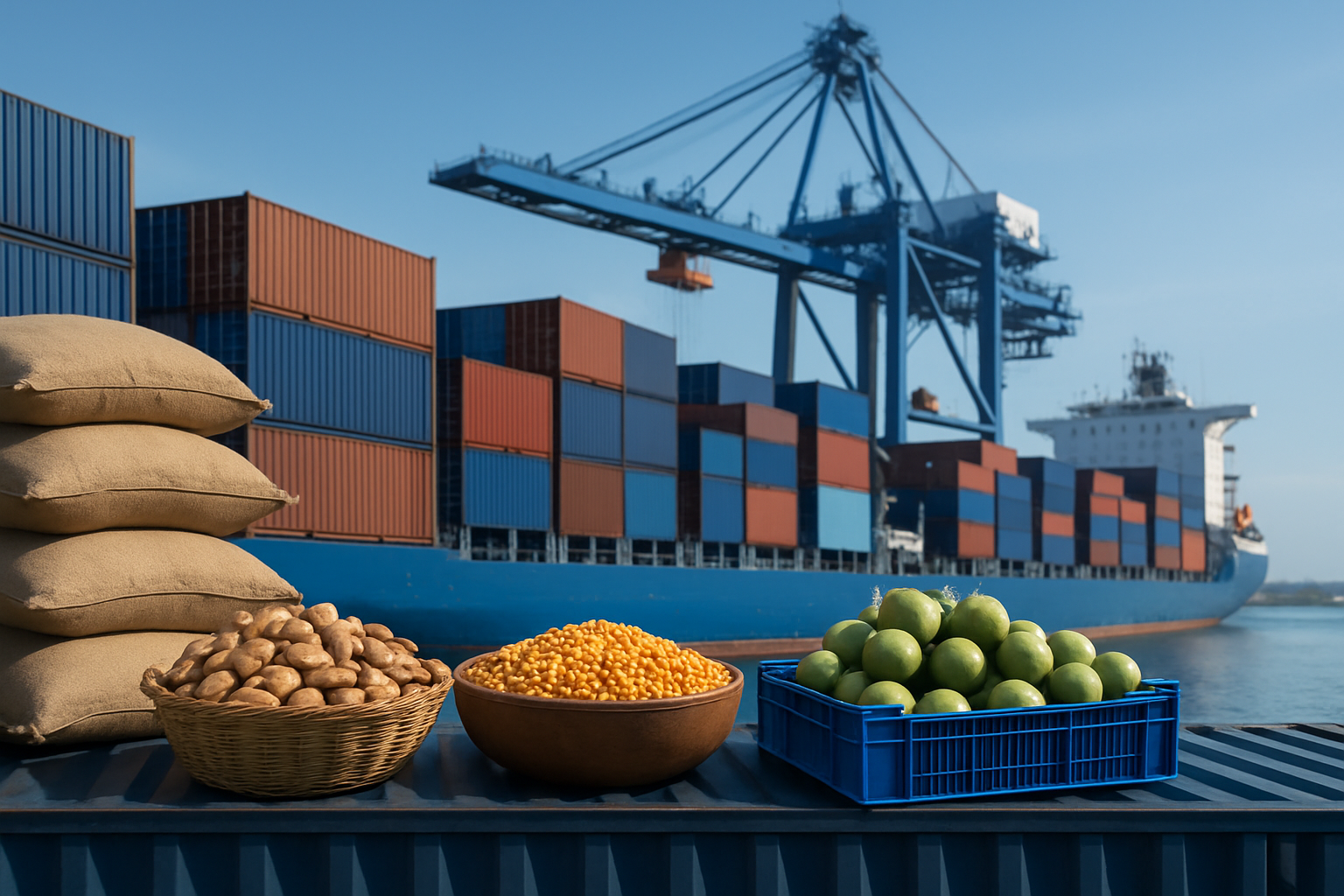
With non-basmati rice exports surging to Africa and substantial price rallies in oilseed and spice markets, the stakes for compliance have never been higher. Exporters dealing in high-demand crops like soybean, turmeric, and rice must be meticulous: documentation errors could mean costly shipment delays or regulatory penalties just when market opportunity peaks.
“Standardizing export filing regimes across goods and services is RBI’s response to India’s fast-evolving agriculture trade environment. Timely compliance is now a competitive advantage.”
Documentation Deep-Dive: FEMA EDF Filing Requirements Export Guide
- Goods: Submit the EDF at the time of shipment. Electronic filing will become the norm (coordinate with customs digital systems).
- Services: File the required details within 30 days post-invoicing, using standardized e-forms as notified by RBI.
- Certificates of Origin: Many FTAs, like India-Oman CEPA, are already moving to digital workflows. Stay updated on which commodities and corridors require new templates.
- Bank Compliance: Expect increased oversight from your bank on KYC, IEC, and realization proof—especially with NPCI-integrated updates.
Exporters can expect banks to play a bigger role in overseeing the quality and timeliness of submissions. Reviewing all relevant RBI and DGFT circulars before October is crucial.
Stay FEMA 2026-ready with Trade Leaf: Our compliance tools instantly update your documentation templates and track deadline alerts. Connect with our regulatory experts for tailored onboarding.
Common Pitfalls and Pro Tips for 2026-readiness
- Don’t wait for banks to notify the changes—review RBI/govt notifications proactively.
- Create a FEMA 2026 checklist to monitor compliance milestones per shipment/service contract.
- Leverage e-certification for Certificates of Origin and other trade documents where available.
- Stay close to trade associations and export councils, as many will be issuing advisories and new templates in the coming months.
Final Thought: Regulatory Discipline as Your Edge
India’s new FEMA regime won’t just streamline compliance—it will sort proactive exporters from the rest. For agri businesses, the message is clear: start adapting your processes, digitize what you can, and embed the new compliance culture before October 2026.
- Written and reviewed by our in-house trade experts — not AI-generated filler.
- Market figures come from live platform data across thousands of verified trades.
- Every buyer and supplier on The Trade Union is identity- and document-verified.
- Guides are updated as regulations and market conditions change.