On this page
- What opportunities does the India-UK CETA open for Indian MSMEs?
- Which Indian agro-products stand to gain the most?
- How can MSMEs ensure compliance with origin rules and certification?
- What procedural steps should MSMEs take to access the UK market?
- How can MSMEs leverage government support for export expansion?
- What competitive challenges do Indian MSMEs face in the UK market?
- Can MSMEs tap into niche and value-added product segments under the CETA?
- What role do trade fairs and B2B platforms play in market entry?
- Key takeaways
- FAQ
With the India-UK Comprehensive Economic and Trade Agreement (CETA) now active, Indian Micro, Small and Medium Enterprises (MSMEs) have a gateway to the lucrative UK market. This guide unpacks how MSMEs, especially in agro-export sectors, can tap into preferential trade benefits, meet procedural requirements, and seize new opportunities like spices and food processing exports.
What opportunities does the India-UK CETA open for Indian MSMEs?
The India-UK CETA removes or reduces tariffs on a broad range of Indian exports, prominently benefiting sectors such as agriculture, spices, seafood, textiles, and engineering goods. For MSMEs, this preferential market access translates into stronger price competitiveness and easier entry to the UK, which imported $140 million worth of Indian products on the agreement’s first day, including gems, pharmaceuticals, and electronics.
Which Indian agro-products stand to gain the most?
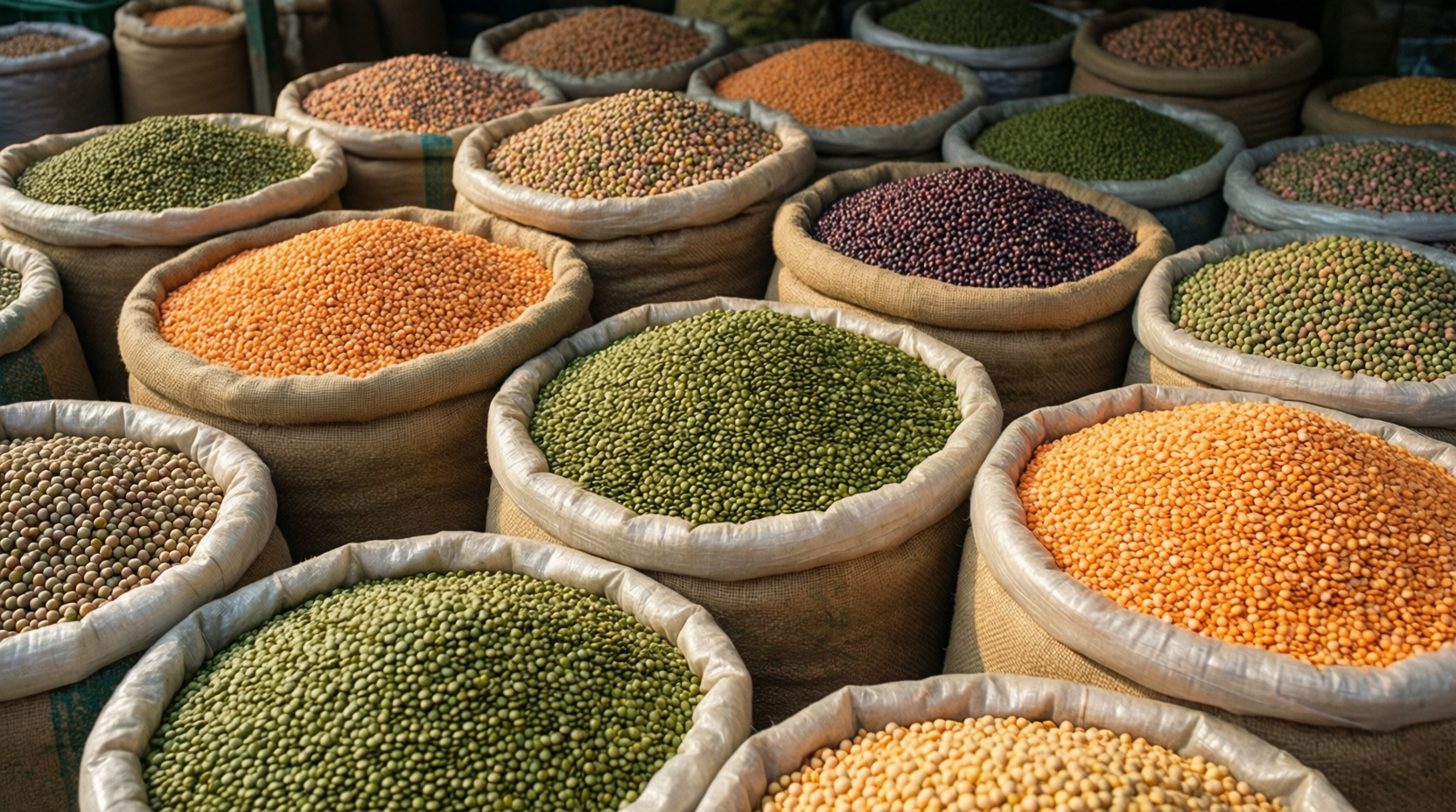
Agro-exports including spices, processed foods, maize, and seafood are well positioned. Kerala’s spices and value-added food items have seen initial successes. Additionally, India’s maize exports are reaching multiyear highs, which alongside spices and seafood, align with UK consumer demand for diverse and quality products under the CETA framework.
How can MSMEs ensure compliance with origin rules and certification?
To qualify for reduced tariffs, exporters must comply with Rules of Origin regulations. APEDA (Agricultural and Processed Food Products Export Development Authority) facilitates certification processes crucial for MSMEs. Obtaining a Certificate of Origin endorsed by APEDA confirms product eligibility under CETA, which MSMEs must integrate into their export documentation workflow.
What procedural steps should MSMEs take to access the UK market?
- 1Register with appropriate export promotion councils (EPCs) like APEDA.
- 2Understand product-specific tariff lines under CETA applicable in the UK.
- 3Secure certificates of origin and phytosanitary clearances as per UK import requirements.
- 4Establish reliable logistics and supply chain partners experienced with UK customs.
- 5Comply with UK food safety and quality standards to meet buyer expectations.
How can MSMEs leverage government support for export expansion?
Government agencies such as the Directorate General of Foreign Trade (DGFT) and APEDA offer schemes that facilitate capacity building, market research, and export incentives. MSMEs should proactively engage with these bodies to access training, funding support, and export facilitation services aligned with CETA opportunities.
What competitive challenges do Indian MSMEs face in the UK market?
While CETA reduces tariffs, Indian MSMEs compete with exporters from China, South Africa, and Brazil, which benefit from streamlined customs and agro-trade partnerships. Additionally, logistics disruptions, compliance costs, and evolving UK standards pose challenges that MSMEs must strategically manage through capacity enhancement and market intelligence.
Can MSMEs tap into niche and value-added product segments under the CETA?
Yes, value-added food processing, organic spices, specialty seafood, and ethnic textiles represent segments with growing UK demand and favorable tariff treatment under CETA. MSMEs investing in quality certification (e.g., organic, HACCP) and innovative packaging can differentiate themselves and command premium pricing in these segments.
What role do trade fairs and B2B platforms play in market entry?
Participating in prominent trade fairs like ANUGA and SIAL, and leveraging B2B digital marketplaces, offers MSMEs direct buyer access and market insights. These platforms help MSMEs showcase products, network with UK importers, and understand evolving market trends crucial for sustainable export growth.
Understanding and strategically navigating the India-UK CETA can transform MSMEs from local suppliers into global competitors in high-potential UK markets.
Pro Tip
MSMEs should focus on robust certification, compliance with UK standards, and agile logistics to fully capitalize on the India-UK CETA’s preferential access and build lasting export success.
Key takeaways
- India-UK CETA offers tariff-free access to UK markets for key MSME sectors like agro-products, spices, textiles, and seafood.
- Compliance with Rules of Origin and certification through APEDA is critical for MSMEs to access tariff benefits.
- Engagement with government export promotion bodies enhances MSME readiness for competitive UK market entry.
- Leveraging trade fairs and value-added product innovation can help MSMEs differentiate in a competitive environment.
Frequently asked questions
What is the India-UK CETA and how does it help MSMEs?
India-UK CETA is a trade agreement that reduces tariffs and facilitates trade between India and the UK, creating new export opportunities for MSMEs by making Indian products more competitively priced in the UK market.
Which products are priority sectors for MSMEs under this agreement?
Priority sectors include spices, processed foods, seafood, engineering goods, textiles, and other value-added products with existing or growing UK demand and tariff reductions under CETA.
How do MSMEs obtain the necessary certification for exports under India-UK CETA?
MSMEs must secure a Certificate of Origin from export bodies like APEDA, proving their products meet origin rules required to qualify for tariff concessions under the agreement.
What government schemes support MSMEs to export under the India-UK CETA?
Schemes offered by DGFT and APEDA include export promotion, training, financial incentives, and assistance with compliance and market access to help MSMEs expand exports.
How can MSMEs handle logistics challenges when exporting to the UK?
MSMEs should partner with experienced logistics providers knowledgeable in UK customs, plan for storage and transport requirements, and maintain compliance with UK import regulations to avoid delays.
- Written and reviewed by our in-house trade experts — not AI-generated filler.
- Market figures come from live platform data across thousands of verified trades.
- Every buyer and supplier on The Trade Union is identity- and document-verified.
- Guides are updated as regulations and market conditions change.