On this page
- What Do the India–UK CETA and New Zealand FTA Guarantee for Agri Exporters?
- Agri Export Benefits: What Indian Suppliers Gain
- India–New Zealand FTA: Key Agri Exclusions & Sector Protection
- How To Unlock Tariff-Free Access: A Practical Checklist
- Risks: Agri Sectors Still Protected or Excluded
- Tactical Moves: Next Steps for Market Entry & Growth
The India–UK CETA and India–New Zealand Free Trade Agreement launch new export windows and compliance milestones for Indian agro exporters from July 2026. Here’s how to uncover your next big win—and avoid protected pitfalls.
What Do the India–UK CETA and New Zealand FTA Guarantee for Agri Exporters?
The India–UK Comprehensive Economic and Trade Agreement (CETA), effective 15 July 2026, grants tariff-free access to 99% of Indian exports—including a wide range of agricultural products and processed foods—while protecting certain sensitive sectors. The India–New Zealand FTA delivers sweeping tariff cuts on fruits such as kiwifruit and apples, but key commodities like dairy, coffee, edible oils, and spices remain excluded, prioritizing protection for local industries.
Agri Export Benefits: What Indian Suppliers Gain
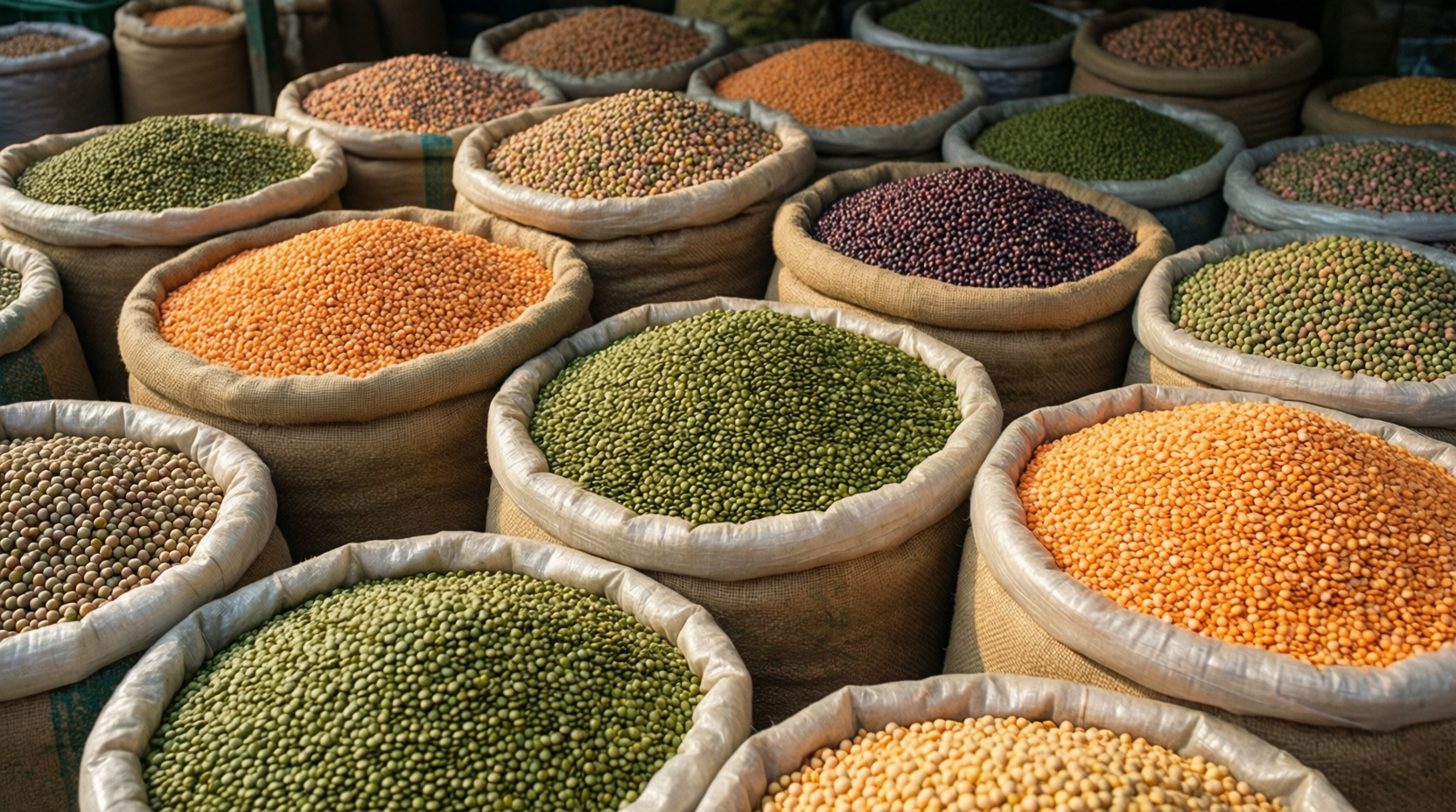
- Tariff-free access for Indian agro products to UK and New Zealand—including pulses, processed foods, marine products, select grains, and some fruits.
- “How to export pulses from India to UK duty free” is now straightforward: verify HS codes in Schedule of Commitments, ensure compliance, and claim zero-duty entry.
- Corn suppliers stand to benefit from raised 2025/26 export forecasts; Indian corn is in higher regional demand with better margins due to duty removal.
- Simpler documentation awaits from October 2026 under new FEMA regulations, streamlining EDF filing and payment timelines for exporters.
India–New Zealand FTA: Key Agri Exclusions & Sector Protection
- Dairy and edible oils remain out of deal scope—no tariff concession granted to safeguard Indian producers.
- Coffee, spices (like pepper, cardamom), and rubber are excluded—remain subject to existing tariffs.
- Protection mechanisms could mean quotas or triggered safeguard duties if import surges threaten either country’s farmers.
- Fresh vegetables and oilseeds, particularly impacted by India’s monsoon risks, are ring-fenced to prevent market volatility.
How To Unlock Tariff-Free Access: A Practical Checklist
- 1Identify if your product’s HS code is included in the UK or NZ deal’s positive list.
- 2Update export documentation—align with FEMA 2026 for simplified form and payment compliance.
- 3Secure necessary certifications or declarations for origin to avoid delays at destination ports.
- 4Use container freight services that capitalize on improved Indian port operations and return-leg container use.
- 5Monitor real-time changes in logistics and freight surcharges—container rates are at two-year highs.
Risks: Agri Sectors Still Protected or Excluded
- Sugar, edible oilseeds, and select vegetables may still face outright bans or export restrictions depending on domestic supply and rainfall.
- Access for dairy, coffee, and several spices is restricted or unchanged—entry barriers for Indian exporters persist.
- Ongoing monsoon concerns (July 2026 below-normal forecast) could prompt new government controls or quotas on sensitive products.
“While the new trade agreements open doors for Indian agri exports, knowing which sectors remain protected could be the difference between a windfall and a misstep.”
Tactical Moves: Next Steps for Market Entry & Growth
- Revisit your product portfolio to focus on items newly eligible for tariff-free access.
- Plan shipments factoring in global container surcharges and port handling improvements, especially at JNPA and other Indian gateways.
- Harness digital trade platforms to track compliance, changing logistics rates, and real-time policy alerts.
- Plan for reduced RoDTEP export benefit rates—target higher-margin, high-demand SKUs in CETA and NZ FTA markets.
The Trade Union connects Indian agro exporters to buyers in the UK and New Zealand, supports with compliance, and monitors tariff/benefit shifts so your supply chain runs profitably through every policy cycle.
- Written and reviewed by our in-house trade experts — not AI-generated filler.
- Market figures come from live platform data across thousands of verified trades.
- Every buyer and supplier on The Trade Union is identity- and document-verified.
- Guides are updated as regulations and market conditions change.