On this page
India’s just-announced move to double its wheat and flour export quotas for 2026–27 is set to send shockwaves through global grain markets. Understanding the drivers, opportunities, and risks is crucial for exporters, buyers, and farmers alike.
The 2026–27 Policy Shift: What’s Changing?
India’s export quotas for wheat will rise from 2.5 million tons to 5.5 million tons, and for flour-based products (atta, maida, semolina) from 0.5 million to 1 million tons in the 2026–27 season. This follows years of tightened controls triggered by volatile harvests and food security concerns.
Why Now? Domestic and Global Drivers
- Record wheat harvests in 2026 have bolstered government reserves.
- Rice export revenues weakened, creating need to compensate with wheat.
- Global wheat prices rallied after extreme weather hit other major producers.
- Geopolitical disruptions and Red Sea logistics have reshaped global flows.
- Domestic food inflation pressures prompted careful quota calibration.
Opportunities and Risks for Exporters
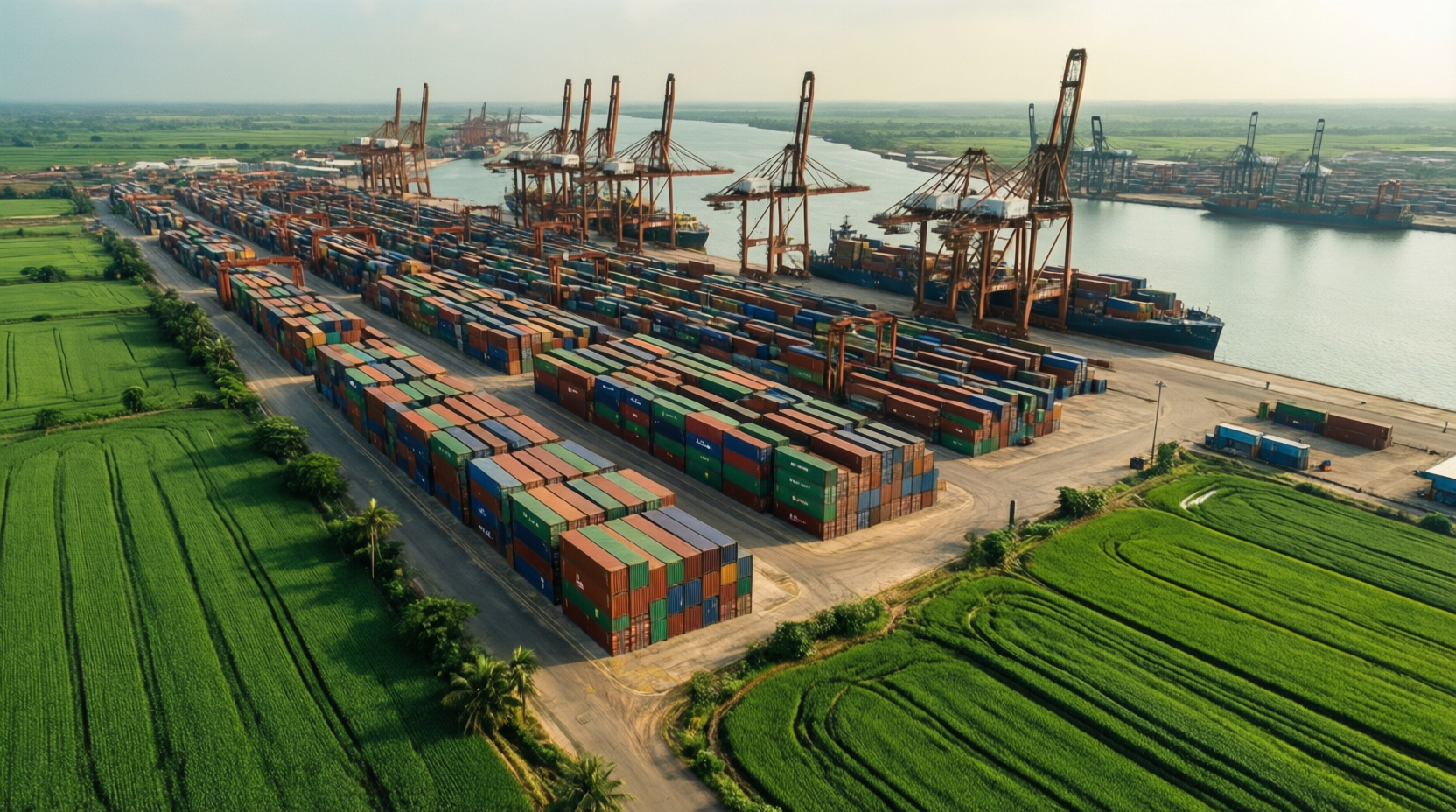
Exporters now eye a larger share of the India grain export market outlook for 2026. The quota boost opens up international contracts but also intensifies competition, especially as global buyers seek cheaper, reliable wheat sources.
Logistics and Pricing Pressure
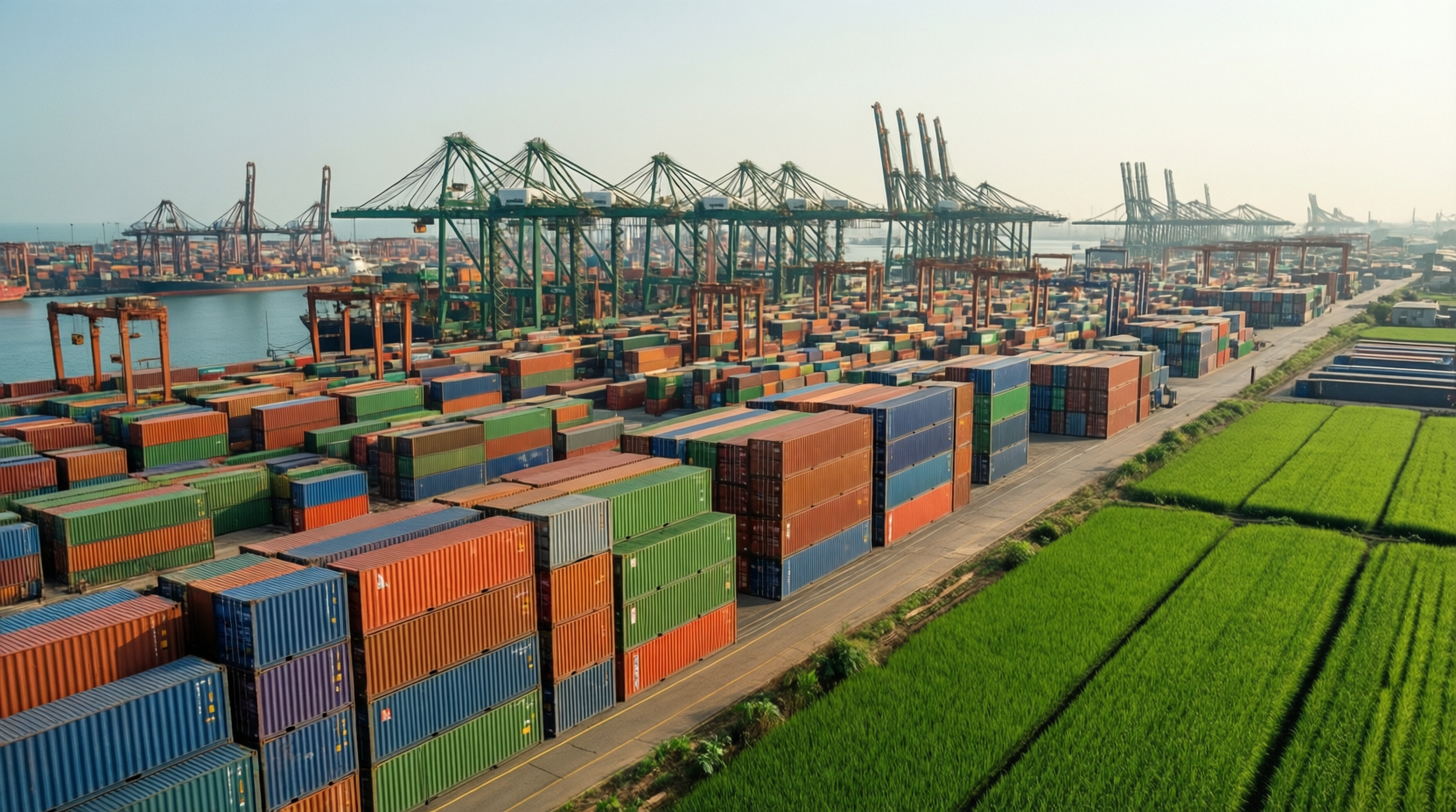
- Surging container freight rates (up 23% YoY, per Drewry).
- CMA CGM FAK freight hikes from India to Europe/North Africa.
- Red Sea and Hormuz disruptions impacting shipment timelines.
How Will International Buyers Benefit?
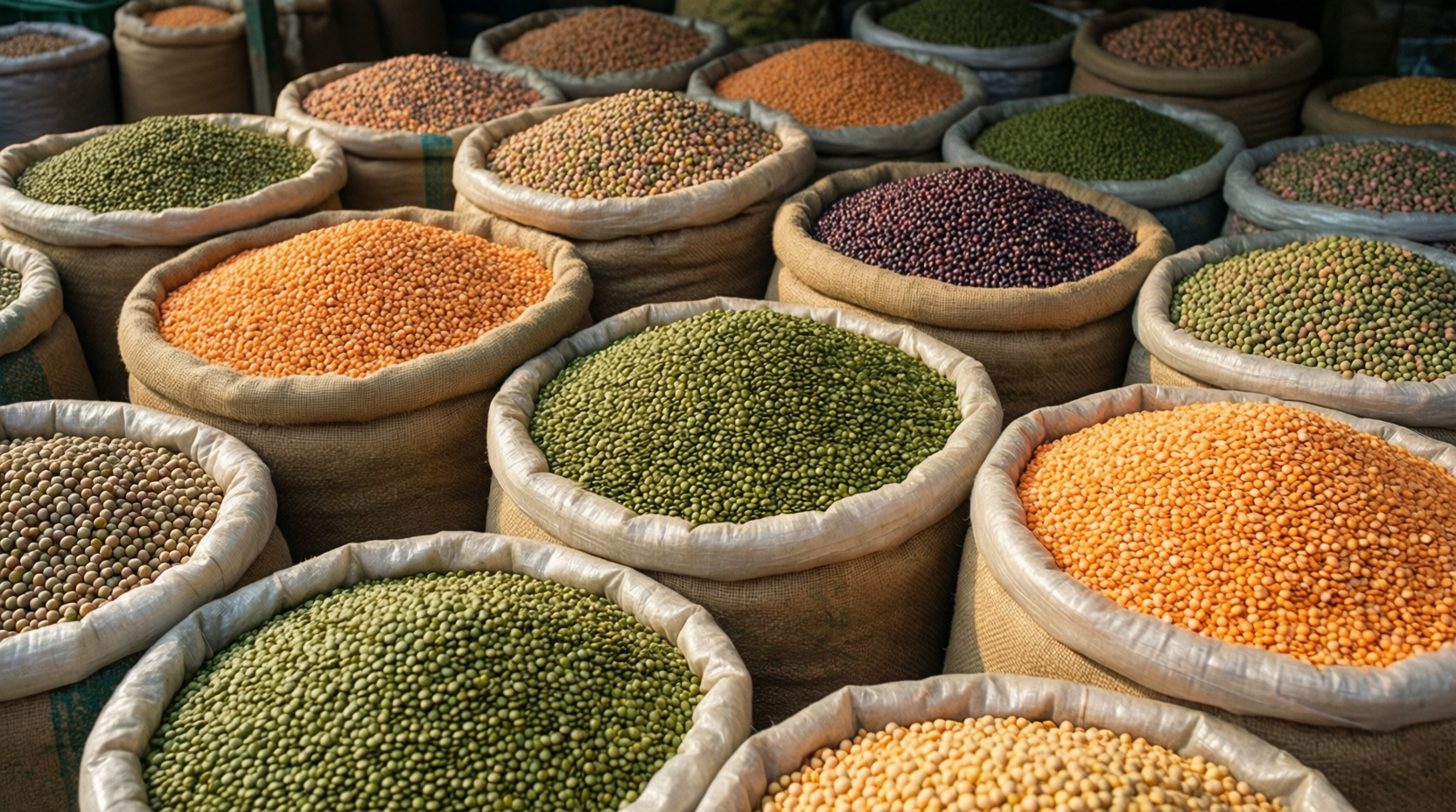
With India wheat export quota doubled 2026–27, buyers across Africa, the Middle East, and Southeast Asia could see more competitive offers and greater diversity in sourcing—especially as supply shocks in Russia and Australia persist.
The world needs reliable, affordable wheat. India’s expanded quota sends a clear signal: we’re back in business, and ready to fill critical supply gaps.
What Does This Mean for Indian Farmers?
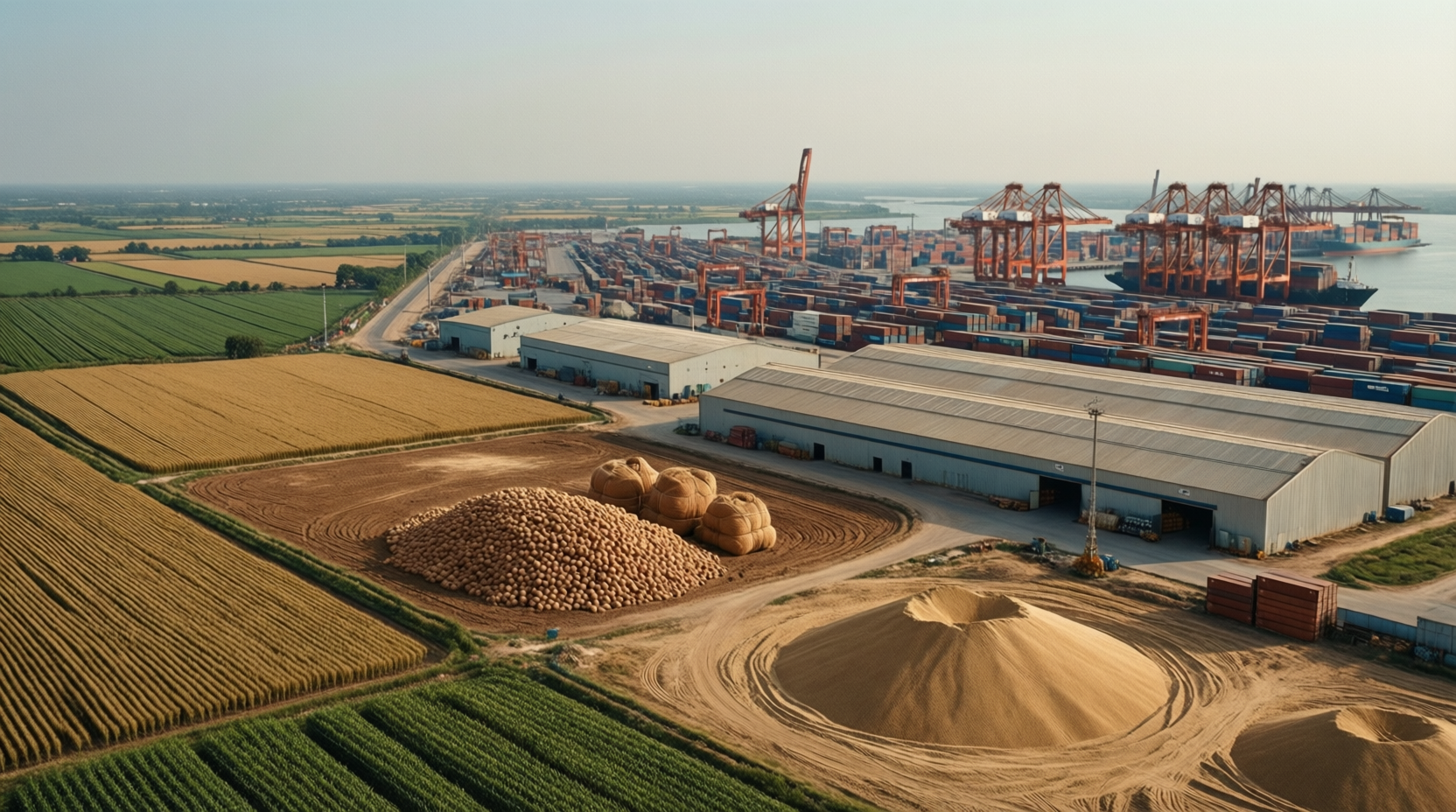
Higher quotas stimulate farmgate demand and support minimum support prices, but the benefit depends on continued strong harvests and smooth procurement by exporters. Weather volatility—especially El Niño—remains a wild card.
Export Wheat and Flour with Confidence
Looking to leverage the new India flour product export rules for 2026? The Trade Union connects Indian wheat suppliers with verified global buyers—making market entry easier and more predictable.
Preparing for the 2026–27 Export Season
- 1Monitor government notifications on quota allocations and permit processes.
- 2Secure long-term shipping contracts early to hedge against freight surges.
- 3Stay tuned to crop forecasts and weather updates.
- 4Engage with buyers now to lock in forward contracts.
- 5Lean on The Trade Union for market intelligence and matchmaking.
Key Takeaways for Stakeholders
- Policy reversal opens up major opportunities after years of export curbs.
- Exporters and farmers alike stand to benefit if managed smartly.
- Buyers may find new alternatives to meet supply security needs.
- Risks remain: freight disruption, weather, and compliance.
The impact of wheat export policy India 2026 will ripple across global grain supply. Stay agile, plan early, and let The Trade Union support your next export move.
- Written and reviewed by our in-house trade experts — not AI-generated filler.
- Market figures come from live platform data across thousands of verified trades.
- Every buyer and supplier on The Trade Union is identity- and document-verified.
- Guides are updated as regulations and market conditions change.