On this page
- How can exporters manage the refrigerated container shortage effectively?
- What logistics adjustments can help mitigate increased freight costs?
- How can trade agreements support mango exporters during these challenges?
- What role does technology play in overcoming these logistics hurdles?
- Can export diversification reduce dependency on affected routes or markets?
- Key takeaways
- FAQ
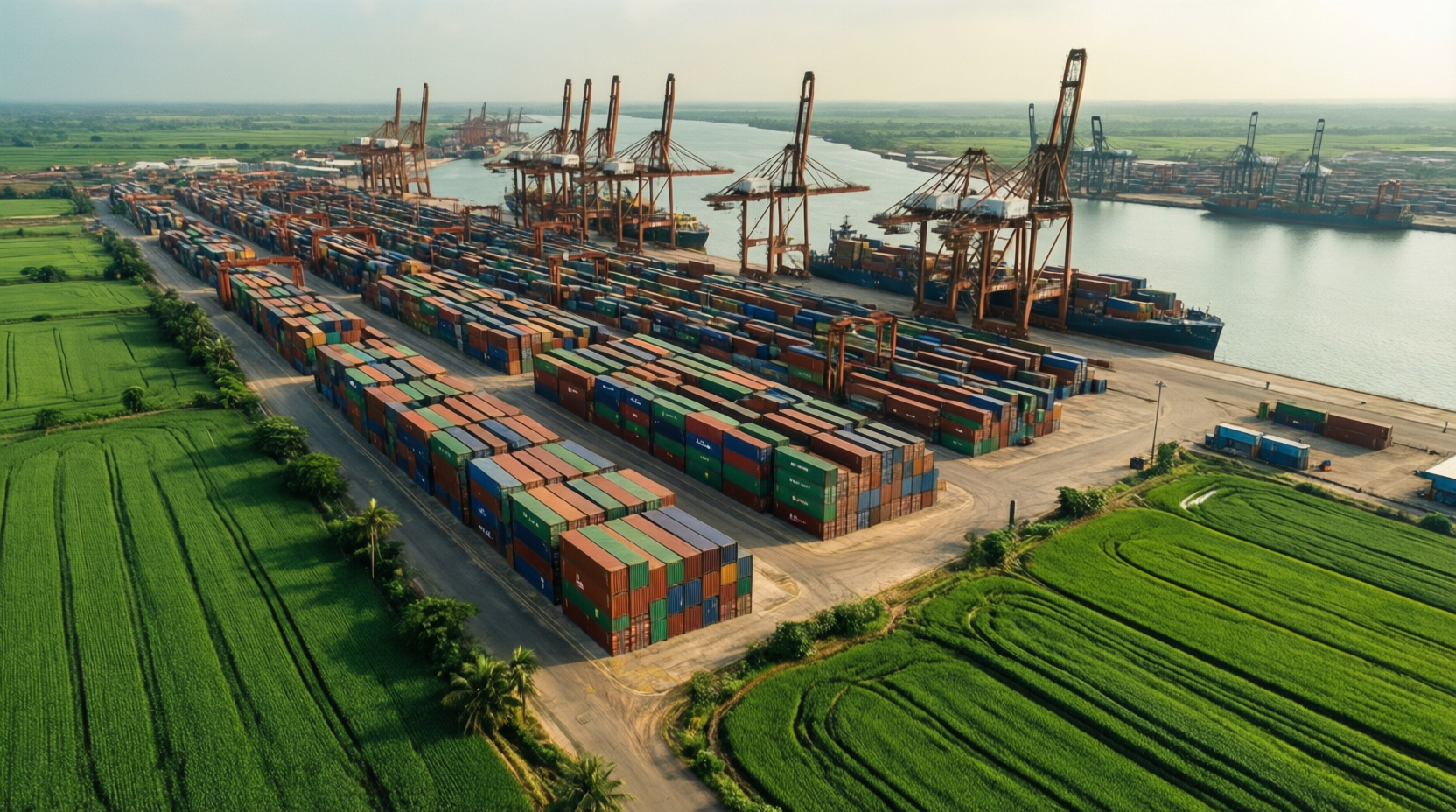
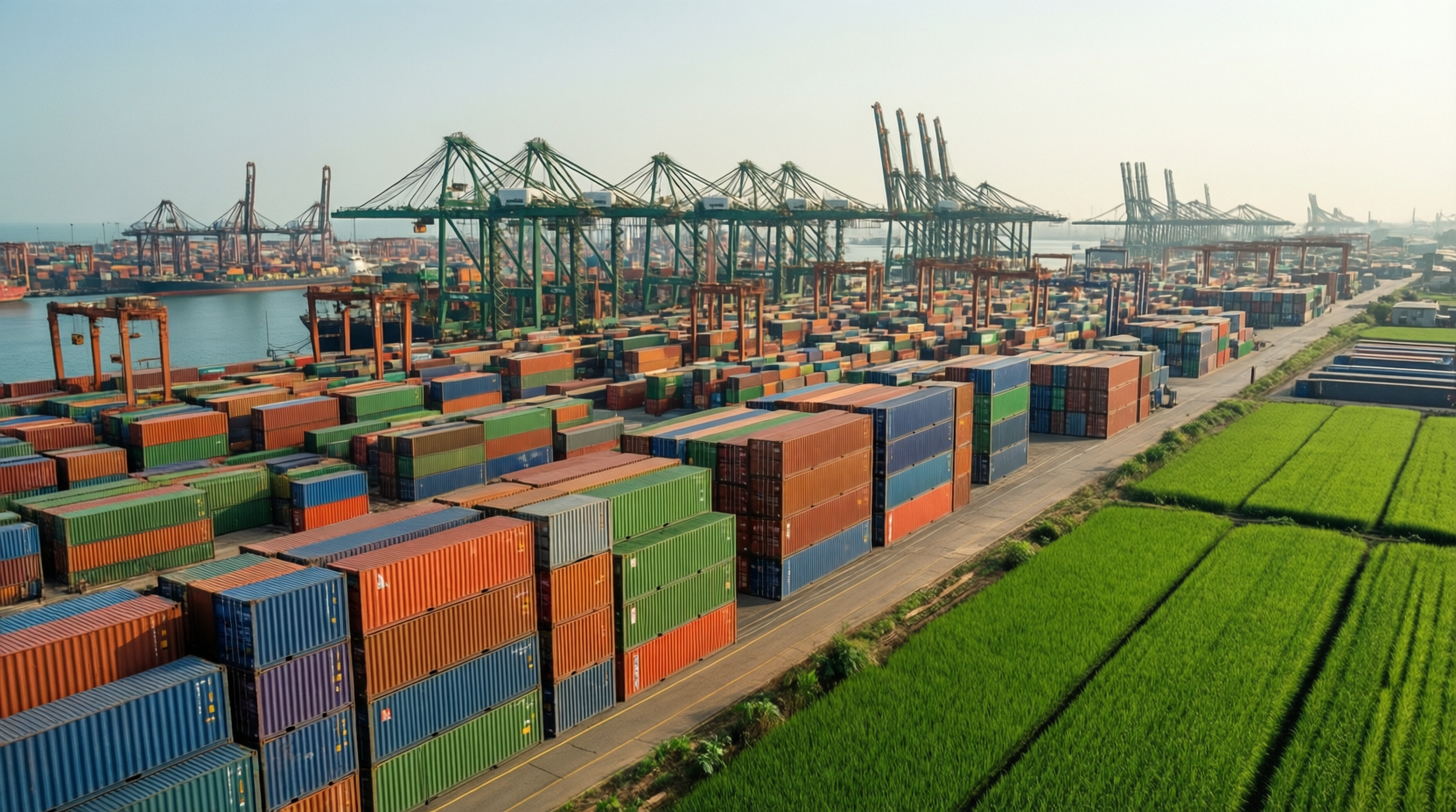
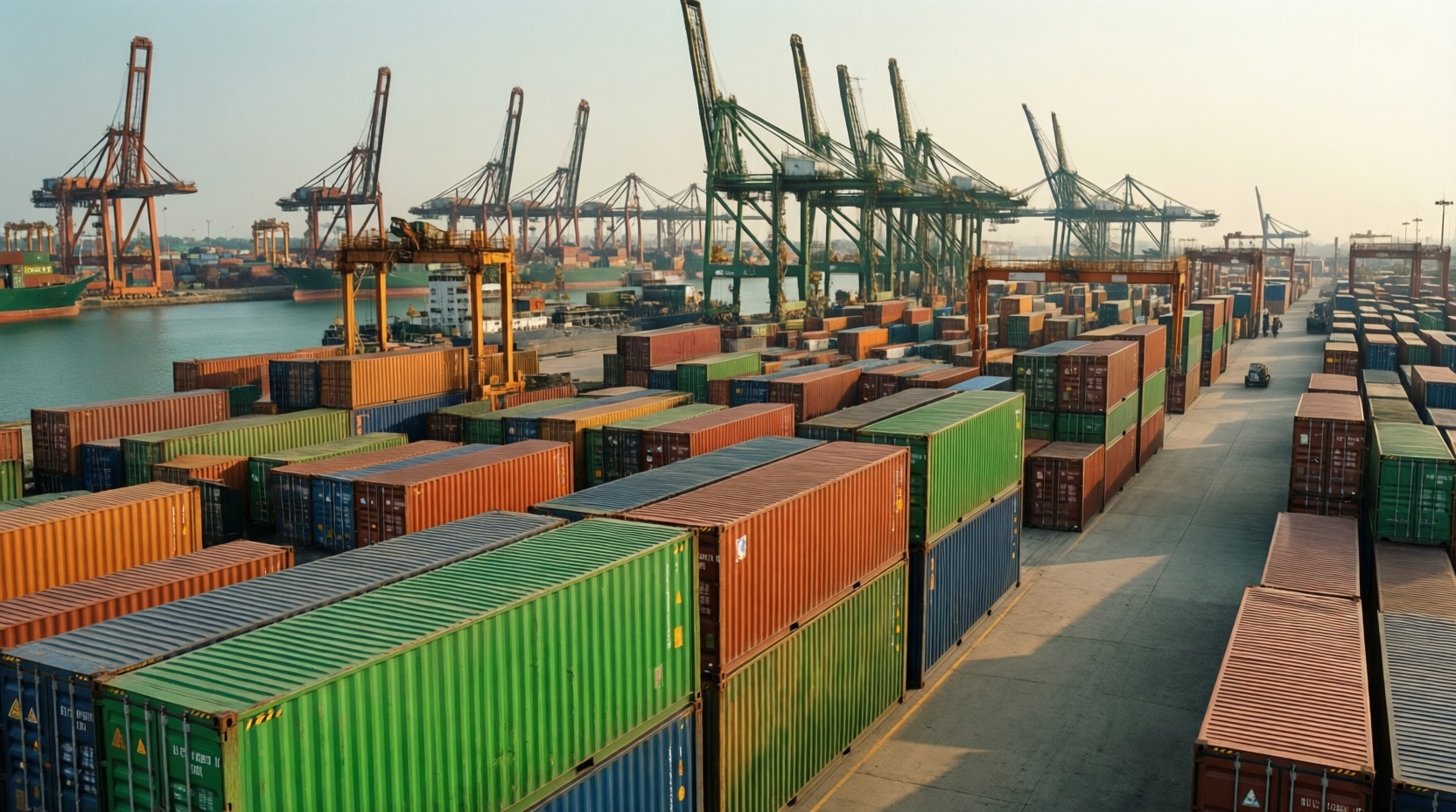
Indian mango exporters are currently grappling with a shortage of refrigerated containers and rising freight costs, largely due to disruptions in maritime routes caused by the West Asia war. This logistical challenge directly threatens export profitability during peak season, making it crucial for exporters to adopt effective strategies to sustain their trade flows.
How can exporters manage the refrigerated container shortage effectively?
Exporters should consider diversifying their sourcing of refrigerated containers by partnering with multiple logistics providers and exploring leasing options. Sharing container space through consolidation with other exporters can optimize container utilization. Additionally, utilizing inland container depots and cold storage facilities closer to production hubs may alleviate pressure on port-side refrigerated containers.
What logistics adjustments can help mitigate increased freight costs?
Negotiating long-term contracts with shipping lines can help lock in better freight rates. Exploring alternative maritime routes that avoid conflict zones, even if slightly longer, could reduce volatility in shipping costs. Collaborating with freight forwarders to optimize load planning and scheduling can minimize empty container repositioning costs, thereby curbing freight expenses.
How can trade agreements support mango exporters during these challenges?
Leveraging existing trade agreements, such as the India-Oman CEPA, can open new markets and improve tariff advantages, helping offset higher logistics costs. Exporters should explore emerging bilateral agreements and regional partnerships that facilitate smoother customs clearance and reduced regulatory burdens to increase competitiveness.
What role does technology play in overcoming these logistics hurdles?
Implementing logistics tracking and cold chain monitoring technologies helps maintain product quality during extended shipping times or route changes. Data analytics can aid in forecasting container availability and freight cost trends, empowering exporters to make proactive decisions on shipment planning.
Can export diversification reduce dependency on affected routes or markets?
Yes, diversifying export destinations beyond traditional West Asian markets can reduce exposure to route disruptions. Targeting emerging markets in Southeast Asia, Europe, and Africa, alongside established ones, helps balance risks and demand fluctuations.
"Facing container shortages, Indian mango exporters need to innovate their logistics strategies to sustain growth and meet global demand despite geopolitical headwinds." – Anil Kumar, Export Consultant
Industry Insight
Proactive collaboration among exporters, logistics providers, and government bodies is essential to navigate container shortages and freight cost spikes while preserving the competitiveness of Indian mango exports.
Key takeaways
- Indian mango exporters face refrigerated container shortages and rising freight costs due to geopolitical tensions in West Asia.
- Diversifying container sources, negotiating freight contracts, and exploring alternative shipping routes can reduce logistical strains.
- Leveraging trade agreements and technology enhances export efficiency and market access.
- Export diversification across regions mitigates risks from disrupted maritime routes.
Frequently asked questions
Why is there a refrigerated container shortage affecting Indian mango exports?
The shortage stems from disrupted maritime routes due to the West Asia war, which limits container availability and increases demand for refrigerated transport.
How can Indian mango exporters reduce freight cost increases?
They can negotiate long-term contracts with shippers, optimize load planning, and explore alternative routes to avoid conflict-affected areas.
Are there specific trade agreements that can help mango exporters?
Yes, agreements like the India-Oman CEPA facilitate market access and tariff benefits, helping exporters offset logistics cost hikes.
Can technology improve mango export logistics amid container shortages?
Implementing cold chain monitoring and predictive analytics allows better shipment management and quality assurance, reducing risks.
Should exporters consider markets beyond West Asia due to current disruptions?
Diversifying to markets in Southeast Asia, Europe, and Africa can reduce dependency on affected routes and spread export risk.
- Written and reviewed by our in-house trade experts — not AI-generated filler.
- Market figures come from live platform data across thousands of verified trades.
- Every buyer and supplier on The Trade Union is identity- and document-verified.
- Guides are updated as regulations and market conditions change.