On this page
- What are the key protocols to comply with for wheat exports to the Middle East?
- How can pricing strategies enhance India’s wheat competitiveness in the Middle Eastern market?
- What demand trends are shaping wheat imports in countries like the UAE?
- How does India’s trade liberalization impact wheat exports to the Middle East?
- What logistical considerations must Indian exporters address for Middle Eastern shipments?
- How can Indian exporters build trust with Middle Eastern buyers?
- What risks should Indian wheat exporters anticipate in the Middle Eastern markets?
- Key takeaways
- FAQ
After a four-year hiatus, India has restarted wheat exports in 2026, marking a strategic moment to penetrate Middle Eastern markets such as the UAE. With a record wheat harvest and renewed trade opportunities, Indian exporters must adapt their approach to leverage this momentum while addressing regional trade requirements and buyer preferences.
What are the key protocols to comply with for wheat exports to the Middle East?
Indian exporters should rigorously follow import regulations set by Middle Eastern countries, including quality standards, phytosanitary certifications, and packaging norms. For example, the UAE requires compliance with Gulf Standards Organization (GSO) specifications and proper documentation to clear customs efficiently.
How can pricing strategies enhance India’s wheat competitiveness in the Middle Eastern market?
Given the global price sensitivity, Indian exporters need to balance competitive pricing with quality. Monitoring global wheat prices and adjusting pricing to consider freight, tariffs, and currency fluctuations ensures Indian wheat remains attractive amid competitors like Russia and Australia.
What demand trends are shaping wheat imports in countries like the UAE?
The UAE and neighboring markets are experiencing growing demand for high-quality wheat due to expanding bakeries and food processing industries. Additionally, preferences are shifting towards sustainably sourced and traceable wheat, offering Indian exporters a chance to differentiate through certifications and origin branding.
How does India’s trade liberalization impact wheat exports to the Middle East?
Ongoing trade agreements and tariff negotiations between India and Middle Eastern countries are easing market entry barriers. These initiatives help reduce import duties and simplify customs procedures, making Indian wheat exports more cost-effective and timely for importers in the region.
What logistical considerations must Indian exporters address for Middle Eastern shipments?
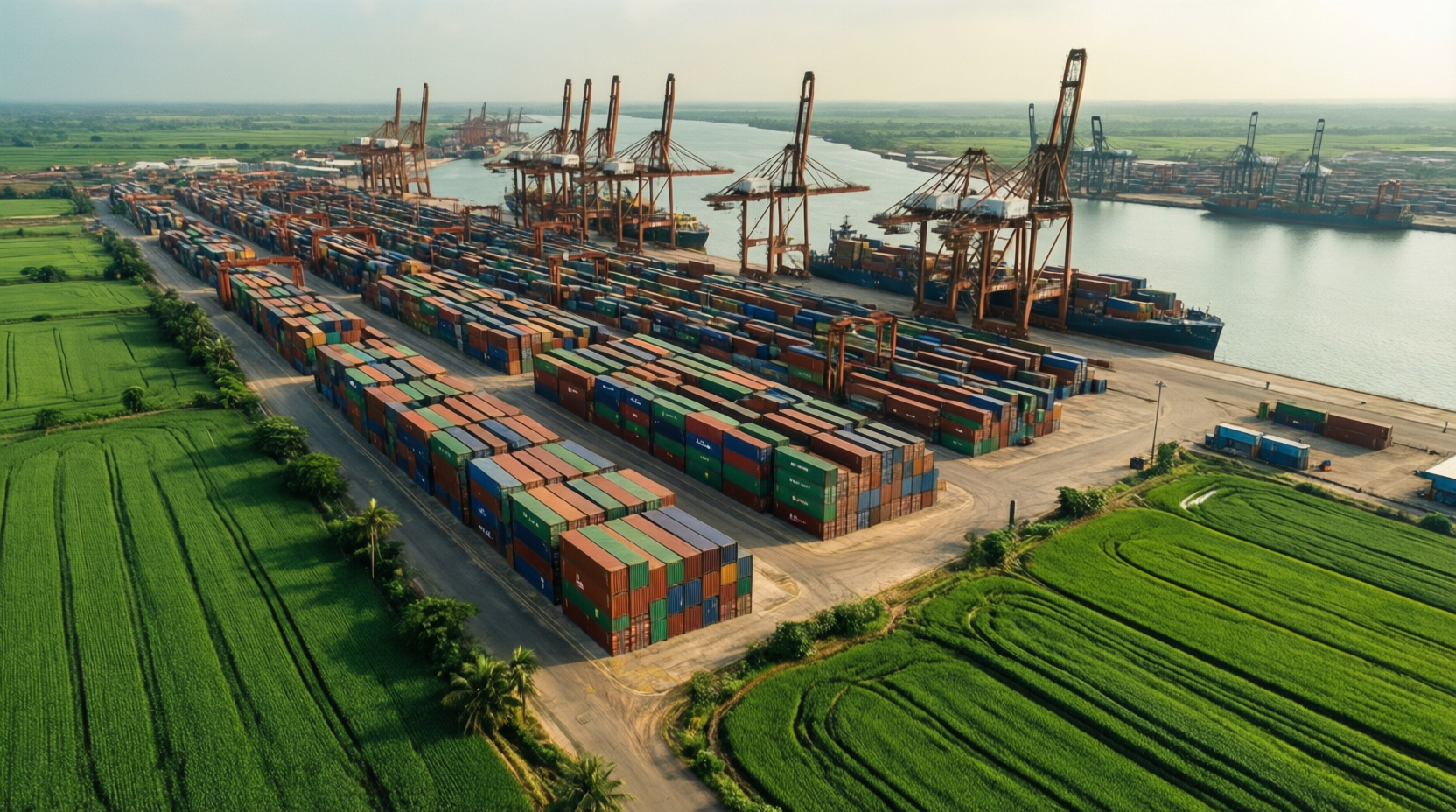
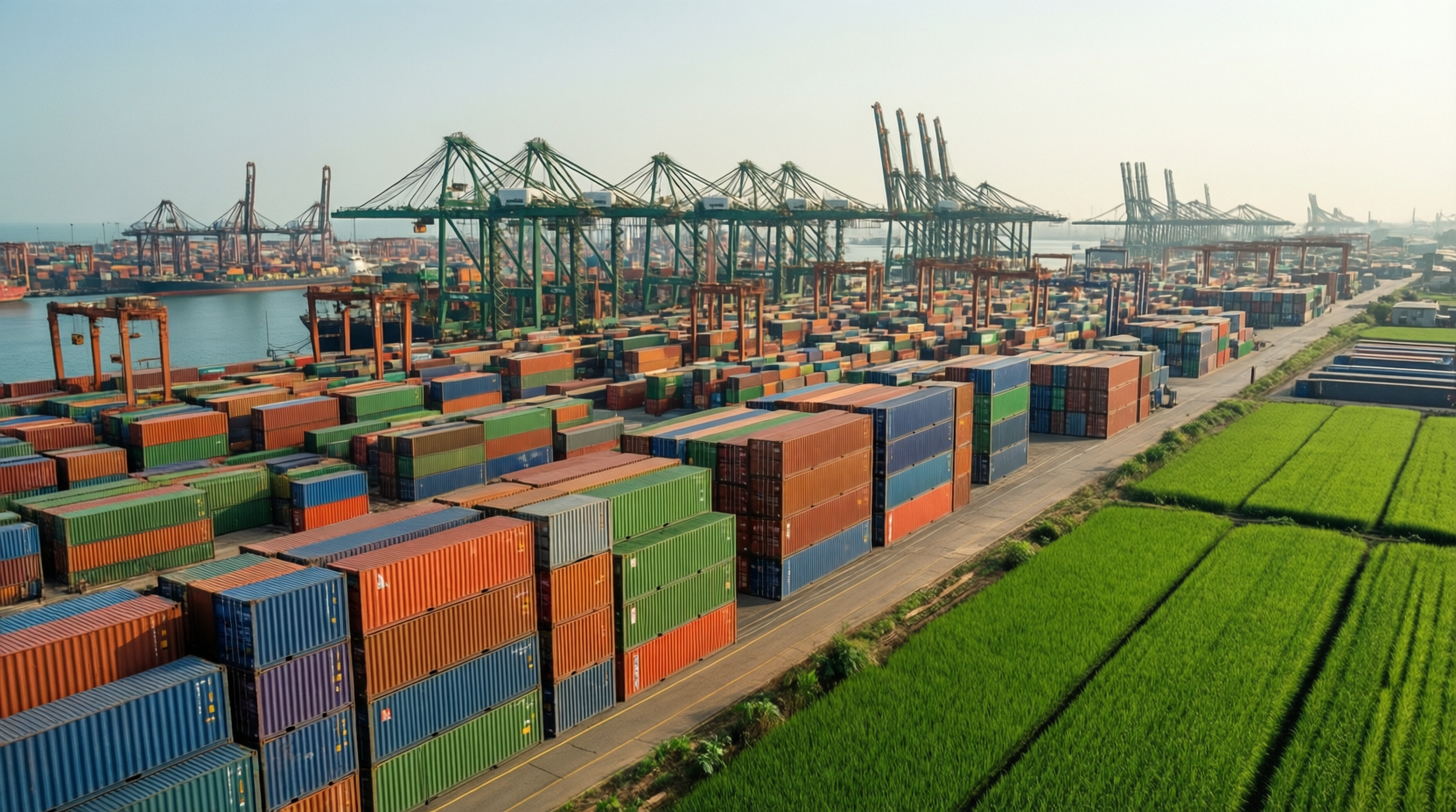
Efficient logistics, including selecting reliable shipping routes and managing cold storage where applicable, are crucial. The Indian wheat shipment to UAE in 2026 illustrates the importance of streamlined supply chains to meet delivery schedules and maintain grain quality, minimizing losses and costs.
How can Indian exporters build trust with Middle Eastern buyers?
Establishing transparent communication, offering consistent product quality, and providing after-sales support foster strong business relationships. Participating in trade fairs and partnering with local importers or distributors also enhance credibility and market penetration.
"Leveraging our extensive agricultural expertise and understanding of Middle Eastern market nuances will enable Indian wheat exporters to unlock significant growth opportunities in 2026 and beyond." — Ramesh Chand, NITI Aayog Agricultural Adviser
What risks should Indian wheat exporters anticipate in the Middle Eastern markets?
- Volatility in global wheat prices impacting profit margins
- Stringent import quotas and occasional trade policy shifts
- Competition from established exporters like Russia and Ukraine
- Currency fluctuation risks affecting payment settlements
Export Opportunity Highlight
India’s resumption of wheat exports after a four-year break is a historic chance for exporters to establish a foothold in lucrative Middle Eastern markets. Success depends on strategic compliance, pricing acumen, and responsive supply capabilities.
Key takeaways
- India resumed wheat exports in 2026 after a four-year hiatus, opening new opportunities in the Middle East, especially the UAE.
- Compliance with Gulf Standards Organization protocols and phytosanitary requirements is critical for market access.
- Competitive pricing and understanding demand trends in bakery and food sectors can greatly influence export success.
- Trade liberalization and improved logistics support more efficient and cost-effective wheat exports from India.
- Building trust via quality consistency and local partnerships enhances long-term buyer relationships in Middle Eastern markets.
Frequently asked questions
What documentation do Indian wheat exporters need for Middle Eastern shipments?
Exporters require phytosanitary certificates, quality test reports, invoice and packing lists, and compliance with Gulf Standards Organization regulations to ensure smooth customs clearance.
How can Indian exporters compete with other wheat suppliers in the UAE?
By offering high-quality wheat at competitive prices, maintaining consistent supply, and leveraging trade agreements that reduce tariffs, Indian exporters can strengthen their market position.
Are there specific quality standards for wheat imports in the Middle East?
Yes, Middle Eastern countries often require wheat to meet specific moisture content, impurity limits, and processing quality standards as per regional food safety regulations.
What are the shipping options for exporting wheat to the UAE?
Common methods include bulk grain shipments via sea freight through major Indian ports to UAE ports such as Jebel Ali, using containerized cargo where applicable for smaller consignments.
How important are partnerships with local importers in the Middle East?
Local partners help navigate regional market nuances, distribution networks, and regulatory compliance, making them vital for sustained export growth and market access.
- Written and reviewed by our in-house trade experts — not AI-generated filler.
- Market figures come from live platform data across thousands of verified trades.
- Every buyer and supplier on The Trade Union is identity- and document-verified.
- Guides are updated as regulations and market conditions change.