On this page
- What are the key requirements in the DGFT's new wheat flour export quota regulations?
- How can exporters ensure compliance with the DGFT export quota requirements?
- What opportunities arise from understanding and adhering to the new wheat flour regulations?
- What challenges might exporters face with the revised DGFT wheat flour export policy?
- How does the July 10, 2026 utilization details deadline impact exporters' planning?
- Are there any recent global agricultural trade trends influencing India’s wheat flour export approach?
- Key takeaways
- FAQ
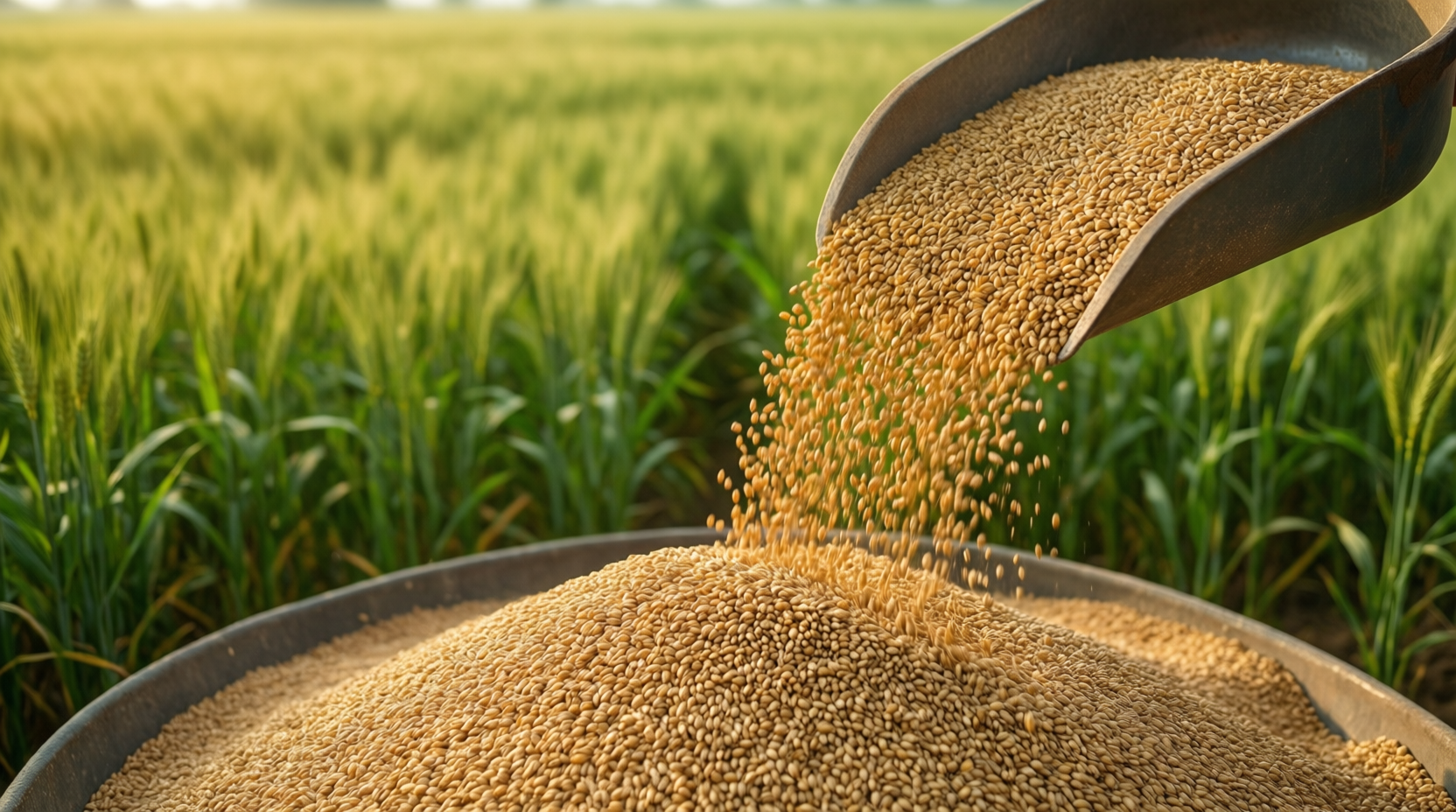
The Directorate General of Foreign Trade (DGFT) in India has revised the export quota regulations for wheat flour, introducing strict requirements for exporters to submit utilization details by July 10, 2026. These changes reflect India's strategic approach to manage wheat flour exports amid global market dynamics. Understanding the latest DGFT guidelines is crucial for Indian exporters to ensure compliance and leverage new export opportunities effectively.
What are the key requirements in the DGFT's new wheat flour export quota regulations?
The DGFT mandates all wheat flour exporters to submit detailed utilization reports by July 10, 2026, outlining quantities exported under the assigned quotas. Exporters must adhere to the specified quota limits and provide documentary evidence of export transactions and payment receipts. Failure to comply could result in suspension of export privileges or penalties under Indian trade laws.
How can exporters ensure compliance with the DGFT export quota requirements?
- Maintain accurate records of all wheat flour exports including shipment documents and invoices.
- Submit utilization details timely through the official DGFT online portal before the July 10 deadline.
- Coordinate with customs brokers and freight forwarders to verify export data accuracy.
- Stay updated on DGFT notifications and amendments pertaining to export quotas.
What opportunities arise from understanding and adhering to the new wheat flour regulations?
Compliant exporters can access stable export licenses, enhance credibility with international buyers, and expand to new markets under regulated quotas. Timely submission of utilization data may position exporters to apply for quota increases or participate in upcoming DGFT schemes aimed at boosting agricultural exports.
What challenges might exporters face with the revised DGFT wheat flour export policy?
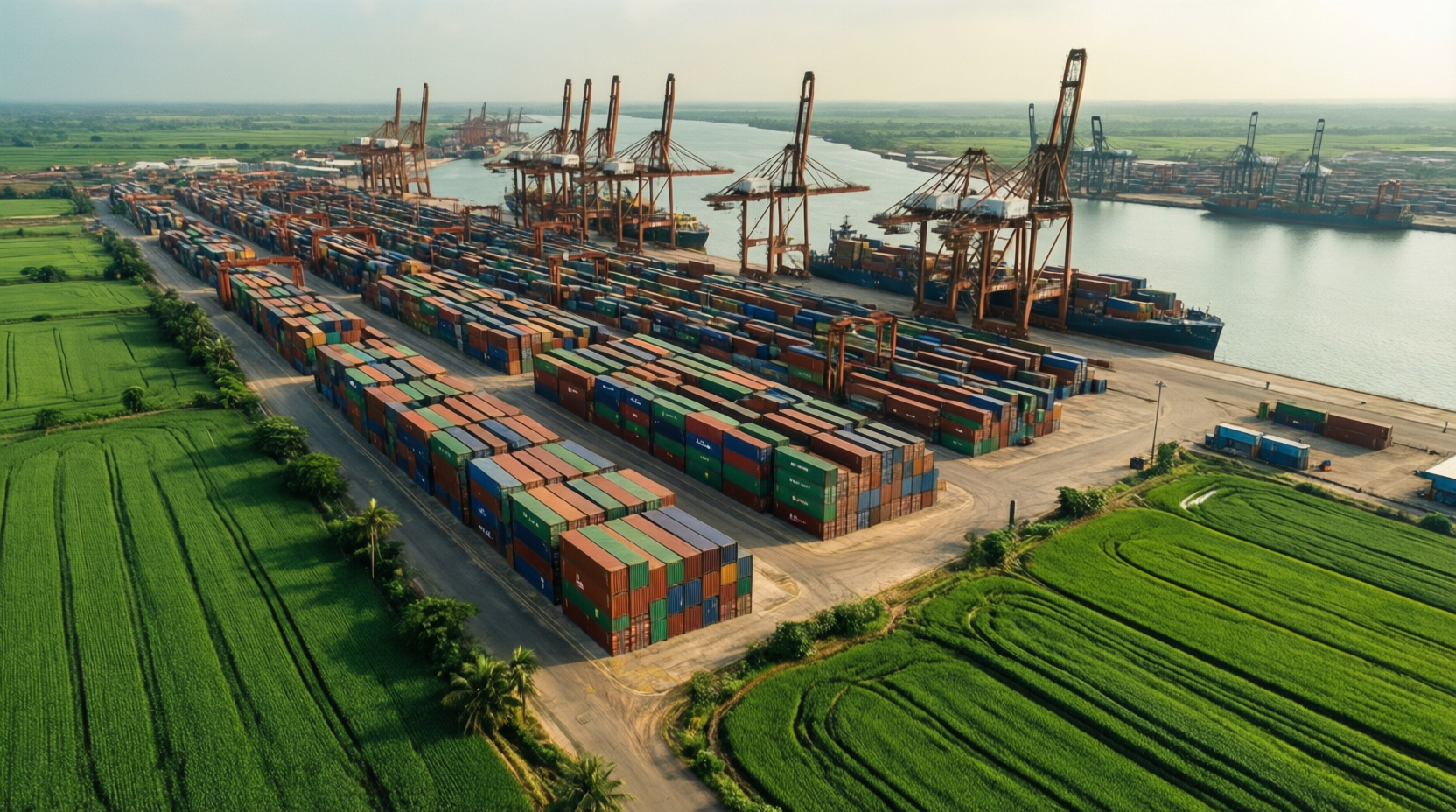
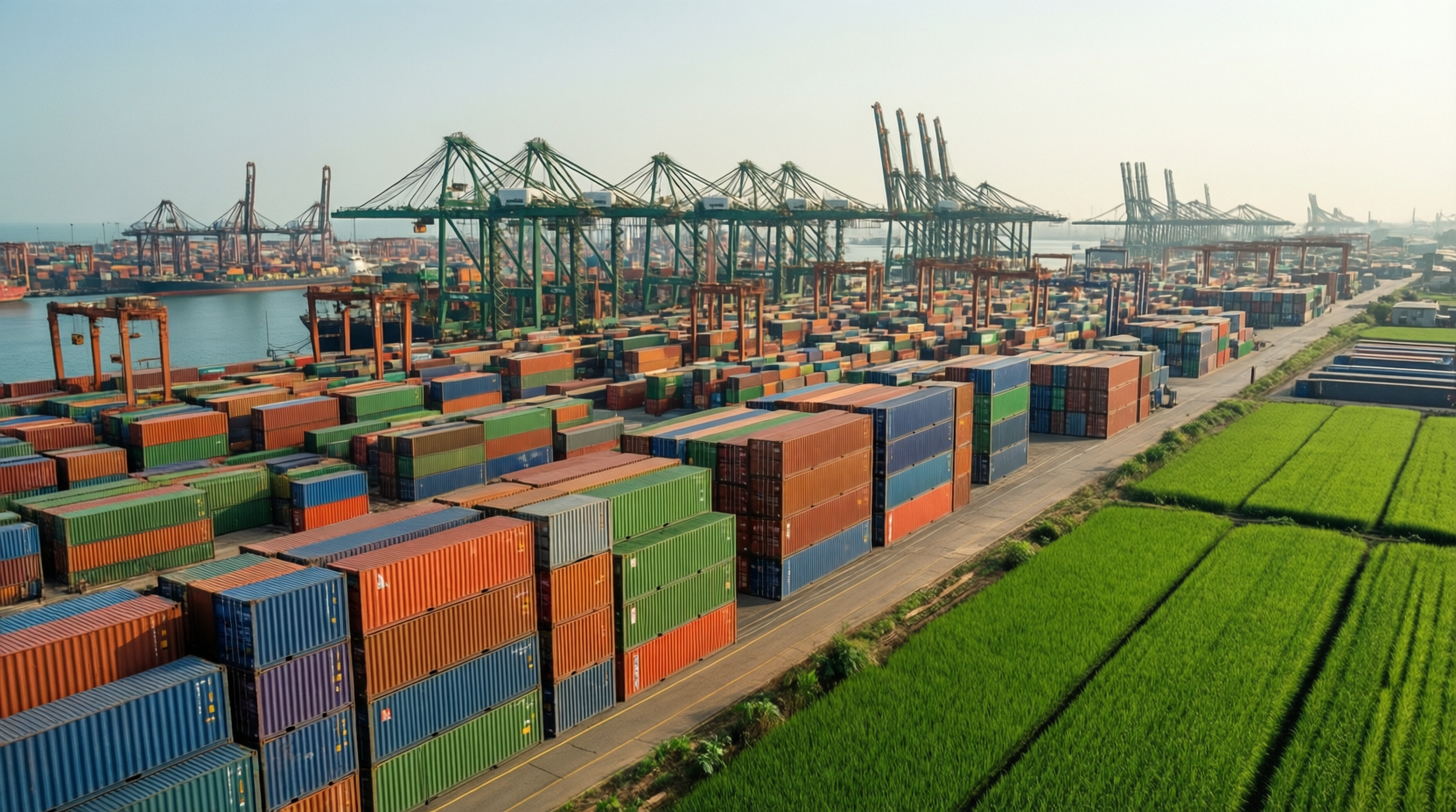
Exporters could experience administrative burdens related to meticulous data collection and reporting. Any delays in submitting documentation might disrupt export schedules and affect client relationships. Moreover, fluctuating global wheat prices and logistical constraints, such as port congestion, could add operational complexities.
How does the July 10, 2026 utilization details deadline impact exporters' planning?
Exporters need to align their record-keeping and export timelines to ensure all utilization details are compiled and submitted by the July 10 deadline. This may require enhanced coordination between sales, logistics, and compliance teams to avoid last-minute discrepancies and ensure full regulatory compliance.
Are there any recent global agricultural trade trends influencing India’s wheat flour export approach?
India's wheat flour export adjustments occur amid global trade shifts such as Zimbabwe’s tariff-free blueberry exports to China and Kenya’s AGOA extension boosting US exports. These developments highlight increased regulatory scrutiny and strategic quota management to maintain competitive advantage in agro-exports globally.
"The DGFT’s revised wheat flour export quotas encourage exporters to adopt rigorous compliance measures, ensuring sustained access to growing international markets." – Arjun Prakash, Trade Policy Analyst
Action Point
Exporters should prepare for the July 10, 2026 submission by auditing current export records and investing in compliance training to navigate the DGFT’s new wheat flour export quota framework confidently.
Key takeaways
- DGFT requires wheat flour exporters to submit utilization details by July 10, 2026, under revised export quotas.
- Compliance involves accurate record-keeping, timely submission, and adherence to quota limits to avoid penalties.
- Understanding regulations helps exporters secure licenses, expand markets, and apply for future quota benefits.
- Exporters must manage logistical and administrative challenges to meet the deadline effectively.
Frequently asked questions
What is the deadline to submit wheat flour export utilization details to DGFT?
The Directorate General of Foreign Trade mandates submission of utilization details for wheat flour exports by July 10, 2026.
What happens if exporters fail to comply with the DGFT wheat flour export quotas?
Non-compliance may lead to suspension of export privileges, penalties, and challenges in obtaining future export quotas.
How can exporters track their quota utilization effectively?
Exporters should maintain detailed shipment records, invoices, and payment proofs while using the DGFT online portal for reporting.
Are there opportunities for increasing wheat flour export quotas?
Yes, compliant exporters with accurate utilization reporting may be eligible to apply for increased quotas or benefit from upcoming DGFT export promotion schemes.
Where can exporters find updates on wheat flour export regulations?
Updates are available on the official DGFT website and through notifications distributed to registered exporters and trade associations.
- Written and reviewed by our in-house trade experts — not AI-generated filler.
- Market figures come from live platform data across thousands of verified trades.
- Every buyer and supplier on The Trade Union is identity- and document-verified.
- Guides are updated as regulations and market conditions change.