On this page
- What factors are driving the surge in India's corn exports in 2026?
- How does competitive pricing influence India’s position in Asian corn markets?
- What role do logistics and freight costs play in facilitating India's corn exports?
- Are government trade agreements impacting corn export volumes?
- What challenges do Indian exporters face amid rising corn export demand?
- How can exporters leverage the current market conditions for sustainable growth?
- Key takeaways
- FAQ
India is expected to achieve a three-year export high in corn this year, leveraging record production volumes accompanied by strategic cost advantages. Exporters stand to benefit notably from India's ability to offer competitively priced corn while capitalizing on a logistics framework that reduces freight costs to key Asian markets.
What factors are driving the surge in India's corn exports in 2026?
The 2026 surge in Indian corn exports primarily stems from record domestic production and a corresponding increase in exportable surplus. Combined with global demand growth, particularly from Asian markets, this supply glut positions India advantageously to boost export volumes substantially compared to the previous three years.
How does competitive pricing influence India’s position in Asian corn markets?
India's corn prices in 2026 remain below those of many competing exporters due to favorable crop yields and controlled input costs, making Indian corn attractive to Asian buyers seeking value. This competitive pricing challenges other suppliers in the region, helping India capture increased market share in countries like Vietnam, Indonesia, and the Philippines.
What role do logistics and freight costs play in facilitating India's corn exports?
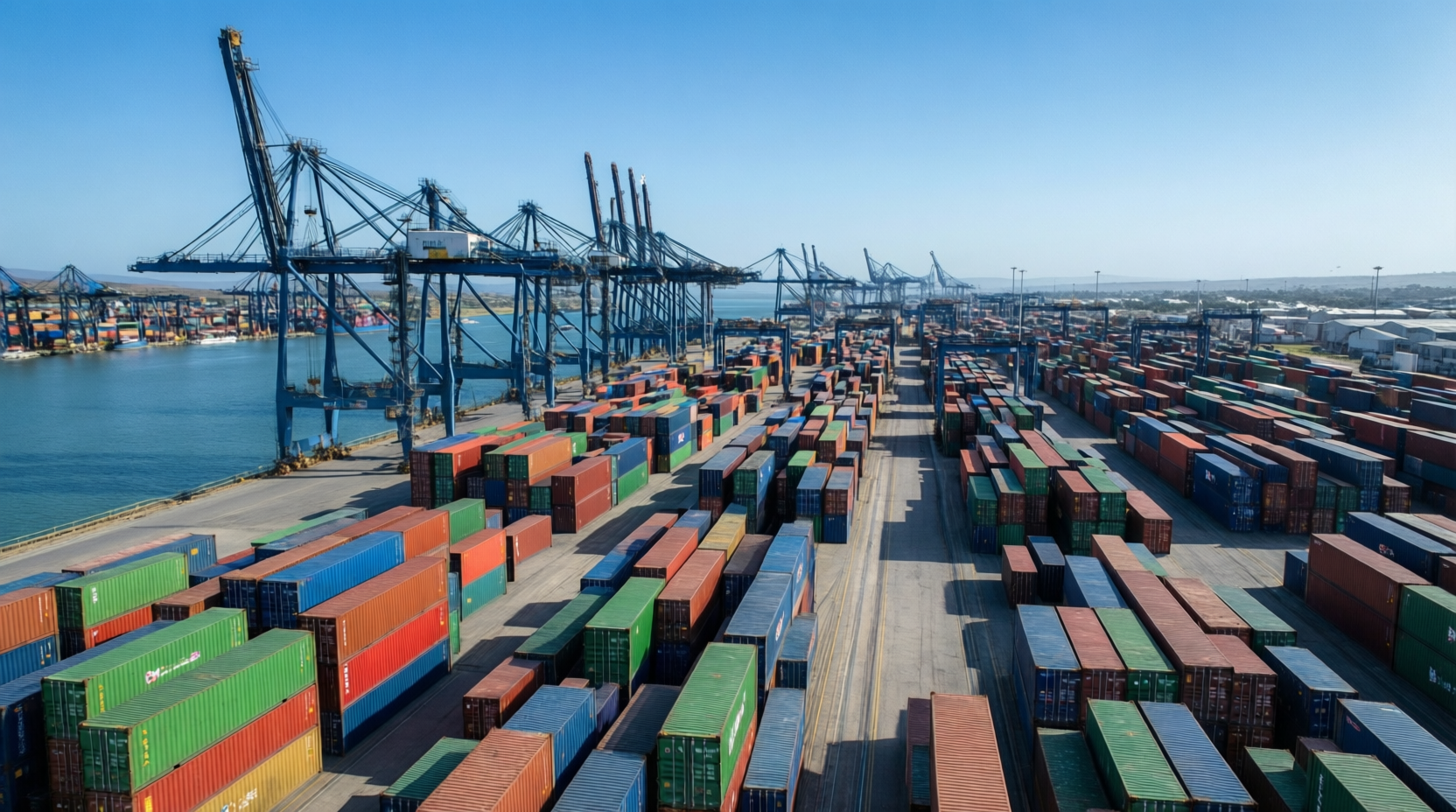
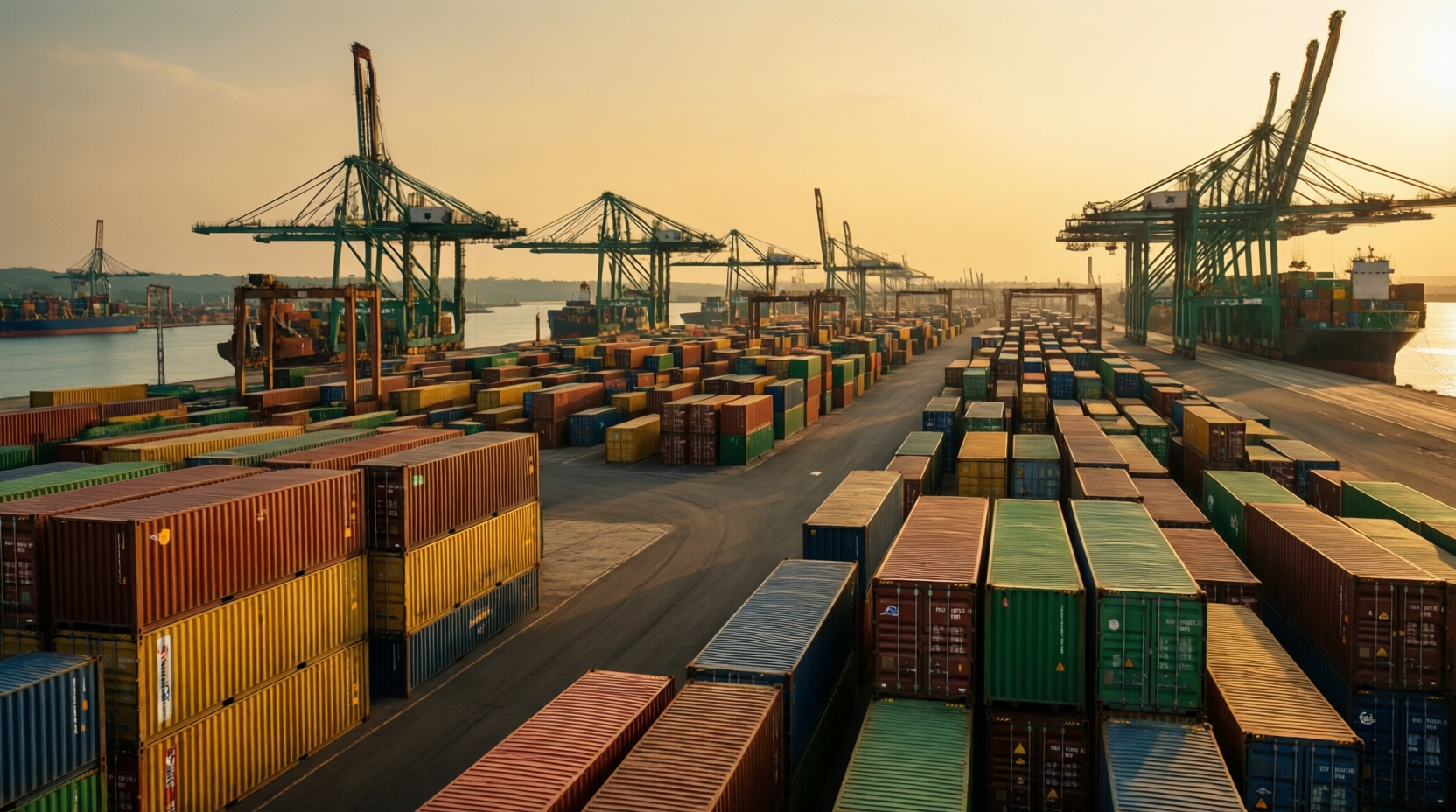
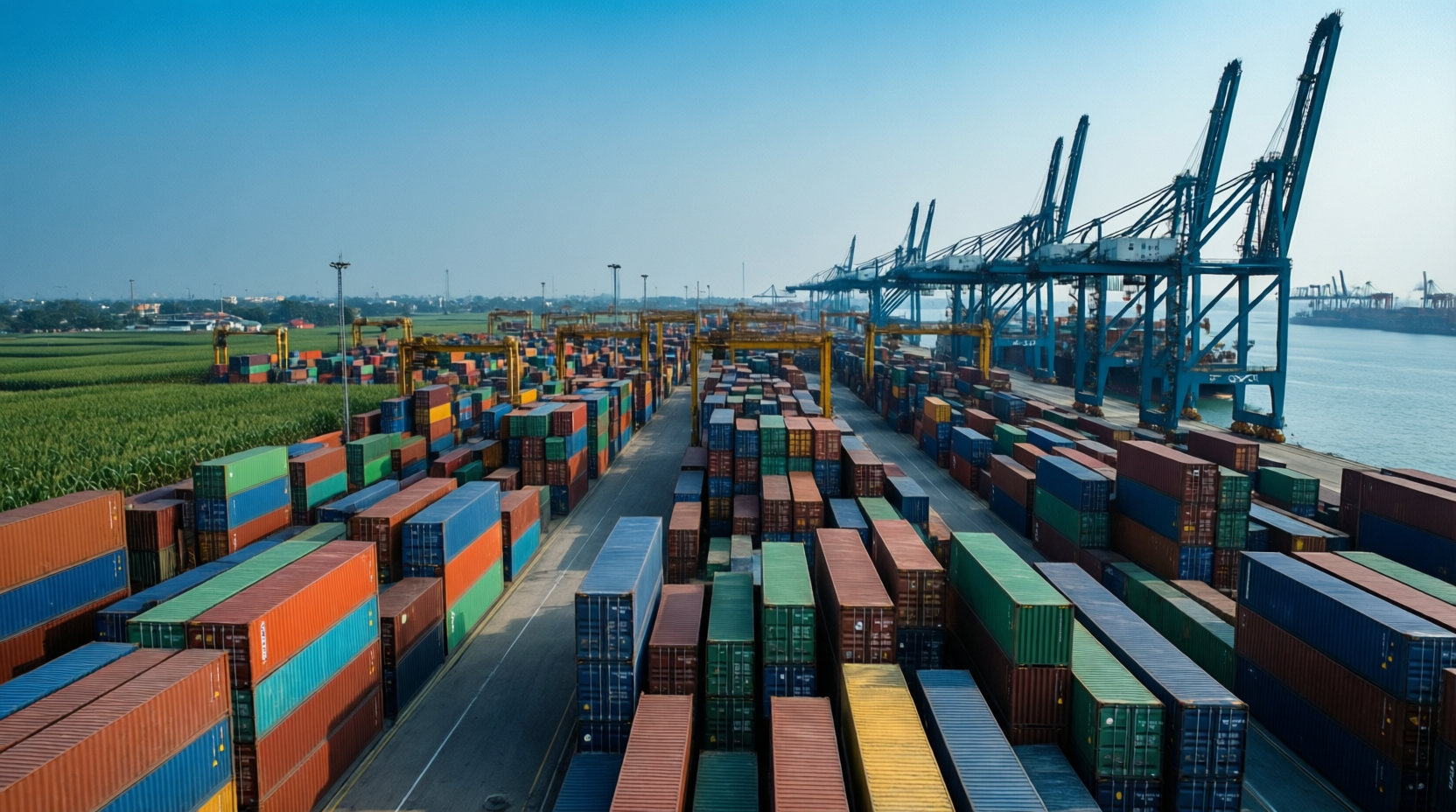
Groundbreaking improvements in freight logistics and reduced shipping costs in 2026 lower the landed price of Indian corn in import destinations. Enhanced port efficiencies and shorter transit times in key export hubs help India maintain supply chain competitiveness against traditional exporters from the Americas and Eastern Europe.
Are government trade agreements impacting corn export volumes?
While India’s 2026 corn export boom is driven more by market fundamentals, trade agreements like the India-UK Comprehensive Economic and Trade Agreement indirectly improve overall export sentiment. Though not directly affecting corn exports to Asia, these pacts enhance global credibility and investor confidence in India’s agro-export sector.
What challenges do Indian exporters face amid rising corn export demand?
- Monsoon variability could risk production stability impacting future stocks.
- Global price volatility may expose exporters to market fluctuations.
- Infrastructure bottlenecks at inland logistics points could constrain scaling.
- Compliance with phytosanitary and quality standards remains crucial for market access.
How can exporters leverage the current market conditions for sustainable growth?
Exporters should capitalize on cost advantages by optimizing supply chains and strengthening relationships with Asian importers. Additionally, investing in quality certifications and proactive compliance will secure long-term contracts, while diversifying export destinations can mitigate regional risks.
Competitive pricing combined with logistics efficiency is turning India into a formidable player in the Asian corn export landscape in 2026.
Strategic Exporter Insight
India's corn export momentum in 2026 highlights the strategic importance of leveraging production scale and cost efficiencies. Exporters ready to adapt to logistical improvements and maintain stringent quality standards will find increased success in competitive Asian markets.
Key takeaways
- India's corn exports are forecasted to reach a three-year high in 2026 due to record production levels.
- Competitive pricing secures India's position against other exporters in key Asian markets.
- Reduced freight and logistics costs have significantly lowered prices to importers, enhancing demand.
- Exporters must navigate challenges including monsoon risks, compliance requirements, and infrastructure limits to sustain growth.
Frequently asked questions
Why are India's corn exports increasing significantly in 2026?
Record domestic corn production and improved cost efficiencies, especially in freight, are driving India's three-year export high in 2026.
How does India maintain competitive pricing on corn exports?
India benefits from favorable crop yields and controlled input costs, allowing it to price corn lower than many global competitors.
Which markets are driving demand for Indian corn exports in 2026?
Asian markets such as Vietnam, Indonesia, and the Philippines are primary importers benefiting from India's competitive corn exports.
What logistics improvements have supported India's export growth?
Enhanced port operations, better freight rates, and streamlined shipping routes have lowered transit times and costs for Indian corn exporters.
What should exporters focus on to capitalize on the 2026 export surge?
Exporters should optimize supply chains, ensure quality compliance, diversify markets, and build strong buyer relationships to sustain export momentum.
- Written and reviewed by our in-house trade experts — not AI-generated filler.
- Market figures come from live platform data across thousands of verified trades.
- Every buyer and supplier on The Trade Union is identity- and document-verified.
- Guides are updated as regulations and market conditions change.