On this page
- What factors are driving India’s maize export growth in 2026?
- How can exporters optimize maize pricing to maintain competitiveness?
- Which international markets offer the best potential for Indian maize exports?
- What supply chain improvements can support maize export growth?
- How should exporters navigate regulatory and tariff challenges?
- What role do bilateral trade relations play in expanding maize exports?
- Can diversification help mitigate risks for maize exporters?
- Key takeaways
- FAQ
India is witnessing a significant surge in maize exports, nearing the highest levels seen in the past three years. This development presents an opportune moment for Indian agro-exporters to strengthen their position in the global maize market. Understanding the dynamics behind this growth and crafting informed strategies can help exporters capitalize on new opportunities amid shifting domestic prices and global demand patterns.
What factors are driving India’s maize export growth in 2026?
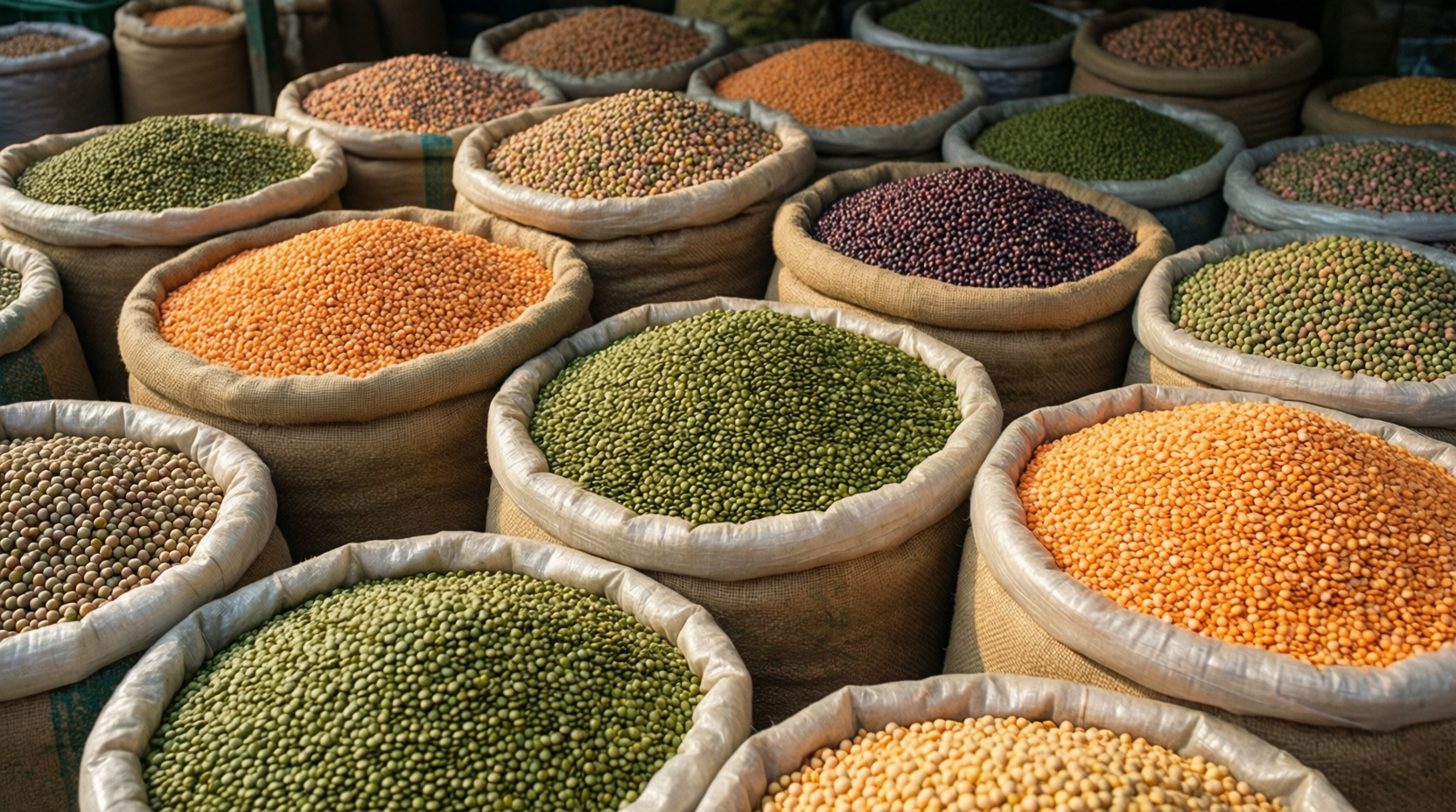
India’s maize exports are nearing a three-year high primarily due to highly competitive pricing influenced by domestic supply variations. While rising domestic prices have impacted some crops like soymeal, maize remains attractively priced for international buyers. Additionally, increasing demand from several key markets, including Southeast Asia and parts of Africa, aligns with India’s growing export volumes.
How can exporters optimize maize pricing to maintain competitiveness?
Exporters should closely monitor global market prices alongside domestic cost structures to set competitive export prices. Leveraging price arbitrage opportunities arising from domestic price fluctuations due to crop cycles can enable better margins. Utilizing futures markets and engaging in forward contracting may mitigate risks associated with price volatility.
Which international markets offer the best potential for Indian maize exports?
- Southeast Asia: Countries like Vietnam and the Philippines are increasing maize imports for feed and industrial use.
- Africa: Growing demand amid supply challenges locally creates opportunities, especially in East and West Africa.
- Middle East: Nations with limited arable land maintain steady maize import needs.
What supply chain improvements can support maize export growth?
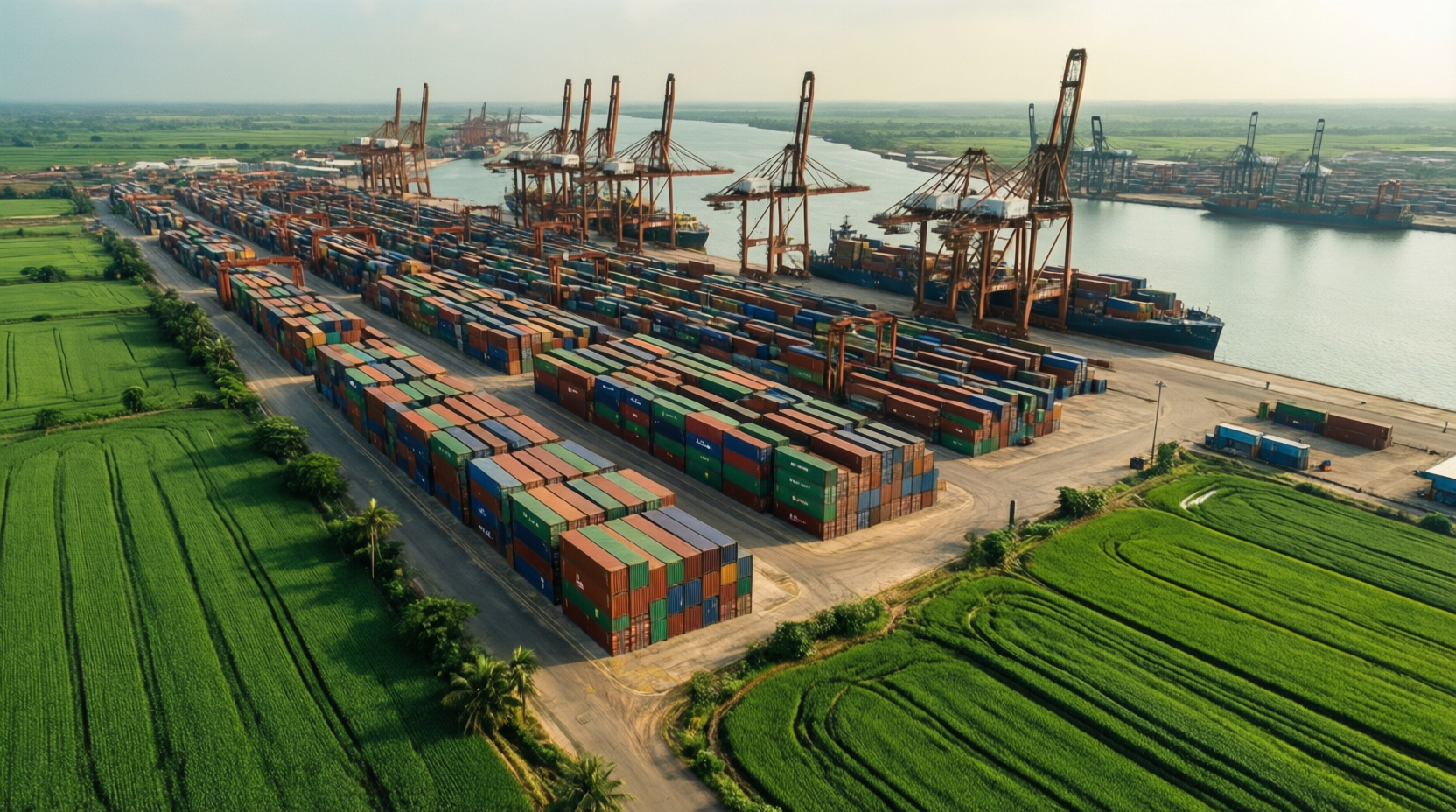
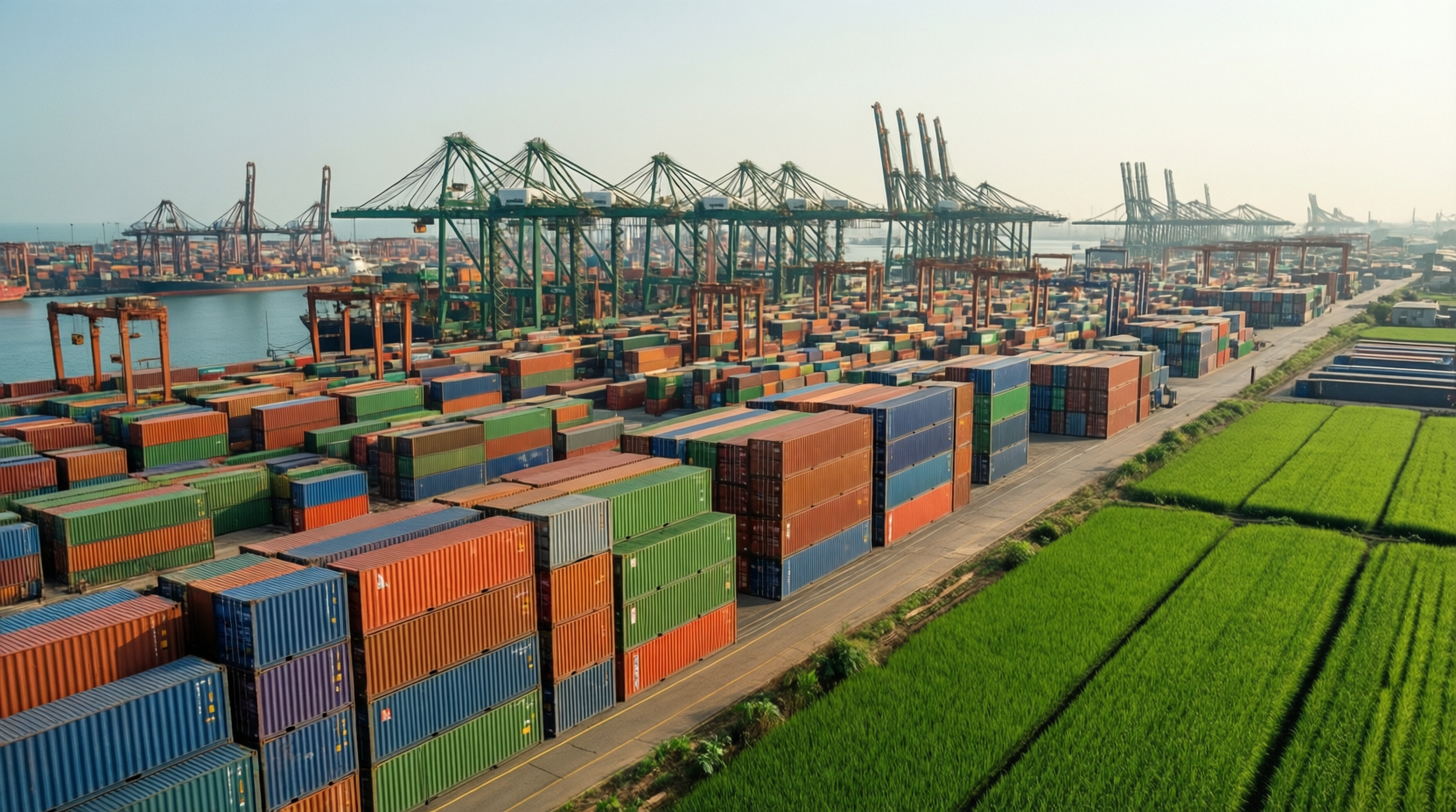
Strengthening logistics, including cold storage and streamlined transport routes, ensures quality preservation. Adopting advanced inventory and shipment tracking technologies enhances delivery reliability. Collaborations with port authorities and freight forwarders can reduce turnaround times and costs, boosting overall competitiveness.
How should exporters navigate regulatory and tariff challenges?
Given the backdrop of potential tariffs such as the 12.5% U.S. import duty under review, staying informed on international trade policies is crucial. Exporters should engage with trade bodies to seek clarifications and leverage government support in dispute resolutions. Diversifying export destinations can also reduce dependence on markets with uncertain tariff environments.
What role do bilateral trade relations play in expanding maize exports?
India's diplomatic initiatives, like urging Mali to lift export bans on key commodities, reflect the importance of bilateral engagements in enhancing agricultural trade. Building similar relationships with maize-importing nations can facilitate smoother market access, help negotiate better terms, and promote India's maize as a reliable export source.
Can diversification help mitigate risks for maize exporters?
Diversifying product lines to include maize derivatives such as cornmeal or starch can open new avenues. Additionally, entering emerging markets alongside traditional buyers spreads geopolitical and demand risks. Combining diversification with quality assurance builds resilience and sustains long-term growth.
"India’s near-record maize export volumes in 2026 signal not just a momentary upswing but a strategic opening for exporters embracing innovation and market agility." – Giriraj Singh, Indian Agriculture Minister
Strategic export growth imperative
Exporters should act swiftly to capitalize on the maize export boom by aligning pricing with market realities, strengthening supply chains, and proactively managing regulatory risks — setting the foundation for sustained global market expansion.
Key takeaways
- India’s maize exports are projected to reach a three-year high in 2026, driven by competitive pricing and rising demand.
- Optimizing pricing strategies and leveraging futures contracts can help exporters remain competitive amid market fluctuations.
- Targeting high-potential markets in Southeast Asia, Africa, and the Middle East can diversify and grow export volumes.
- Improving supply chain logistics and staying abreast of trade regulations are critical to sustaining export momentum.
Frequently asked questions
Why are India’s maize exports expected to increase in 2026?
India’s maize exports are rising due to competitive domestic pricing and growing demand from key international markets, positioning exports near a three-year high.
How can Indian exporters maintain competitive maize pricing internationally?
Exporters can monitor global prices, use futures contracts for risk management, and leverage domestic supply cycles to price maize competitively.
Which countries should Indian maize exporters focus on?
High-potential markets include Southeast Asian countries like Vietnam, African nations with growing import needs, and the Middle East where maize demand remains steady.
What supply chain improvements benefit maize exporters?
Enhanced cold storage, efficient transport, and advanced tracking systems improve maize quality and reliability, aiding export competitiveness.
How do trade policies affect India’s maize exports?
Proposed tariffs like the U.S. 12.5% duty pose challenges, so exporters must stay informed, engage with trade bodies, and diversify markets to mitigate risks.
- Written and reviewed by our in-house trade experts — not AI-generated filler.
- Market figures come from live platform data across thousands of verified trades.
- Every buyer and supplier on The Trade Union is identity- and document-verified.
- Guides are updated as regulations and market conditions change.