On this page
- What are the key regulations governing India’s resumed wheat exports in 2026?
- How can Indian exporters strategically enter and capture global wheat markets after the ban?
- What global trends should Indian wheat exporters monitor in 2026?
- How does India’s wheat export compare to other agricultural export trends in 2026?
- What logistical challenges must Indian wheat exporters anticipate post-ban?
- What role do sustainability and quality standards play in India’s wheat exports?
- How can exporters mitigate risks related to fluctuating global wheat demand?
- Key takeaways
- FAQ
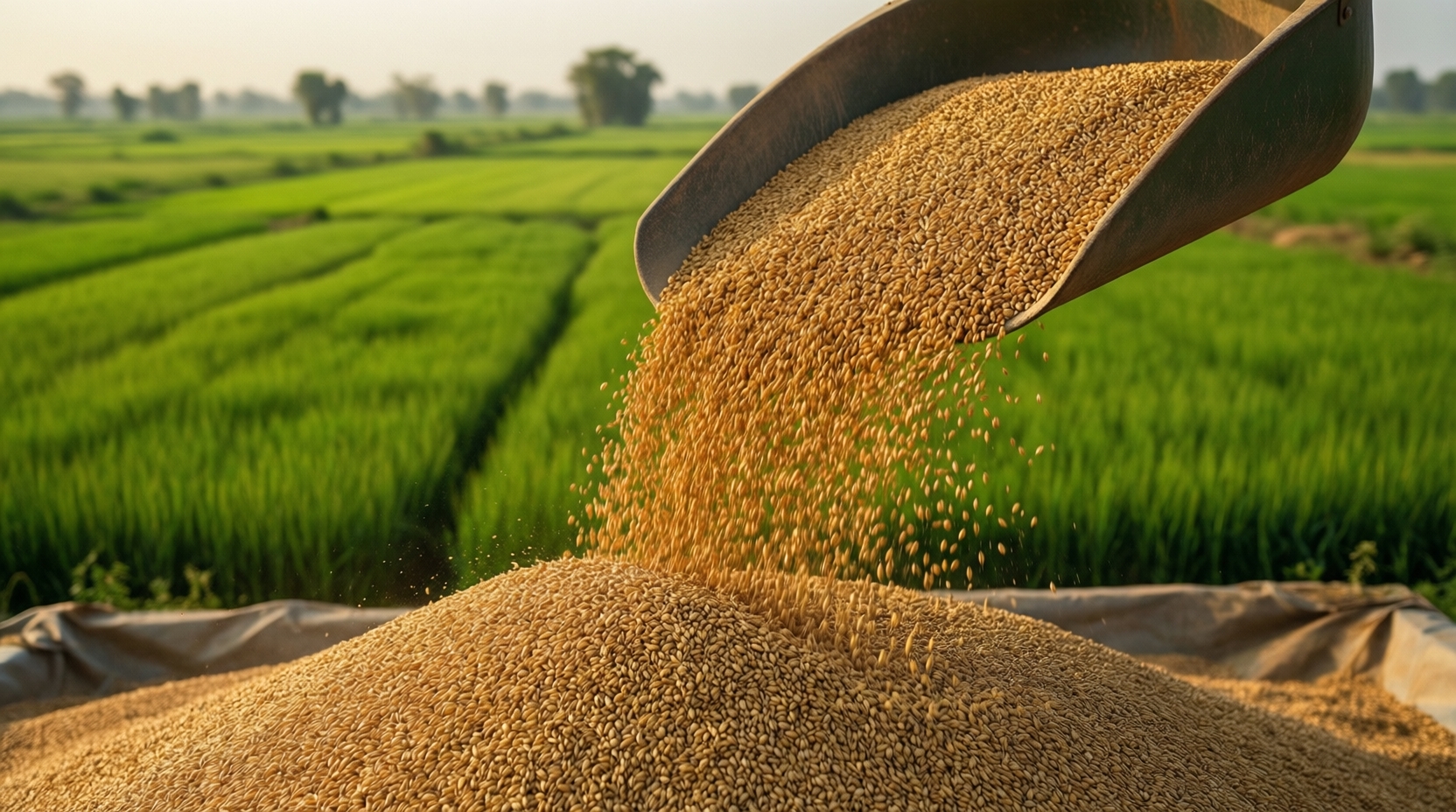
After a three-year ban, India has reopened its wheat export doors, releasing 2.5 million tonnes of wheat along with 500,000 tonnes of wheat products for global markets. This policy shift marks a fresh chapter for Indian exporters who now face the challenge of strategically navigating the global wheat trade to fulfill surging demand and regain market share.
What are the key regulations governing India’s resumed wheat exports in 2026?
India’s government has carefully calibrated its post-ban export policy to balance domestic food security with international trade opportunities. Exporters must comply with new quotas and quality controls, including certification standards by the Agricultural and Processed Food Products Export Development Authority (APEDA). Additionally, wheat exports are capped at 2.5 million tonnes with an additional allowance for wheat products, requiring exporters to plan volumes accordingly.
How can Indian exporters strategically enter and capture global wheat markets after the ban?
To successfully re-enter global markets, Indian exporters should adopt diversified market targeting by focusing on demand-heavy regions such as South Asia, the Middle East, and Southeast Asia. Competitive pricing derived from record domestic wheat production can be leveraged, alongside building strong relationships with importers through transparency and reliability. Additionally, staying abreast of international regulatory changes and offering value-added wheat products will create competitive advantage.
What global trends should Indian wheat exporters monitor in 2026?
- Rising global wheat prices due to supply constraints and geopolitical tensions.
- Increased demand from countries recovering from drought or poor harvests.
- Growing focus on food safety and traceability standards internationally.
- Expansion of alternative staple crops like maize, impacting demand dynamics.
How does India’s wheat export compare to other agricultural export trends in 2026?
India’s wheat export revival fits within a broader pattern of export growth seen in other sectors. For instance, Indian maize exports are surging to a three-year high, capitalizing on record production and competitive pricing. This momentum demonstrates India’s strengthening position in global agro-exports, although exporters must remain vigilant regarding logistics and international competition from countries like South Africa and Egypt, which are also expanding their agricultural export volumes.
What logistical challenges must Indian wheat exporters anticipate post-ban?
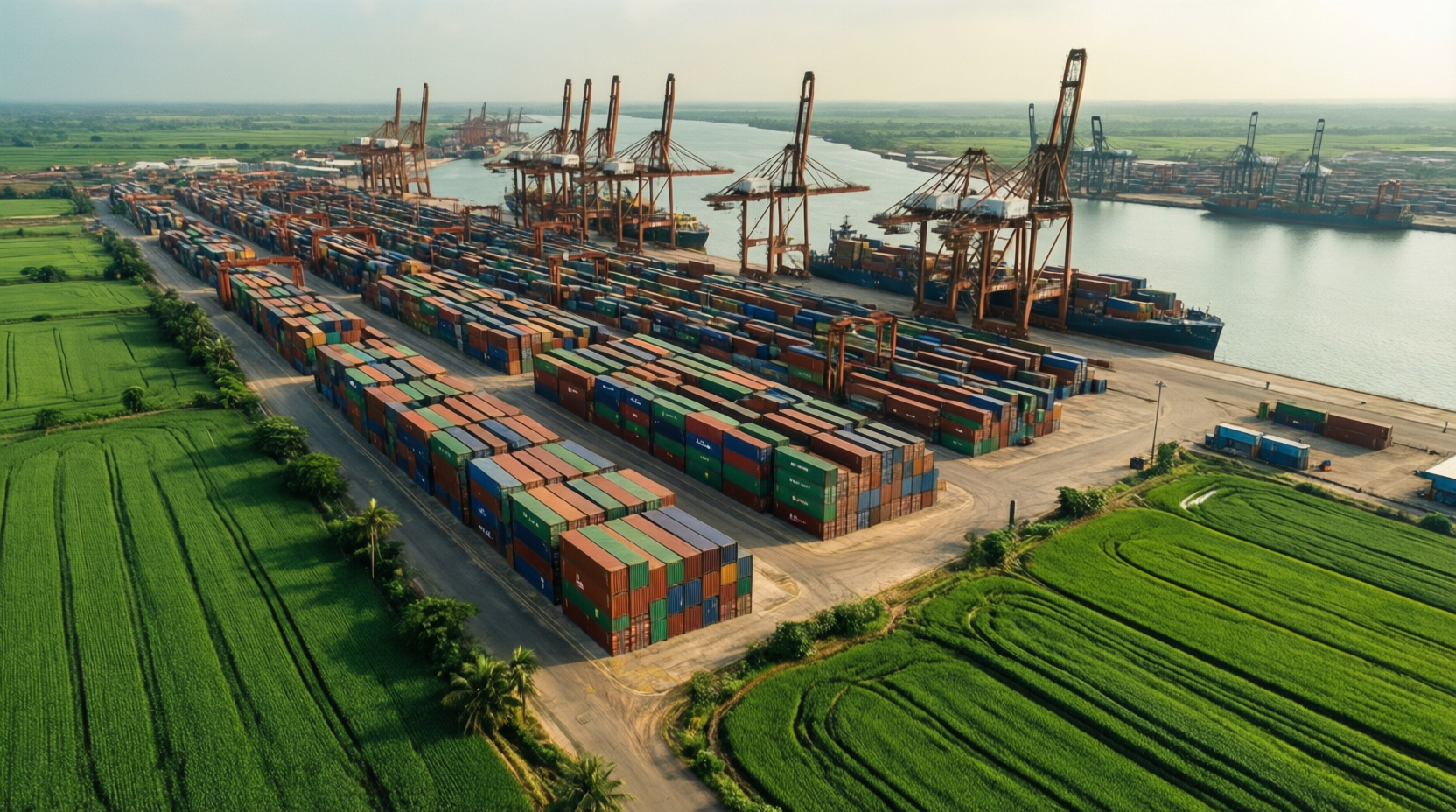
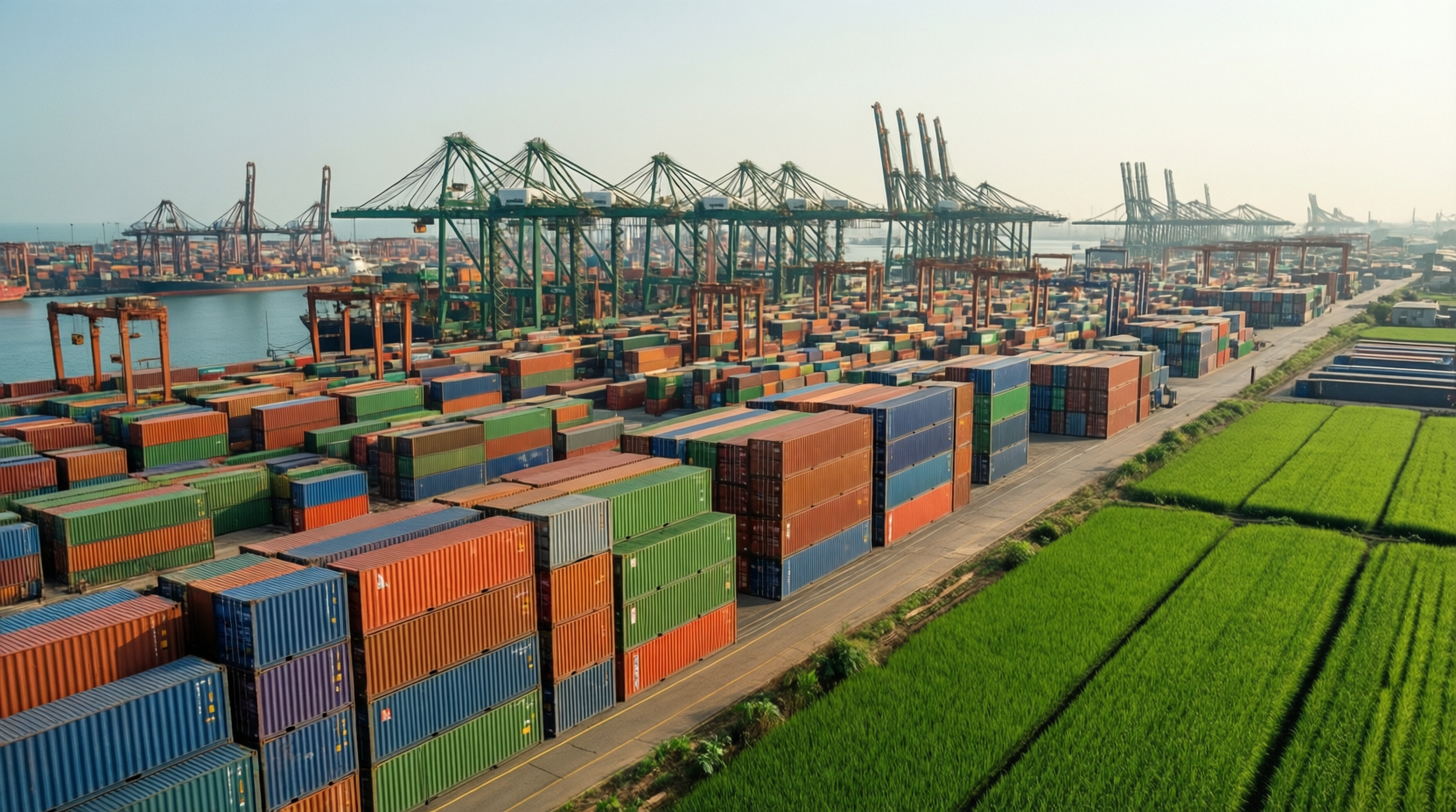
Exporters face challenges including port congestion, storage capacity limits, and transportation bottlenecks. Efficient coordination between producers, exporters, and government bodies is critical to ensure timely shipments. Learning from South Africa’s experience—a noted 11% rise in agri-exports despite bottlenecks—Indian exporters should prioritize investment in cold chain and supply chain infrastructures to maintain quality and meet delivery timelines.
What role do sustainability and quality standards play in India’s wheat exports?
Global buyers increasingly demand sustainable farming practices and traceable quality standards. Indian exporters who invest in certifications such as GlobalGAP or organic labels can differentiate their wheat in competitive markets. Moreover, environmental factors like water use and eco-friendly farming will influence buyer preferences, encouraging exporters to adopt green practices for long-term market access.
Expert Insight: "India’s re-entry into the wheat export market is a game changer – exporters who align their strategy with global demand signals and regulatory frameworks will lead the pack." – Dr. Nidhi Sharma, Agricultural Economist
How can exporters mitigate risks related to fluctuating global wheat demand?
- Diversify export destinations to reduce dependence on any single market.
- Engage in futures contracts and hedging to manage price volatility.
- Maintain flexible supply chains that can adjust volumes quickly.
- Invest in market research for timely insights on shifting demand patterns.
Key takeaways
- India lifted its three-year wheat export ban in July 2026, enabling exports up to 2.5 million tonnes plus wheat products.
- Exporters must navigate updated regulations and leverage India’s competitive pricing to regain global market share.
- Diversification of export destinations and compliance with quality standards are critical to success.
- Logistical efficiency and sustainable farming practices will enhance global competitiveness.
Frequently asked questions
What quantities of wheat can Indian exporters ship post the ban lift?
India allows up to 2.5 million tonnes of wheat along with an additional 500,000 tonnes of wheat-derived products for export under the current policy.
Which markets should Indian wheat exporters target first after resuming exports?
Key target markets include South Asia, Middle East, and Southeast Asia where demand is rising, and Indian wheat’s competitive pricing creates opportunities.
What certification standards are required for Indian wheat exports?
Exporters must comply with APEDA guidelines and focus on certifications like GlobalGAP, organic labels, and food safety standards demanded by importing countries.
How can exporters handle global wheat price volatility in 2026?
Strategies include diversifying export destinations, using financial instruments like futures contracts, and maintaining flexible supply chains to adjust to market changes.
What logistical considerations are important for wheat exports from India?
Addressing port congestion, ensuring reliable transport and storage, and investing in supply chain infrastructure are vital to meet delivery timelines and maintain quality.
- Written and reviewed by our in-house trade experts — not AI-generated filler.
- Market figures come from live platform data across thousands of verified trades.
- Every buyer and supplier on The Trade Union is identity- and document-verified.
- Guides are updated as regulations and market conditions change.