On this page
- What makes Singapore an attractive market for Indonesia’s premium rice exports?
- How can Indonesian exporters align their products with Singaporean consumer preferences?
- What regulatory requirements must Indonesian rice exporters comply with for Singapore?
- What logistics considerations support timely and cost-effective exports to Singapore?
- How can Indonesian exporters build strong trade partnerships in Singapore?
- What pricing strategies are effective for penetrating Singapore’s premium rice market?
- What challenges should exporters anticipate entering Singapore’s rice market?
- Key takeaways
- FAQ
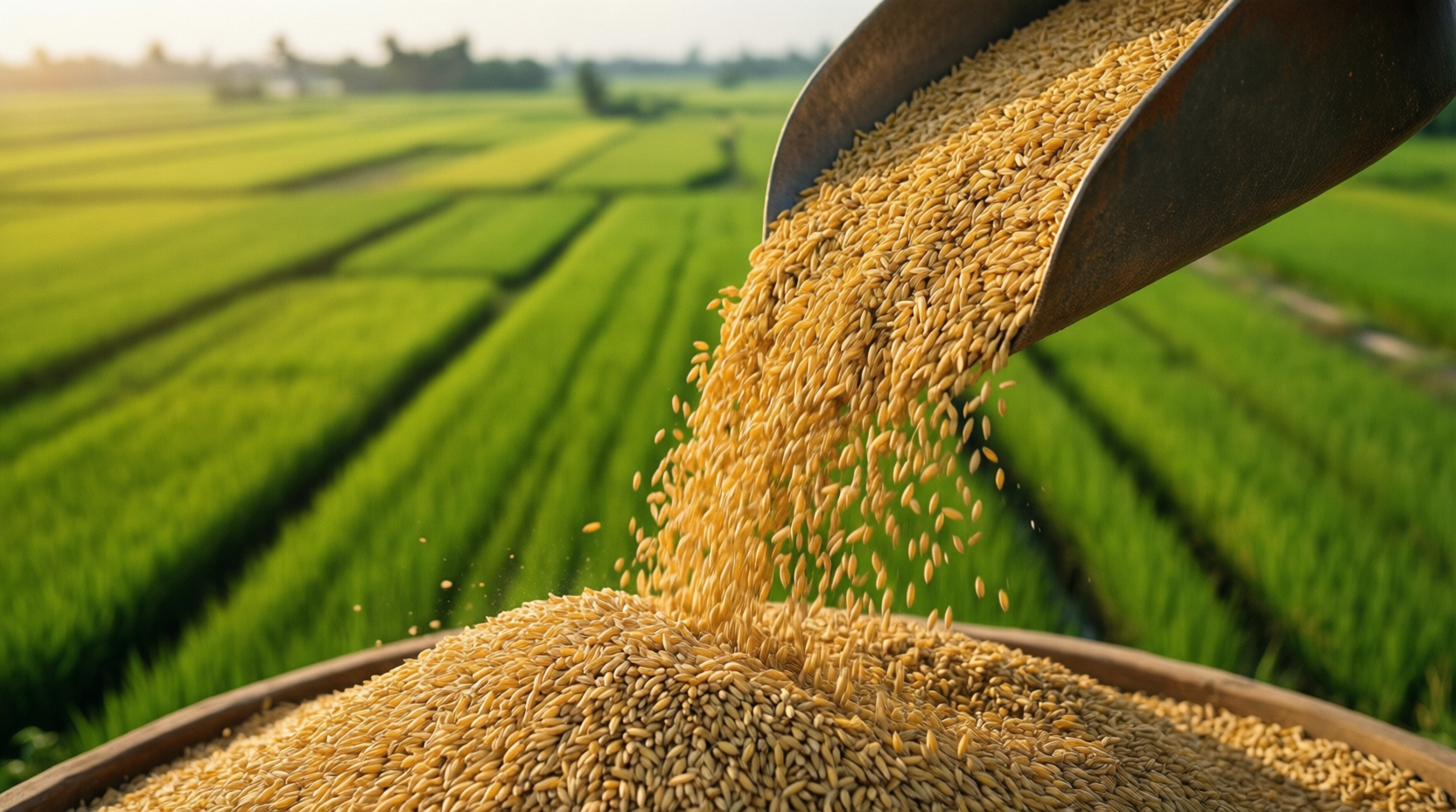
Indonesia has announced its intention to export 10,000 tons of premium rice to Singapore in 2026, presenting a valuable opportunity for exporters amid a national surplus. This guide examines strategies Indonesian exporters can deploy to effectively enter Singapore's premium rice market, ensuring sustained growth and partnership.
What makes Singapore an attractive market for Indonesia’s premium rice exports?
Singapore's position as a high-income country with discerning consumers drives demand for quality food products, including premium rice. Its limited local agricultural production necessitates imports, creating steady demand for diverse rice varieties. Moreover, existing strong trade links and geographical proximity offer logistical advantages for Indonesian exporters.
How can Indonesian exporters align their products with Singaporean consumer preferences?
- Focus on premium rice varieties favored by Singaporeans, such as jasmine and specialty aromatic rices.
- Ensure consistent high quality with stringent quality control and grading to meet Singapore standards.
- Highlight product freshness, packaging innovations, and brand story to appeal to urban, health-conscious buyers.
What regulatory requirements must Indonesian rice exporters comply with for Singapore?
- Obtain mandatory import permits from Singapore Food Agency (SFA).
- Comply with food safety and residue limits under SFA’s regulations.
- Label products clearly with origin, ingredients, and certifications as per Singapore law.
- Ensure traceability and documentation for customs clearance.
What logistics considerations support timely and cost-effective exports to Singapore?
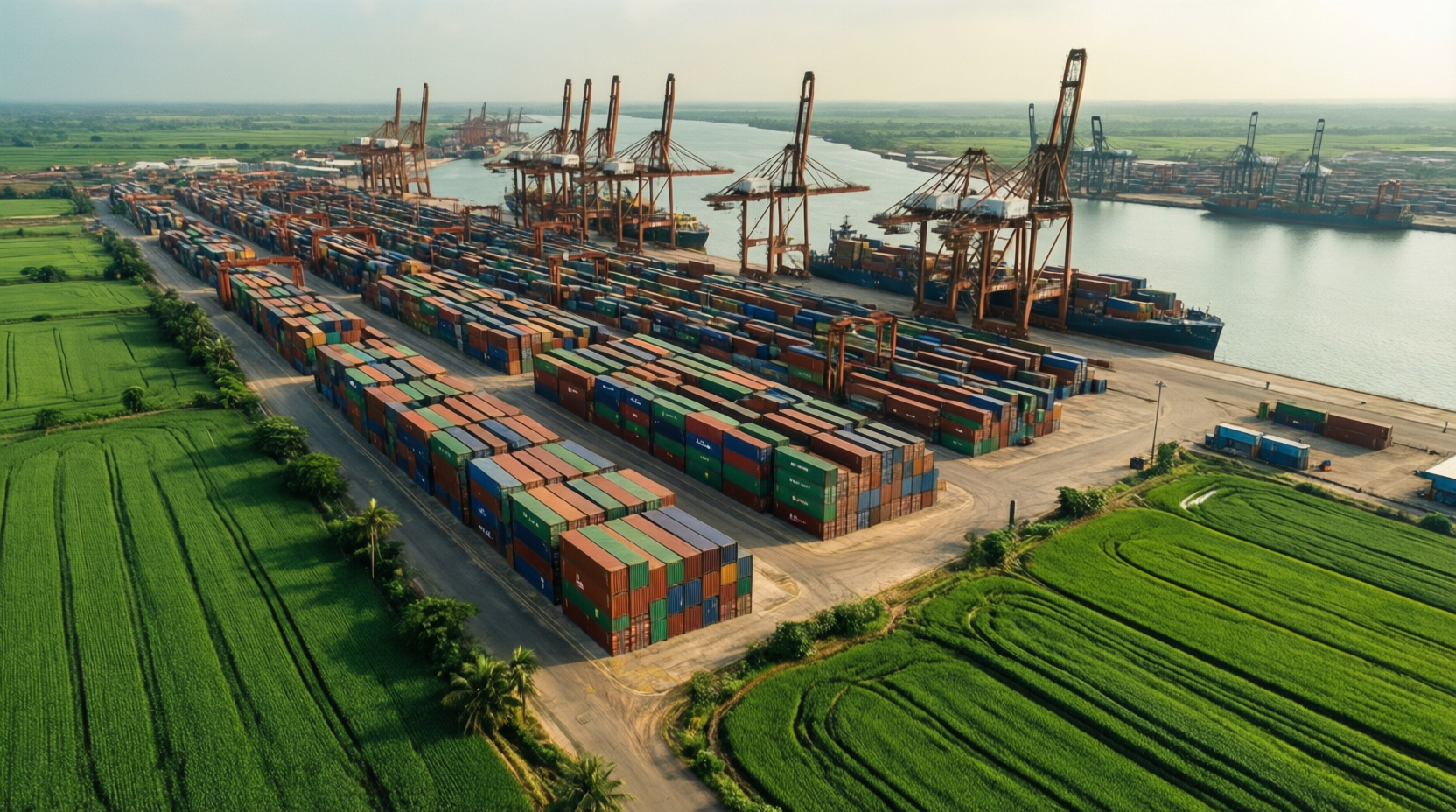
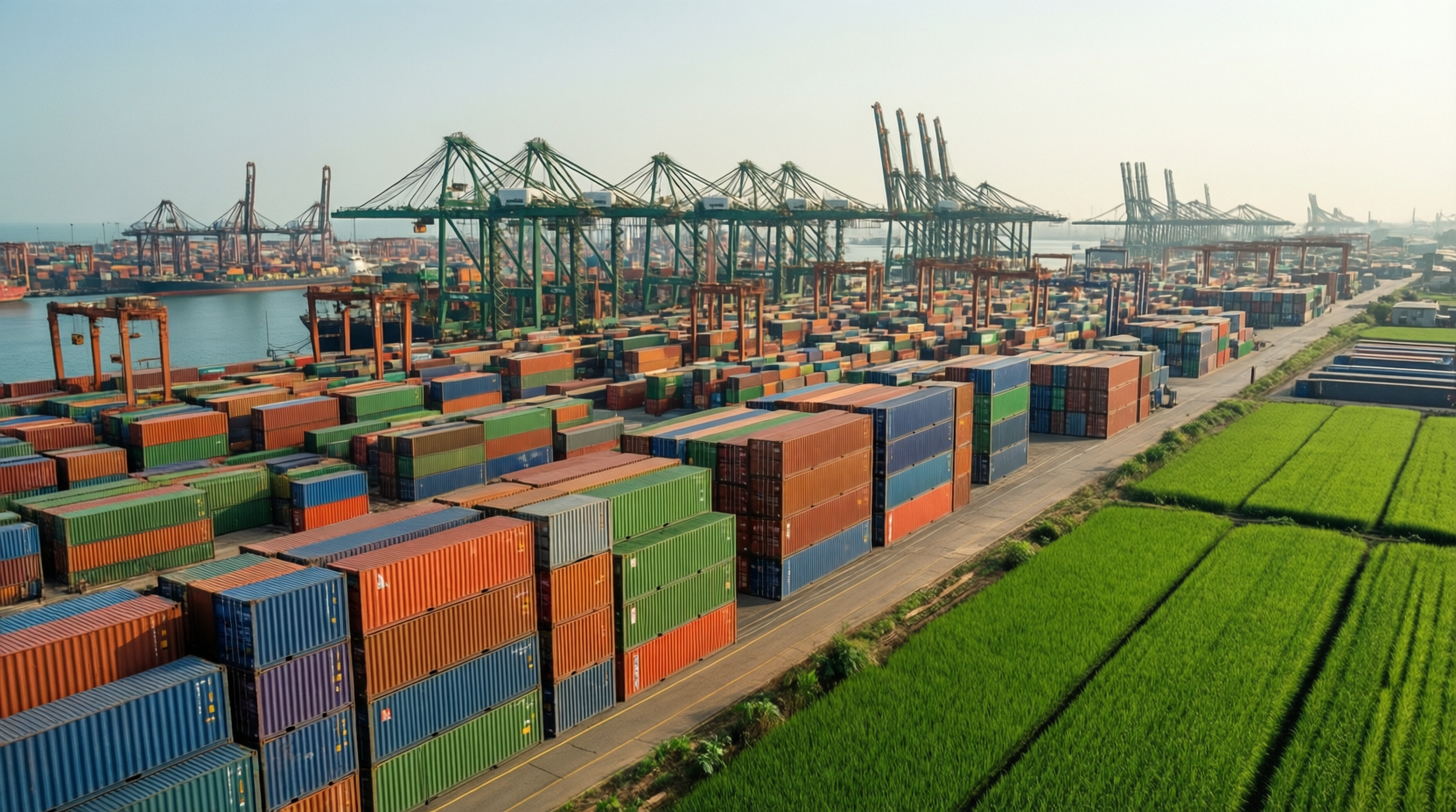
- Leverage Indonesia-Singapore sea freight routes for fast shipping times.
- Partner with reliable freight forwarders familiar with perishable food standards.
- Utilize consolidated shipments initially to optimize costs for smaller export volumes.
- Monitor seasonal demand fluctuations to adjust shipment schedules accordingly.
How can Indonesian exporters build strong trade partnerships in Singapore?
- Collaborate with local importers and distributors experienced in premium food markets.
- Participate in Singaporean trade fairs and expos to showcase products and network.
- Offer competitive pricing strategies while emphasizing quality and reliability.
- Engage in joint marketing initiatives to raise brand awareness among Singapore consumers.
What pricing strategies are effective for penetrating Singapore’s premium rice market?
Balancing affordability with premium positioning is critical. Fixed costs such as freight and tariffs affect pricing, yet Singapore consumers are willing to pay a premium for quality and origin assurance. Strategic introductory offers combined with value-added packaging can foster trial and build customer loyalty.
What challenges should exporters anticipate entering Singapore’s rice market?
- 1Navigating complex import regulations and ensuring full compliance.
- 2Managing competition from established rice exporters such as Thailand and Vietnam.
- 3Addressing consumer perceptions and differentiating Indonesian rice effectively.
- 4Mitigating logistics disruptions, such as port congestion or shipment delays.
"Indonesia’s rice export to Singapore represents a strategic win that leverages our surplus production and strong agro-industry capabilities." - Dr. Rini Wulandari, Senior Trade Analyst
Export Strategy Insight
Key to Indonesia’s success in Singapore is a comprehensive approach combining product quality, regulatory compliance, efficient logistics, and strong market partnerships.
Key takeaways
- Indonesia plans to export 10,000 tons of premium rice to Singapore in 2026 to capitalize on surplus production.
- Understanding Singapore’s premium rice consumer preferences is essential for market fit and differentiation.
- Compliance with Singapore Food Agency regulations and thorough documentation ensure smooth import processes.
- Strong logistics partnerships and competitive pricing strategies enhance market entry effectiveness.
Frequently asked questions
What types of premium rice from Indonesia are popular in Singapore?
Jasmine and aromatic specialty rice varieties are most popular among Singaporean consumers seeking premium quality and flavor.
Do Indonesian rice exporters need special permits to export to Singapore?
Yes, obtaining import permits from the Singapore Food Agency and complying with food safety regulations is mandatory.
How can exporters ensure timely delivery of rice to Singapore?
Collaborating with experienced freight forwarders familiar with Indonesia-Singapore routes and scheduling shipments can help ensure timeliness.
What are competitive pricing strategies for Indonesia rice in Singapore?
Balancing premium quality with value pricing and offering promotional packages can effectively attract Singapore consumers.
What distinguishes Indonesia’s rice export offer in the Singapore market?
Indonesia's offer leverages a national surplus to provide a reliable supply of high-quality, fresh premium rice attractive to discerning Singaporean buyers.
- Written and reviewed by our in-house trade experts — not AI-generated filler.
- Market figures come from live platform data across thousands of verified trades.
- Every buyer and supplier on The Trade Union is identity- and document-verified.
- Guides are updated as regulations and market conditions change.