On this page
- How can Indian exporters utilize FTAs to enhance agricultural exports to African markets?
- What emerging commodities hold promise for India-Africa agricultural trade growth?
- What strategies should exporters adopt to maximize FTA benefits?
- How do geopolitical and tariff changes impact India-Africa agricultural trade, and how can FTAs help?
- How can improved logistics complement FTA benefits in India-Africa trade?
- What role do regulations and phytosanitary standards play in maximizing FTA utilization?
- Key takeaways
- FAQ
The agricultural trade between India and African nations is at a pivotal junction, with free trade agreements (FTAs) providing a promising roadmap to overcome challenges like tariff barriers and market access complexities. Amid global trade uncertainties, both regions have recorded commendable export performances, particularly in fresh fruits, vegetables, and soybean products. This article delves into how exporters can optimize FTA benefits to drive mutual growth in agricultural commerce.
How can Indian exporters utilize FTAs to enhance agricultural exports to African markets?
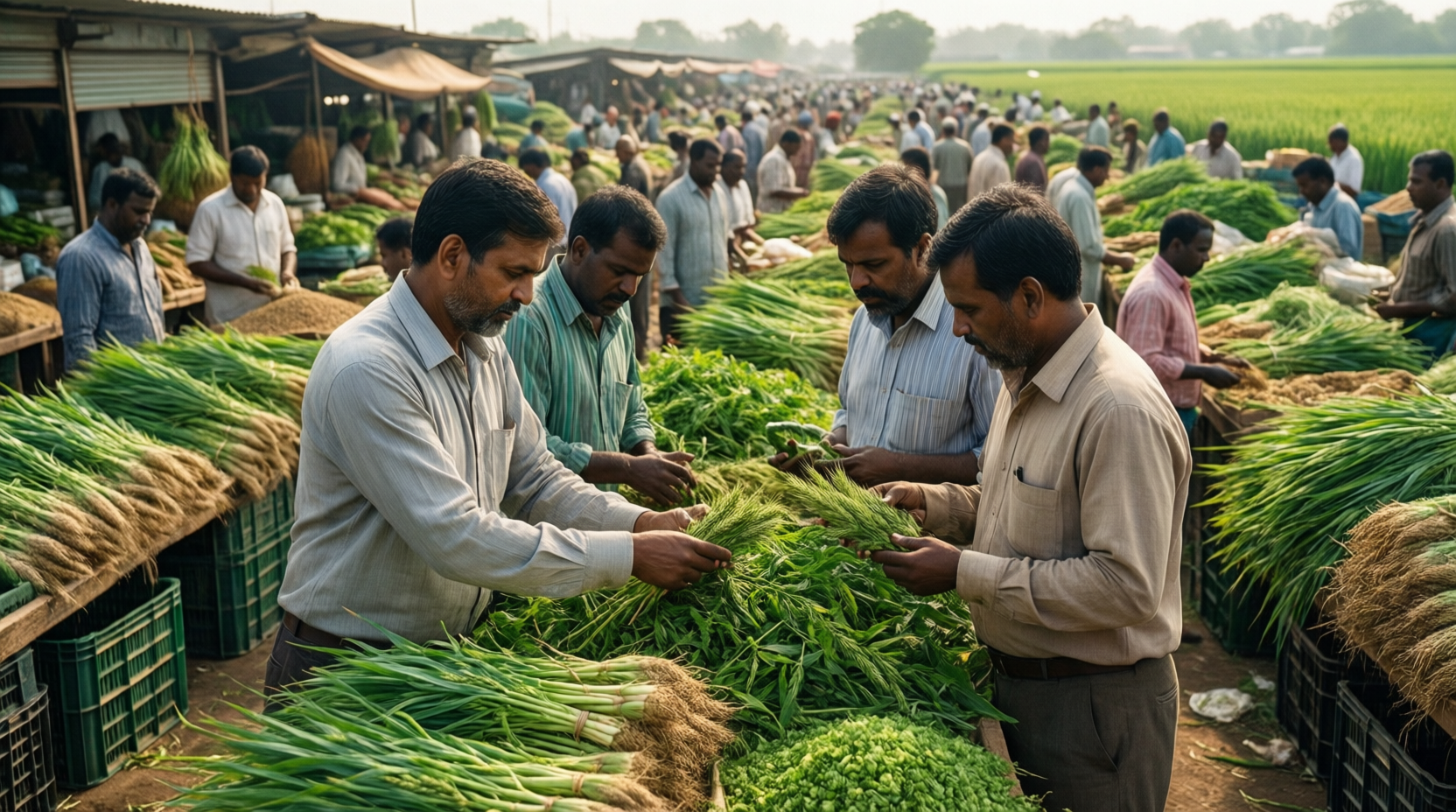
Indian exporters can leverage FTAs to access African markets with reduced or zero tariffs on key agricultural commodities like mangoes, bananas, and spices. By aligning export products with tariff concessions under agreements such as the India-Africa Preferential Trade Agreement (PTA), exporters can increase competitiveness and profitability. Moreover, focusing on compliance with African phytosanitary requirements facilitates smoother market entry and customer trust.
What emerging commodities hold promise for India-Africa agricultural trade growth?
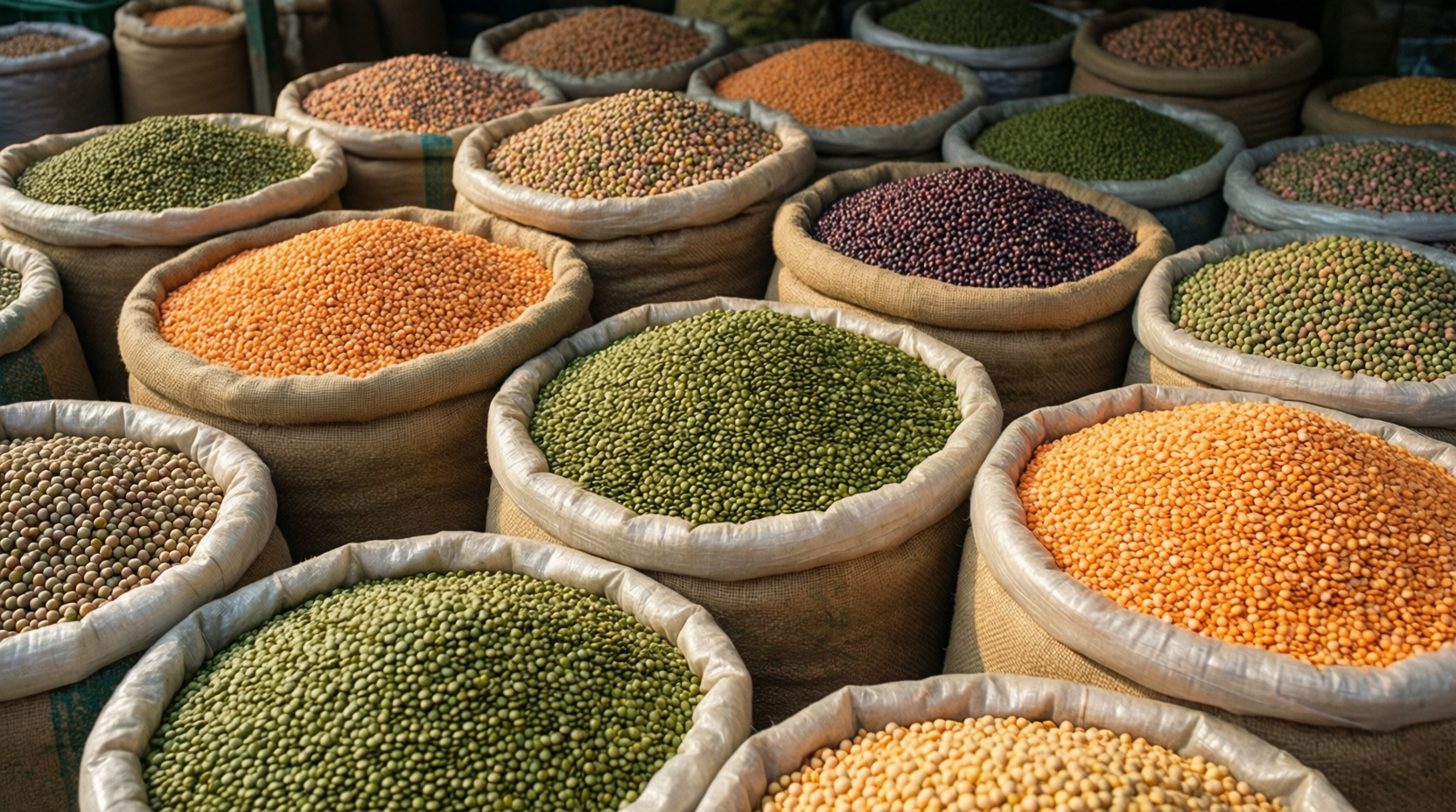
Emerging commodities include India's fresh fruits such as pomegranates and grapes, along with processed food products that meet health standards. On the African side, commodities like soybean meal from Ethiopia are gaining traction, especially with China-bound trade enhancing regional value chains. These products benefit from expanding FTAs by enjoying preferential tariffs and streamlined customs procedures, encouraging export diversification.
What strategies should exporters adopt to maximize FTA benefits?
- Understand the specific tariff lines covered by FTAs and target products accordingly.
- Invest in compliance with quality and phytosanitary standards demanded by partner nations.
- Explore market diversification to reduce dependency on traditional markets affected by tariffs.
- Leverage government export promotion schemes aligned with FTA frameworks.
- Engage in bilateral dialogues to address trade barriers and logistical challenges.
How do geopolitical and tariff changes impact India-Africa agricultural trade, and how can FTAs help?
Recent tariffs imposed by countries like the U.S. have affected Indian and South African agricultural exports, leading to market share losses. FTAs provide a critical tool to mitigate such impacts by securing preferential access to alternative markets within Africa and India, supporting growth despite external shocks. Strategic use of FTAs thus enables exporters to navigate geopolitical uncertainties more effectively.
How can improved logistics complement FTA benefits in India-Africa trade?
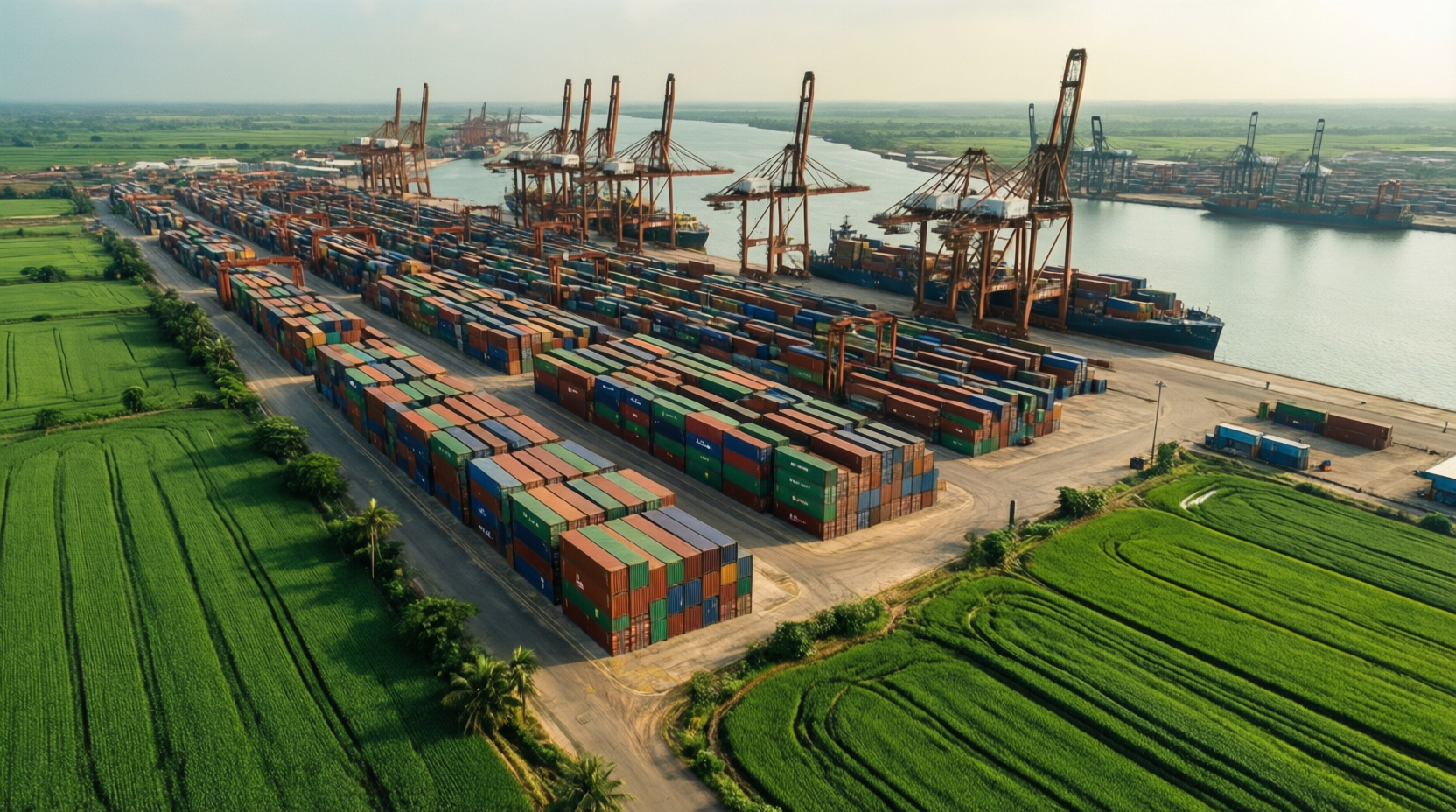
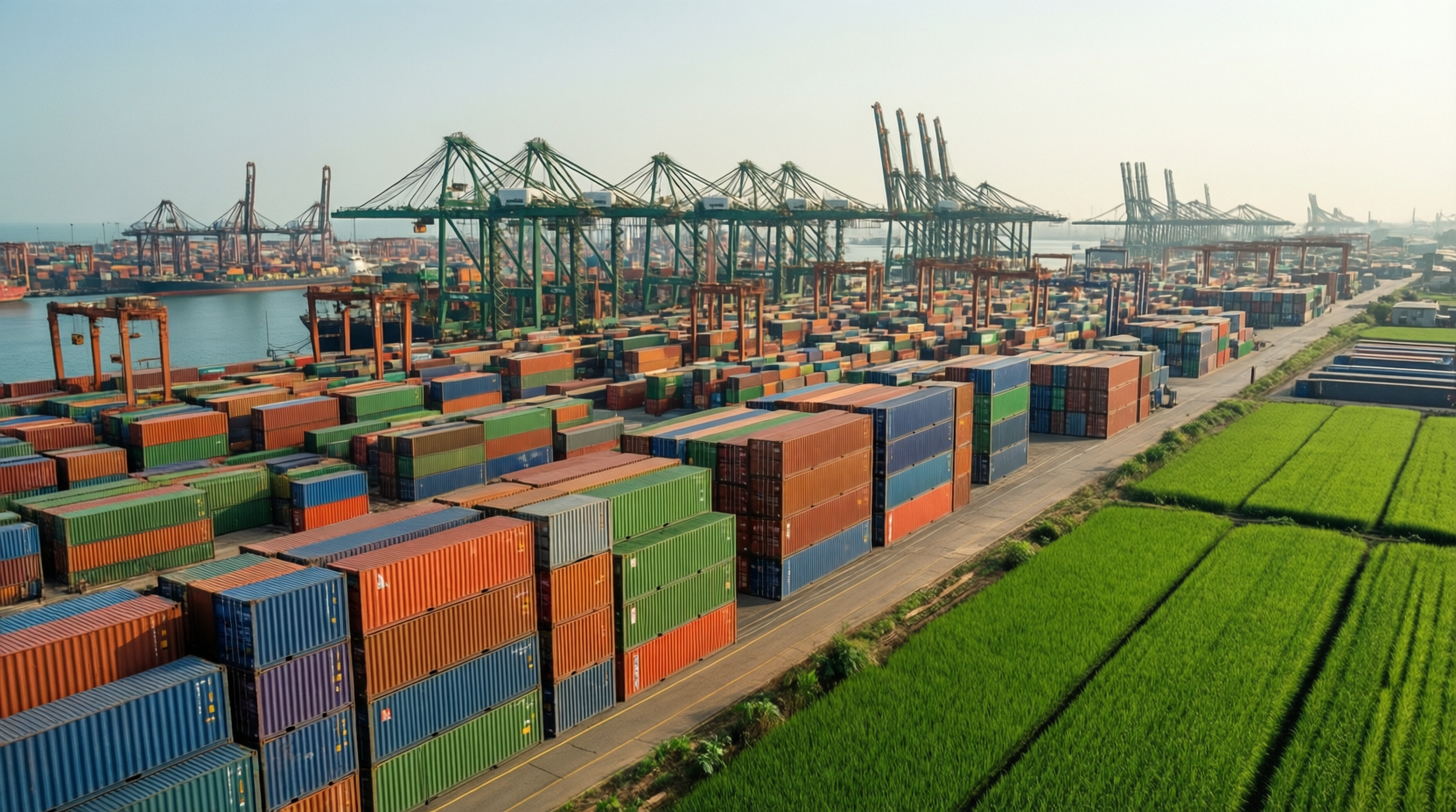
Efficient logistics reduce time and cost, amplifying the advantages gained from tariff concessions through FTAs. For instance, South African exporters rerouting shipments via Eastern Cape ports illustrate proactive adaptation to logistical pressures. Indian exporters investing in cold chain infrastructure also enhance freshness and compliance, enabling better use of FTA-enabled market opportunities.
Expert Insight
"Leveraging FTAs is not just about tariff reduction; it’s about building resilient, compliant, and diversified supply chains that can thrive amid global trade shifts." – Dr. Nandita Rao, Agricultural Trade Expert
What role do regulations and phytosanitary standards play in maximizing FTA utilization?
Regulatory compliance is paramount to ensure products meet import requirements, thereby fully benefiting from FTAs. Indian exporters adapting to African standards and African exporters aligning with Chinese phytosanitary norms exemplify this approach. Such adherence prevents shipment rejections and builds lasting trade relationships critical for leveraging preferential tariff treatments.
Key takeaways
- India and African exporters can significantly boost agricultural trade by strategically utilizing existing FTAs to reduce tariffs and access emerging markets.
- Emerging commodities like Indian fresh fruits and African soybean products present new opportunities under FTA frameworks.
- Exporters must invest in compliance with phytosanitary and quality standards to fully capitalize on FTA benefits.
- Mitigating geopolitical risks via market diversification within FTAs strengthens trade resilience.
Frequently asked questions
What are the main FTAs currently available between India and African nations for agriculture?
Key agreements include the India-Africa Preferential Trade Agreement (PTA), which offers tariff concessions on select agricultural commodities, facilitating easier and more cost-effective trade.
How can exporters identify which commodities benefit most from FTAs?
Exporters should analyze the tariff schedules under FTAs, focus on emerging commodities with growing demand, and assess compliance requirements to determine the best products for export.
What challenges do exporters face in utilizing FTAs fully?
Challenges include understanding complex tariff rules, meeting strict quality and phytosanitary standards, and navigating logistical constraints that can limit market access.
Can FTAs help in overcoming tariffs imposed by third countries like the U.S.?
Yes, FTAs provide alternative preferential market access, enabling exporters to diversify destinations and reduce reliance on markets affected by external tariffs.
What role does logistics play in enhancing benefits from FTAs?
Efficient and reliable logistics ensure timely delivery, reduce costs, and maintain product quality, which are essential for maximizing the competitive advantages provided by FTAs.
- Written and reviewed by our in-house trade experts — not AI-generated filler.
- Market figures come from live platform data across thousands of verified trades.
- Every buyer and supplier on The Trade Union is identity- and document-verified.
- Guides are updated as regulations and market conditions change.