On this page
- What benefits does the India-Oman CEPA provide for fresh fruit exporters?
- How can Indian exporters capitalize on the first litchi exports to Oman?
- Which fresh fruits have promising export potential to Oman and the Middle East?
- What logistical challenges should exporters be prepared for?
- How do geopolitical factors impact fresh fruit exports to Oman?
- What role do quality standards and certifications play in entering Middle East markets?
- How can exporters effectively promote Indian fresh fruits in Oman?
- What are the key export opportunities for Indian fresh fruits under CEPA?
- Key takeaways
- FAQ
With India’s agricultural exports demonstrating resilience amid global challenges, the India-Oman Comprehensive Economic Partnership Agreement (CEPA) is unlocking fresh export opportunities. The recent first-ever shipment of fresh litchis from Punjab to Oman under this agreement signals a promising gateway for Indian exporters to expand their reach in Middle Eastern markets.
What benefits does the India-Oman CEPA provide for fresh fruit exporters?
The India-Oman CEPA reduces or eliminates tariffs on a wide range of agricultural products, including many fresh fruits, thereby lowering export costs. It also simplifies customs procedures, facilitates smoother logistics, and encourages closer regulatory cooperation, making it easier for Indian exporters to enter the Omani market competitively. These provisions collectively enhance price competitiveness and market access for Indian fresh fruits.
How can Indian exporters capitalize on the first litchi exports to Oman?
Punjab’s successful export of fresh litchis to Oman under CEPA demonstrates the potential for other fresh fruits as well. Exporters should leverage this proof of concept to build relationships with Omani importers and distributors, promote Indian fruits through trade fairs and B2B platforms, and ensure consistent quality and supply to establish brand trust in the Middle East market.
Which fresh fruits have promising export potential to Oman and the Middle East?
- Litchis, mangoes, pomegranates, and guavas due to strong regional demand.
- Citrus fruits like oranges and sweet lemons favored for their freshness.
- Exotic berries and specialty fruits that differentiate Indian offerings.
What logistical challenges should exporters be prepared for?
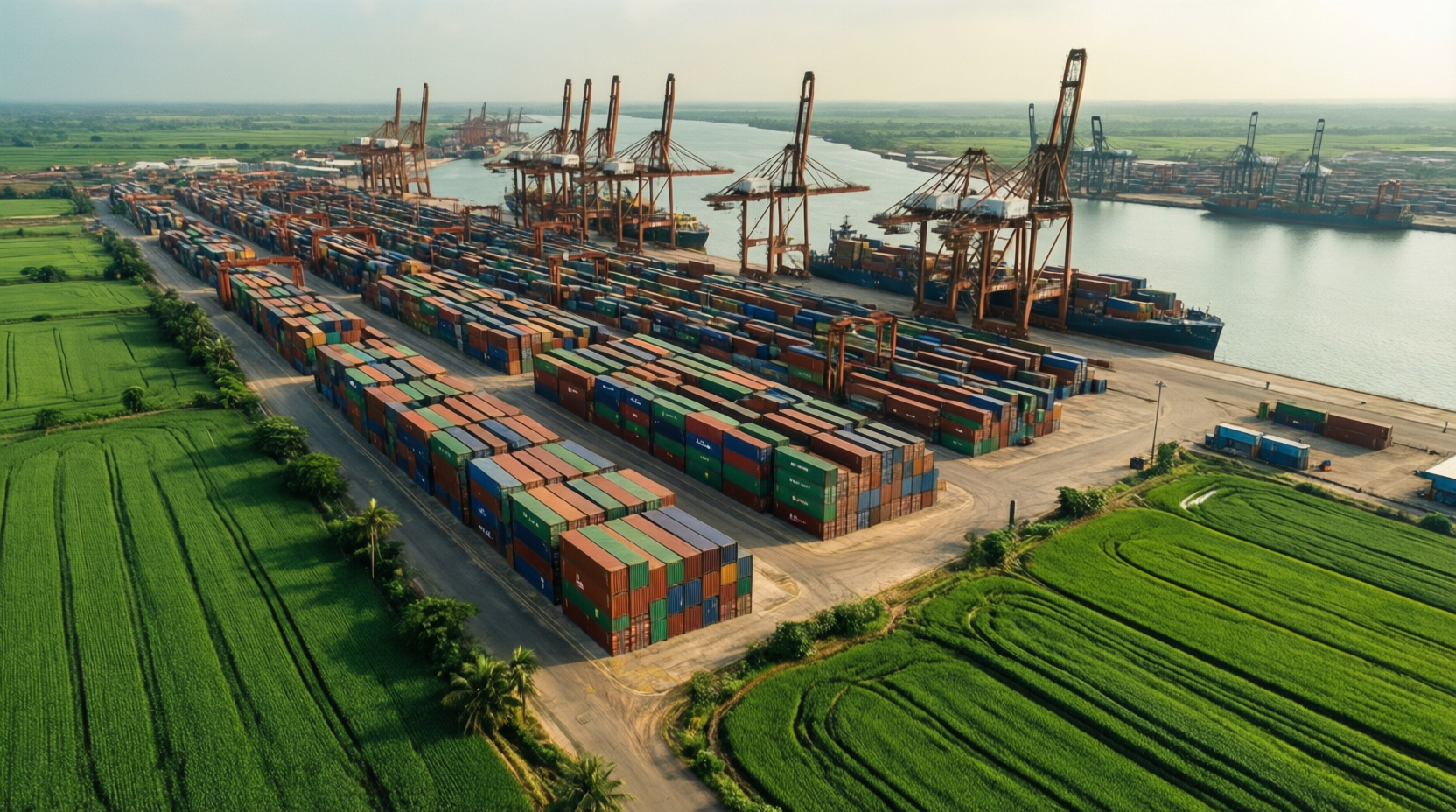
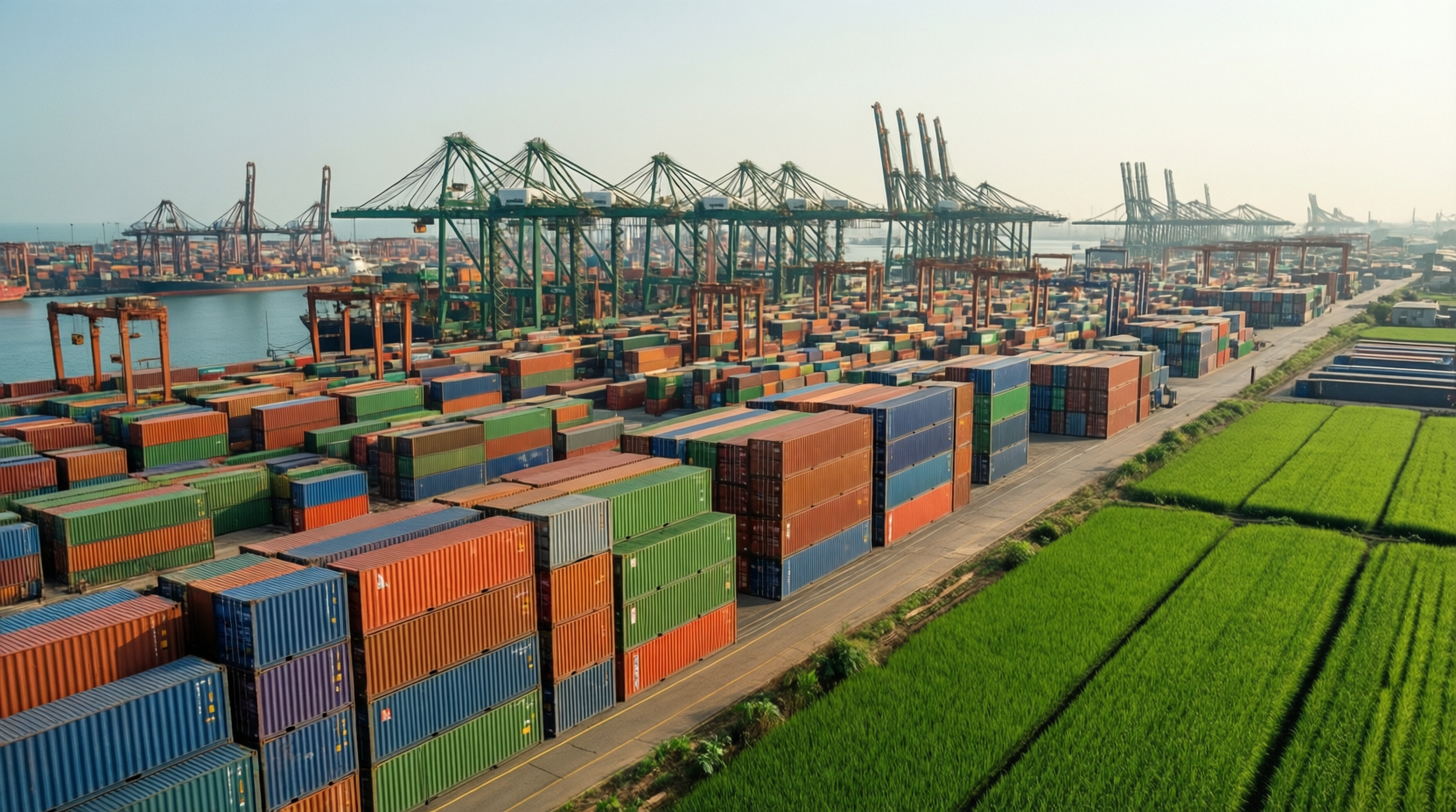
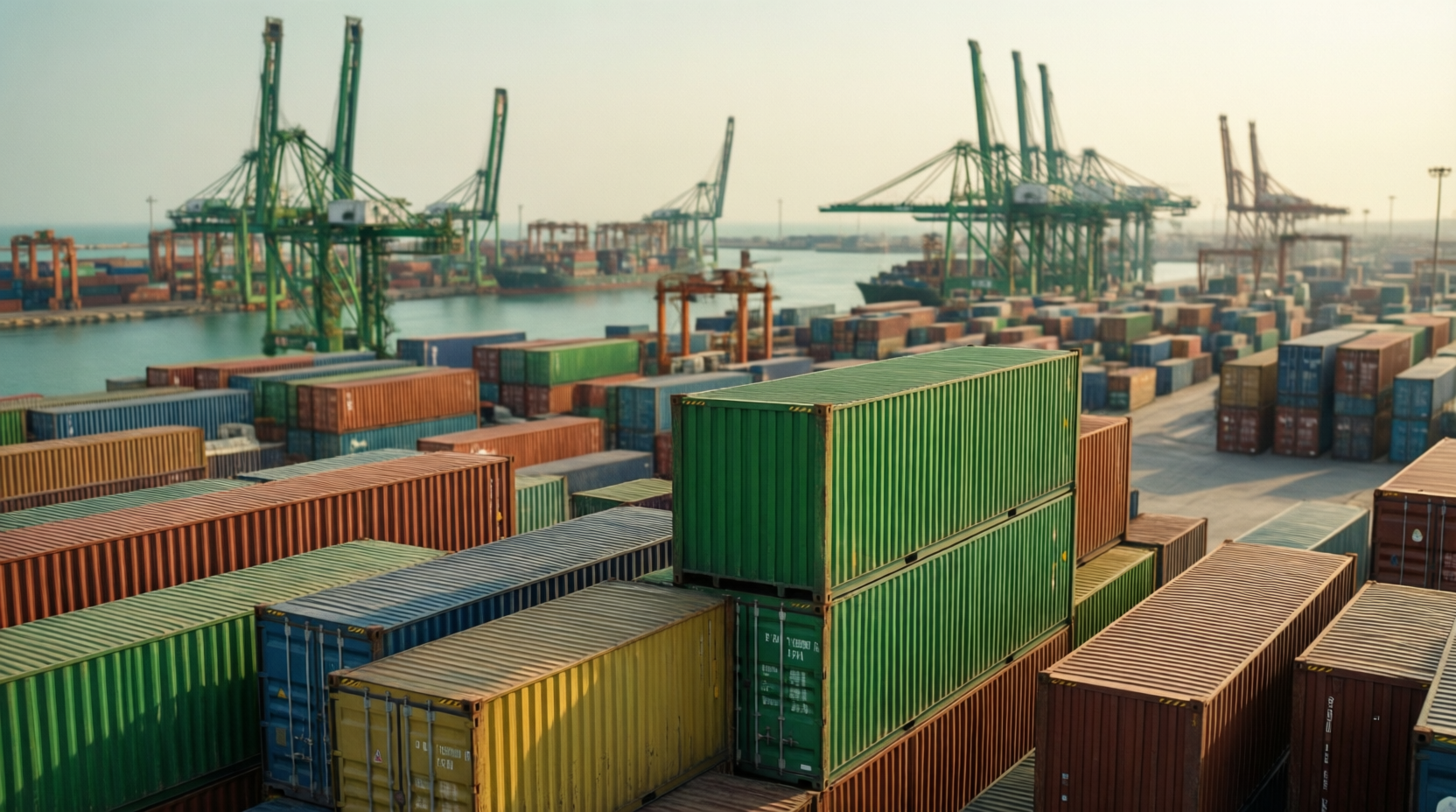
Exporters must navigate constraints such as the global shortage of refrigerated containers, higher freight costs due to geopolitical tensions, and ensuring timely cold chain management to maintain fruit freshness. Strategic planning around packaging, storage, and shipping schedules is critical to overcoming these hurdles.
How do geopolitical factors impact fresh fruit exports to Oman?
While the India-Oman CEPA eases trade barriers, broader regional political tensions can disrupt supply chains, increase shipping costs, and cause container shortages. Exporters should monitor geopolitical developments and diversify logistics partners to mitigate risks.
What role do quality standards and certifications play in entering Middle East markets?
Meeting stringent quality standards, such as phytosanitary certifications and food safety compliance, is essential to access Oman’s market under CEPA. Exporters should work closely with certification bodies to ensure products meet import requirements and build buyer confidence.
How can exporters effectively promote Indian fresh fruits in Oman?
- Participate in trade fairs like Gulfood to connect with buyers.
- Use digital B2B platforms to showcase product quality.
- Collaborate with local distributors for market insights and access.
Expert Insight
“The India-Oman CEPA is a game-changer for Indian exporters. It not only reduces costs but also opens diverse channels to introduce our fresh fruits to an eager Middle Eastern market.” — Ravi Singh, Punjab Litchi Exporter
What are the key export opportunities for Indian fresh fruits under CEPA?
- Expand fresh litchi exports to capitalize on demonstrated market appetite.
- Introduce new fruit varieties with niche appeal in Middle Eastern markets.
- Leverage tariff benefits to price competitively against regional producers.
- Build sustainable export chains by adopting best practices in packaging and cold storage.
Key takeaways
- India-Oman CEPA reduces tariffs and facilitates fresh fruit exports, creating new opportunities for Indian exporters.
- Punjab's first litchi export to Oman under CEPA shows viable market demand for Indian fresh fruits in the Middle East.
- Exporters must navigate logistical challenges like container shortages and geopolitical risks to maintain supply chain efficiency.
- Meeting quality certifications and engaging with local partners are critical for successful market entry and growth.
Frequently asked questions
What is the India-Oman CEPA and how does it benefit fruit exporters?
It is a trade agreement that reduces tariffs and simplifies customs, making it easier and cheaper for Indian fresh fruit exporters to access Oman’s markets.
Which Indian fresh fruits have good export potential to Oman?
Litchis, mangoes, pomegranates, guavas, and citrus fruits are among those with strong demand in Oman and the Middle East.
How can exporters ensure their fruits meet Omani import requirements?
By obtaining necessary phytosanitary certifications and adhering to food safety standards mandated by the Omani authorities.
What logistical issues affect fresh fruit exports to Oman?
Challenges include refrigerated container shortages, higher freight costs due to geopolitical tensions, and the need for robust cold chain management.
How can Indian exporters promote their fruits in Oman effectively?
Participate in relevant trade fairs, use digital B2B platforms, and collaborate with local distributors to build market presence and buyer trust.
- Written and reviewed by our in-house trade experts — not AI-generated filler.
- Market figures come from live platform data across thousands of verified trades.
- Every buyer and supplier on The Trade Union is identity- and document-verified.
- Guides are updated as regulations and market conditions change.