On this page
- What tariff benefits does the India-UK CETA offer to agro exporters?
- How can exporters prepare to meet India-UK CETA compliance requirements?
- What documentation is essential to leverage tariff reductions under CETA?
- How does certification impact agro products’ market access in the UK?
- Which Indian agro products stand to gain most from India-UK CETA?
- What are common challenges exporters face when utilizing CETA benefits?
- How can Indian exporters best stay updated on evolving India-UK trade regulations?
- Key takeaways
- FAQ
The July 15, 2026 rollout of the India-UK Comprehensive Economic and Trade Agreement (CETA) has ignited a surge in export orders, positioning agro-exporters for expanded access to the UK market via reduced tariffs. Yet, capturing this growth requires an in-depth understanding of the new compliance landscape, especially around export documentation and certification protocols.
What tariff benefits does the India-UK CETA offer to agro exporters?
India-UK CETA reduces or eliminates tariffs on a wide range of agricultural products including rice, maize, spices, and organic fruits, resulting in cost advantages. For instance, Indian basmati rice exporters now face zero or minimal duties, making products more price-competitive in the UK market. This tariff relief, combined with India's competitive pricing, fuels export growth prospects.
How can exporters prepare to meet India-UK CETA compliance requirements?
Exporters must align with certification standards outlined in CETA, including obtaining Certificate of Origin (CoO) under the agreement's prescribed format to claim tariff benefits. Additionally, adherence to sanitary and phytosanitary (SPS) measures stipulated by UK authorities ensures shipments clear customs without delays. Early engagement with agencies like APEDA and DGFT for guidance is recommended.
What documentation is essential to leverage tariff reductions under CETA?
- Certificate of Origin conforming to India-UK CETA requirements
- Commercial invoice detailing product specifics and value
- Packing list outlining shipment details
- Phytosanitary certificates proving compliance with UK SPS standards
- Quality certifications such as organic or fair-trade when applicable
How does certification impact agro products’ market access in the UK?
Certifications such as NPOP for organic products, ISO quality standards, and compliance with UK sanitary regulations enhance trust and facilitate smoother market entry. For example, the successful export of Ladakh organic apricots to the UAE underlines how organic certification unlocks higher-value markets. Exporters should proactively acquire relevant certificates aligned with product categories.
Which Indian agro products stand to gain most from India-UK CETA?
- Basmati rice with reduced tariffs enabling greater competitiveness
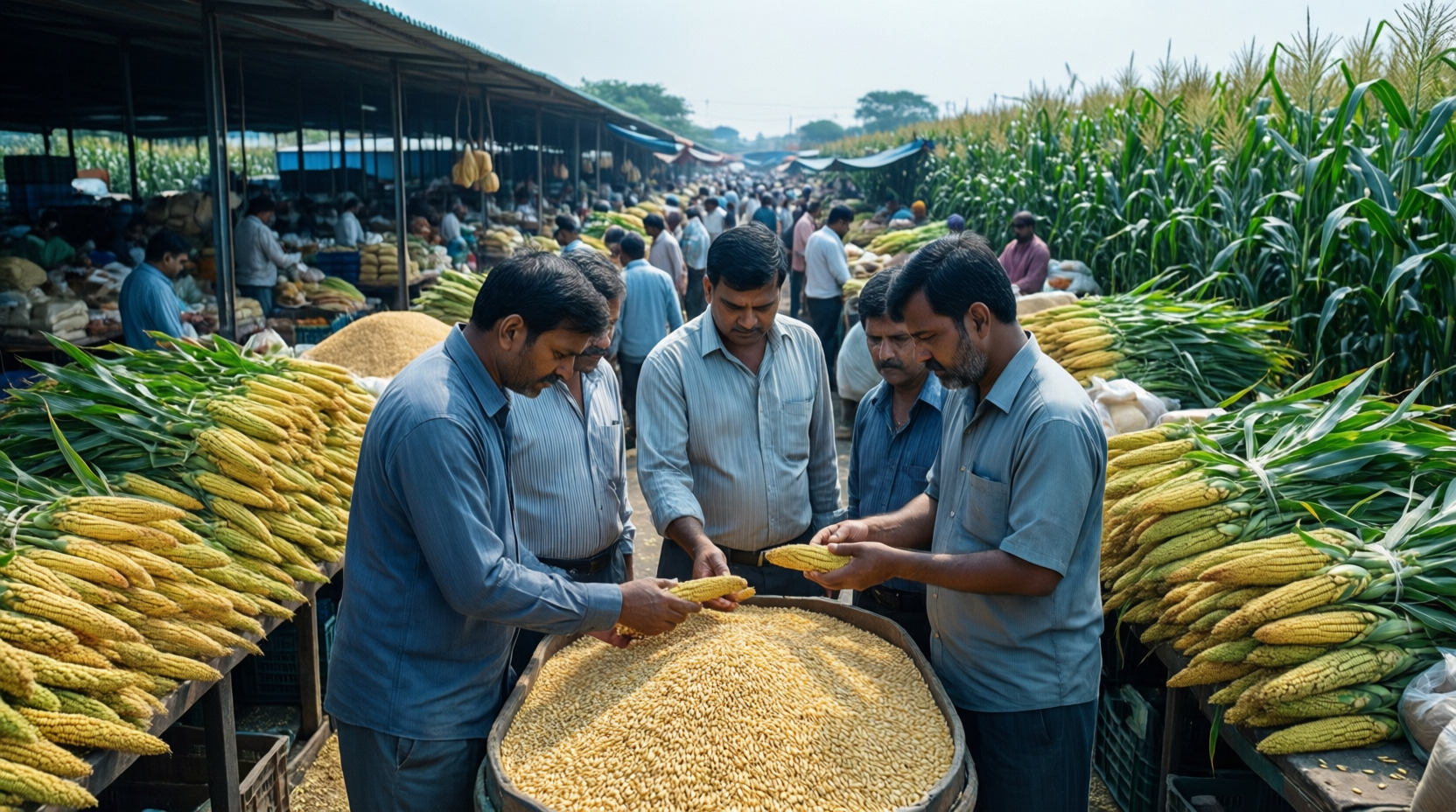
- Maize benefiting from tariff elimination and export demand growth
- Spices and herbs seeing easier access due to certification streamlining
- Organic fruits like apricots and mangoes gaining premium market opportunities
What are common challenges exporters face when utilizing CETA benefits?
Challenges include navigating new documentation formats for CoO, ensuring consistent quality standards, and adapting to updated SPS requirements. Additionally, logistics coordination must improve to handle increased export volumes post-CETA rollout. Awareness and training on these aspects are often lacking among exporters.
"Mastering compliance documentation and certifications is as crucial as the tariff benefits themselves to fully unlock India-UK CETA's export potential." — Anjali Mehta, Senior Export Consultant
How can Indian exporters best stay updated on evolving India-UK trade regulations?
Regularly monitoring updates from DGFT, APEDA, and the UK Department for International Trade is vital. Participating in trade fairs like the UK’s Fruit Logistica and consulting with export promotion councils can provide real-time intelligence on compliance and market trends.
Trade Compliance Tip
Proactive compliance with India-UK CETA documentation and certification requirements is not just regulatory—it’s a strategic move to outpace competitors expanding in the UK agro market now benefitting from this landmark trade agreement.
Key takeaways
- India-UK CETA significantly reduces tariffs on key Indian agro products, boosting export competitiveness.
- Certificate of Origin and SPS certifications are mandatory to claim tariff benefits under CETA.
- Organic and quality certifications improve Indian agro products’ access to premium UK markets.
- Staying informed through DGFT, APEDA, and trade events is crucial for compliance and opportunity capture.
Frequently asked questions
What is the key certification needed to claim tariff benefits under India-UK CETA?
The Certificate of Origin issued in the prescribed India-UK CETA format is essential to claim tariff reductions on agro exports.
Which Indian agro commodities benefit most from the India-UK CETA?
Basmati rice, maize, spices, and organic fruits like apricots gain the most from tariff reductions and improved UK market access.
How do sanitary and phytosanitary measures affect agro exports to the UK under CETA?
Compliance with UK SPS standards through required certifications ensures agro consignments are accepted without delays at UK customs.
Where can exporters find the latest updates on India-UK trade regulations?
Exporters should monitor DGFT and APEDA notifications and attend UK-based trade fairs such as Fruit Logistica for updated compliance information.
- Written and reviewed by our in-house trade experts — not AI-generated filler.
- Market figures come from live platform data across thousands of verified trades.
- Every buyer and supplier on The Trade Union is identity- and document-verified.
- Guides are updated as regulations and market conditions change.