On this page
- How does rising oil prices impact Indian agro-exports and the rupee?
- What geopolitical factors are driving current export volatility?
- How can Indian agro-exporters hedge against currency risk linked to geopolitical instability?
- What market diversification strategies mitigate geopolitical and price risks?
- How can logistics optimization help manage rising freight costs?
- What government supports aid in managing export uncertainties?
- Key takeaways
- FAQ
In 2026, Indian agro-exporters face increasing geopolitical uncertainty driven primarily by rising oil prices amid renewed U.S.-Iran tensions. This has pressured the Indian rupee, escalated export-related costs, and complicated trade dynamics. Understanding how these geopolitical risks affect export competitiveness and learning practical mitigation strategies is crucial for exporters navigating this challenging landscape.
How does rising oil prices impact Indian agro-exports and the rupee?
Oil prices influence the Indian rupee because India imports a significant portion of its crude oil. When oil prices spike, India's import bill rises, putting downward pressure on the rupee. This depreciation makes imported inputs costlier and increases the cost of logistics, shipping, and freight for agro-exporters. Consequently, export competitiveness can erode if price increases are not managed effectively.
What geopolitical factors are driving current export volatility?
Renewed tensions between the U.S. and Iran have resulted in uncertainty over oil supply routes like the Strait of Hormuz, a critical chokepoint for global energy flows. This geopolitical risk elevates oil price volatility and disrupts maritime logistics. Indian exporters are also affected by shifts in global trade alliances and regulations, such as India’s uranium deal with Australia and evolving tariff regimes worldwide, all influencing trade costs and access.
How can Indian agro-exporters hedge against currency risk linked to geopolitical instability?
Exporters can utilize financial instruments such as forward contracts, options, and currency swaps to hedge against rupee depreciation. Engaging with banks or forex service providers to lock in exchange rates mitigates sudden cost escalations. Additionally, setting export prices in stable foreign currencies like the US dollar or euro can provide a natural hedge.
What market diversification strategies mitigate geopolitical and price risks?
- Explore emerging markets with lower exposure to Middle East supply-chain disruptions, such as Southeast Asia and Africa.
- Leverage new trade agreements like the African Growth and Opportunity Act (AGOA) extension benefiting Kenyan agricultural exports.
- Participate in tariff-free zones or preferential trade arrangements, exemplified by Zimbabwe’s blueberry exports to China following tariff removal.
- Diversify product lines and buyer base to reduce dependency on single markets vulnerable to geopolitical shocks.
How can logistics optimization help manage rising freight costs?
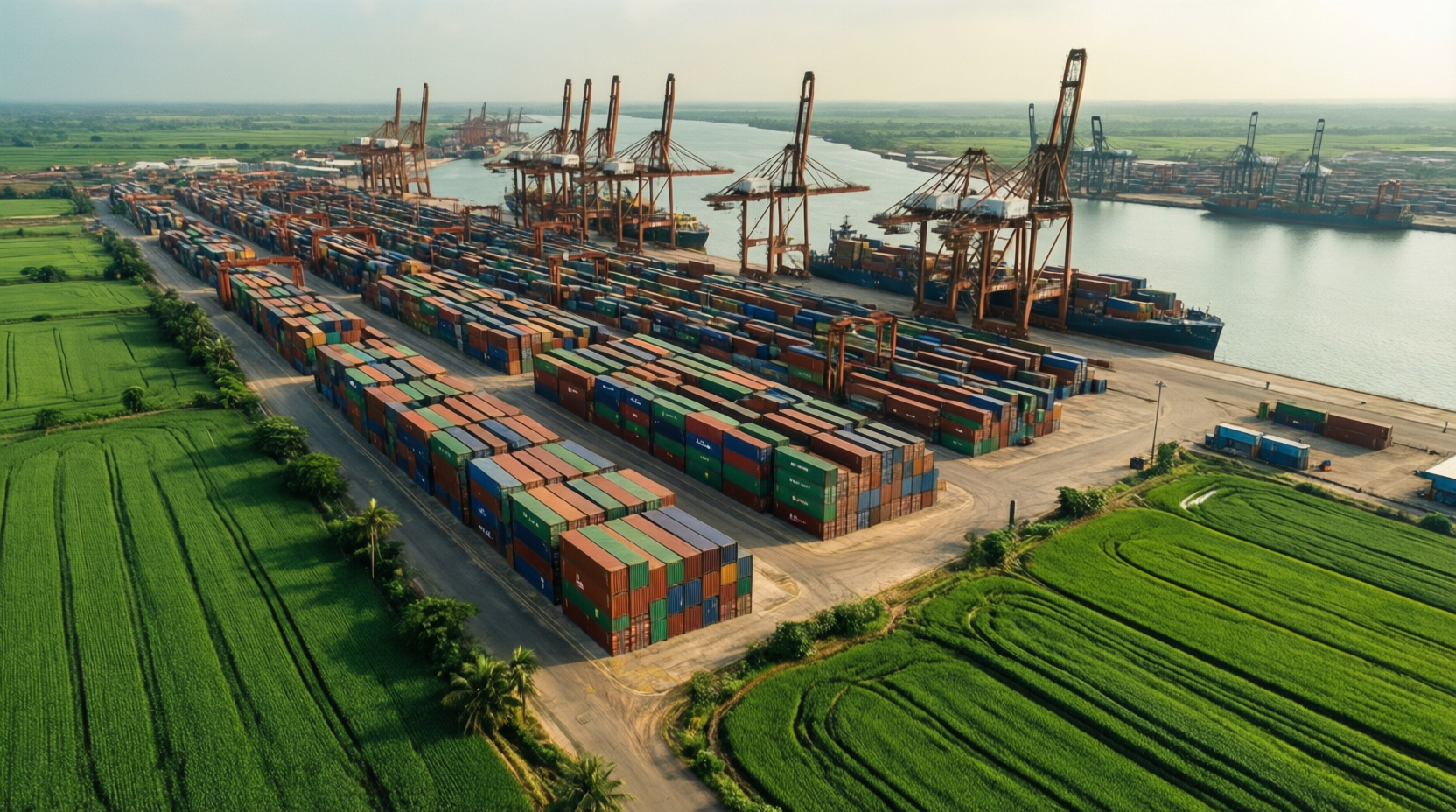
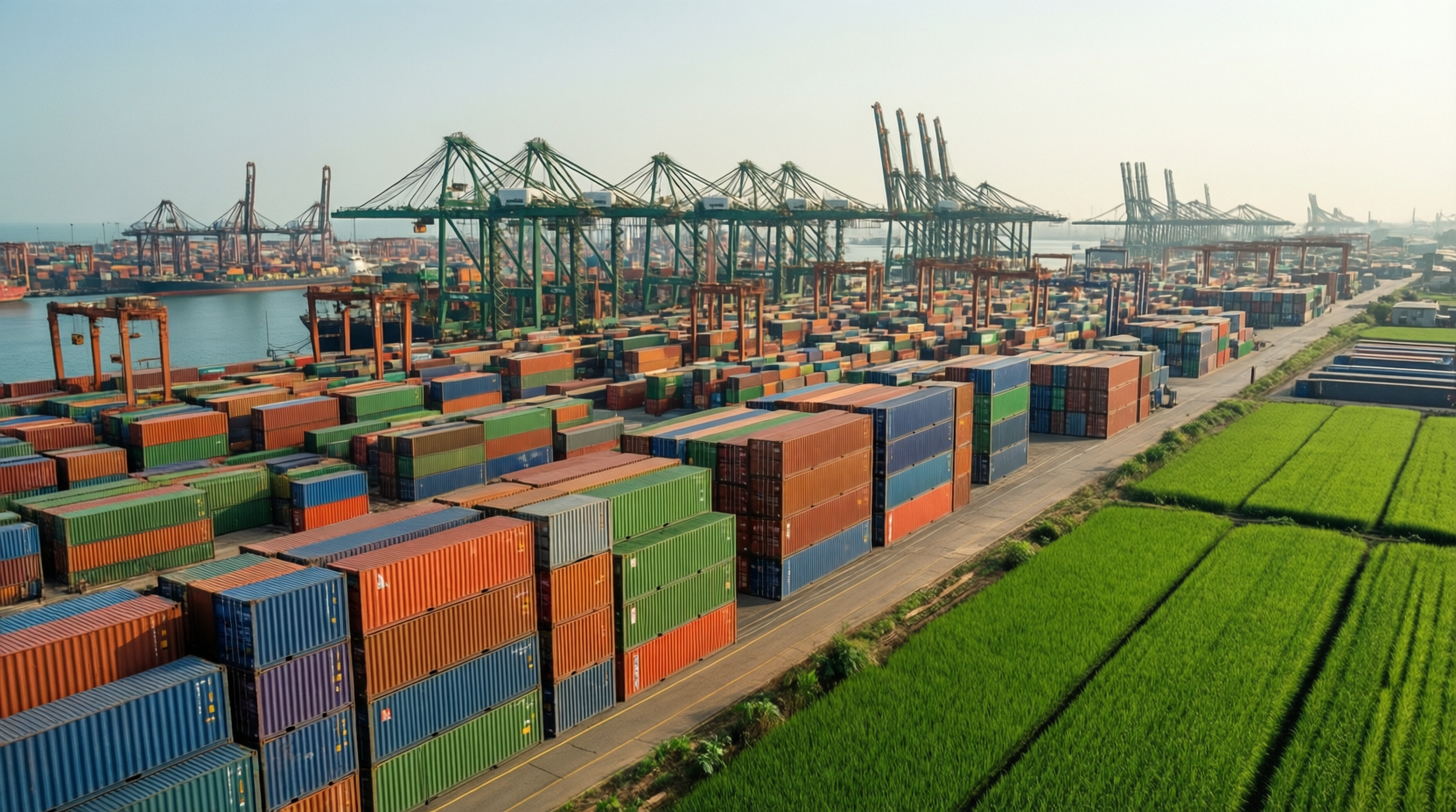
Given port congestion and vessel shortages seen in regions like Nigeria and disruptions around the Strait of Hormuz, Indian exporters should optimize supply chains by selecting alternative shipping routes and modes where feasible. Collaborating with freight forwarders to consolidate shipments and negotiate better rates can lower costs. Additionally, timely export documentation and utilization of government advisory notices reduce delays and additional charges.
What government supports aid in managing export uncertainties?
The Directorate General of Foreign Trade (DGFT) actively reviews export quotas and issues utilization guidelines, helping exporters stay compliant and informed. Exporters should leverage export credit guarantees, insurance schemes, and subsidies designed to offset currency risks and geopolitical disruptions. Staying updated on policy changes, such as wheat flour export quota revisions, ensures smooth operations.
"Proactive risk management—including currency hedging, market diversification, and logistics optimization—is essential for Indian agro-exporters to sustain growth amid rising geopolitical tensions and oil price volatility." — Rohit Mehta, Senior Export Strategy Analyst
Key Strategy Reminder
Geopolitical risks and oil price spikes are challenging Indian agro-exporters, but those adopting strategic hedging and diversification are better positioned to maintain competitiveness and capitalize on emerging trade opportunities.
Key takeaways
- Rising oil prices amid U.S.-Iran tensions pressure the Indian rupee, increasing export costs for Indian agro-exporters.
- Currency hedging and pricing in stable currencies can reduce exposure to rupee volatility caused by geopolitical instability.
- Diversifying into emerging and tariff-free markets like Africa and Southeast Asia mitigates risks linked to geopolitical tensions and supply chain disruptions.
- Optimizing logistics and leveraging government export support schemes help manage cost volatility and compliance challenges.
Frequently asked questions
How do rising oil prices affect Indian agro-exporters?
Higher oil prices increase India’s import costs, weakening the rupee and raising expenses for logistics and inputs, which can erode agro-exporters' competitiveness.
What is currency hedging and how does it help exporters?
Currency hedging involves financial tools to lock exchange rates, protecting exporters from losses due to rupee depreciation amid geopolitical risks.
Why is market diversification important in geopolitically uncertain times?
Diversifying export markets reduces reliance on any single region, lowering exposure to trade disruptions caused by geopolitical tensions or tariff changes.
How can exporters optimize logistics to handle rising freight costs?
By choosing alternate shipping routes, consolidating shipments, and staying compliant with export regulations to avoid delays and extra charges.
What government initiatives support Indian agro-exports amid geopolitical risks?
Schemes like export credit insurance, export quota management by DGFT, and subsidies help exporters mitigate risks and maintain trade flow.
- Written and reviewed by our in-house trade experts — not AI-generated filler.
- Market figures come from live platform data across thousands of verified trades.
- Every buyer and supplier on The Trade Union is identity- and document-verified.
- Guides are updated as regulations and market conditions change.