On this page
- What are the main logistics challenges affecting South Africa’s agricultural exports?
- How do tariffs impact South Africa’s agricultural export growth?
- Why is diversifying South Africa’s agricultural export markets important?
- What strategies can improve logistics for agricultural exports?
- How can exporters mitigate tariff impacts?
- What steps aid in diversifying export markets effectively?
- Key takeaways
- FAQ
South Africa’s agricultural export sector achieved a record $15.1 billion in 2025, buoyed by strong production in fruits, grains, sugarcane, and wine. Despite this impressive growth, exporters face persistent challenges including inefficient logistics, tariff barriers, and the need to diversify markets to sustain momentum and reduce risks. This guide examines key challenges and practical strategies to help exporters navigate the complex landscape and capitalize on growing global demand.
What are the main logistics challenges affecting South Africa’s agricultural exports?
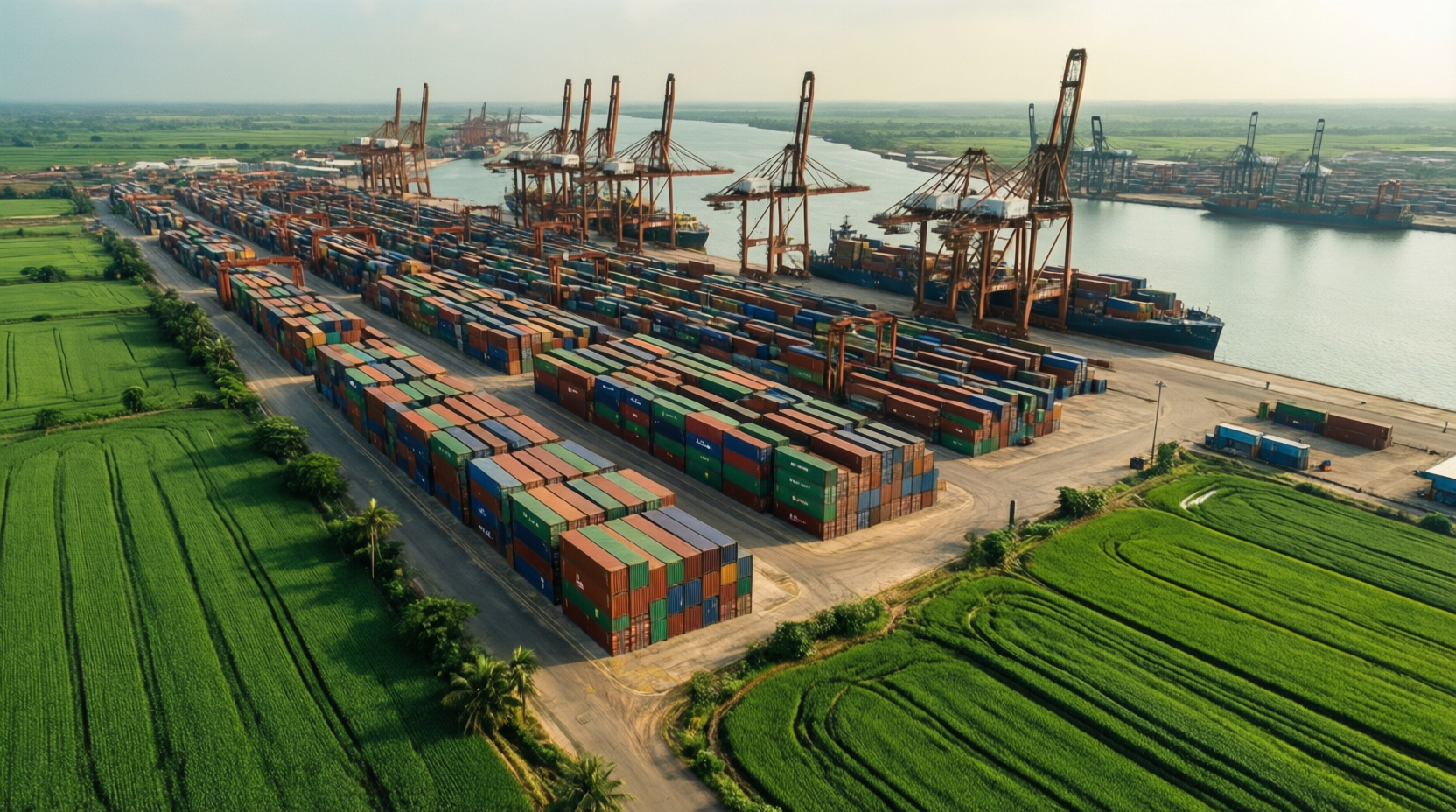
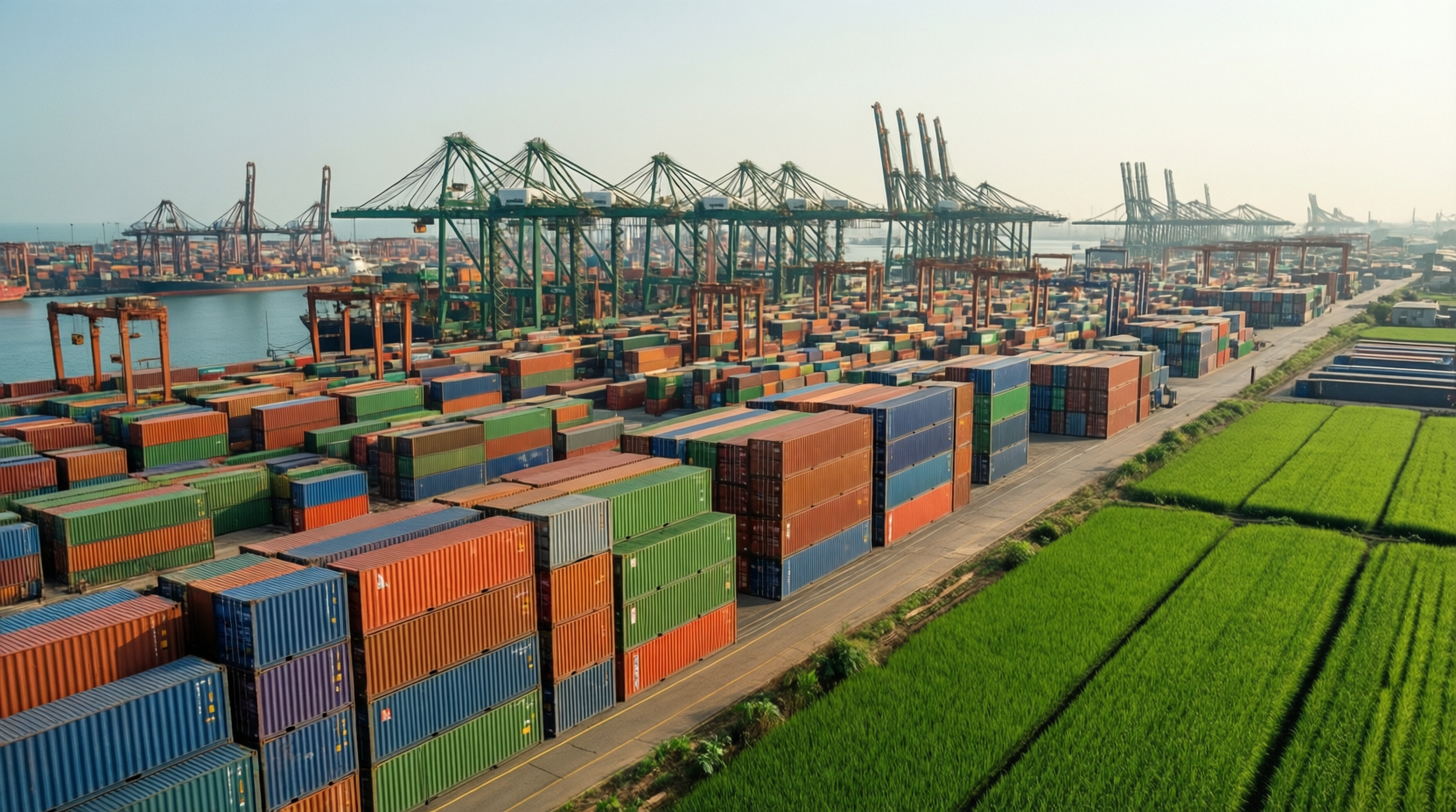
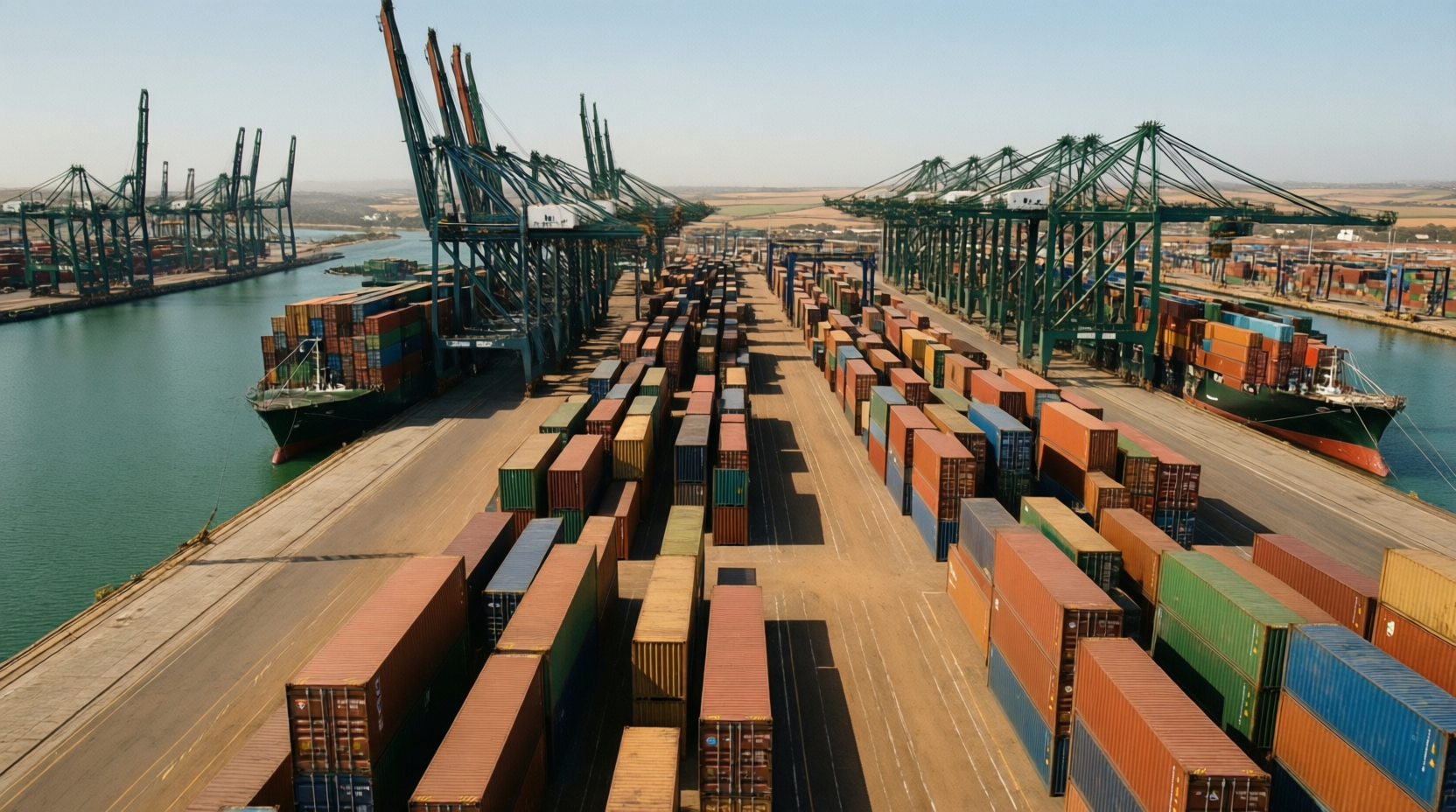
Logistics inefficiencies remain a critical bottleneck for South African agricultural exporters. Limited transport infrastructure, port congestion, and delays in customs clearance increase costs and reduce competitiveness. These factors constrain the ability to meet tight delivery schedules demanded by international buyers, especially for perishable products like fresh fruit and nuts.
How do tariffs impact South Africa’s agricultural export growth?
Although South Africa benefits from various trade agreements, tariffs imposed by key markets can reduce competitiveness. U.S. and certain EU tariffs on selected products add costs that narrow profit margins for exporters. Continuous monitoring and negotiation to reduce tariff barriers are crucial for expanding access and maintaining export momentum.
Why is diversifying South Africa’s agricultural export markets important?
Relying heavily on a few traditional markets exposes exporters to geopolitical risks, tariff disputes, and demand fluctuations. Diversifying into emerging markets in Asia, the Middle East, and Africa can spread risk and tap new demand sources. Learning from India's successful diversification strategies highlights the importance of product innovation and market research.
What strategies can improve logistics for agricultural exports?
How can exporters mitigate tariff impacts?
What steps aid in diversifying export markets effectively?
"Sustainable growth in South Africa’s agricultural exports depends not just on production volume but on improving logistics efficiency and opening doors to diverse markets." — Dr. Judith Mokoena, Trade Economist
Callout
Proactive collaboration between government, industry, and logistics providers is key to easing export challenges. Prioritizing infrastructure upgrades and market diversification will safeguard future export growth.
Key takeaways
- South Africa's agricultural exports hit a record $15.1 billion in 2025, with fruits, grains, sugarcane, and wine leading growth.
- Logistics challenges including transport inefficiencies and port congestion increase costs and delivery risks for exporters.
- Tariffs from key markets like the U.S. and EU can reduce agricultural export competitiveness; negotiation and trade agreements help mitigate impacts.
- Diversifying export markets to emerging regions reduces risk and enhances long-term growth potential for South African agro-exports.
Frequently asked questions
What are the main logistics problems South African agricultural exporters face?
They face port congestion, limited transport infrastructure, customs delays, and insufficient cold chain facilities which raise costs and risk product quality.
How do tariffs influence South Africa’s agricultural exports?
Tariffs imposed by markets add extra costs, narrowing profit margins and limiting competitiveness unless addressed through trade deals or market strategy adjustments.
Why should South African exporters diversify their markets?
Relying on a few markets exposes exporters to geopolitical and demand risks; diversification spreads risk and unlocks new growth opportunities.
What role does government have in improving export logistics?
Government investment in infrastructure, streamlined customs processes, and support for trade negotiations are critical to overcoming export logistics challenges.
How can exporters adapt to tariff challenges effectively?
By utilizing preferential trade agreements, adding value to products, and adjusting supply chains to minimize tariff effects, exporters can remain competitive.
- Written and reviewed by our in-house trade experts — not AI-generated filler.
- Market figures come from live platform data across thousands of verified trades.
- Every buyer and supplier on The Trade Union is identity- and document-verified.
- Guides are updated as regulations and market conditions change.