On this page
- What are the key benefits of the India-UK CETA for agricultural exports?
- Which agricultural products from India stand to gain the most under the agreement?
- How can exporters ensure compliance with CETA requirements?
- What logistical strategies can help maximize the advantages under India-UK CETA?
- How can Indian exporters price their products competitively in the UK market post-CETA?
- What challenges should exporters anticipate under the new trade regime?
- Key takeaways
- FAQ
India's operationalization of the Comprehensive Economic and Trade Agreement (CETA) with the UK in July 2026 marks a transformative moment for Indian agricultural exporters. With preferential tariffs now in effect, exporters must adopt strategic approaches to fully capitalize on this new trade landscape and drive growth in agro-exports to the UK.
What are the key benefits of the India-UK CETA for agricultural exports?
The India-UK CETA introduces preferential tariffs from day one, reducing or eliminating duties on a wide range of agricultural products. This translates to improved price competitiveness for Indian exporters in the UK market, potentially expanding market share and boosting export volumes. Additionally, simplified customs procedures and mutual recognition of standards help expedite shipments and reduce trade friction.
Which agricultural products from India stand to gain the most under the agreement?
- Maize exports are poised for growth, leveraging competitive pricing and tariff advantages.
- Spices and herbs can access UK markets more competitively, with reduced or zero tariffs.
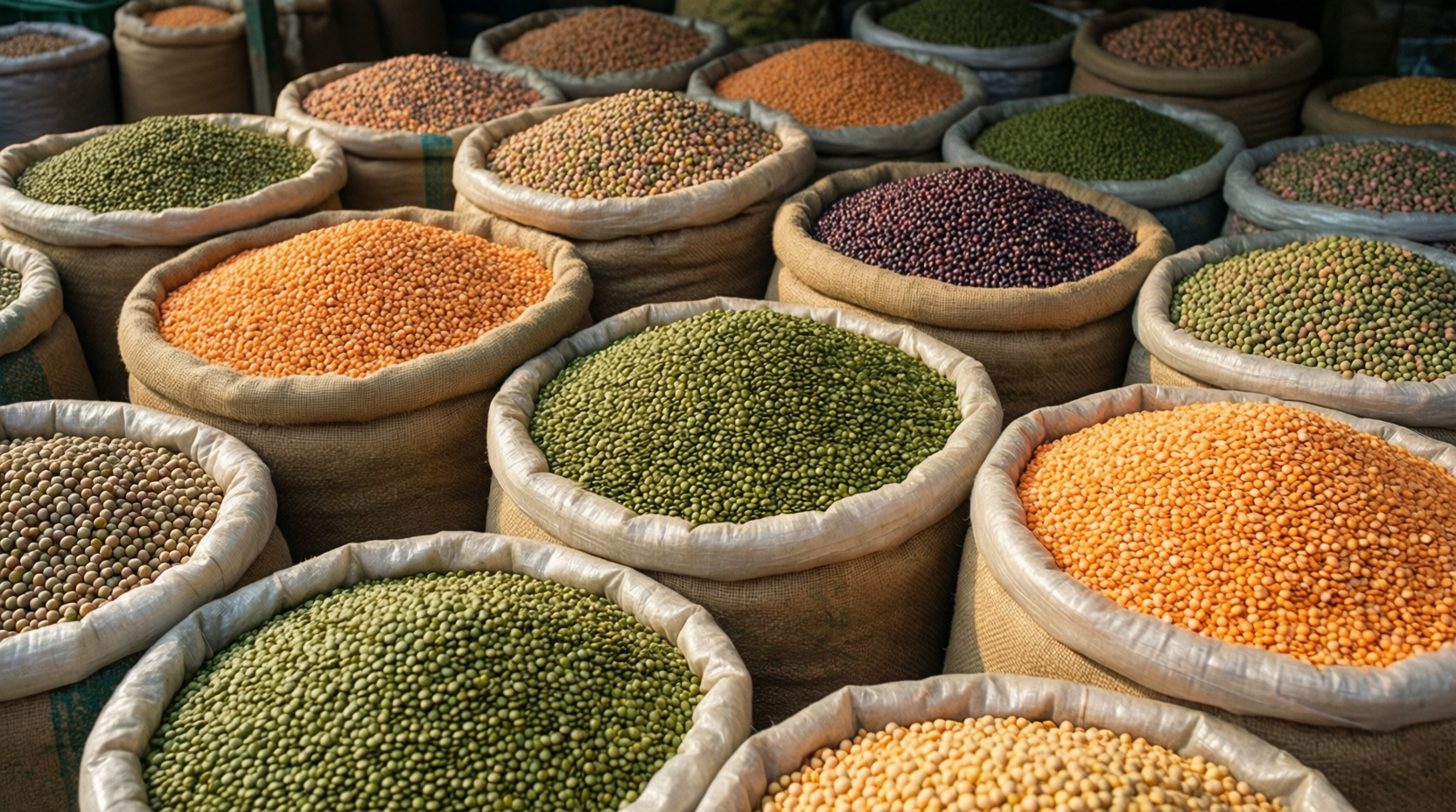
- Processed food products like ready-to-eat mixes and pulses will benefit from eased customs procedures.
- Horticultural products such as mangoes and guavas will find new opportunities with tariff cuts.
How can exporters ensure compliance with CETA requirements?
Exporters should thoroughly understand the Rules of Origin criteria stipulated by the CETA to qualify for preferential tariffs. Accurate certification and documentation must be maintained to prove product origin. Furthermore, aligning with UK sanitary and phytosanitary regulations will ensure smoother clearance at ports and avoid delays or penalties.
What logistical strategies can help maximize the advantages under India-UK CETA?
- 1Leverage direct shipping routes to reduce transit times and maintain product freshness.
- 2Collaborate with freight forwarders experienced in India-UK trade to navigate customs efficiently.
- 3Use digital trade facilitation tools offered under CETA for real-time tracking and documentation.
- 4Plan shipments to coincide with UK market demand cycles to maximize returns.
How can Indian exporters price their products competitively in the UK market post-CETA?
By capitalizing on lowered tariffs, exporters can reduce landed costs, allowing for more attractive pricing. Monitoring currency fluctuations and adjusting prices accordingly will also help maintain competitiveness. Additionally, investing in quality enhancements and certifications can justify premium pricing while leveraging tariff benefits.
What challenges should exporters anticipate under the new trade regime?
- Meeting stringent UK food safety and quality standards may require process upgrades.
- Navigating new compliance documentation demands attention to detail to avoid shipment delays.
- Potential logistical disruptions due to global supply chain volatility require contingency plans.
- Competitive pressure from other exporting nations leveraging their own trade agreements.
“Understanding every facet of India-UK CETA is crucial; exporters who proactively align their operations will unlock sustainable growth in this expanding market.” – Arun Mehta, Agro-export Strategy Consultant
Maximize your export success with a structured approach!
Step-by-step preparation: 1) Study CETA tariff schedules; 2) Verify Rules of Origin compliance; 3) Update export documentation; 4) Engage with logistics experts; 5) Monitor UK market trends regularly.
Key takeaways
- The India-UK CETA operationalized in 2026 offers preferential tariffs that lower costs for Indian agricultural exports to the UK.
- Exporters must comply with Rules of Origin and UK quality standards to access tariff benefits seamlessly.
- Logistics planning and real-time customs management are critical to capitalizing on the agreement.
- Competitive pricing combined with product quality enhancement enables stronger positioning in the UK market.
Frequently asked questions
What is the India-UK CETA and when did it take effect?
The India-UK Comprehensive Economic and Trade Agreement (CETA) is a bilateral trade deal operational since July 17, 2026, providing preferential tariffs and trade facilitation measures for exporters.
Which Indian agricultural products receive tariff benefits under the India-UK CETA?
Products such as maize, spices, pulses, processed foods, and selected horticultural items gain reduced or zero tariffs, enhancing their competitiveness in the UK.
How can Indian exporters prove eligibility for preferential tariffs under the CETA?
Exporters must meet the Rules of Origin requirements and provide certified documentation that verifies the products originate from India to qualify for tariff reductions.
What logistical considerations are important for exporters using the India-UK CETA benefits?
Efficient shipping routes, customs compliance expertise, utilization of digital tools, and aligning shipment timing with market demands are key to maximizing CETA advantages.
Are there compliance risks when exporting under the India-UK CETA?
Yes, failure to meet UK sanitary, phytosanitary, and regulatory standards or incomplete documentation can result in delayed clearance or loss of preferential tariff eligibility.
- Written and reviewed by our in-house trade experts — not AI-generated filler.
- Market figures come from live platform data across thousands of verified trades.
- Every buyer and supplier on The Trade Union is identity- and document-verified.
- Guides are updated as regulations and market conditions change.