On this page
- What are the key advantages of the India-UK FTA for Indian agro-exporters?
- Which Indian agricultural products have the highest demand in the UK under the FTA?
- How can exporters ensure compliance with FTA export guidelines?
- What logistics strategies help optimize exports to the UK under the new FTA?
- How can small and medium agro-exporters leverage the zero-duty access effectively?
- What are common challenges exporters should anticipate when entering the UK market under the FTA?
- How does the India-UK FTA impact pricing strategies for agro-exporters?
- Key takeaways
- FAQ
The India-UK Free Trade Agreement (FTA) comes into effect on July 15, 2026, opening a significant opportunity for Indian agro-exporters with zero-duty exports to the UK. This guide explores practical strategies to help Indian agricultural businesses effectively tap into this favorable trade environment and expand their footprint in the UK market.
What are the key advantages of the India-UK FTA for Indian agro-exporters?
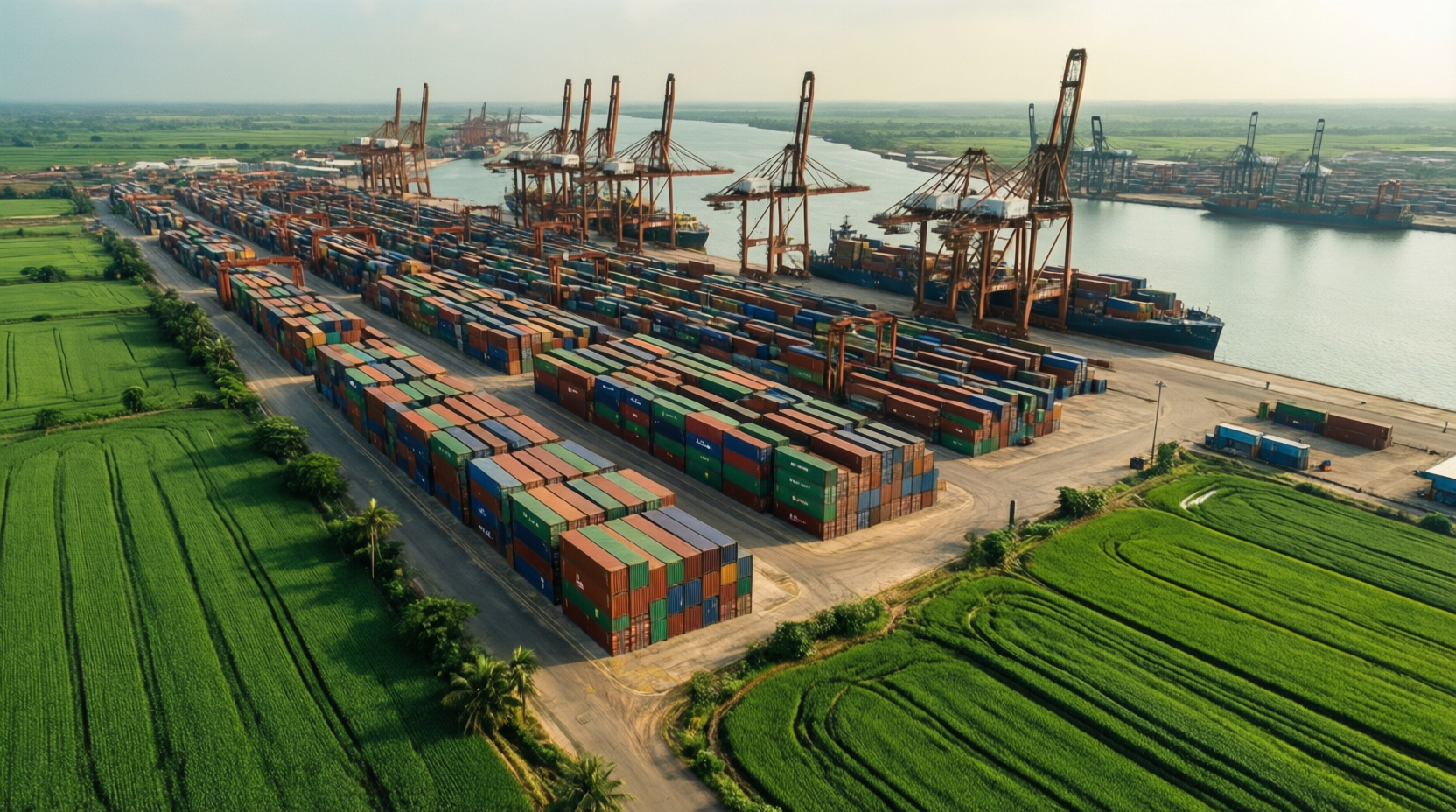
The India-UK Free Trade Agreement eliminates tariffs on a wide range of Indian agricultural exports starting July 15, 2026. This zero-duty access reduces costs for exporters and increases price competitiveness of Indian agro-products in the UK market. Additionally, the agreement streamlines customs procedures and enhances bilateral trade facilitation, offering faster and more predictable trade flows.
Which Indian agricultural products have the highest demand in the UK under the FTA?
How can exporters ensure compliance with FTA export guidelines?
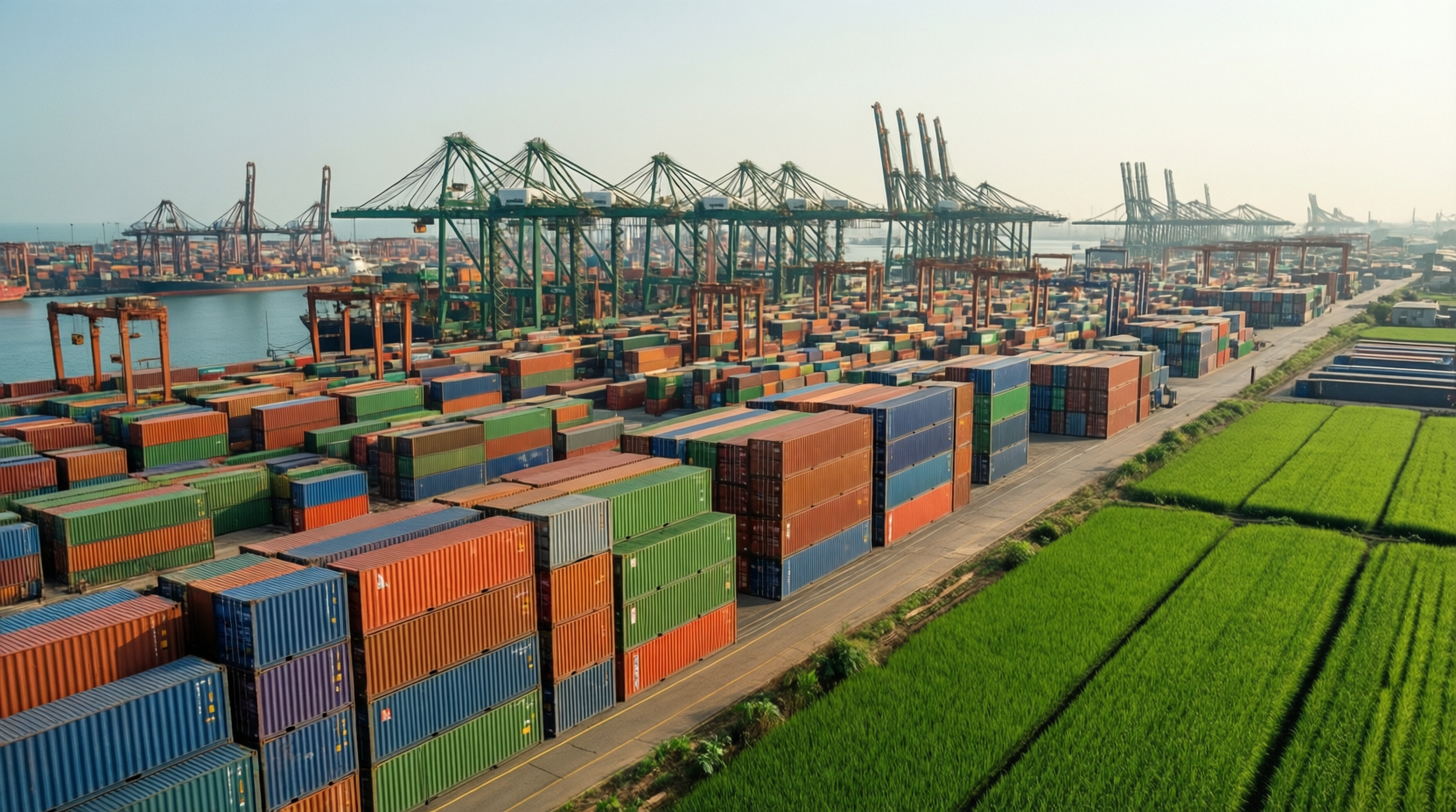
What logistics strategies help optimize exports to the UK under the new FTA?
How can small and medium agro-exporters leverage the zero-duty access effectively?
"The India-UK FTA is more than a tariff reduction; it’s a gateway for Indian agro-exporters to strengthen bilateral ties and unlock new market potential in one of the world's premium agricultural consumer markets." - Piyush Goyal, Commerce Minister of India
Expert Insight
Trade experts advise that timely adaptation to FTA provisions and proactive engagement with UK market trends will help Indian exporters turn the zero-duty advantage into sustained export growth.
What are common challenges exporters should anticipate when entering the UK market under the FTA?
How does the India-UK FTA impact pricing strategies for agro-exporters?
Key takeaways
- The India-UK FTA eliminates export tariffs for Indian agro-products from July 15, 2026, enhancing trade competitiveness.
- Exporters should ensure compliance with FTA rules of origin and UK import standards to fully benefit.
- Optimizing logistics and targeting high-demand UK agro-products can maximize export success.
- Building partnerships and using government export schemes help SMEs leverage the FTA advantages.
Frequently asked questions
What is the India-UK Free Trade Agreement and how does it benefit agro-exporters?
The India-UK Free Trade Agreement, effective July 15, 2026, removes tariffs on many Indian agro-products entering the UK, reducing costs and improving market access for exporters.
How can Indian agro-exporters qualify for zero-duty exports under the FTA?
Exporters must meet Rules of Origin requirements, maintain proper documentation, and comply with UK import regulations to qualify for zero-duty tariff benefits under the India-UK FTA.
Which Indian agricultural products have good export potential in the UK?
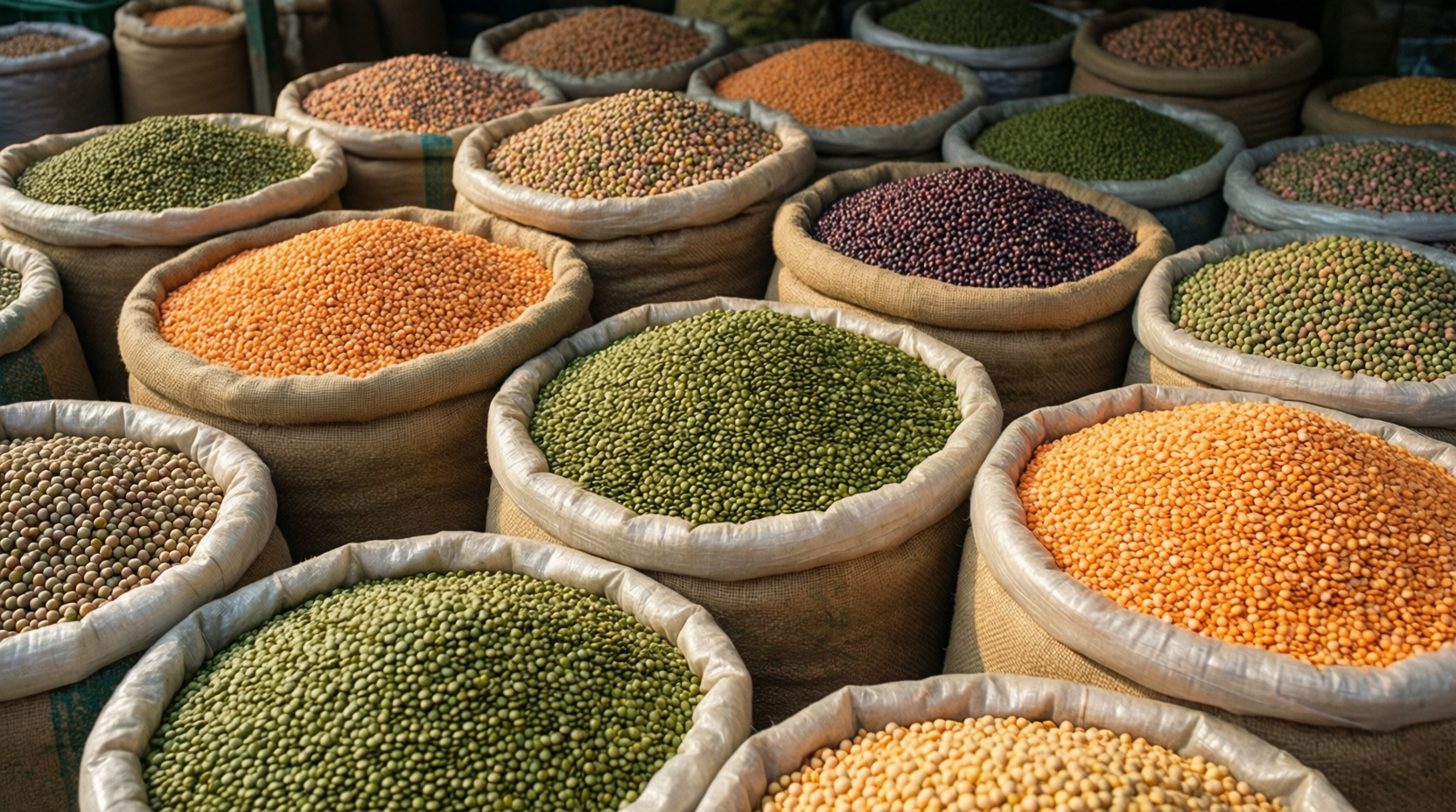
Spices, Basmati rice, tea, coffee, mangoes, pomegranates, and organic cereals are among the Indian agro-products with strong demand in the UK market under the FTA.
What logistics considerations are important for exporting to the UK under the FTA?
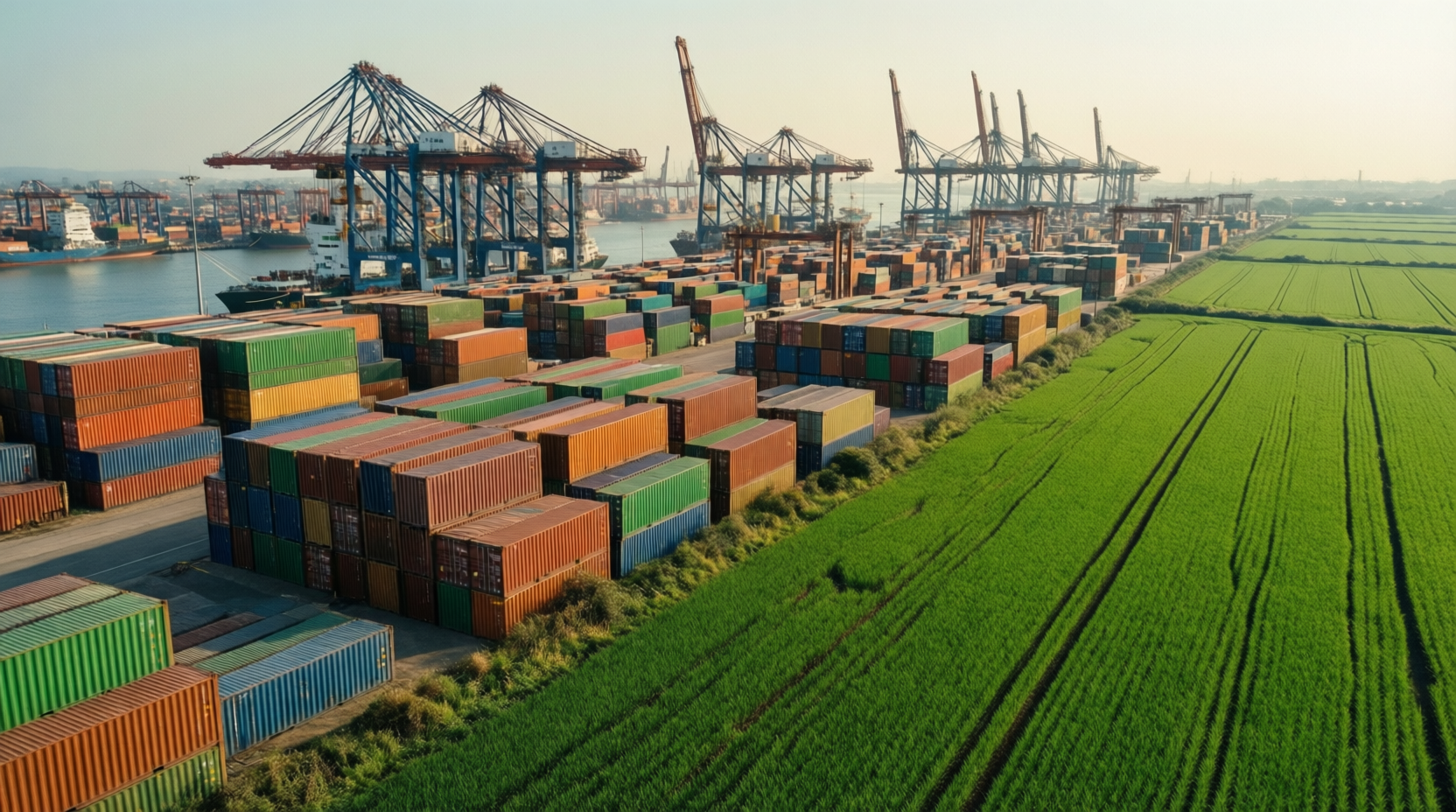
Efficient shipping, cold chain management for perishables, advance planning, and proximity to UK distribution hubs are key logistics factors for successful exports to the UK.
Can small exporters benefit from the India-UK FTA?
Yes, small exporters can benefit by joining cooperatives, using export promotion schemes, improving product quality, and engaging with UK buyers to leverage the zero-duty access effectively.
- Written and reviewed by our in-house trade experts — not AI-generated filler.
- Market figures come from live platform data across thousands of verified trades.
- Every buyer and supplier on The Trade Union is identity- and document-verified.
- Guides are updated as regulations and market conditions change.