On this page
- How are West Asia conflicts impacting India’s basmati rice exports?
- What strategies can exporters use to diversify their basmati rice markets beyond West Asia?
- How can improved supply chain management mitigate the risks from geopolitical disruptions?
- In what ways can trade policy support help basmati rice exporters?
- How important is market intelligence for exporters facing West Asia risks?
- What role do innovation and product diversification play amid export challenges?
- Quote from Export Industry Expert
- Callout: Immediate Actions for Exporters
- Key takeaways
- FAQ
India's basmati rice exports to the Gulf region have faced significant headwinds amid ongoing geopolitical tensions in West Asia, leading to a 25% reduction in export volumes. With West Asia crucial for Indian agro-exports, exporters must adopt resilient strategies to mitigate disruption risks and sustain growth in this vital market.
How are West Asia conflicts impacting India’s basmati rice exports?
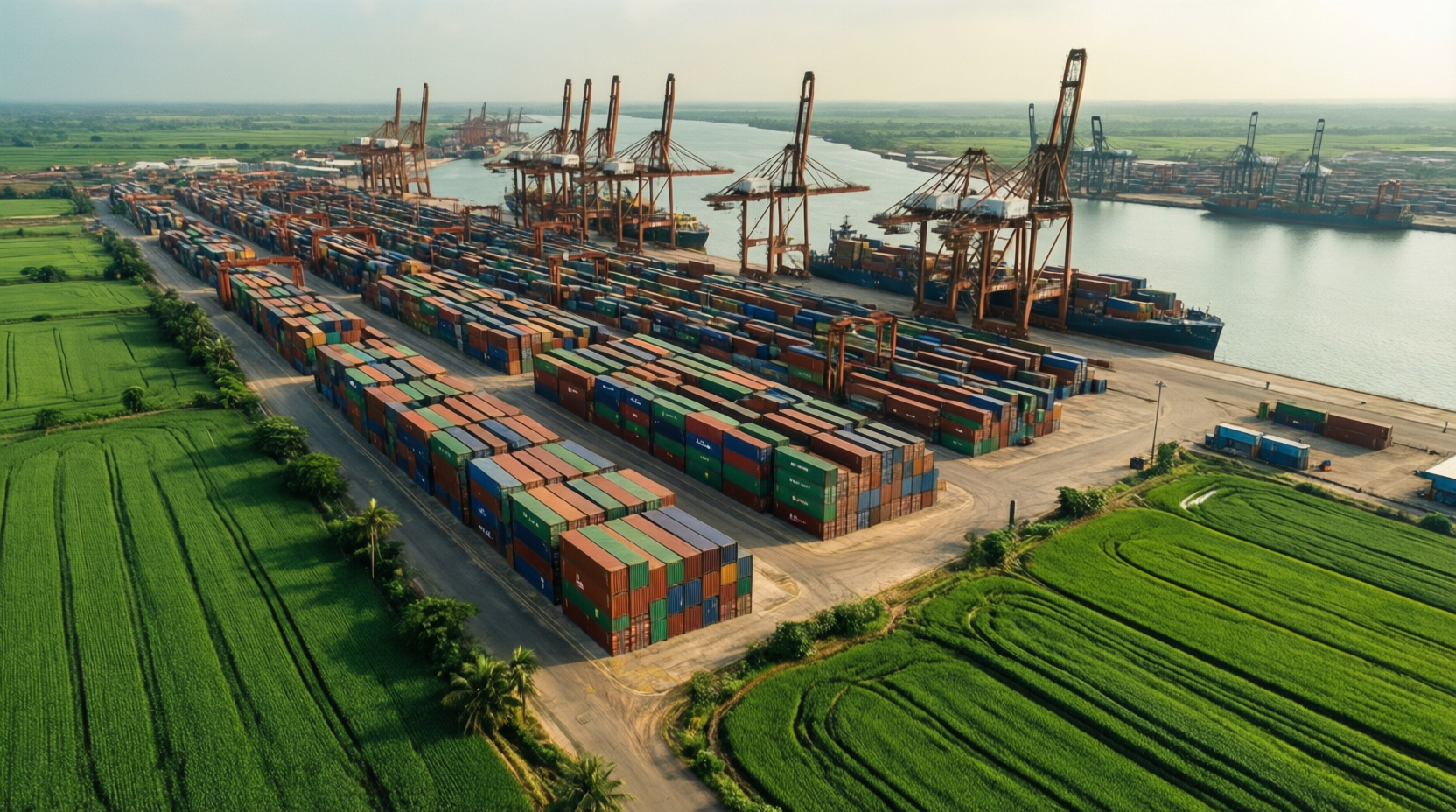
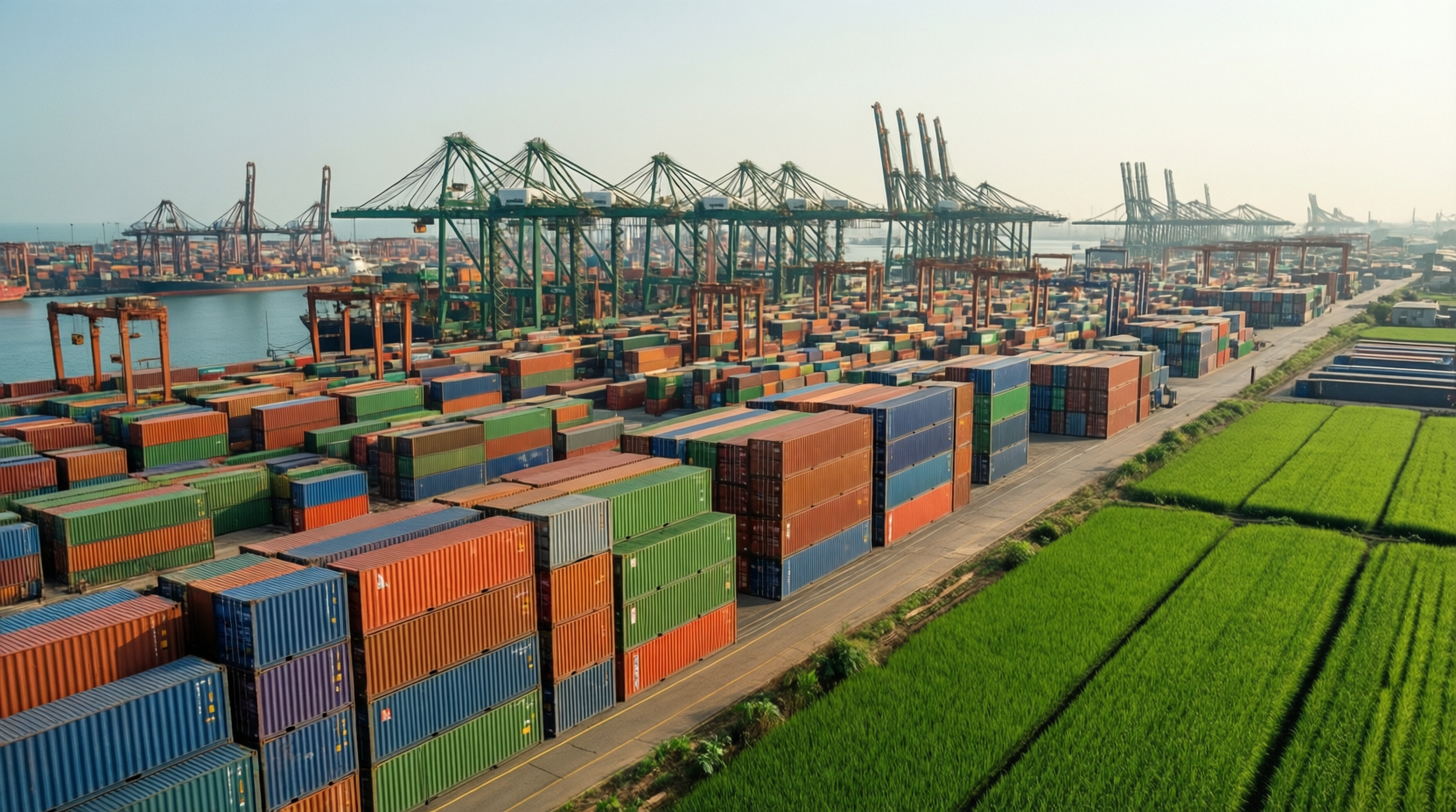
Geopolitical instability in West Asia has severely disrupted trade routes and logistics, causing delays and increased costs for shipping basmati rice to the Gulf. Importers have become cautious, reducing purchase volumes due to uncertainty. These disruptions have led to a 25% drop in Gulf-bound basmati rice exports, India's key export segment.
What strategies can exporters use to diversify their basmati rice markets beyond West Asia?
How can improved supply chain management mitigate the risks from geopolitical disruptions?
In what ways can trade policy support help basmati rice exporters?
How important is market intelligence for exporters facing West Asia risks?
What role do innovation and product diversification play amid export challenges?
Quote from Export Industry Expert
"Diversification and agility are no longer options but necessities for Indian basmati exporters navigating the current West Asia turmoil. A proactive approach integrating market expansion, supply chain resilience, and policy engagement will be key to sustaining growth." — Anjali Mehta, CEO, AgroTrade Insights
Callout: Immediate Actions for Exporters
Key takeaways
- West Asia conflicts have caused a 25% decline in India’s Gulf-bound basmati rice exports.
- Market diversification beyond West Asia is critical to reduce geopolitical dependency.
- Strengthening supply chains through alternative routes and inventory management enhances resilience.
- Government policies and trade agreements offer valuable tools to support exporters.
- Real-time market intelligence and product innovation improve adaptability amid disruptions.
Frequently asked questions
How significant is the impact of West Asia conflicts on India's basmati rice exports?
West Asia conflicts have reduced India's basmati rice exports to the Gulf region by approximately 25%, significantly affecting volumes and revenue.
Can Indian basmati rice exporters find alternative markets beyond West Asia?
Yes, exporters can diversify into African, Southeast Asian, and European markets to lessen reliance on West Asian buyers and spread risk.
What role do government trade policies play in mitigating export disruptions?
Government initiatives such as export incentives, Free Trade Agreements, and support from export promotion councils help exporters navigate geopolitical challenges.
How can supply chain improvements reduce the risks from geopolitical disruptions?
Developing alternative logistics routes, improving inventory management, and partnering with experienced logistics providers can minimize delays and losses.
Why is market intelligence crucial for exporters facing geopolitical risks?
Timely market intelligence enables exporters to anticipate changes in demand, adjust strategies accordingly, and maintain competitiveness despite disruptions.
- Written and reviewed by our in-house trade experts — not AI-generated filler.
- Market figures come from live platform data across thousands of verified trades.
- Every buyer and supplier on The Trade Union is identity- and document-verified.
- Guides are updated as regulations and market conditions change.