On this page
- Why Now? East Africa’s Port Bottleneck Explained
- Kenya Mombasa Port Radiation Inspection Exporter Impact
- East Africa Port Congestion 2026: Ripple Effects
- Customs Delays Mombasa Dar es Salaam Guidance: Exporter Checklist
- Compliance for Africa-Bound Exporters India: Don’t Slip Up
- Freight Surcharges Africa India June 2026: Budget Alert
- Staying Competitive: Next Steps for Indian Agri Exporters
Indian agri exporters eyeing East Africa now face an urgent new hurdle: Kenya’s mandatory gamma-ray and neutron inspections at Mombasa Port. Congestion, customs backlogs, and mounting freight surcharges are already complicating India–Africa trade. Here’s what you need to know—and actionable steps to avoid getting stuck at one of Africa’s busiest gateways.
Why Now? East Africa’s Port Bottleneck Explained
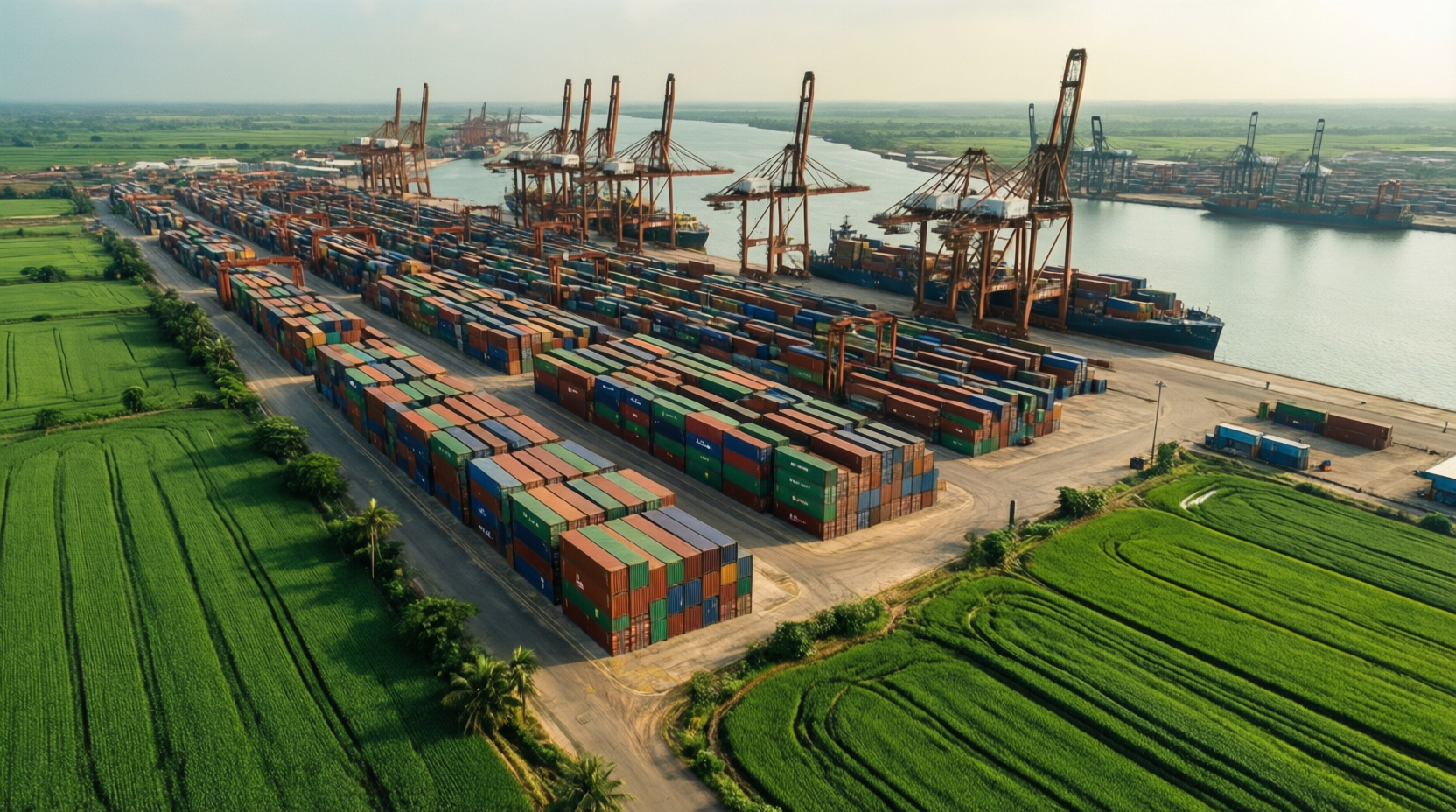
As of June 2026, Kenya has enacted sweeping radiation inspection rules at Mombasa Port, requiring all inbound agri imports to undergo both gamma-ray and neutron scanning. The result? Severe slowdowns in cargo processing, significant customs queues, and rising operating costs for Indian exporters feeding Africa’s robust demand for rice and staples.
Kenya Mombasa Port Radiation Inspection Exporter Impact
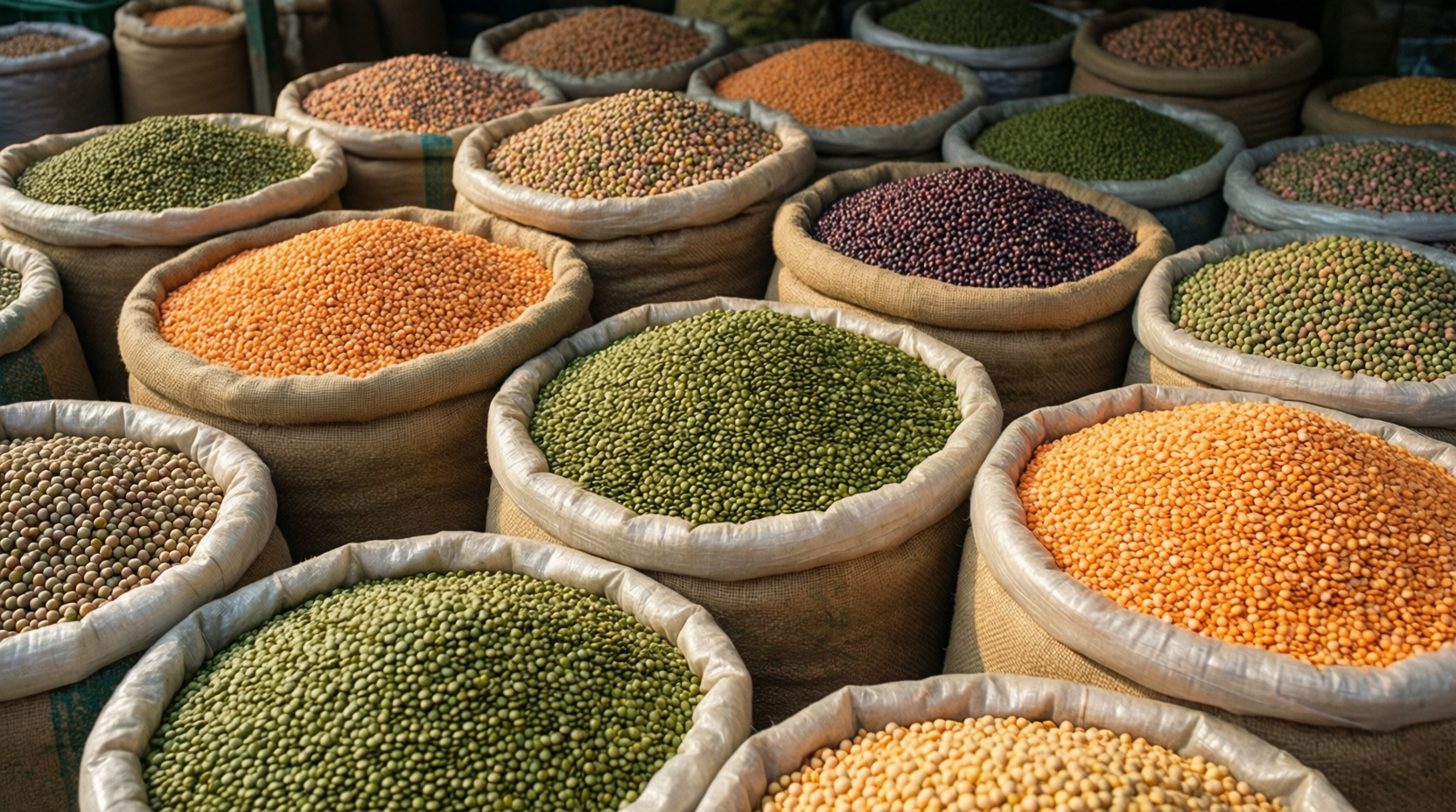
The new procedures have directly increased port dwell times by several days. For Indian agri exporters—especially those shipping non-basmati rice, pulses, and oilseeds—these checks mean containers can now take up to 7–10 days longer to clear, leading to negative cash flow, demurrage charges, and deteriorating freshness for time-sensitive commodities.
East Africa Port Congestion 2026: Ripple Effects
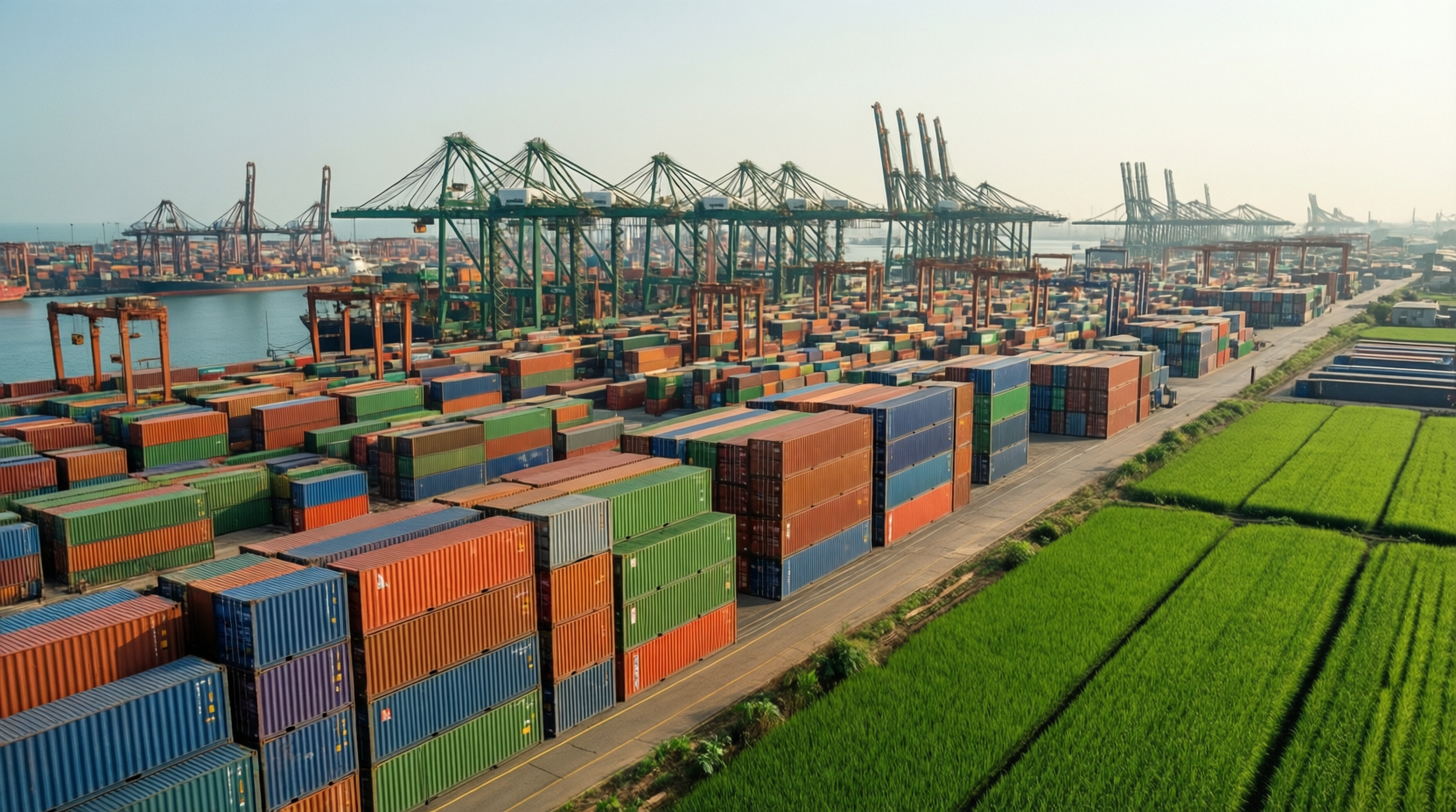
It’s not just Mombasa. Tanzania’s Dar es Salaam and Nigeria’s major ports are also facing vessel pileups, with customs backlogs further straining regional agri supply chains. Add to this the Peaking Season Surcharges and rising global container rates, and the total landed cost for African buyers is climbing, even as Indian rice prices hover at multi-year lows.
Customs Delays Mombasa Dar es Salaam Guidance: Exporter Checklist
“Every Indian exporter sending rice, pulses, or edible oils to Africa in 2026 must budget for extra days at East African ports—especially Mombasa—or risk costly disruptions.”
Compliance for Africa-Bound Exporters India: Don’t Slip Up
Strict adherence to new pre-shipment and import documentation is now mandatory. Incomplete paperwork or missing inspection certificates at Mombasa will lengthen delays and could result in container holds or re-export. Indian exporters need to verify with buyers and local partners that all compliance boxes are ticked—down to the smallest label on a pulse sack.
Freight Surcharges Africa India June 2026: Budget Alert
Freight rates from India to Africa have surged as major carriers like CMA CGM raise FAK and apply new surcharges ($200–$600/TEU; spot rates up 23% year-on-year). Combine this with demurrage, container shortages, and port delays, and end-to-end shipping costs for Indian agri exporters have rarely been higher.
Don’t let port chaos disrupt your Africa business
The Trade Union platform connects Indian agri exporters directly with trusted local partners and up-to-the-minute port status updates, helping you bypass delays and maintain compliance at Mombasa, Dar es Salaam, and beyond.
Staying Competitive: Next Steps for Indian Agri Exporters
- 1Proactively plan shipments for extra port clearance time.
- 2Anticipate and negotiate higher freight and demurrage in contracts.
- 3Update compliance protocols for all Africa-bound agri shipments.
- 4Use a digital platform to track shipments, documents and port queues in real time.
- 5Strengthen communication with buyers for agile response to delays.
Kenya’s Mombasa Port radiation inspection regime is now the new normal—and with it, a transformed compliance and logistics landscape for India–Africa agri trade. Staying nimble, compliant, and well-informed isn’t just best practice, it’s the difference between profit and penalty.
- Written and reviewed by our in-house trade experts — not AI-generated filler.
- Market figures come from live platform data across thousands of verified trades.
- Every buyer and supplier on The Trade Union is identity- and document-verified.
- Guides are updated as regulations and market conditions change.