On this page
- How have geopolitical conflicts affected Indian rice exports to Gulf markets?
- What strategies can Indian exporters use to mitigate geopolitical risks?
- How important is market diversification for Indian rice exporters?
- What role does supply chain resilience play in export risk management?
- How can Indian exporters stay informed about geopolitical developments?
- What can government support mean for exporters facing geopolitical risks?
- Key takeaways
- FAQ
The West Asia conflicts in 2026 have disrupted vital export corridors for Indian rice, leading to a 15% decline in exports to Gulf countries such as Iran and Saudi Arabia. Exporters must now navigate these geopolitical risks to protect their businesses while sustaining steady growth amid challenging external factors.
How have geopolitical conflicts affected Indian rice exports to Gulf markets?
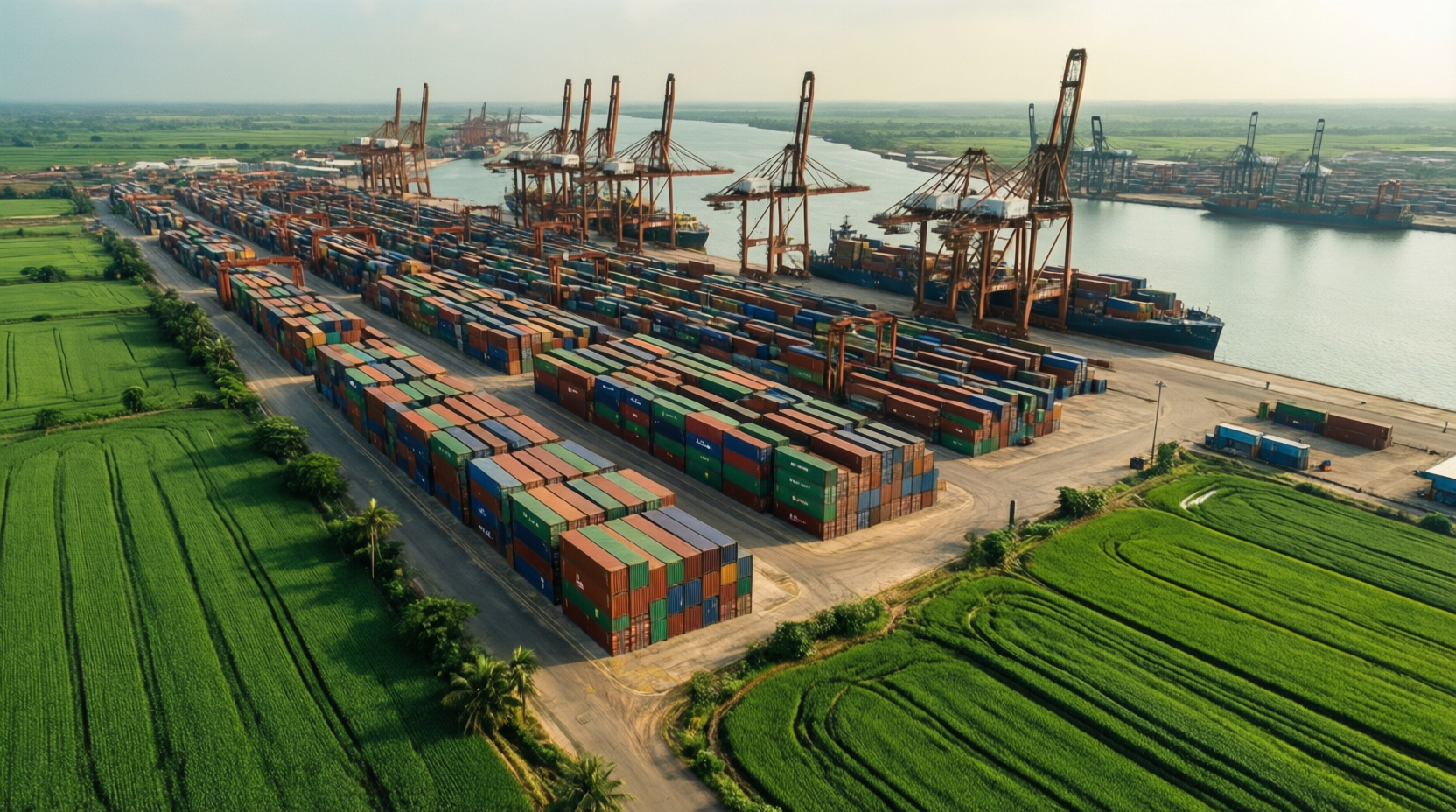
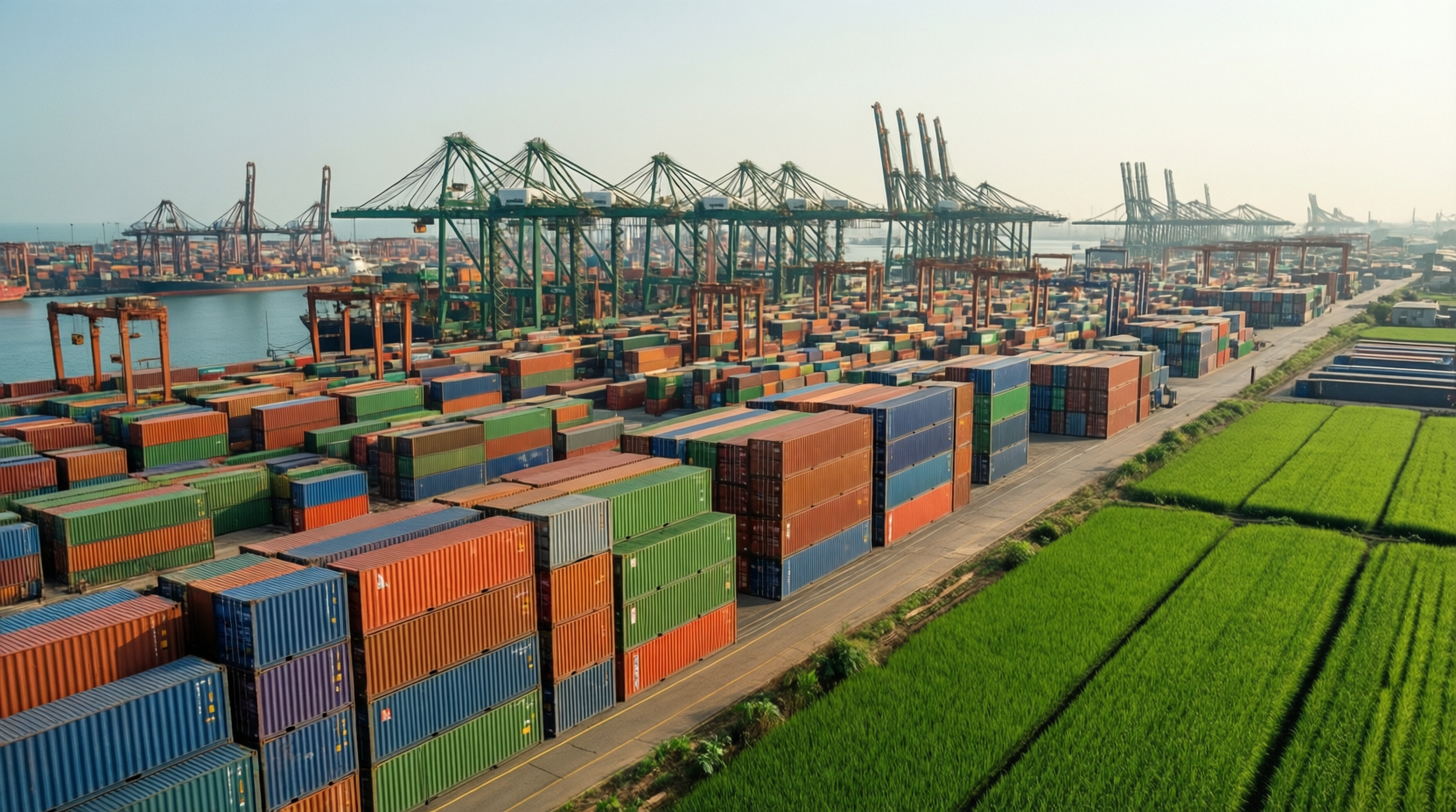
The ongoing West Asia war has directly impacted logistics and trade routes, causing delays and cancellations of shipments to key Gulf importing countries. This disruption has contributed to a significant year-on-year decline of 7.5% in Indian rice exports in FY26, particularly hitting markets like Iran and Saudi Arabia. Exporters face increased uncertainty and operational challenges due to fluctuating demand and tighter regulations amid regional instability.
What strategies can Indian exporters use to mitigate geopolitical risks?
- Diversify export destinations beyond Gulf countries to reduce dependency on politically sensitive regions.
- Establish strong relationships with multiple logistics providers to navigate alternative shipping routes.
- Invest in real-time geopolitical risk intelligence and market analysis to anticipate disruptions.
- Adopt flexible contract terms with buyers to accommodate unforeseen delivery delays.
- Engage with government trade bodies to stay updated on policy support and export facilitation programs.
How important is market diversification for Indian rice exporters?
Diversifying into emerging markets, such as Southeast Asia and Africa, can help Indian rice exporters buffer against risks concentrated in the Gulf region. This reduces reliance on geopolitically volatile areas and opens new growth avenues as other regions show rising demand for Indian rice varieties. Leveraging quality certifications and competitive pricing is key to penetrating these alternative markets.
What role does supply chain resilience play in export risk management?
Building flexible and resilient supply chains is crucial amid geopolitical uncertainties. This includes having diversified sourcing of raw materials, maintaining buffer stocks, and engaging with multiple freight carriers and routes. Enhancing traceability and compliance with phytosanitary standards also allows for smoother customs clearance, reducing transit delays and preserving product quality.
How can Indian exporters stay informed about geopolitical developments?
Subscriptions to specialized geopolitical risk intelligence services and active engagement with trade associations help exporters receive timely alerts and expert analysis. Collaborating with government agencies also ensures awareness of changing trade policies or sanctions. Regular scenario planning and crisis preparedness exercises based on these insights enable proactive response to disruptions.
"In an interconnected world, understanding geopolitical shifts is as critical as knowing your product quality. Preparedness and adaptability ensure the longevity of export success." – Meena Patel, Export Consultant
Exporters should view geopolitical disruptions not only as risks but also as catalysts to innovate their market strategies, diversify operations, and strengthen resilience for sustainable growth.
What can government support mean for exporters facing geopolitical risks?
Government trade liberalization, export facilitation schemes, and diplomatic efforts to restore trade routes play a critical role in mitigating geopolitical risk impact. Exporters benefit from these initiatives by receiving financial incentives, guidance on compliance, and enhanced market access opportunities that help offset challenges posed by regional conflicts.
Key takeaways
- Geopolitical conflicts have caused a notable decline in Indian rice exports to Gulf countries in 2026.
- Diversification of export markets and flexible supply chains are essential risk management strategies.
- Timely geopolitical intelligence and government support enhance exporters' ability to mitigate disruptions.
- Resilience and adaptability can turn geopolitical challenges into opportunities for sustainable export growth.
Frequently asked questions
How has the West Asia conflict impacted Indian rice exports?
It disrupted logistics and trade routes to Gulf countries, leading to a 15% decline in exports to key markets like Iran and Saudi Arabia in early 2026.
What are practical steps to manage geopolitical risk in rice exports?
Diversifying export markets, using alternative shipping routes, staying informed with geopolitical intelligence, and flexible contract terms help manage risks effectively.
Why is market diversification important for Indian rice exporters?
It reduces dependence on politically unstable regions, opens up new growth markets, and helps maintain export volumes amid regional disruptions.
How can exporters stay updated on geopolitical developments affecting trade?
By subscribing to risk intelligence services, engaging with trade bodies, and collaborating with government agencies for real-time updates and analysis.
What role does the Indian government play in mitigating export risks?
Through trade facilitation programs, export incentives, and diplomatic efforts to secure trade routes, the government supports exporters navigating geopolitical challenges.
- Written and reviewed by our in-house trade experts — not AI-generated filler.
- Market figures come from live platform data across thousands of verified trades.
- Every buyer and supplier on The Trade Union is identity- and document-verified.
- Guides are updated as regulations and market conditions change.