On this page
- The Freight Crisis: Causes and Impact on Exporters
- Export Container Cost Breakdown: Agriculture India 2026
- Responding to Logistics Disruptions: Agri Exporters vs. West Asia Crisis
- Leveraging the RELIEF Cargo Insurance Scheme
- Adapting to Evolving Shipping Networks: The India-East Africa Advantage
- Operational Checklist: Coping with High Ocean Freight Rates
Indian agricultural exporters are navigating a logistics storm: container freight costs have soared up to fivefold in 2026, driven by geopolitical crises and supply chain bottlenecks. This actionable guide details cost breakdowns, new relief schemes, and proven strategies to help exporters survive and compete globally.
The Freight Crisis: Causes and Impact on Exporters
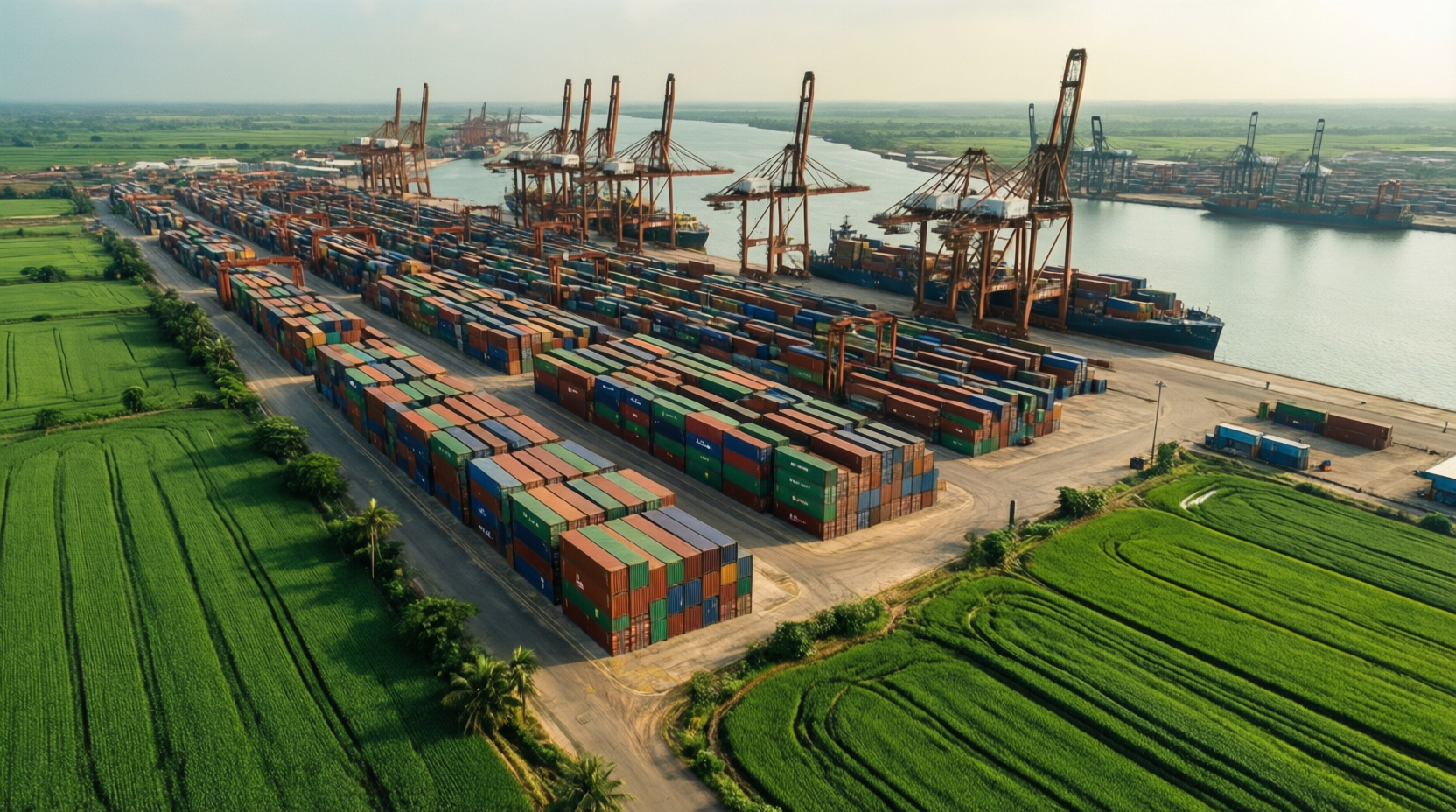
The ongoing conflict in West Asia has directly stranded up to 45,000 Indian export containers, sparking unprecedented rises in container charges. The Drewry World Container Index shot up ~23% to $3,433 per 40 ft FEU in early June 2026, and CMA CGM hiked rates from India to key destinations up to $5,500 per container. For agri exporters, ocean freight has become the single largest cost driver, injecting uncertainty across supply chains.
Export Container Cost Breakdown: Agriculture India 2026
- FOB (Freight on Board): Base product cost plus loading charges
- Ocean freight: $3,300–$5,500 per 40 ft container (route dependent)
- Peak season & war-risk surcharges: $500–$1,500 extra per container
- Inland logistics: Road/rail costs to port, variable by region
- Cargo insurance: Historically 0.2–0.4% of CIF, now higher amid risk premiums
- Port handling and documentation: ₹10,000–₹20,000 per box typical
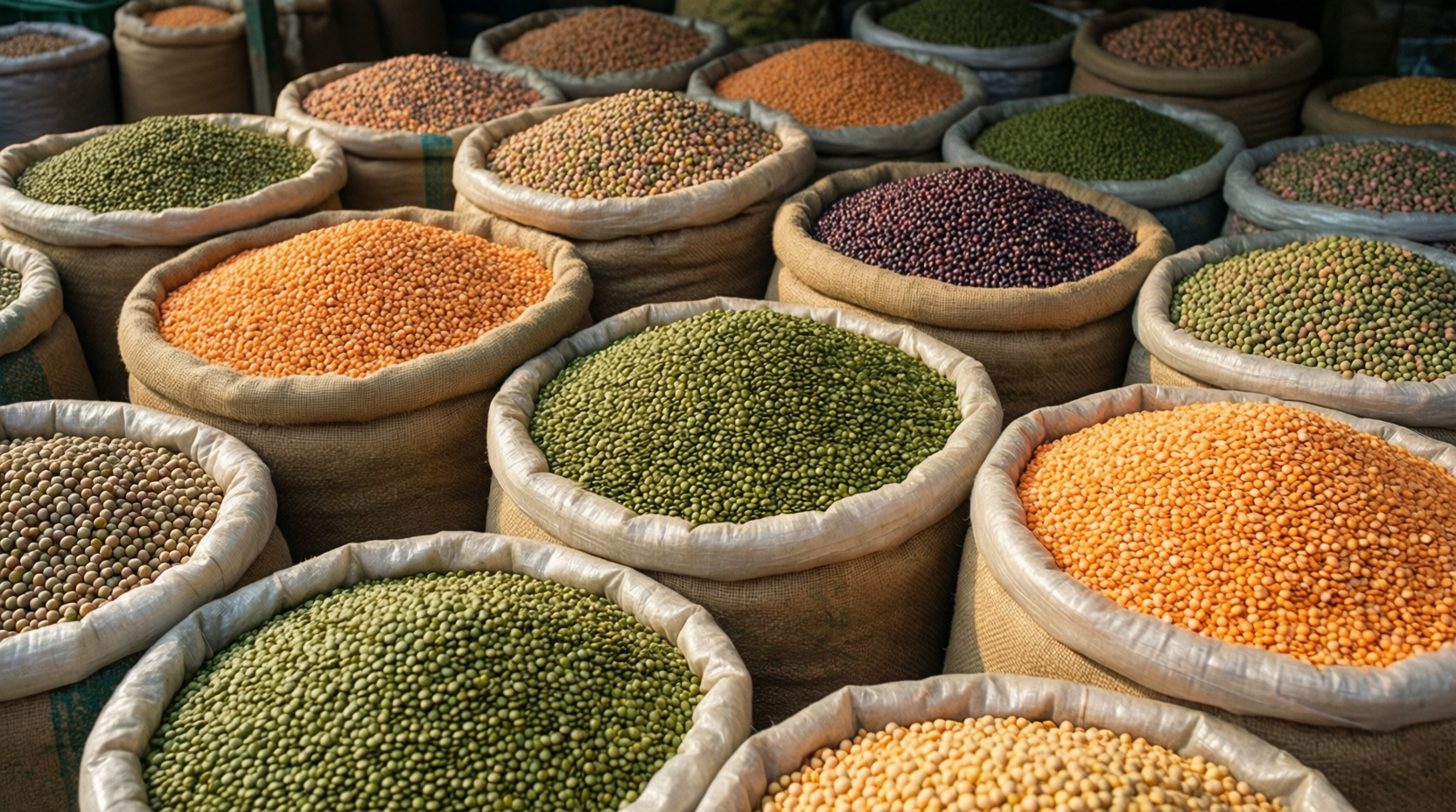
Exporters already facing thinner margins, especially for bulk pulses and spices, now see logistics account for 35–50% of total landed costs. A deep understanding of each cost component is crucial for negotiation and contingency planning.
Responding to Logistics Disruptions: Agri Exporters vs. West Asia Crisis
- 1Negotiate flexible shipment windows: Avoid peak surcharges when feasible.
- 2Collaborate with freight forwarders for consolidated loads or alternative ports.
- 3Explore 'back-to-town' for stranded cargo, though watch for demurrage risks.
- 4Monitor new port performance indices to leverage faster or lower-cost ports.
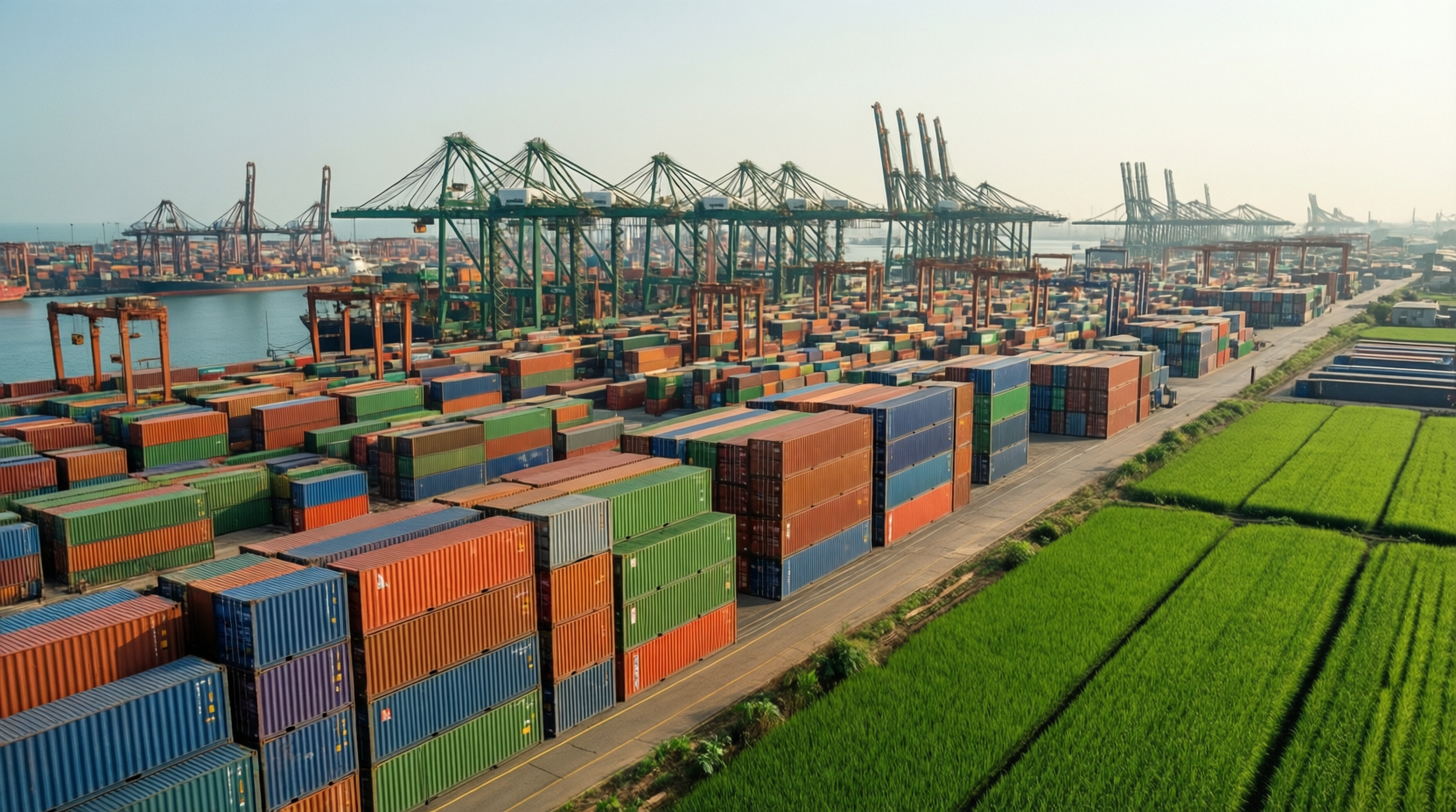
Rail-based container logistics is gaining traction, with the Western Dedicated Freight Corridor (JNPT–New Saphale) completed and Northern Railways upgrading export cargo movement—offering more predictable costs and port connectivity amid road bottlenecks.
Leveraging the RELIEF Cargo Insurance Scheme
To directly address surging insurance and war-risk costs, the Indian government rolled out the Rs 497-crore 'RELIEF' insurance scheme in March 2026. This covers incremental freight and insurance surcharges that MSME exporters face when rerouting cargo or encountering disruptions, providing a shot in the arm for risk-exposed shippers.
"Our containers have been stranded for months, but RELIEF has kept us afloat—it's been a critical buffer in volatile times." – B. Mehta, cumin exporter, Gujarat
Adapting to Evolving Shipping Networks: The India-East Africa Advantage
Shipping lines like CMA CGM revamped their India-East Africa services in 2026, adding direct calls at Mundra and Cochin to key African ports (Mombasa, Dar es Salaam). For exporters in pulses, spices, and perishables, these new networks cut transit time and provide alternatives amid Red Sea volatility.
Operational Checklist: Coping with High Ocean Freight Rates
- Break down all logistics costs in quotations, not just product prices.
- Review RELIEF eligibility with your freight forwarder or export council.
- Diversify routes; investigate new direct services to Africa and Asia.
- Use updated port efficiency data to benchmark and choose entry points.
- Revisit buyer contracts for freight surcharges; pass on or share costs where possible.
Looking to streamline freight costs and secure new routes? The Trade Union’s platform empowers exporters to benchmark container rates, access risk-rated logistics services, and connect directly with vetted shipping partners. Explore our logistics dashboard today.
Final Thoughts: Exporters’ Playbook for 2026
India’s agri exporters are tested by global instability and record freight costs—but with calculated cost mapping, leveraging new government schemes like RELIEF, embracing alternative corridors, and agile contract management, resilient exporters can turn adversity into competitive advantage in 2026 and beyond.
- Written and reviewed by our in-house trade experts — not AI-generated filler.
- Market figures come from live platform data across thousands of verified trades.
- Every buyer and supplier on The Trade Union is identity- and document-verified.
- Guides are updated as regulations and market conditions change.