On this page
- What is the scope and rationale of India’s sugar export ban until September 2026?
- How does the sugar export prohibition affect Indian agro-exporters?
- What strategies can exporters adopt to adapt and sustain business continuity during the ban?
- How do global and regional trends impact Indian sugar exporters under the ban?
- What government initiatives support exporters during restrictive policies like the sugar ban?
- What are practical first steps for exporters facing the sugar export prohibition?
- Key takeaways
- FAQ
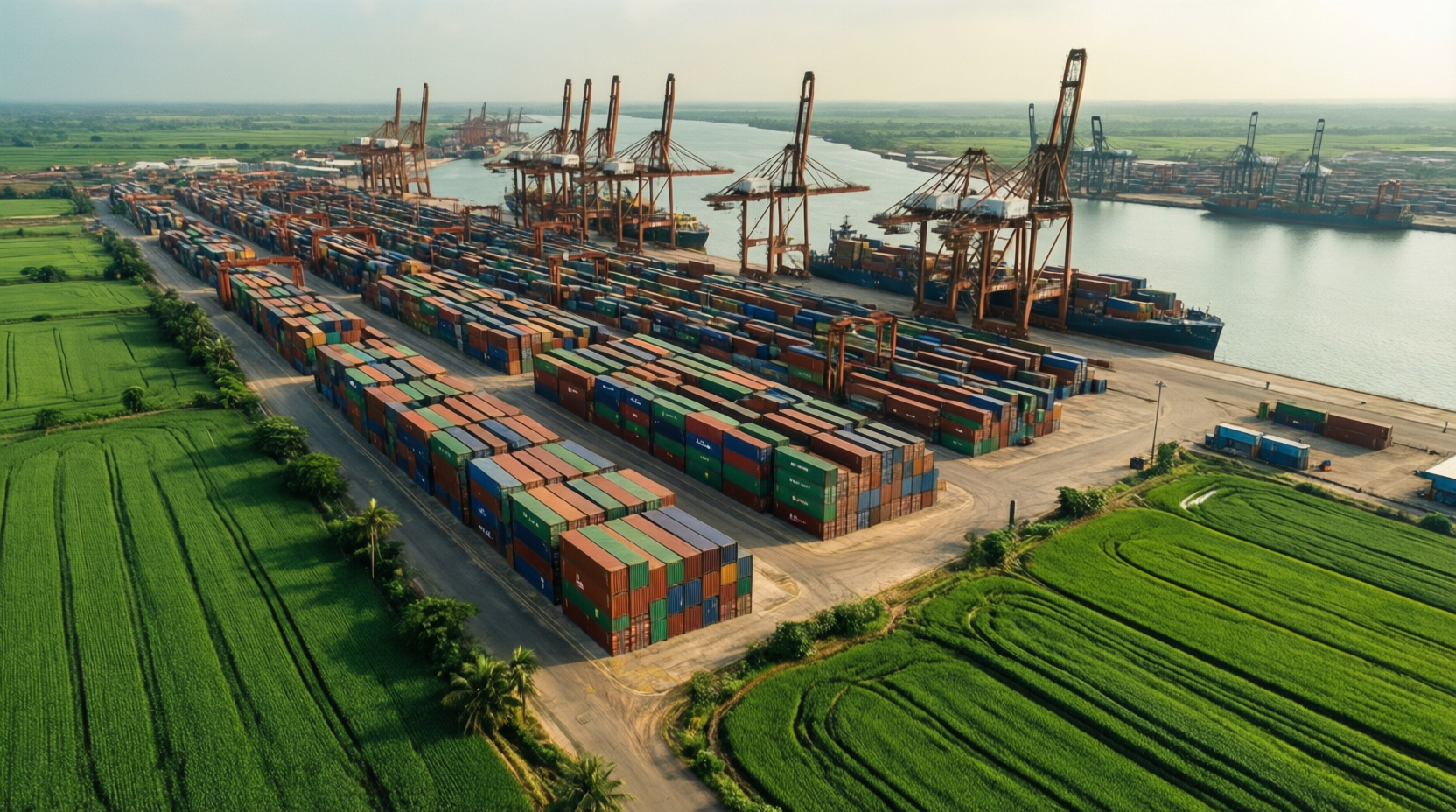
India’s recent sugar export ban, effective until September 30, 2026, has created a significant shift in the agricultural export landscape. For agro-exporters, understanding the implications of this prohibition and crafting effective adaptation strategies is now essential to sustain growth and navigate regulatory complexities in 2026 and beyond.
What is the scope and rationale of India’s sugar export ban until September 2026?
The Government of India has prohibited sugar exports until the end of September 2026 to stabilize domestic sugar prices and ensure sufficient local supply amid rising costs and production challenges. This export ban is part of broader agricultural export regulations designed to protect consumer interests while balancing market dynamics.
How does the sugar export prohibition affect Indian agro-exporters?
Exporters traditionally reliant on sugar shipments face revenue disruptions and market access challenges. The ban restricts a major commodity’s movement, forcing exporters to recalibrate business models and look beyond sugar to preserve income streams. The prohibition also impacts supply chain agreements and international trade relationships, necessitating swift adjustments.
What strategies can exporters adopt to adapt and sustain business continuity during the ban?
How do global and regional trends impact Indian sugar exporters under the ban?
While India’s agricultural exports grew 2.3% in 2025-26 and saw expansion in maize and spices, the sugar export ban creates a unique constraint. Concurrently, countries like South Africa and Egypt boost their own export volumes, intensifying competition. Additionally, geopolitical tensions affecting other commodities like basmati rice underscore the importance of strategic diversification.
What government initiatives support exporters during restrictive policies like the sugar ban?
APEDA’s enhanced strategies include integrating free trade agreements and innovative collaborations with startups and farmer producer organizations to promote export growth despite trade barriers. There is also increased focus on expanding quotas for other key commodities like wheat and flour to balance export portfolios amid sector-specific bans.
"Adaptability and proactive diversification are vital for Indian agro-exporters to sustain growth during export restrictions," says Ramesh Chand, agricultural economist.
What are practical first steps for exporters facing the sugar export prohibition?
Expert insight
The sugar export ban, although temporary, signals a broader trend in agricultural trade policies emphasizing domestic stability. Exporters who diversify product lines and leverage policy support stand to emerge more resilient and competitive in the global market.
Key takeaways
- India’s sugar export ban until September 2026 aims to stabilize domestic prices but restricts a major export commodity.
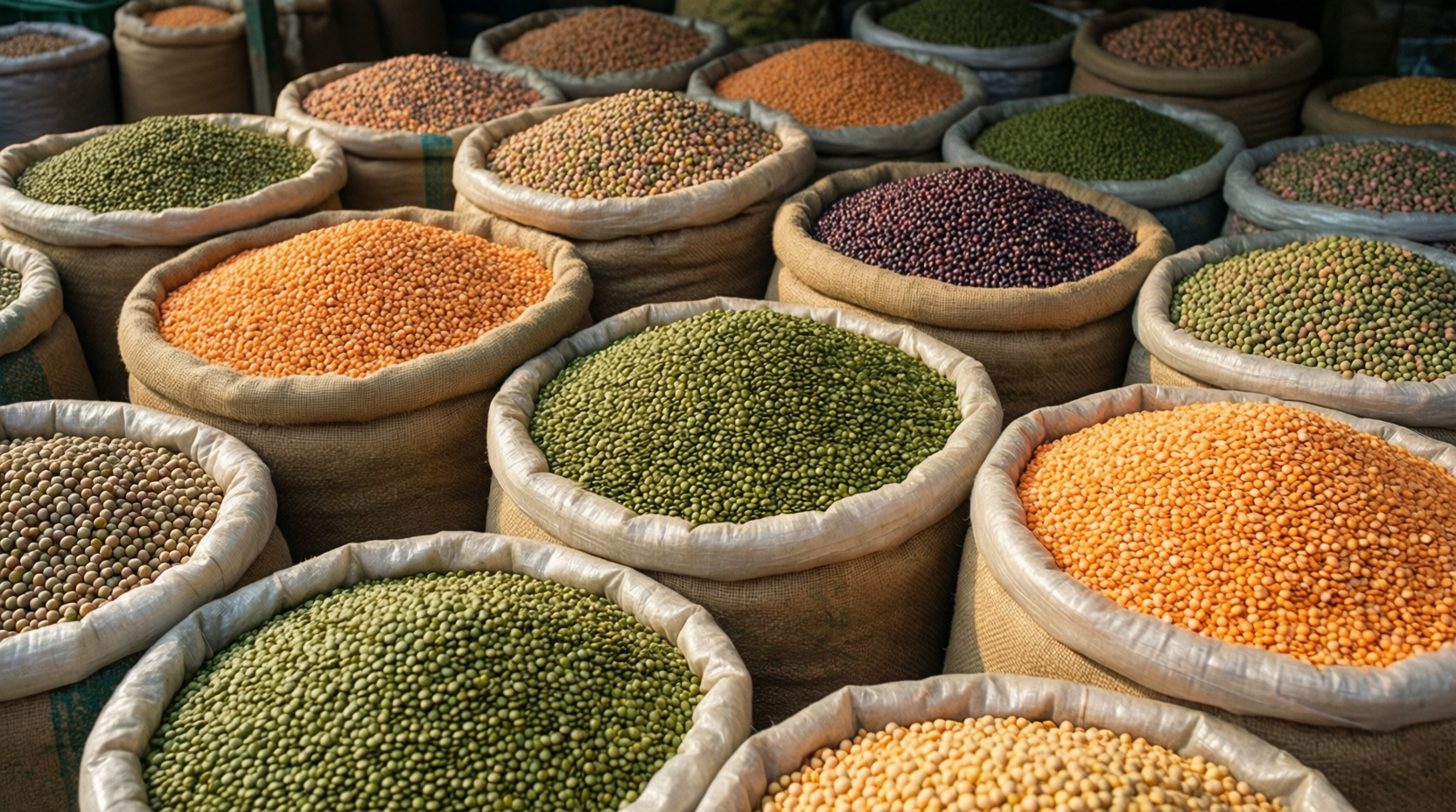
- Agro-exporters should diversify into other high-demand products like maize and spices to mitigate revenue loss.
- Government programs like APEDA’s integrated export strategies offer valuable support amid export restrictions.
- Strategic market research and value addition can help exporters sustain and grow business despite the ban.
Frequently asked questions
Why has India banned sugar exports until September 2026?
India’s government imposed the sugar export ban to stabilize domestic prices and ensure sufficient supply amid rising costs and production challenges.
How can exporters maintain revenue during the sugar export prohibition?
Exporters can diversify into alternative commodities such as maize and spices, invest in value-added products, and explore new export markets to sustain revenue streams.
Are there government supports available to help exporters during this period?
Yes, agencies like APEDA offer strategic programs integrating free trade agreements and collaboration with startups and farmer producer organizations to assist exporters.
Will the sugar export ban affect India’s overall agricultural export growth?
While the ban limits sugar exports, India’s agricultural export sector is growing overall, supported by increases in other commodities and regulatory support.
What initial steps should exporters take to adapt to the sugar export ban?
Exporters should analyze their product portfolio, engage with export promotion bodies, research new markets, and enhance processing capabilities to adapt effectively.
- Written and reviewed by our in-house trade experts — not AI-generated filler.
- Market figures come from live platform data across thousands of verified trades.
- Every buyer and supplier on The Trade Union is identity- and document-verified.
- Guides are updated as regulations and market conditions change.