On this page
- How is record corn production in India shaping export potential for 2026?
- What makes Indian corn pricing competitive on the global stage this year?
- Which export markets show the strongest demand growth for Indian corn?
- How have recent policies affected Indian corn exports?
- How does India's corn export growth compare to competitor countries like South Africa and Russia?
- What logistical factors support India’s expanding corn exports?
- What risks could impact India’s corn export outlook in 2026?
- How can Indian corn exporters sustain growth amid global market uncertainties?
- Key takeaways
- FAQ
India’s corn export sector is riding the wave of its highest domestic production in recent years, alongside persistent competitive pricing that positions it strongly in the 2026 global agro-export landscape. These factors are driving forecasts towards a three-year high for corn shipments, even as exporters navigate evolving market dynamics and regional challenges.
How is record corn production in India shaping export potential for 2026?
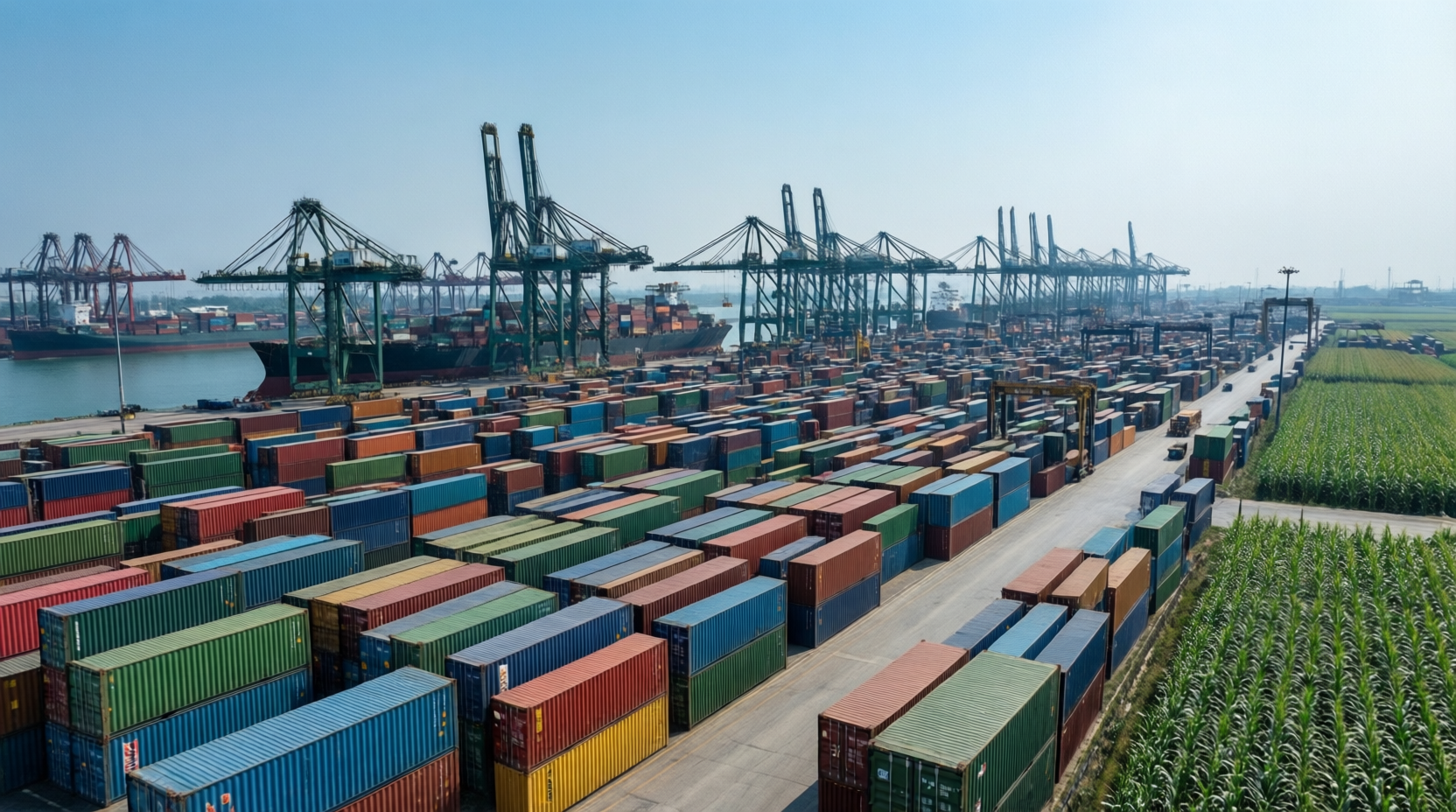
India’s 2026 corn harvests have reached unprecedented levels, thanks to favorable monsoon patterns and advances in agronomic practices. The surge in production not only assures ample supply for the domestic market but also creates a surplus aimed squarely at exports. This growth mitigates supply risks and enhances India’s reliability for international buyers seeking consistent volumes.
What makes Indian corn pricing competitive on the global stage this year?
Competitive pricing is a key pillar supporting India’s corn export prospects. Lower production costs, efficient supply chains, and currency factors keep Indian corn prices attractive relative to major exporters such as South Africa and Russia. This pricing advantage incentivizes buyers to diversify sourcing towards Indian corn, especially amid geopolitical uncertainties affecting other suppliers.
Which export markets show the strongest demand growth for Indian corn?
Demand from West Asian Gulf countries and several African nations continues to rise, driven by increasing consumption and feed industry growth. Indian corn faces less competition in these regions compared to North America or Europe, and ongoing trade relations strengthen market access. Additionally, Indian suppliers benefit from FTA advantages, tariff exemptions, and established trade linkages that underpin sustained demand.
How have recent policies affected Indian corn exports?
Unlike commodities such as sugar, where export bans and stock limits are active to stabilize domestic prices, corn exports currently face no restrictive export policies. This regulatory openness enables exporters to fully capitalize on high production and global demand. However, companies monitor evolving trade rules closely to preempt any market disruptions.
How does India's corn export growth compare to competitor countries like South Africa and Russia?
South Africa has recorded strong agricultural export growth, including maize, but logistical bottlenecks at key ports limit immediate scaling. Russia’s exports to Africa have surged, especially wheat, but corn volumes are less dominant. India’s edge lies in combining scale with price competitiveness and fewer logistical constraints, positioning it favorably amid intensifying competition.
What logistical factors support India’s expanding corn exports?
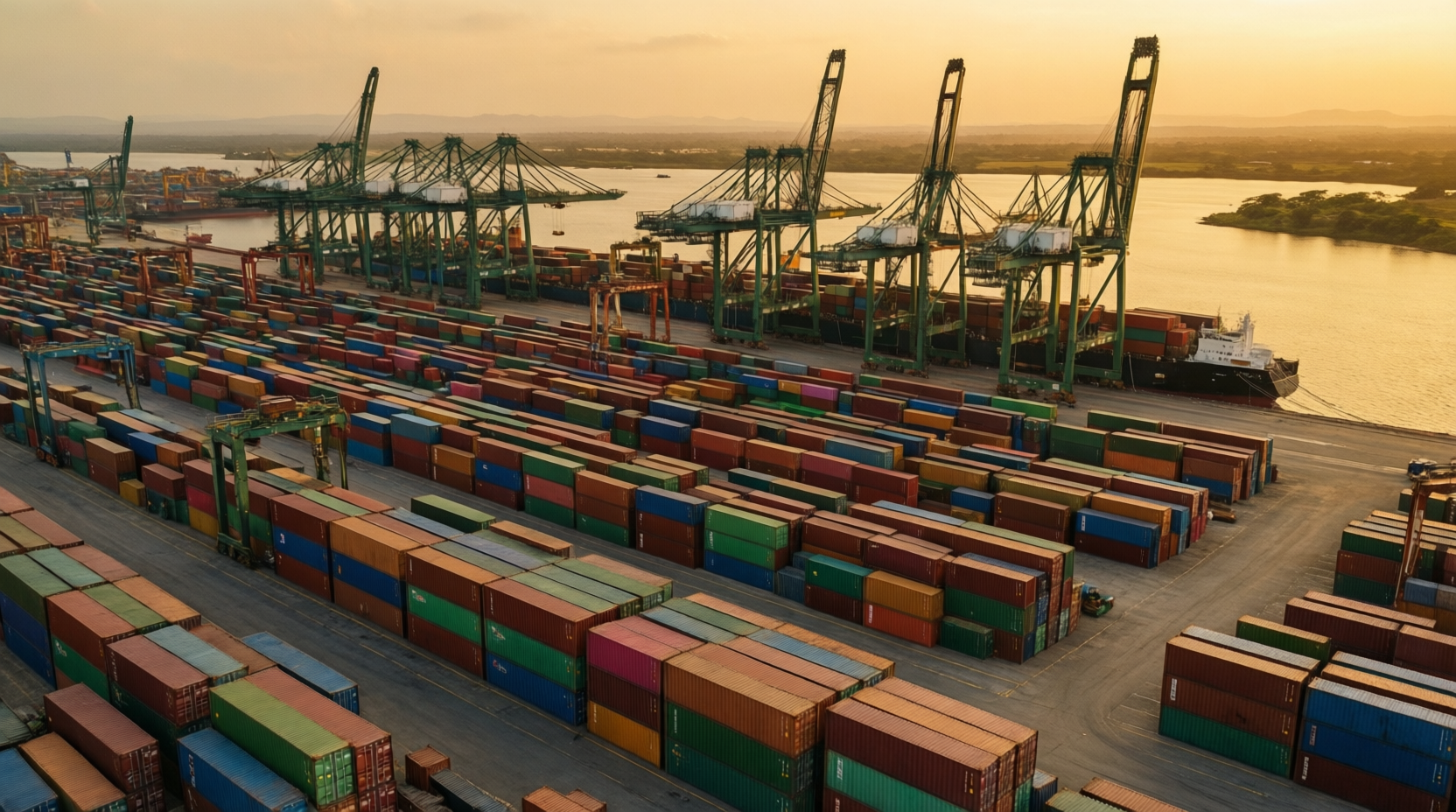
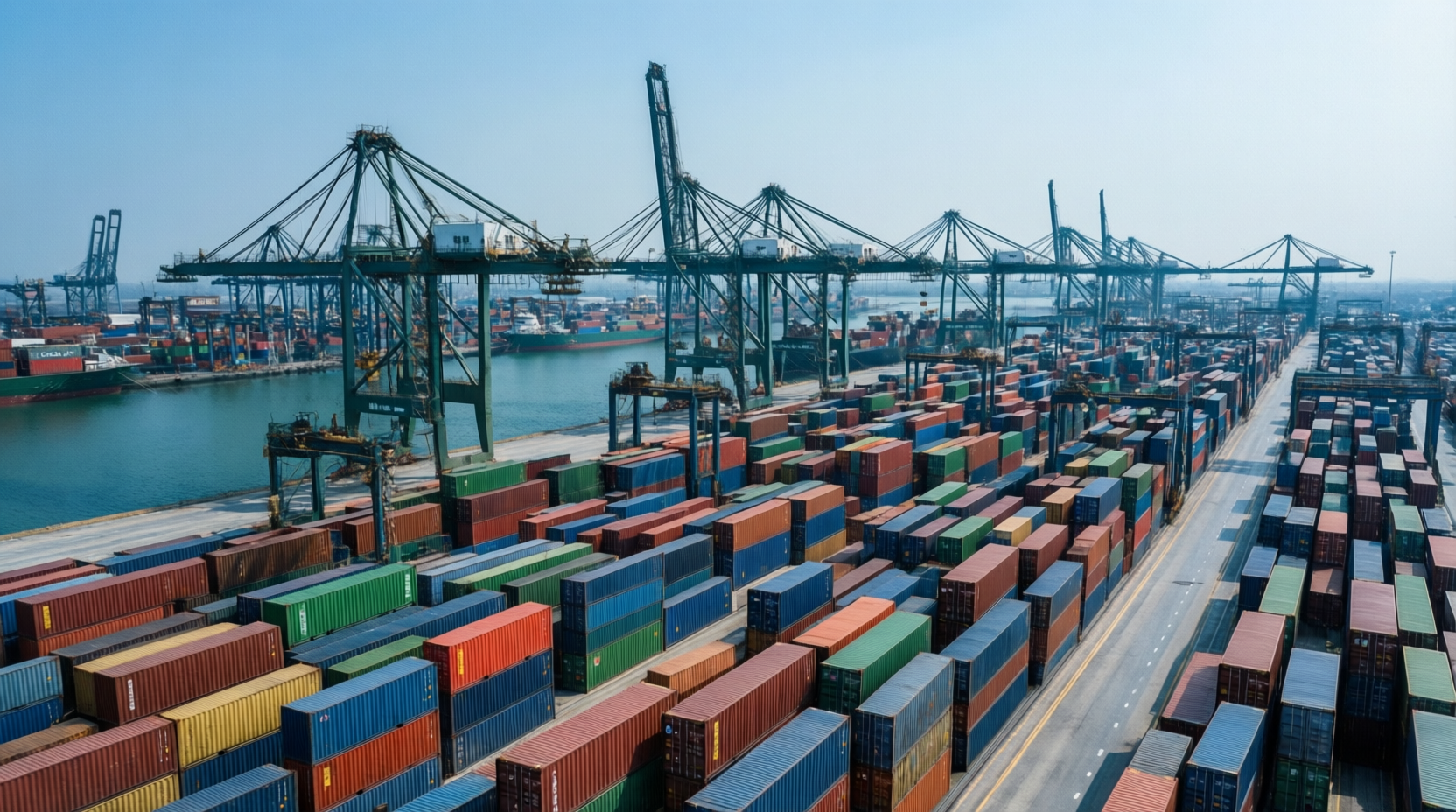
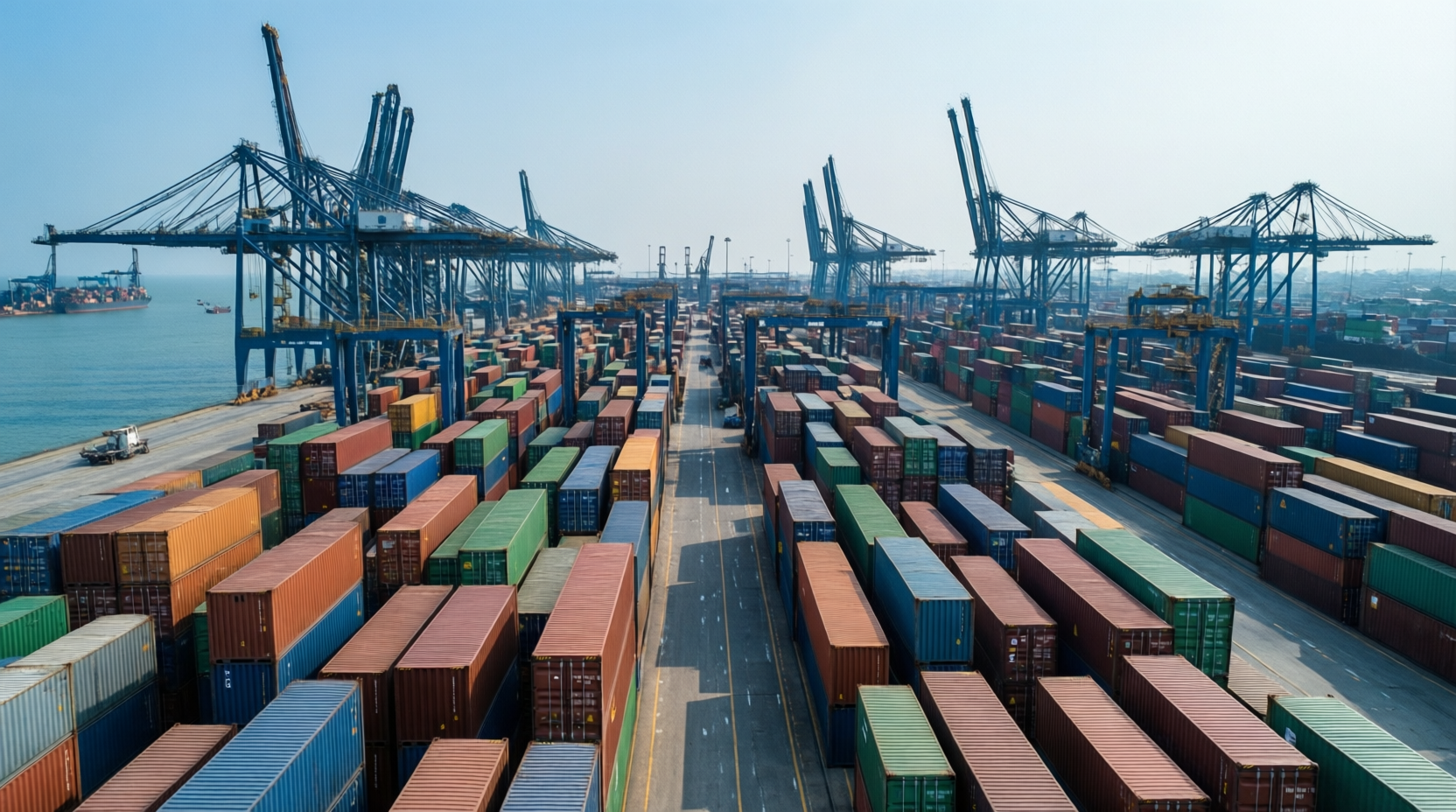
India benefits from multiple well-equipped port facilities with improving infrastructure and streamlined customs processes. This enhances shipment reliability and cost efficiency. While some global competitors face port congestion and rerouting challenges, Indian exporters leverage these logistics strengths to meet delivery timelines and maintain buyer confidence.
What risks could impact India’s corn export outlook in 2026?
Potential risks include sudden domestic policy shifts affecting export volumes, unforeseen climatic events that could reduce crop yields, and global geopolitical tensions disrupting trade flows. Additionally, currency fluctuations and rising input costs might narrow India’s pricing advantage if not managed carefully.
How can Indian corn exporters sustain growth amid global market uncertainties?
- Diversify export destinations to reduce dependence on any single region.
- Invest in quality certifications and compliance to meet international standards.
- Enhance supply chain transparency to build buyer trust.
- Leverage government export promotion schemes and trade agreements.
- Monitor competitor strategies and adapt pricing to maintain competitiveness.
"India’s record corn production paired with strategic pricing is reshaping the global corn trade landscape in 2026, offering new growth avenues for exporters."
Market Insight
Exporters should closely watch policy changes in India and competitor countries, ensuring agility to capitalize on emerging market gaps. Strategic pricing and reliable supply chains remain paramount for seizing the 2026 opportunities in Indian corn exports.
Key takeaways
- India's corn exports are forecasted to reach a three-year high in 2026 due to record production and competitive pricing.
- Demand is strengthening in West Asia and African markets benefiting from trade agreements and growing feed sectors.
- India's logistical advantages and regulatory openness support its rising export volumes compared to competitors like South Africa and Russia.
- Exporters should focus on diversification, quality compliance, and adaptability to sustain momentum amid market risks.
Frequently asked questions
What factors are driving India's corn export growth in 2026?
Record domestic corn production and competitive pricing against global suppliers are the main drivers boosting India’s corn exports this year.
Are there any export restrictions on Indian corn currently?
No, unlike sugar, Indian corn exports in 2026 face no major export bans or stock limits, allowing exporters to maximize shipments.
Which countries are key buyers of Indian corn in 2026?
West Asian Gulf nations and several African countries show strong demand for Indian corn, supported by trade agreements and growing feed industries.
How does India’s corn export competitiveness compare to South Africa and Russia?
India benefits from higher production, competitive prices, and fewer logistical issues, giving it an edge over South Africa, which faces port challenges, and Russia, which focuses more on other grains.
What strategies can Indian corn exporters adopt to sustain growth?
Exporters should diversify markets, comply with quality standards, leverage government support, and maintain flexible pricing to navigate global market uncertainties.
- Written and reviewed by our in-house trade experts — not AI-generated filler.
- Market figures come from live platform data across thousands of verified trades.
- Every buyer and supplier on The Trade Union is identity- and document-verified.
- Guides are updated as regulations and market conditions change.