On this page
- How is monsoon variability affecting basmati paddy sowing this kharif season?
- Why is basmati acreage rising despite monsoon risks?
- What export trends are influencing Indian basmati rice markets this year?
- How can exporters manage risks associated with monsoon impact on basmati crops?
- What role does the India-UK trade pact play in basmati rice export opportunities?
- Are there specific compliance requirements exporters should focus on for basmati rice?
- What logistics considerations are critical for maintaining basmati rice export quality?
- Key takeaways
- FAQ
Indian basmati rice cultivation is expanding this kharif season, driven by solid export prices and robust global demand. However, uneven monsoon rains present cultivation challenges that exporters must strategically navigate to maximize export potential in 2026.
How is monsoon variability affecting basmati paddy sowing this kharif season?
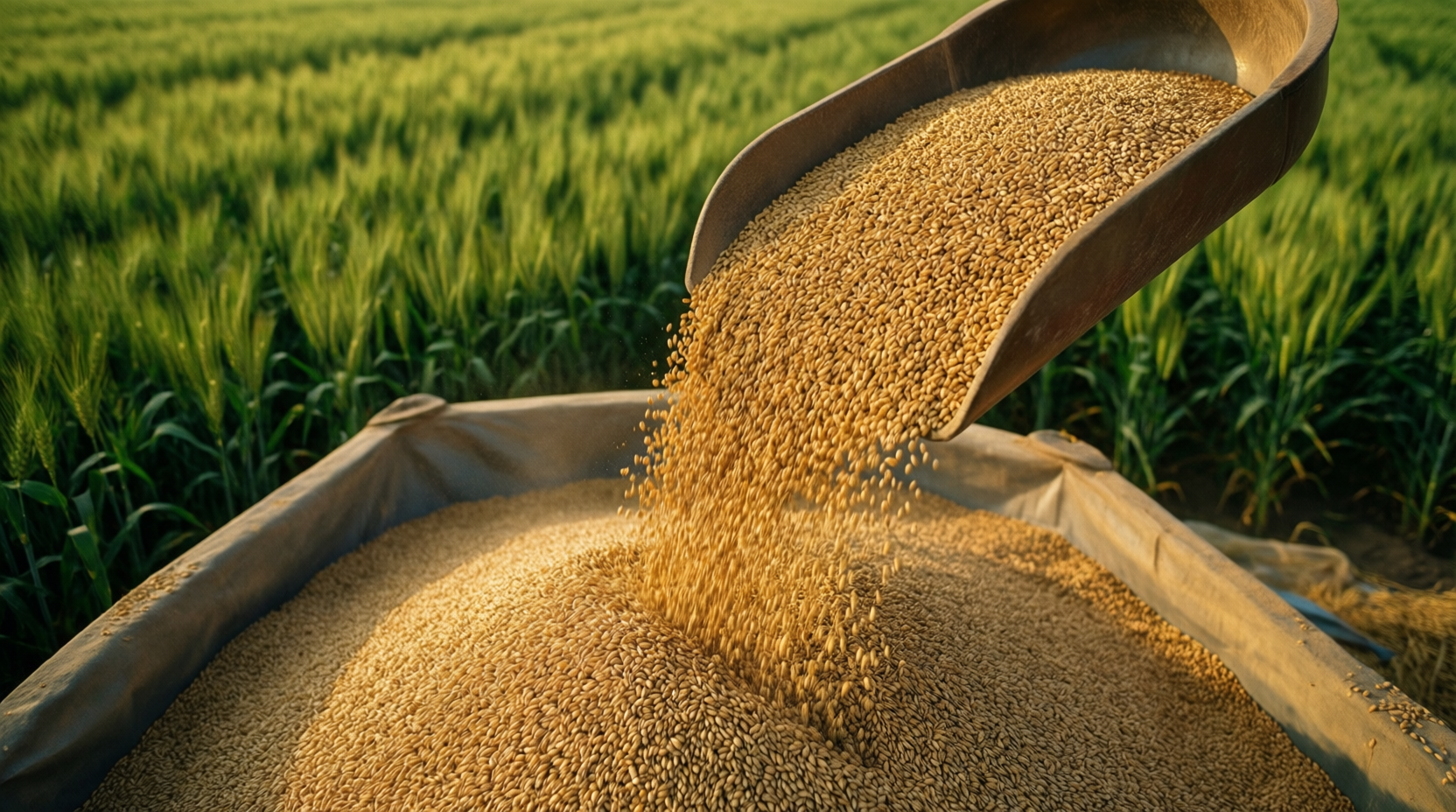
The 2026 kharif season has been marked by erratic and below-average monsoon rainfall in key basmati-growing regions like Punjab and Haryana. This inconsistency delays paddy sowing windows and can reduce crop yields. Yet, strong basmati prices incentivize farmers to risk increased acreage despite these climatic uncertainties, encouraging export oriented cultivation.
Why is basmati acreage rising despite monsoon risks?
Exceptional export demand, especially from Middle East and European markets, is driving basmati rice price increases. These high prices offset monsoon risk premiums for farmers. Additionally, announced tariff cuts under the India-UK Comprehensive Economic and Trade Agreement (CETA) effective July 15, 2026, have boosted exporter orders, promoting acreage expansion despite climatic challenges.
What export trends are influencing Indian basmati rice markets this year?
Indian basmati exports are experiencing price firming for a third consecutive week, with government reserve prices increasing to align with export demand. Exporters report a surge in UK orders ahead of the new trade pact implementation. Meanwhile, demand from Gulf countries and Europe remains steady, underpinning firm export volumes and revenues.
How can exporters manage risks associated with monsoon impact on basmati crops?
Exporters should diversify sourcing across multiple basmati-producing states to mitigate localized monsoon shortfalls. Employing crop insurance schemes specifically tailored for monsoon failure can protect farmer partners and supply chains. Enhancing cold storage and efficient logistics helps stabilize quality despite weather-induced harvest delays.
What role does the India-UK trade pact play in basmati rice export opportunities?
The India-UK CETA, effective July 15, 2026, reduces tariffs on basmati rice exports, increasing price competitiveness in the UK market. This has triggered a pre-rollout surge in orders and strengthens the outlook for Indian exporters targeting premium European buyers. Exporters can capitalize on this by securing timely shipments and maintaining quality compliance.
Are there specific compliance requirements exporters should focus on for basmati rice?
- Certification of Geographical Indication (GI) status for authentic basmati rice.
- Phytosanitary certificates to meet importing country standards.
- Adherence to maximum residue limits (MRLs) for pesticides.
- Compliance with packaging and labeling regulations per destination market.
What logistics considerations are critical for maintaining basmati rice export quality?
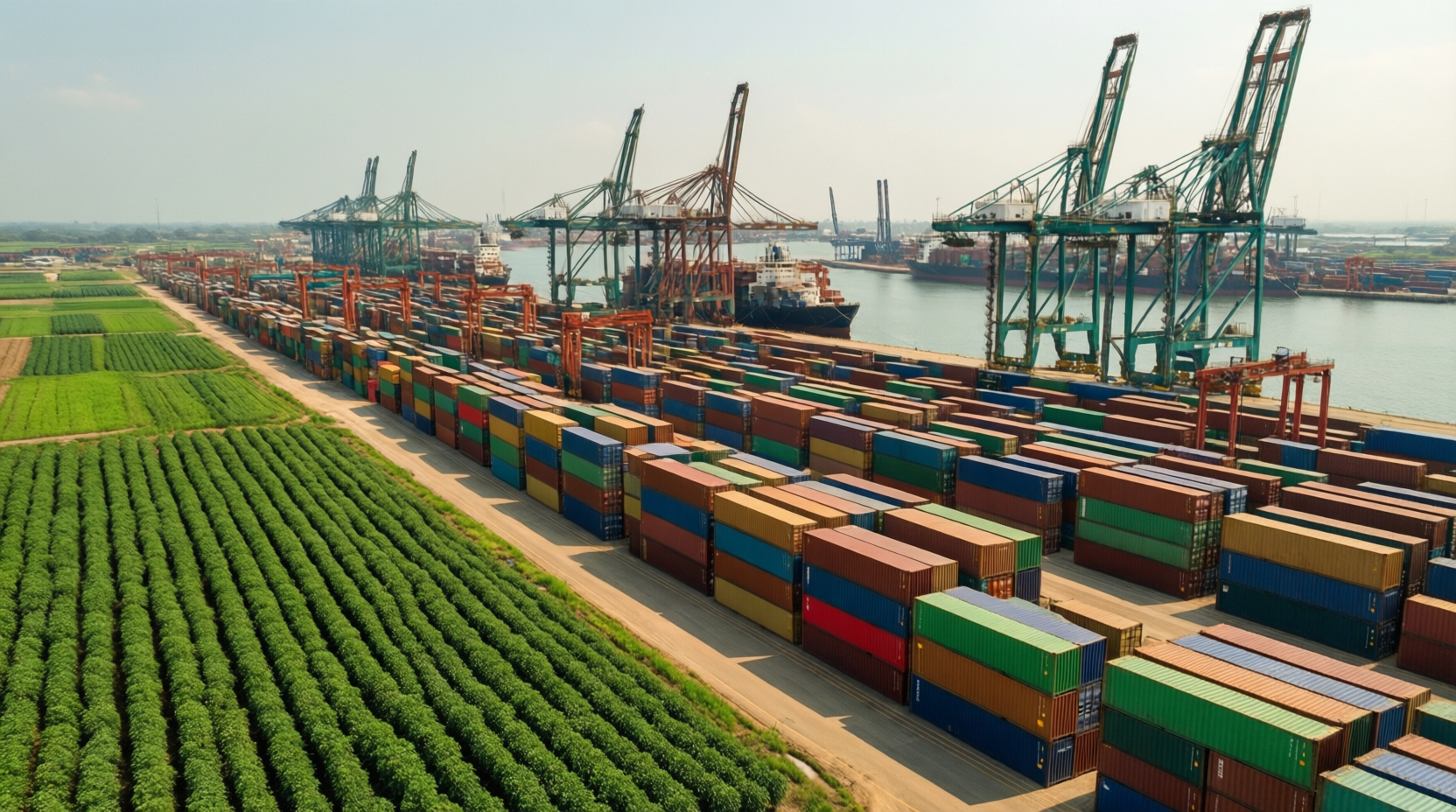
Efficient post-harvest handling, including drying and milling, preserves grain quality. Exporters benefit from consolidating shipments in major ports with cold storage facilities like Mumbai and Mundra. Coordinated freight bookings can reduce delays aggravated by monsoon-related transport disruptions, ensuring timely delivery to overseas buyers.
"Strong export demand and trade agreements have created a timely opportunity for basmati rice exporters to expand despite the monsoon challenges. Strategic supply chain management is key." — Senior Export Consultant
Expert Tip
Exporters should closely monitor monsoon forecasts, engage with farmer cooperatives for crop updates, and leverage government support schemes like crop insurance to mitigate risks this kharif season.
Key takeaways
- India's basmati rice acreage is rising in 2026 driven by strong export prices and demand despite monsoon variability.
- Monsoon irregularities delay sowing but export incentives encourage farmers to increase basmati cultivation.
- The India-UK trade pact enhances basmati export competitiveness by reducing tariffs in a key European market.
- Exporters should focus on diversified sourcing, crop insurance, and compliance with GI and phytosanitary norms to mitigate risks.
- Logistics efficiency and quality preservation amid monsoon challenges are essential for timely exports.
Frequently asked questions
What is causing the rise in basmati rice acreage in India this kharif season?
Strong export demand and rising basmati prices are encouraging farmers to expand cultivation despite unpredictable monsoon rains.
How do monsoon rains affect basmati paddy sowing and exports?
Uneven monsoon rains delay sowing and can reduce yields, posing risks to supply, but export price incentives are offsetting these challenges for growers.
What advantages does the India-UK trade pact offer basmati rice exporters?
The pact reduces tariffs on basmati rice in the UK market, improving price competitiveness and boosting export orders ahead of July 15, 2026.
What measures can exporters take to manage monsoon-related supply risks?
Diversifying sourcing regions, implementing crop insurance, and improving storage and logistics help mitigate climatic risks for exporters.
Which certifications and compliance requirements are essential for basmati rice exports?
Exporters must ensure GI certification, phytosanitary certificates, pesticide residue compliance, and proper packaging and labeling to meet international standards.
- Written and reviewed by our in-house trade experts — not AI-generated filler.
- Market figures come from live platform data across thousands of verified trades.
- Every buyer and supplier on The Trade Union is identity- and document-verified.
- Guides are updated as regulations and market conditions change.