On this page
- How are new sea freight logistics extending shelf life for Indian perishable fruits?
- What milestone did Indian mango exports achieve with Singapore in 2026?
- Why is adherence to international standards important for sea shipment of perishable fruits?
- How are sea logistics innovations supporting sustainable export growth for Indian fruits?
- What challenges do Indian fruit exporters face in expanding to Southeast Asia?
- How does the trade liberalization environment impact Indian perishable exports?
- Key takeaways
- FAQ
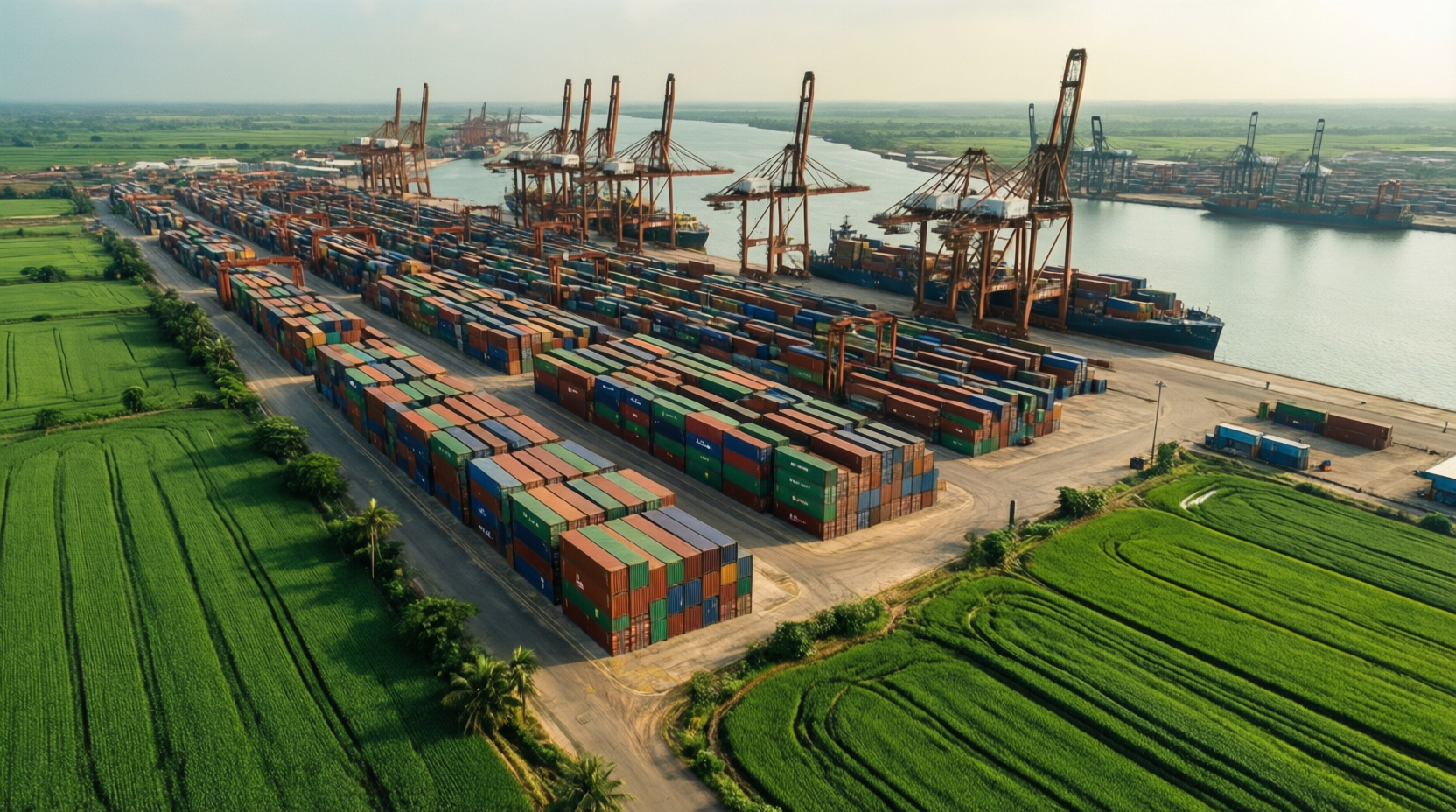
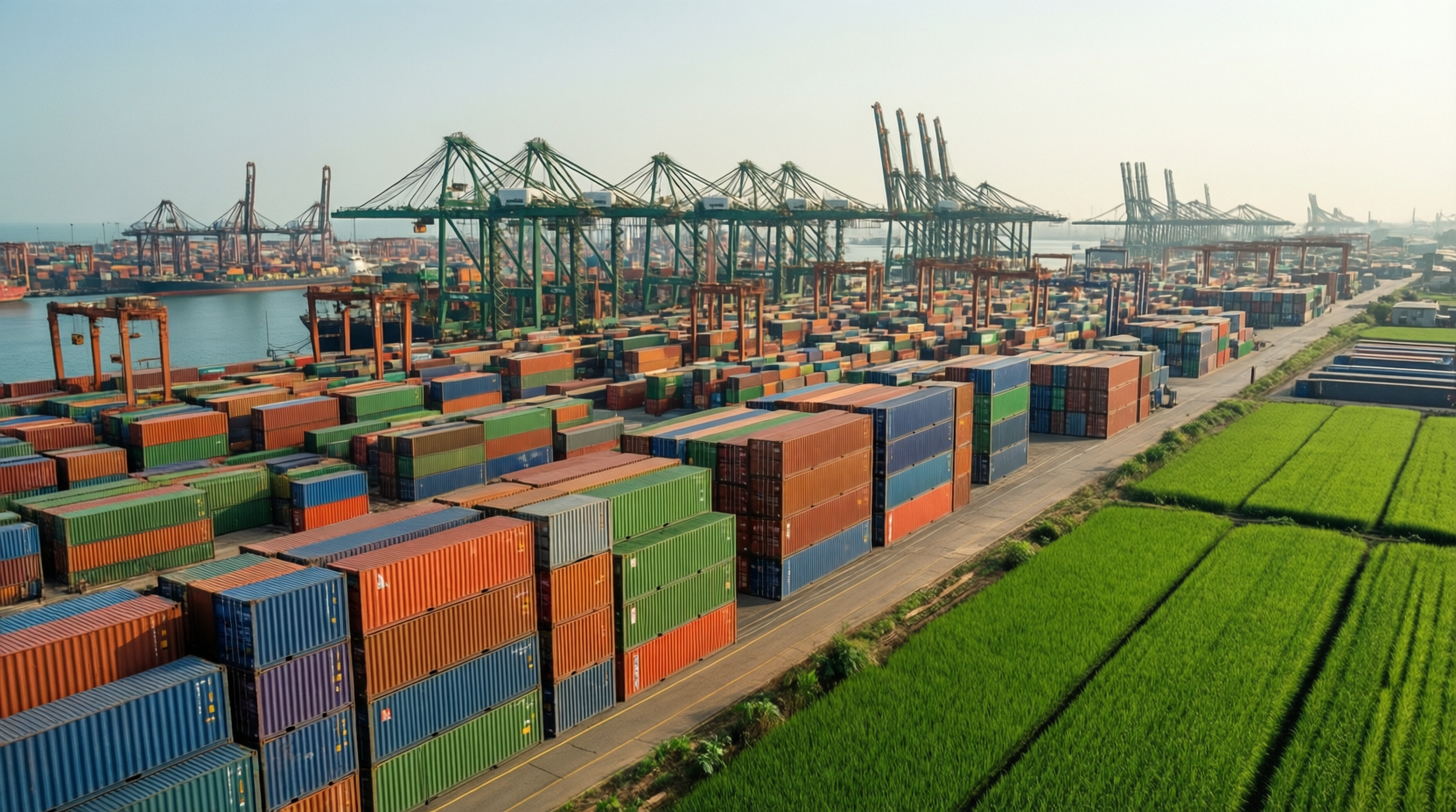
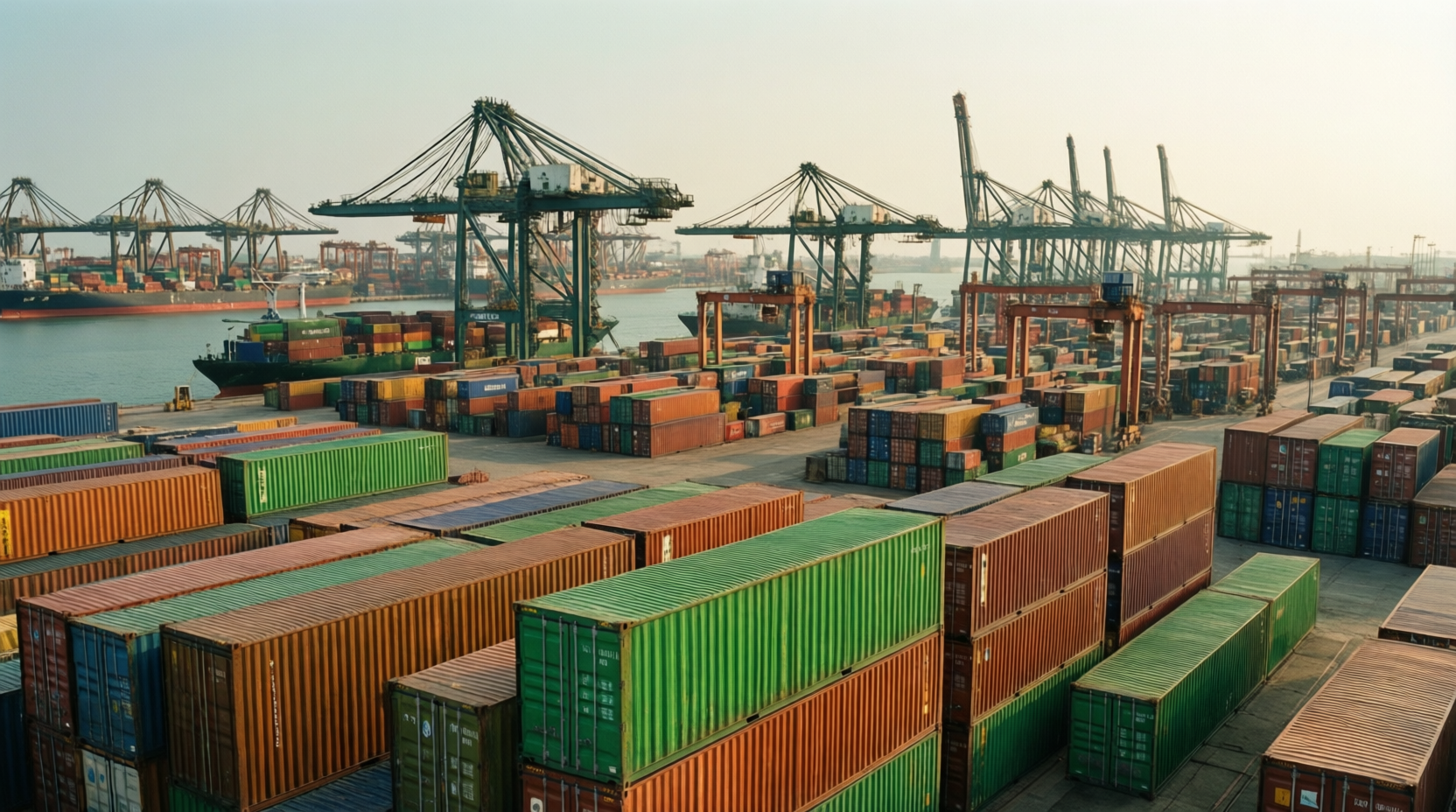
India's agricultural export sector is embracing innovative sea freight logistics that significantly improve the shelf life and quality of perishable fruits. This development is particularly transformative for Indian mango exports, such as the prized Banganapalle variety, which have recently reached new Southeast Asian markets via sea shipment with exceptional success.
How are new sea freight logistics extending shelf life for Indian perishable fruits?
Recent advancements in sea freight logistics include temperature-controlled containers, improved packaging techniques, and real-time monitoring of shipment conditions. These innovations reduce spoilage risks and extend the freshness period of fruits, which is crucial for delicate varieties like Banganapalle mangoes that are sensitive to transit conditions.
What milestone did Indian mango exports achieve with Singapore in 2026?
In 2026, Indian exporters successfully delivered Banganapalle mangoes to Singapore via sea freight for the first time, with the fruit arriving in excellent condition and maintaining an extended shelf life. This milestone demonstrated India's capability to meet stringent international quality and phytosanitary standards while utilizing cost-effective sea routes.
Why is adherence to international standards important for sea shipment of perishable fruits?
Compliance with international quality and phytosanitary regulations ensures that exported fruits are free of pests and diseases and meet consumer safety expectations. Adhering to these standards facilitates smoother customs clearance and builds importer and consumer trust, which is vital for sustainable market expansion.
How are sea logistics innovations supporting sustainable export growth for Indian fruits?
Improved sea freight methods reduce fruit loss and waste, lower carbon footprints compared to air freight, and enable larger shipment volumes at lower costs. This supports more sustainable export operations, increases farmer income through expanded market reach, and encourages environmental stewardship.
What challenges do Indian fruit exporters face in expanding to Southeast Asia?
- Maintaining fruit quality during long transit times over sea routes
- Navigating complex international regulations and phytosanitary requirements
- Competing with established exporters in Southeast Asian markets
- Adapting packaging and cold chain logistics to tropical climates
How does the trade liberalization environment impact Indian perishable exports?
Trade liberalization helps reduce tariffs and non-tariff barriers, facilitating easier access to international markets. It also encourages improvements in supply chain infrastructure and quality standards, opening new opportunities for Indian exporters to expand their perishable goods footprint globally.
"The successful sea shipment of Banganapalle mangoes to Singapore marks a turning point for Indian fruit exporters, proving that innovation in logistics is key to unlocking new markets." - Rajiv Sinha, Export Logistics Consultant
Pro Tip for Exporters
Exporters should invest in controlled atmosphere containers and digital tracking to ensure fruit freshness during sea transit, which is essential for tapping into high-value Southeast Asian markets.
Key takeaways
- Innovations in sea freight logistics extend shelf life and maintain quality of Indian perishable fruits.
- The 2026 sea shipment of Banganapalle mangoes to Singapore marks a milestone in sustainable export logistics.
- Adhering to international phytosanitary and quality standards is critical for export success.
- Sea freight offers a cost-effective, environmentally friendlier method to expand Indian fruit exports to Southeast Asia.
Frequently asked questions
What sea freight innovations help preserve Indian mangoes during export?
Temperature-controlled containers, improved packaging, and real-time monitoring systems help maintain freshness and prevent spoilage during sea transit.
Why was the sea shipment of Banganapalle mangoes to Singapore significant?
It demonstrated India's ability to export delicate mango varieties via sea while meeting international quality standards, opening new markets in Southeast Asia.
How do international phytosanitary standards affect fruit exports?
They ensure fruits are free from pests and diseases, facilitating smoother customs clearance, and building consumer trust globally.
What are the benefits of using sea freight over air freight for exporting fruits?
Sea freight reduces costs, allows larger shipment volumes, lowers carbon emissions, and enables sustainable, scalable export operations.
How can Indian exporters overcome challenges in Southeast Asian markets?
By investing in advanced cold chain logistics, complying with international standards, and tailoring packaging to regional climates and consumer preferences.
- Written and reviewed by our in-house trade experts — not AI-generated filler.
- Market figures come from live platform data across thousands of verified trades.
- Every buyer and supplier on The Trade Union is identity- and document-verified.
- Guides are updated as regulations and market conditions change.