On this page
- Why are South African exporters shifting volumes away from the Port of Cape Town?
- Which alternative ports are exporters using to mitigate logistics pressures?
- How effective are rerouting strategies in overcoming export delays?
- What logistical challenges remain despite rerouting efforts?
- How are industry stakeholders responding to these shifts?
- What should exporters consider when planning logistics routes under current conditions?
- What is the outlook for South Africa’s agricultural export logistics?
- Key takeaways
- FAQ
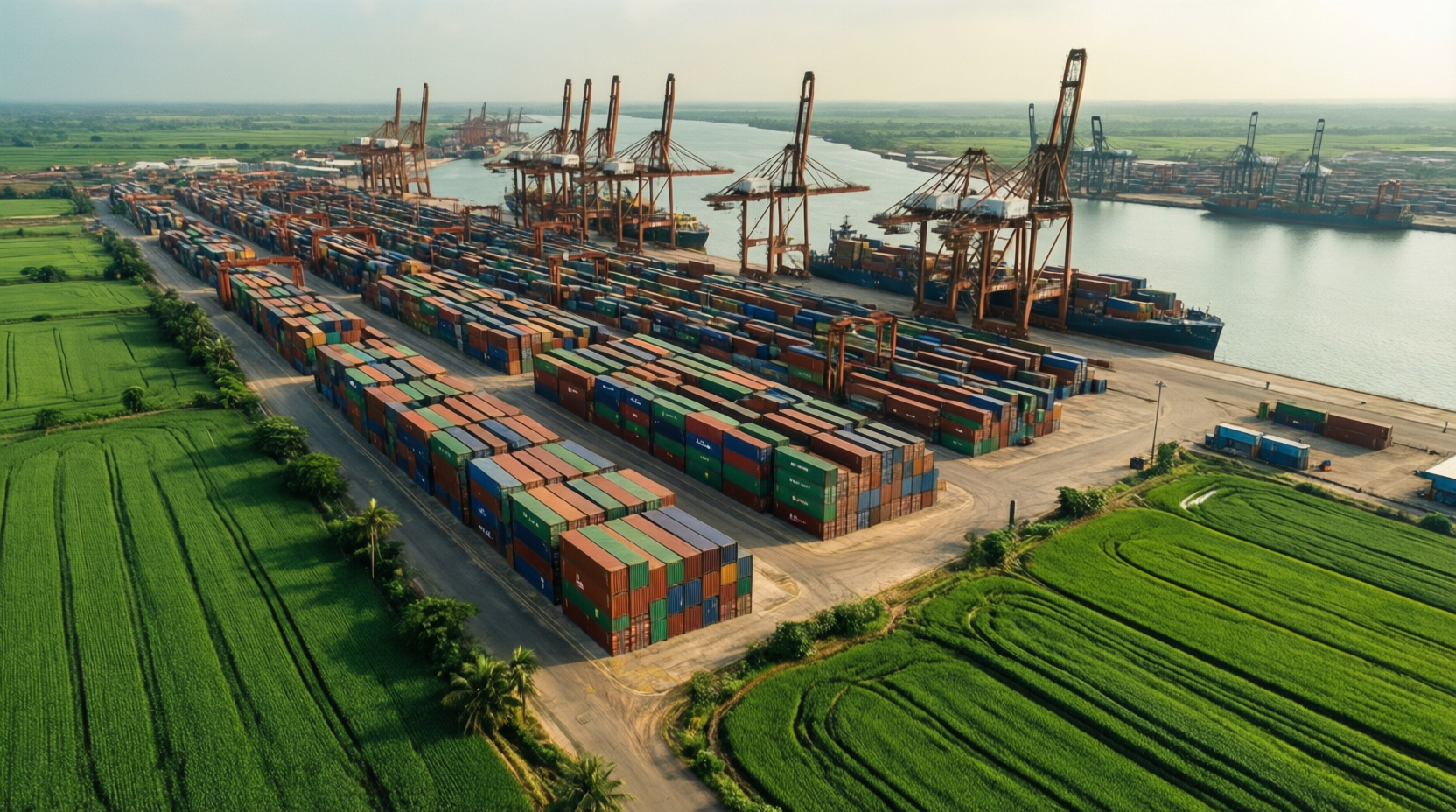
South Africa’s booming agricultural export sector faces a significant logistics challenge as congestion at the Port of Cape Town causes delays and increased freight costs. To maintain market access and safeguard export schedules, many exporters are actively rerouting cargo through underutilized Eastern Cape ports, such as Ngqura and Port Elizabeth, signaling a strategic shift in the country’s agro-export logistics.
Why are South African exporters shifting volumes away from the Port of Cape Town?
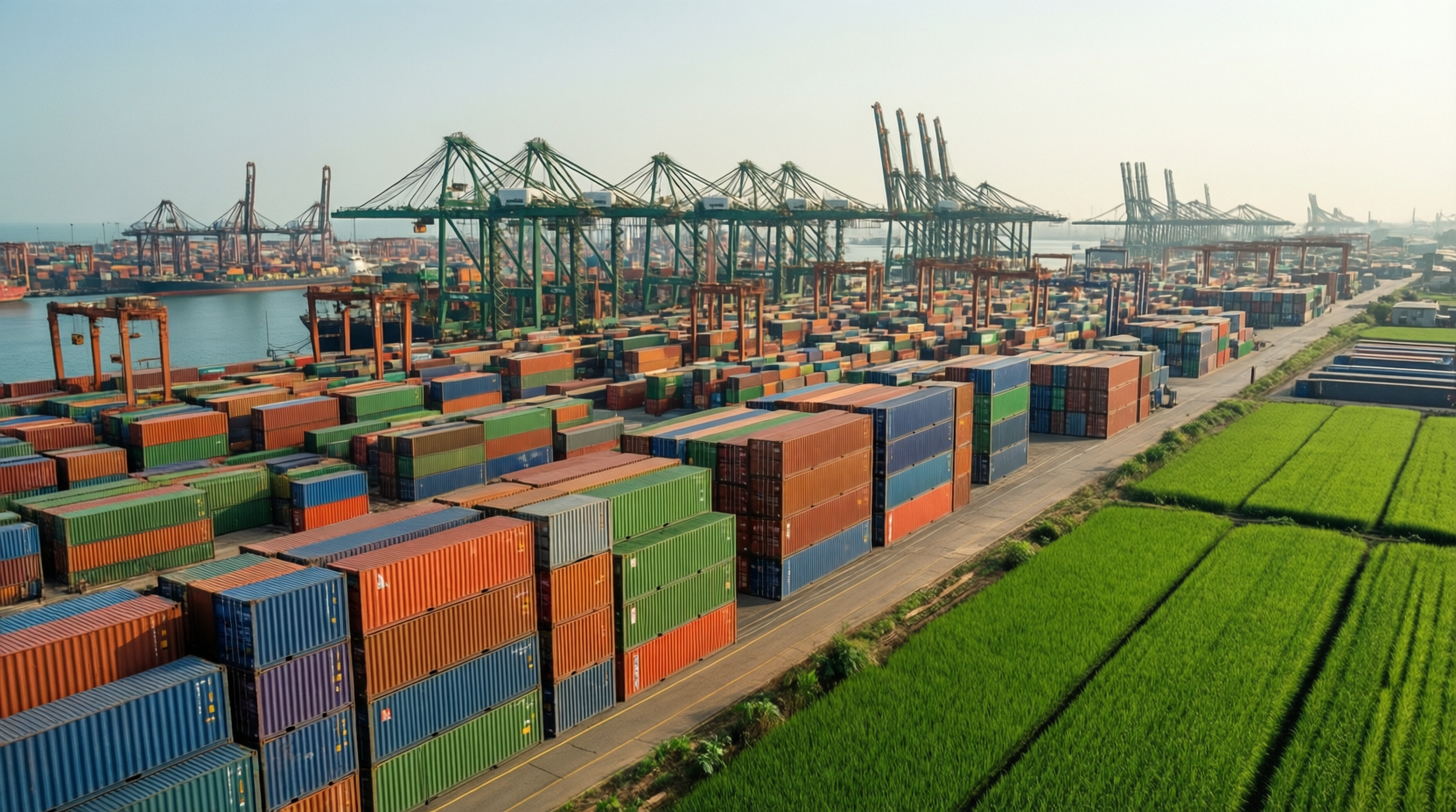
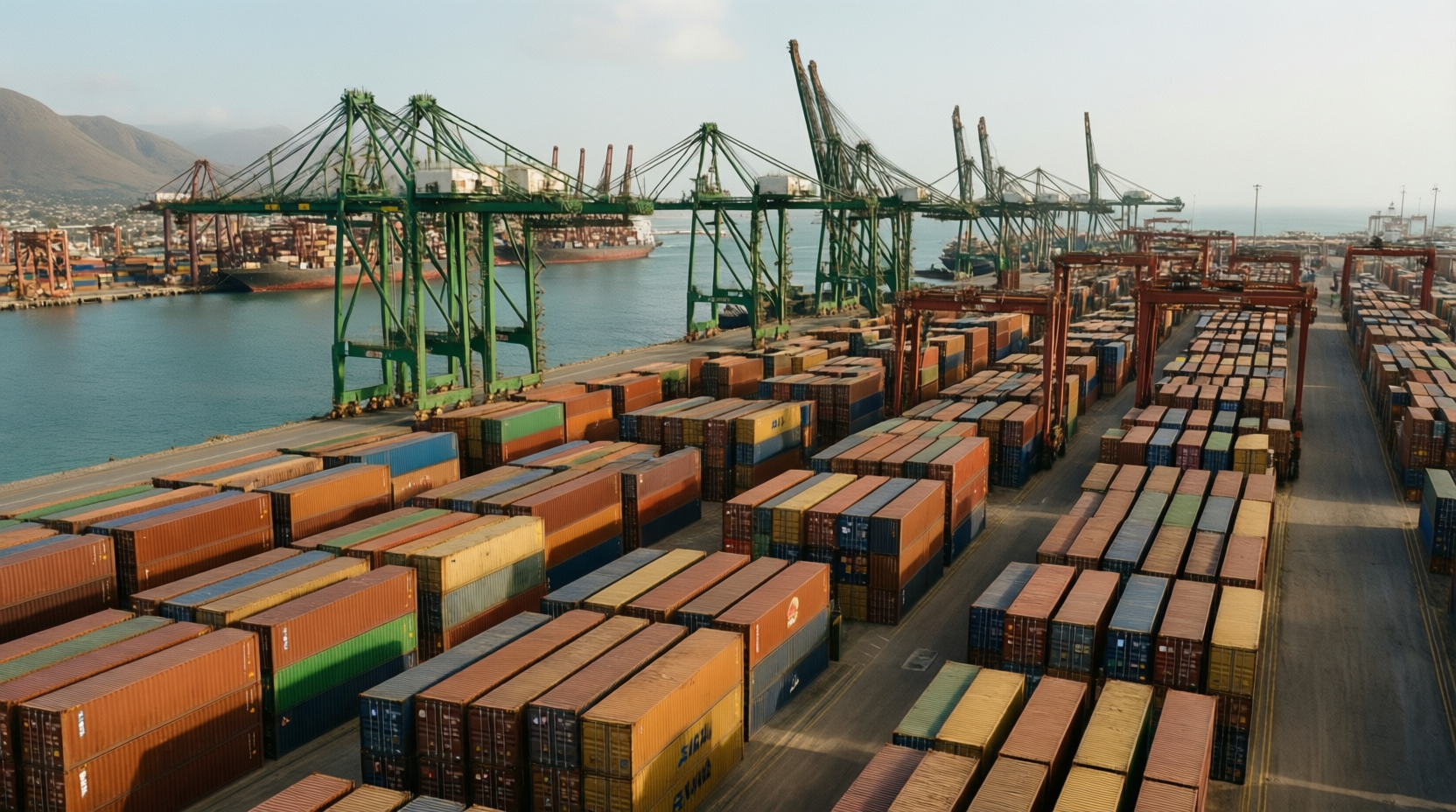
The Port of Cape Town, handling the largest share of South Africa’s agricultural exports, has experienced capacity bottlenecks and operational delays during peak periods in early 2026. These issues include longer vessel turnaround times, container shortages, and increased dwell times that disrupt cold chain logistics essential for perishable produce like grapes, apples, and avocados.
Which alternative ports are exporters using to mitigate logistics pressures?
- Ngqura Port in the Eastern Cape offers deepwater facilities with modern container handling and refrigerated storage capabilities.
- Port Elizabeth, also in the Eastern Cape, is increasing its throughput capacity with investments in cold chain infrastructure tailored for agro-exports.
- Coega Industrial Development Zone near Ngqura is expanding multimodal connections, improving seamless movement between road, rail, and sea logistics channels.
How effective are rerouting strategies in overcoming export delays?
By shifting cargo volumes to these alternative ports, exporters report shorter wait times and more reliable scheduling. This rerouting has preserved the freshness and quality of goods destined for key markets in Europe and Asia, ensuring continued growth amid external tariff pressures and fluctuating demand.
What logistical challenges remain despite rerouting efforts?
While Eastern Cape ports alleviate congestion at Cape Town, road and rail infrastructure connecting key farming regions to these ports still require upgrades. Exporters must also coordinate closely with shipping lines adapting their routes and schedules to optimize cargo flow as new port usage patterns emerge.
How are industry stakeholders responding to these shifts?
“Rerouting exports through Eastern Cape ports is part of a broader strategic push to future-proof South Africa’s agri-logistics network. Collaborative investment and innovation will be key to sustaining our export growth,” says Sipho Dlamini, CEO of AgriExport SA.
What should exporters consider when planning logistics routes under current conditions?
- 1Evaluate the capacity and reliability differences between Cape Town and Eastern Cape ports.
- 2Plan for additional road or rail transit times when rerouting through alternative ports.
- 3Engage proactively with freight forwarders and shipping lines to secure optimal schedules.
- 4Monitor port congestion data and adjust export timing accordingly to avoid delays.
Smart logistics adaptation is key to export resilience.
Exporters playing an active role in logistics planning can transform bottlenecks into opportunities for more efficient and diversified market access.
What is the outlook for South Africa’s agricultural export logistics?
Given the record agricultural export value of $15.1 billion in 2025, sustaining and expanding logistics capacity through multifaceted port usage is critical. Continued infrastructure investment, digitalization of logistics processes, and strategic stakeholder collaboration will enable South African exporters to thrive despite global uncertainties and tariff challenges.
Key takeaways
- Port of Cape Town faces capacity and operational bottlenecks disrupting agro-export schedules in 2026.
- Exporters increasingly reroute cargo through Eastern Cape ports like Ngqura and Port Elizabeth to overcome delays.
- Rerouting helps maintain produce quality and export volumes amid congestion challenges.
- Improved multimodal infrastructure and stakeholder collaboration are essential to sustain growth.
- Strategic logistics adaptation supports South Africa’s $15.1 billion agricultural export market.
Frequently asked questions
Why are exporters avoiding the Port of Cape Town for shipments?
Capacity constraints and congestion at the Port of Cape Town have led to long vessel wait times and container delays, prompting exporters to seek alternative ports.
Which ports are South African exporters using as alternatives?
Exporters are shifting cargo volumes to Eastern Cape ports like Ngqura and Port Elizabeth, which offer advanced facilities and less congestion.
How does rerouting shipments affect export schedules?
Rerouting helps reduce transit delays, maintains the freshness of perishable goods, and ensures more reliable delivery times to international markets.
What infrastructure challenges still affect Eastern Cape port logistics?
Road and rail links from production areas to Eastern Cape ports need upgrades to handle increased cargo volumes efficiently.
How can exporters best plan their logistics under current bottleneck conditions?
They should assess port capacities, coordinate with freight partners, allow for variable transit times, and monitor congestion data to optimize export routes.
- Written and reviewed by our in-house trade experts — not AI-generated filler.
- Market figures come from live platform data across thousands of verified trades.
- Every buyer and supplier on The Trade Union is identity- and document-verified.
- Guides are updated as regulations and market conditions change.