On this page
- Why are South African exporters looking beyond the Cape Town port for agricultural exports?
- What alternative ports are South African exporters using for their agricultural shipments?
- How are logistics strategies adapting to support these new export routes?
- What role do government and trade bodies play in facilitating route diversification?
- Which agricultural commodities benefit most from these alternative export routes?
- How do exporters mitigate potential risks associated with new routing options?
- What impact does this route diversification have on South Africa's position in global agricultural markets?
- Key takeaways
- FAQ
South Africa’s agricultural sector achieved an 11% export growth in early 2026, even as the Cape Town port faced logistical constraints causing shipment delays. Exporters adapted quickly by exploring alternative routes and ports, primarily focusing on the Eastern Cape, to keep their products moving in competitive global markets.
Why are South African exporters looking beyond the Cape Town port for agricultural exports?
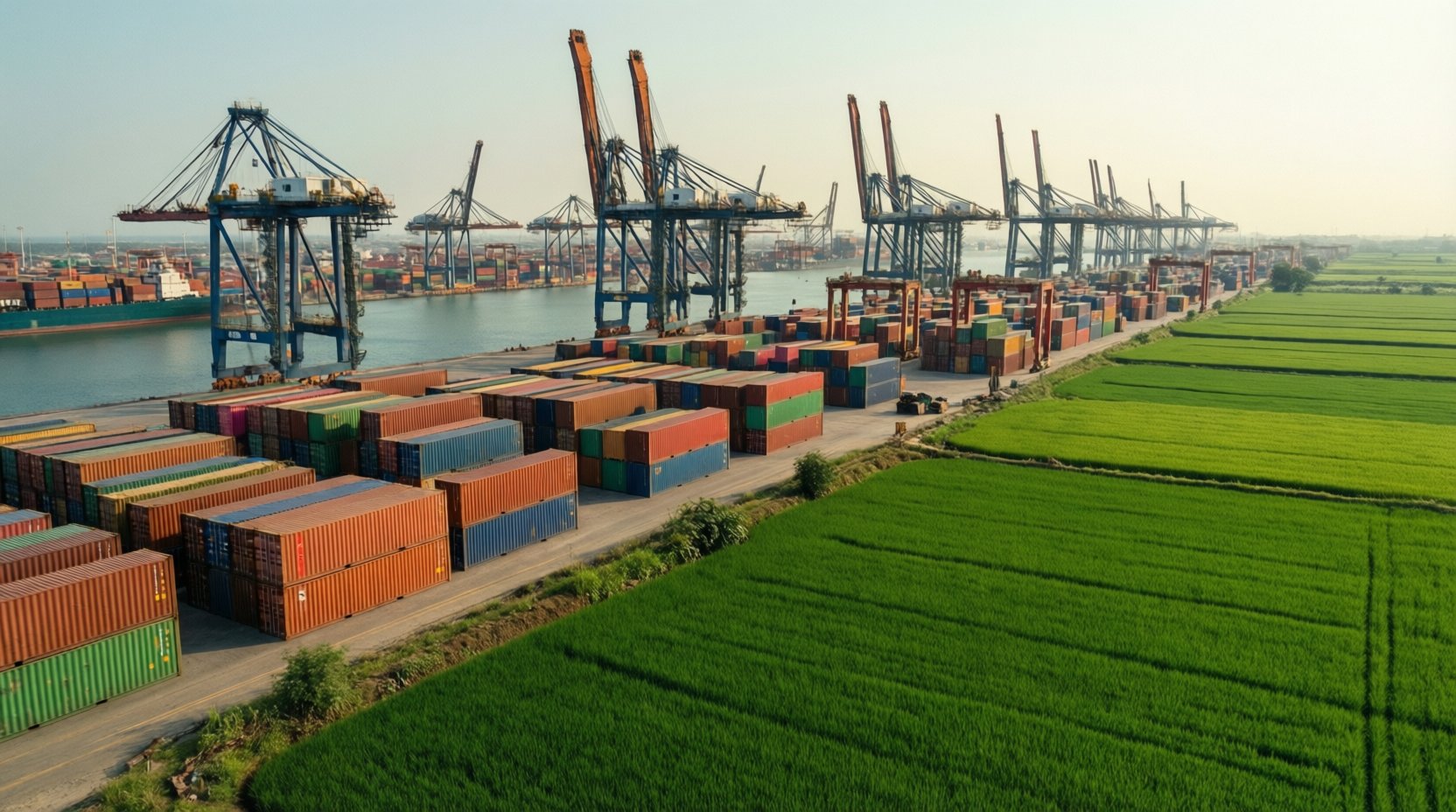
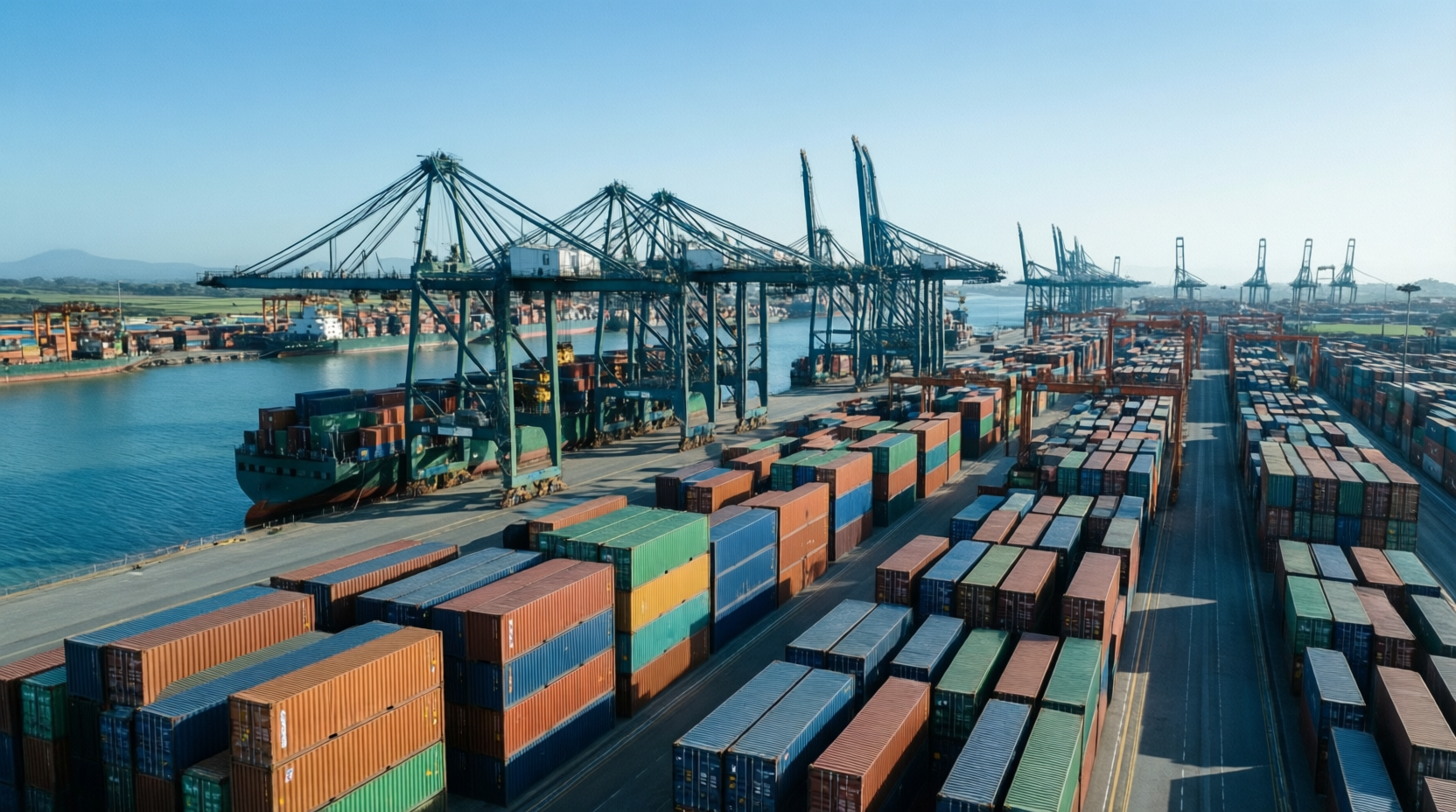
Cape Town port, the country’s primary gateway for agricultural exports such as grapes, apples, and maize, has experienced congestion and operational delays due to increased cargo volumes and infrastructure bottlenecks. These challenges risk disrupting time-sensitive shipments and affecting export reliability, prompting exporters to seek more efficient alternatives.
What alternative ports are South African exporters using for their agricultural shipments?
The Eastern Cape ports, notably Port Elizabeth and Ngqura, have become favored alternatives. These ports offer modern container handling facilities and better capacity, enabling exporters to reroute volumes previously sent through Cape Town. This shift reduces congestion risks and enhances export schedule adherence.
How are logistics strategies adapting to support these new export routes?
Exporters are investing in integrated supply chain planning, including coordinated inland transport to Eastern Cape ports, improved cold chain management for perishables, and enhanced scheduling with shipping lines. These logistics adaptations help maintain product quality and meet international delivery commitments despite longer inland distances.
What role do government and trade bodies play in facilitating route diversification?
South African government agencies like the Department of Trade, Industry and Competition (DTIC) and export councils are providing guidance and incentives to promote the use of alternative ports. Initiatives include infrastructure upgrades and stakeholder coordination forums to reduce export bottlenecks and support exporters in managing transition challenges.
Which agricultural commodities benefit most from these alternative export routes?
- Fresh fruits such as grapes, apples, pears, apricots, cherries, peaches
- Maize and other grains
- Wine and fruit juices
- Nuts, dates, and avocados
How do exporters mitigate potential risks associated with new routing options?
Diversification introduces challenges like longer haul distances inland and unfamiliar port procedures. Exporters address these by strengthening partnerships with logistics providers, investing in real-time shipment tracking, and ensuring compliance with customs and phytosanitary requirements at alternate ports to avoid delays.
"Relying solely on Cape Town was becoming a bottleneck. By embracing Eastern Cape ports and adapting our supply chains, we've sustained steady export growth even amid logistical disruptions." — A seasoned South African agro-exporter
Insight for Exporters
Exporters planning to diversify routes should assess inland transport infrastructure, port capacity, and the logistics service providers' capabilities at alternative hubs like the Eastern Cape to ensure seamless operations.
What impact does this route diversification have on South Africa's position in global agricultural markets?
Diversifying export routes has fortified South Africa’s ability to meet rising global demand, particularly in Africa where the country supplies 44% of its agricultural exports. Maintaining consistency despite infrastructure challenges helps sustain competitiveness against exporters like India and Russia, which are also expanding into African markets.
Key takeaways
- South African exporters face logistical challenges at Cape Town port, driving the need for alternative routes.
- Ports in the Eastern Cape, such as Port Elizabeth and Ngqura, provide viable alternatives with modern infrastructure.
- Adapted logistics strategies including inland transport and cold chain management support the shift in routing.
- Government and trade bodies actively support infrastructure upgrades and coordination to ease export flows.
- Route diversification helps South Africa sustain agricultural export growth and competitiveness in international markets.
Frequently asked questions
Why is Cape Town port facing challenges for agricultural exports?
Cape Town port is experiencing congestion and operational delays due to increased cargo volumes and infrastructure limitations, affecting timely shipments of South Africa’s agricultural products.
Which ports are alternatives to Cape Town for agricultural exports?
Exporters are increasingly using the Eastern Cape ports, notably Port Elizabeth and Ngqura, which offer better capacity and modern facilities for handling agricultural shipments.
How do exporters manage the longer inland distance to Eastern Cape ports?
They invest in coordinated inland transport, enhanced cold chain logistics, and strengthen partnerships with transport providers to ensure timely delivery and maintain product quality.
What support is available from the government for exporters using new ports?
Government agencies like DTIC and export councils provide guidance, infrastructure upgrades, and stakeholder coordination to ease the transition to alternative export routes.
How does route diversification affect South Africa’s export competitiveness?
Diversified routing mitigates risks from port congestion, ensuring consistent shipment schedules that help South Africa maintain and grow its market share despite regional logistics challenges.
- Written and reviewed by our in-house trade experts — not AI-generated filler.
- Market figures come from live platform data across thousands of verified trades.
- Every buyer and supplier on The Trade Union is identity- and document-verified.
- Guides are updated as regulations and market conditions change.