On this page
- What has been the impact of US tariffs on South African agricultural exports?
- Which market diversification strategies are South African exporters adopting?
- How are logistics adjustments supporting market diversification efforts?
- What role does risk management play in adapting to tariffs?
- Can diversification offset the tariff impacts on export volumes?
- What lessons can exporters learn from other countries facing similar tariffs?
- Key takeaways
- FAQ
As the United States has imposed higher tariffs on South African agricultural products, exporters are facing significant challenges. The resulting 36% decline in exports to the US in late 2025 has accelerated efforts among South African agro-exporters to find new destinations, diversify product lines, and manage export risks effectively. This article explores practical strategies that the South African agricultural sector is implementing to navigate these turbulent trade waters through market diversification.
What has been the impact of US tariffs on South African agricultural exports?
The US tariffs led to a substantial 36% drop in South African agricultural exports to the US during the fourth quarter of 2025. This decrease pressured exporters to re-evaluate their dependence on the US market, which had traditionally been a significant destination for fruits like grapes, apples, and avocados. Such tariff barriers have not only reduced competitiveness in the US but have also prompted broader risks for exporters focused heavily on a single market.
Which market diversification strategies are South African exporters adopting?
- Expanding exports to Asia, including China, where demand for agricultural products like fruits and nuts is growing.
- Increasing shipments to European countries, benefiting from trade agreements and demand for fresh produce.
- Targeting Middle Eastern markets such as the UAE and Iraq, where agricultural imports have shown steady growth.
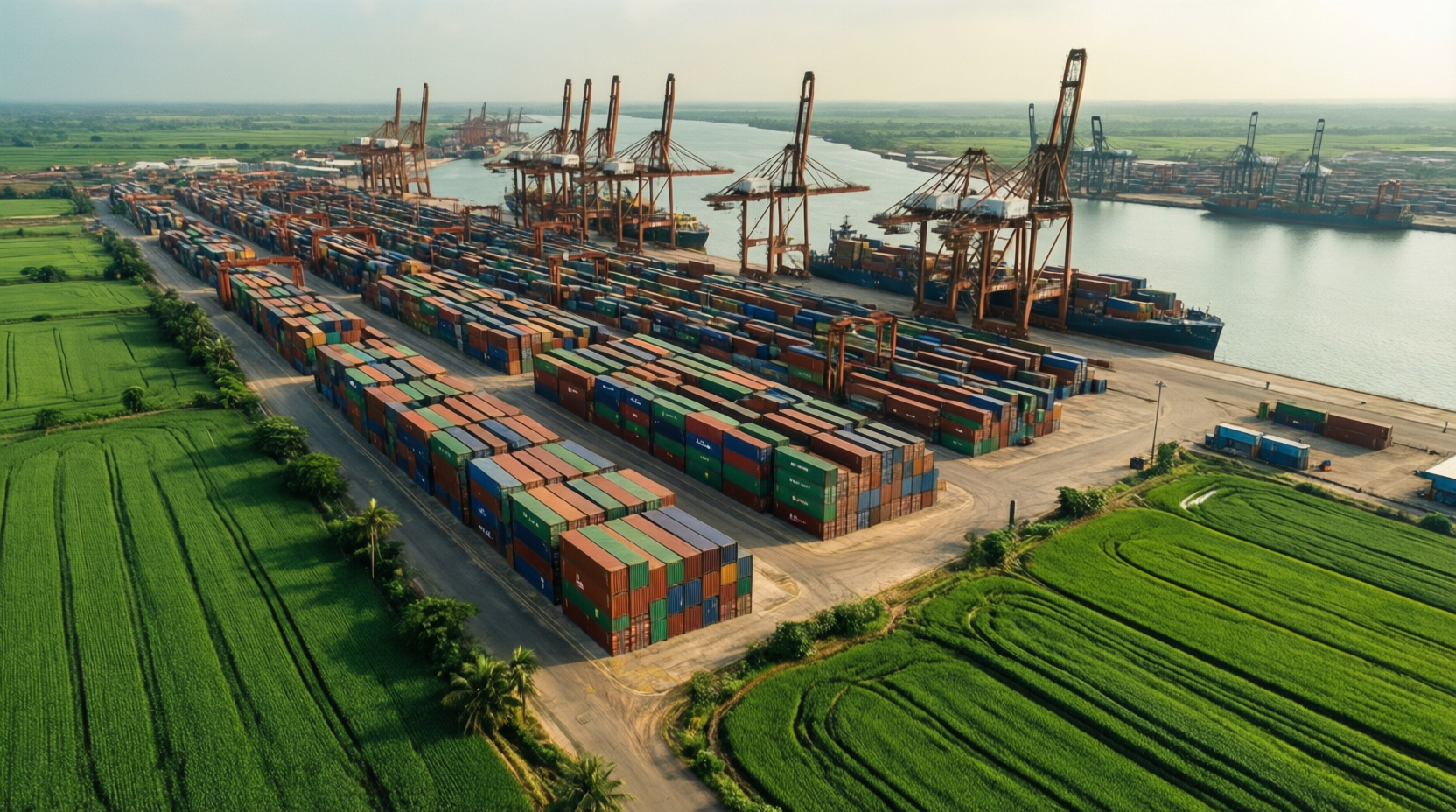
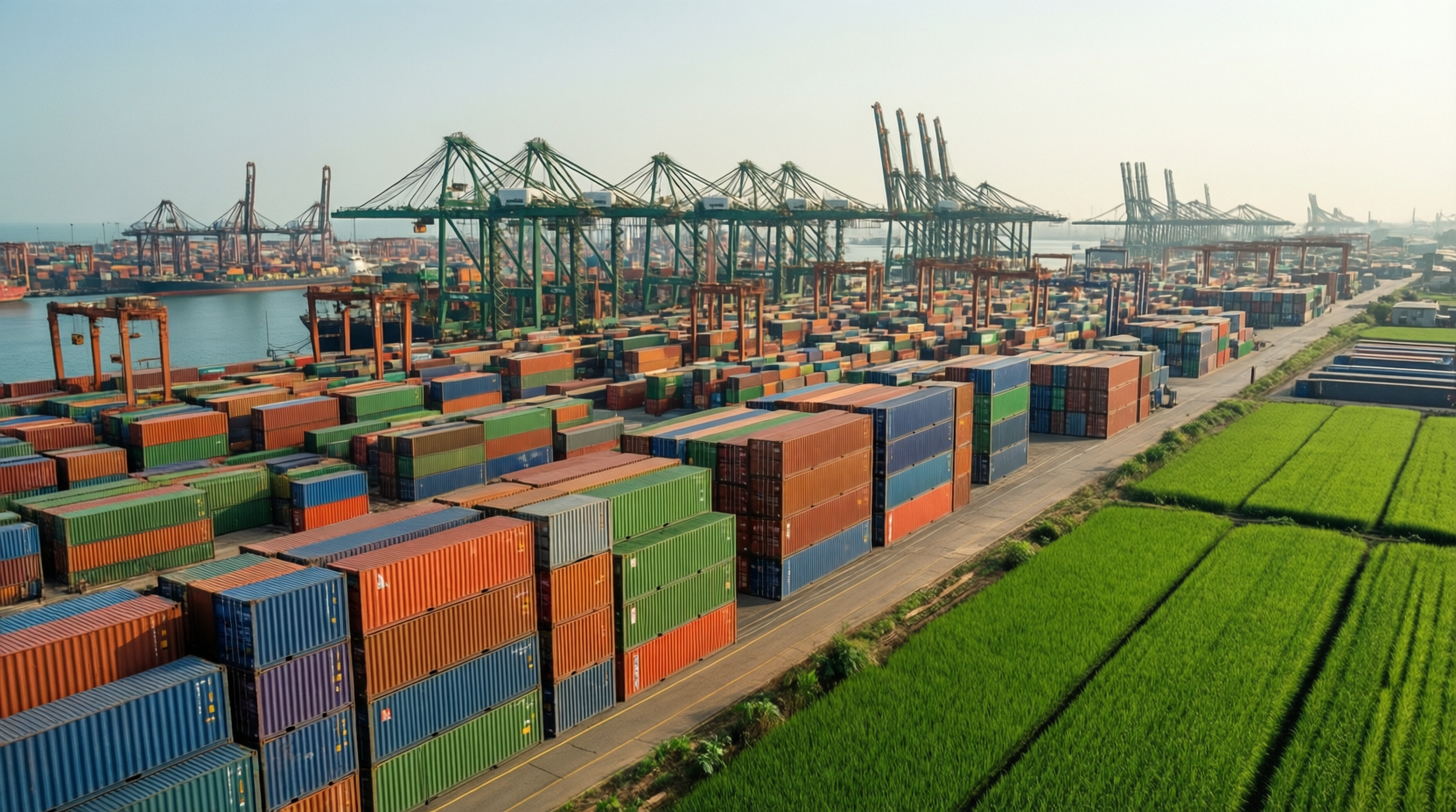
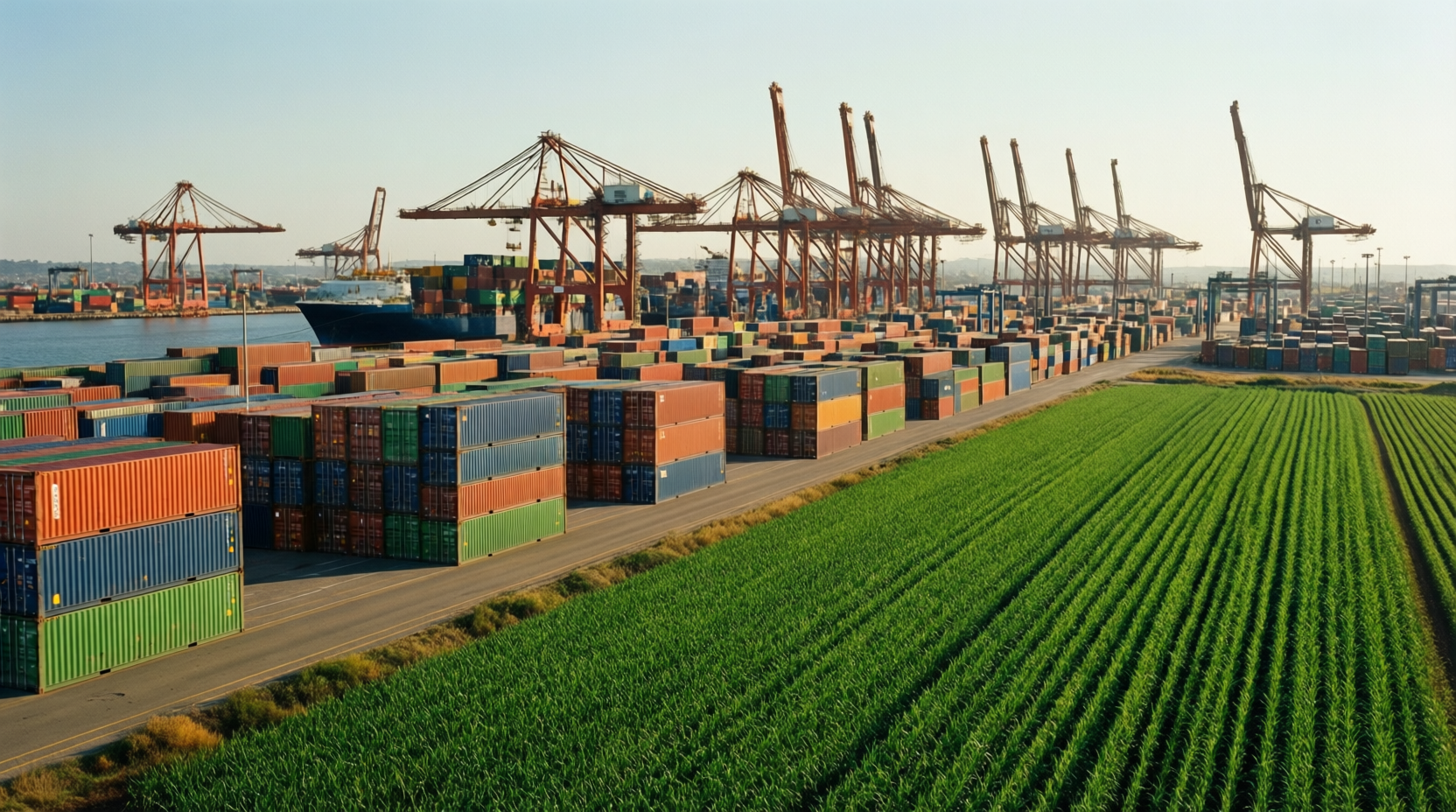
- Leveraging alternative ports to manage logistics better, such as routing exports through Eastern Cape ports to avoid congestion at Cape Town.
How are logistics adjustments supporting market diversification efforts?
Logistical pressures at the Port of Cape Town, including congestion, have incentivized exporters to use alternative gateways like Eastern Cape ports. This shift has helped maintain export schedules and reliability when entering new markets that demand timely delivery of perishables. Efficient logistics underpin successful diversification by reducing transit times and preserving product quality.
What role does risk management play in adapting to tariffs?
Market diversification serves as a critical risk management tool to mitigate overexposure to a single market susceptible to tariff barriers or geopolitical disruptions. By spreading exports across multiple countries and regions, South African exporters reduce vulnerability and stabilize revenue streams amid trade uncertainties.
Can diversification offset the tariff impacts on export volumes?
Although the US remains an important market, diversification has contributed to a record $15.1 billion in South African agricultural exports in 2025. This growth illustrates that cultivating multiple markets can effectively compensate for losses caused by tariffs, sustaining overall export performance.
What lessons can exporters learn from other countries facing similar tariffs?
Comparative examples from India show steady export growth in alternative markets like the UAE, Iraq, and Europe despite facing US tariffs. Similarly, Ethiopia is expanding soybean meal exports to China under stringent quality standards. These strategies underline the importance of quality compliance, market research, and flexible logistics when pivoting away from traditional destinations.
"Market diversification is no longer optional but essential for South African exporters to thrive in a challenging global tariff environment." — Sipho Dlamini, Agricultural Export Consultant
Strategic Takeaway
Diversifying markets not only cushions against tariff risks but also opens pathways for sustainable growth by tapping into emerging demand in Asia, Europe, and the Middle East.
Key takeaways
- US tariffs caused a significant 36% drop in South African agricultural exports to the US in late 2025.
- South African exporters are actively diversifying markets to Asia, Europe, and the Middle East to reduce dependence on the US.
- Logistical shifts, including using alternative ports, support timely deliveries essential for new markets.
- Diversification acts as a critical risk management strategy, enabling export growth despite tariff barriers.
Frequently asked questions
Why did the US impose tariffs on South African agricultural products?
The US imposed tariffs to protect its domestic agriculture sector, which increased costs for South African exporters and reduced their competitiveness in the US market.
How has market diversification helped South African exporters?
Diversification has allowed exporters to reduce reliance on the US by expanding into Asia, Europe, and the Middle East, compensating for lost export volumes and sustaining growth.
What role do logistics play in exporting to new markets?
Efficient logistics, including using alternative ports and improving transit times, are vital for maintaining product quality and meeting delivery expectations in new international markets.
Are South African exporters focused on specific products for diversification?
Yes, key products like grapes, apples, avocados, nuts, and fruit juices are targeted for growth in alternative markets to match demand trends and product suitability.
Can diversification completely eliminate the risks from tariffs?
While diversification significantly minimizes risk, exporters must also continuously monitor trade policies and maintain compliance to manage ongoing uncertainties effectively.
- Written and reviewed by our in-house trade experts — not AI-generated filler.
- Market figures come from live platform data across thousands of verified trades.
- Every buyer and supplier on The Trade Union is identity- and document-verified.
- Guides are updated as regulations and market conditions change.