On this page
- What are the main causes of port congestion and vessel shortages in Nigeria affecting agricultural exports?
- How can agricultural exporters plan freight logistics to minimize the impact of container delays?
- Are there alternative logistics options Nigerian exporters can explore amid port congestion?
- What role can government and port authorities play in easing export container delays?
- How important is preserving product quality during container delays caused by congestion?
- How can exporters leverage technology to improve visibility and response during port congestion events?
- What immediate steps can exporters take to mitigate losses from the current congestion crisis?
- Key takeaways
- FAQ
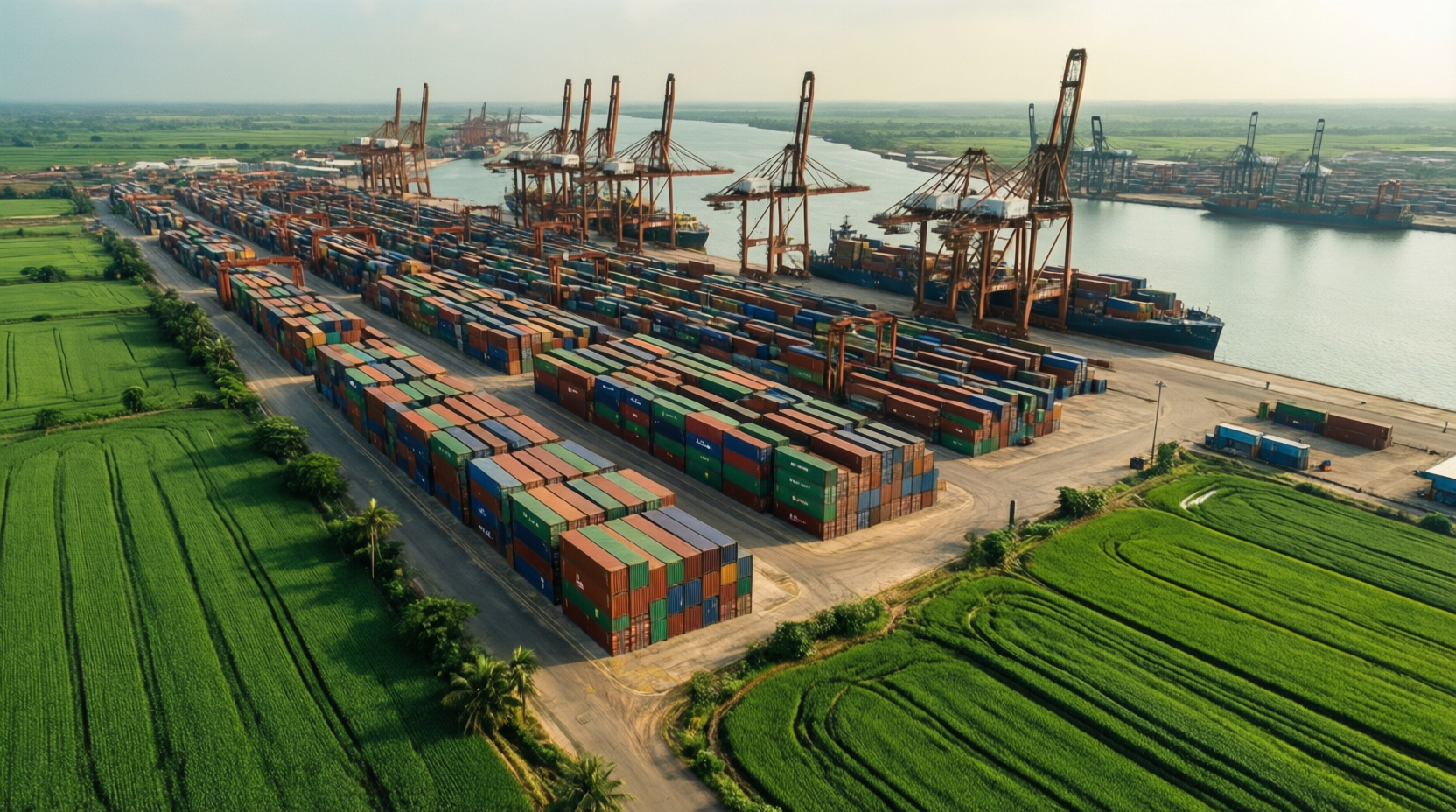
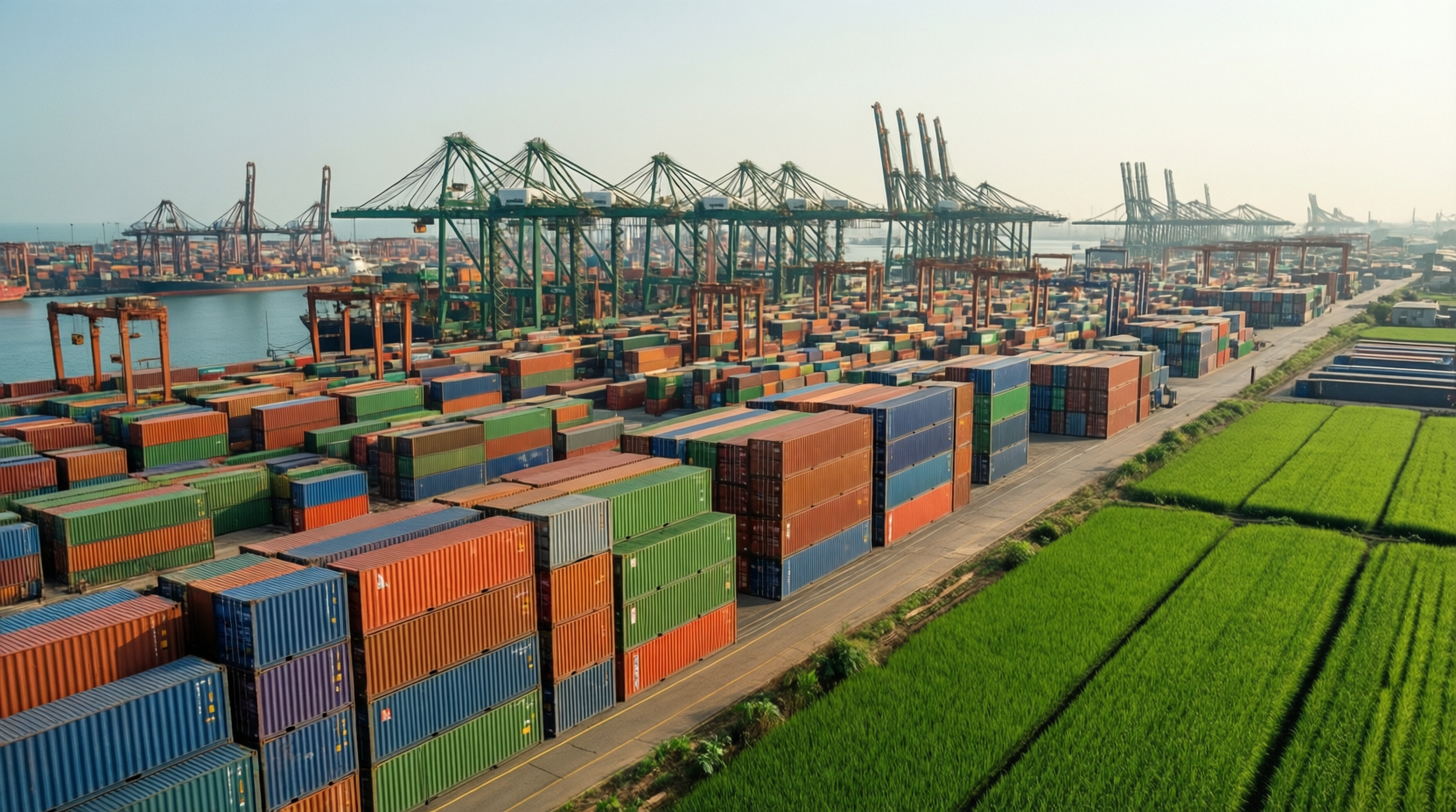
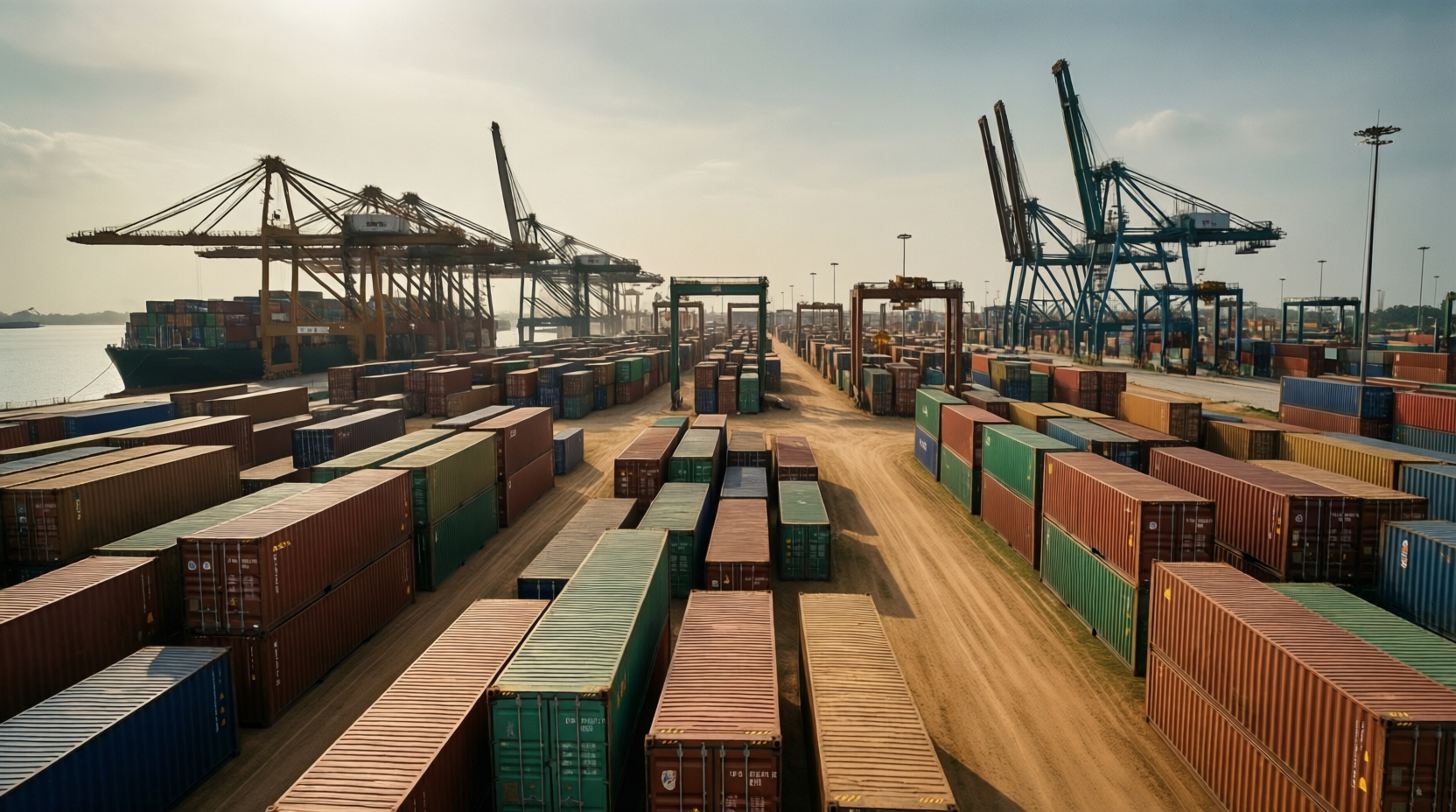
In mid-2026, Nigerian agricultural exporters encountered severe port congestion and vessel shortages that stalled over 1,000 export containers. This challenge threatens export deadlines, quality preservation, and competitive positions in global markets. Understanding the scope and causes of this congestion is essential to implement effective mitigation strategies.
What are the main causes of port congestion and vessel shortages in Nigeria affecting agricultural exports?
How can agricultural exporters plan freight logistics to minimize the impact of container delays?
Are there alternative logistics options Nigerian exporters can explore amid port congestion?
"Navigating port congestion requires proactive planning and collaboration between exporters, shipping lines, and port authorities to ensure agricultural products reach global markets on time."
What role can government and port authorities play in easing export container delays?
How important is preserving product quality during container delays caused by congestion?
Key Practical Advice
Proactive exporter engagement in collaborative logistics solutions can substantially reduce losses from port congestion — from better freight planning to exploring alternative transport options.
How can exporters leverage technology to improve visibility and response during port congestion events?
What immediate steps can exporters take to mitigate losses from the current congestion crisis?
Key takeaways
- Port congestion and vessel shortages in Nigeria are causing significant delays in agricultural export shipments.
- Proactive logistics planning and diversifying shipping routes can mitigate some impacts of these delays.
- Government support and infrastructure improvements are crucial for long-term resolution.
- Technology adoption enhances shipment visibility and responsiveness during congested periods.
Frequently asked questions
What causes the current port congestion in Nigeria affecting agro-exports?
The congestion results from increased export volumes, limited vessel availability globally, administrative delays, and insufficient port infrastructure capacity.
How can exporters reduce delays caused by vessel shortages?
By scheduling shipments ahead, using diversified carriers and routes, and coordinating with freight forwarders to adapt plans dynamically, exporters can minimize delays.
Are there alternatives to Nigerian ports for exporting agricultural products?
Yes, exporters can use regional ports in neighboring countries like Ghana or Togo, or consider air freight and multimodal transport combining road and rail.
What technologies help exporters manage port congestion effects?
Shipment tracking with IoT containers, data analytics for congestion prediction, and digital communication platforms enable better visibility and proactive responses.
What role does the Nigerian government have in resolving port congestion?
The government can invest in port infrastructure, streamline customs procedures, improve stakeholder coordination, and incentivize private logistics investment.
- Written and reviewed by our in-house trade experts — not AI-generated filler.
- Market figures come from live platform data across thousands of verified trades.
- Every buyer and supplier on The Trade Union is identity- and document-verified.
- Guides are updated as regulations and market conditions change.