On this page
- What is the India district-level export push initiative and how does it benefit MSMEs?
- How are quality labs enhancing agro exports at the district level?
- What support is available for agricultural export certification in India?
- How do logistics subsidies help MSMEs in agricultural exports?
- Which crops and products are poised to benefit from this district-level export push?
- What challenges does the initiative address for MSME agro-exporters?
- Key takeaways
- FAQ
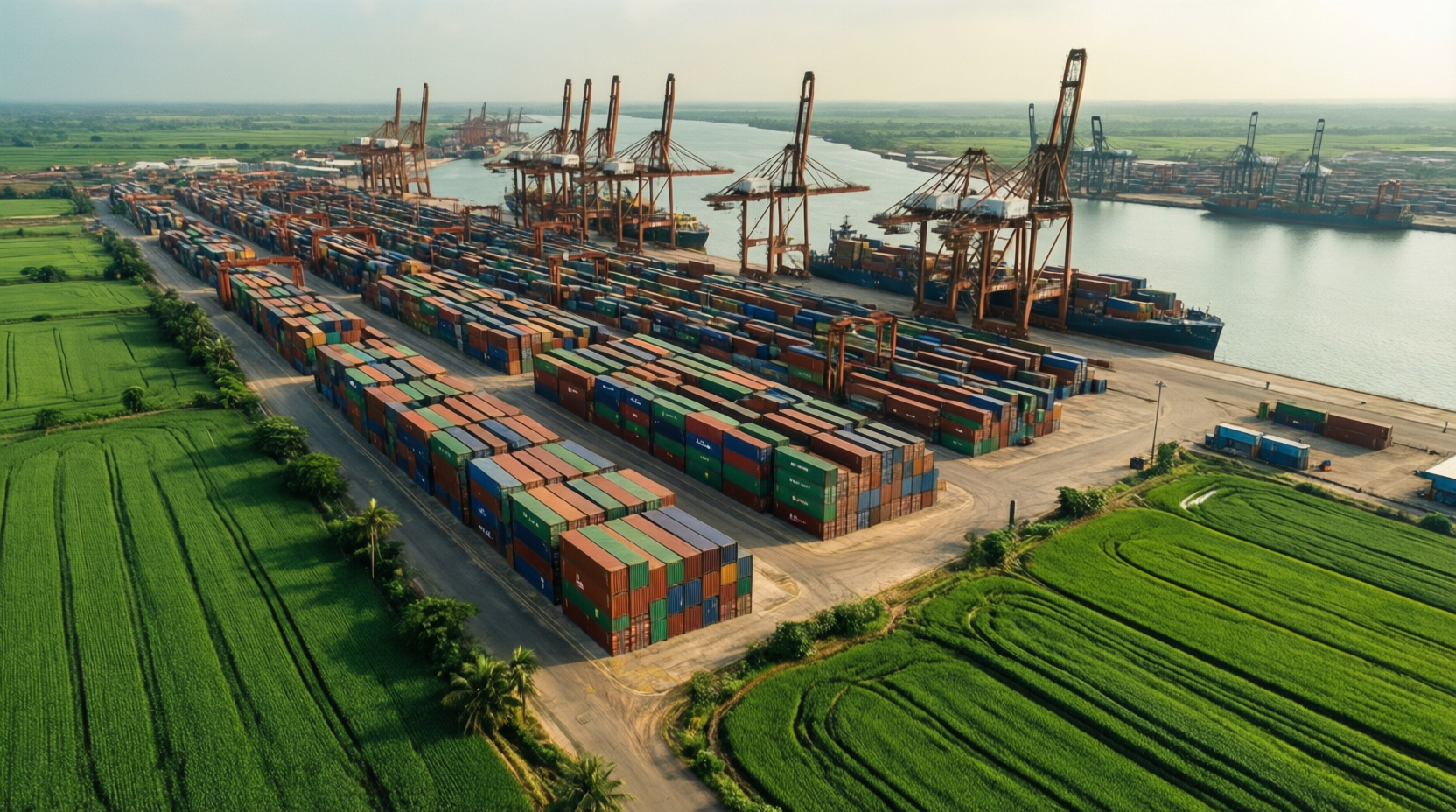
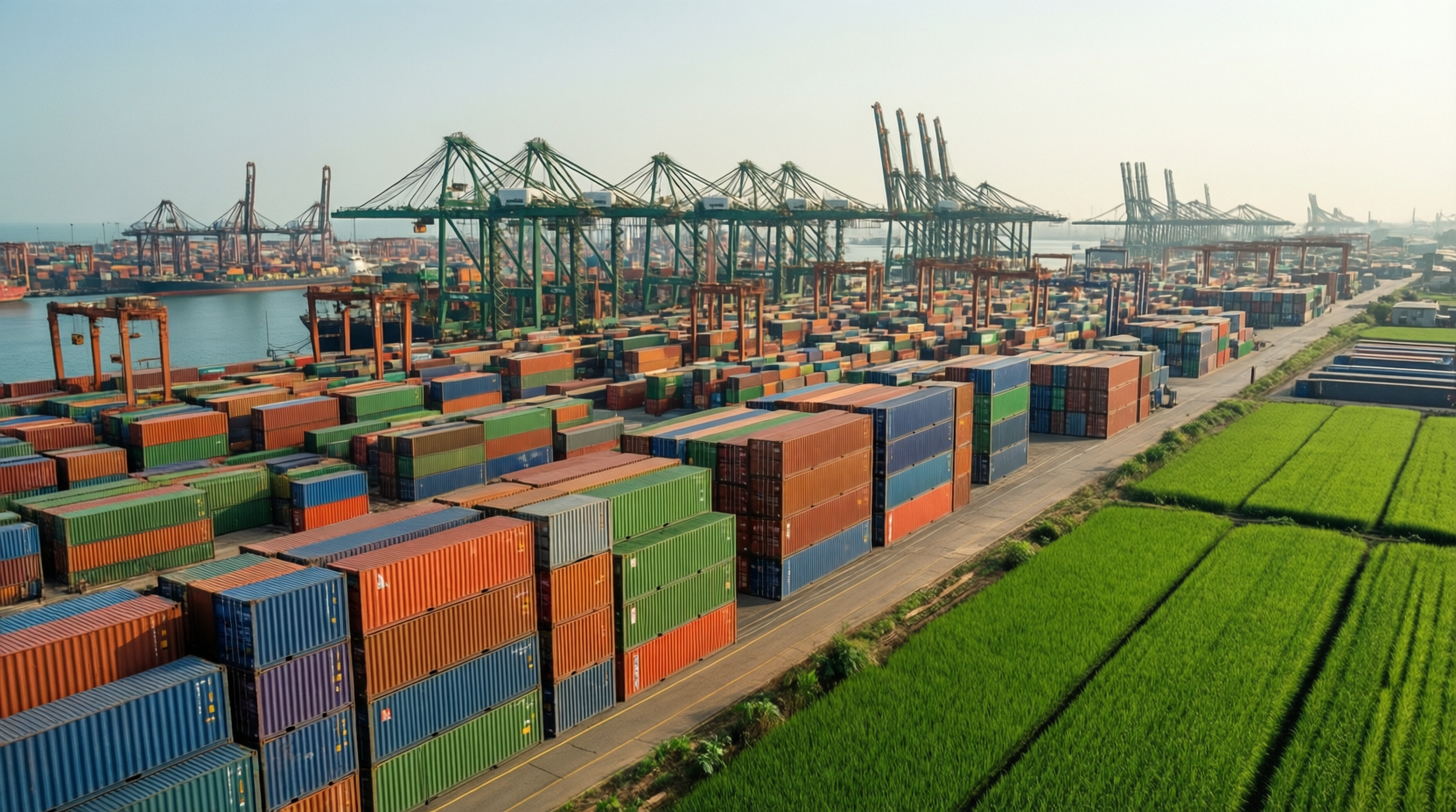
India's ambitious district-level export push initiative marks a transformative phase for MSMEs in the agricultural sector. By focusing on quality infrastructure, certification facilitation, and logistics support, this scheme is designed to turn India's agricultural districts into export hubs, tapping into rising global demand and competitive advantages.
What is the India district-level export push initiative and how does it benefit MSMEs?
The Indian government has launched a district-level export promotion scheme covering 500 districts nationwide. The initiative specifically targets MSMEs engaging in agricultural exports by providing dedicated infrastructure, technical support, and financial incentives to boost export volumes and quality compliance. This localized approach allows MSMEs to leverage district-specific strengths and resources effectively.
How are quality labs enhancing agro exports at the district level?
Quality labs established under this initiative enable MSMEs to conduct on-site testing for pesticide residues, contaminants, and quality parameters. This ensures compliance with international standards and facilitates quicker certification. Having access to these labs reduces dependency on distant testing centers, cutting turnaround times and costs for exporters.
What support is available for agricultural export certification in India?
To ease the certification process essential for export markets, the government provides technical guidance, subsidized testing fees, and assistance in documentation through district export facilitation centers. MSMEs receive help to obtain certifications such as Phytosanitary Certificates, Organic Certifications, and adherence to standards from bodies like APEDA, improving access to premium global markets.
How do logistics subsidies help MSMEs in agricultural exports?
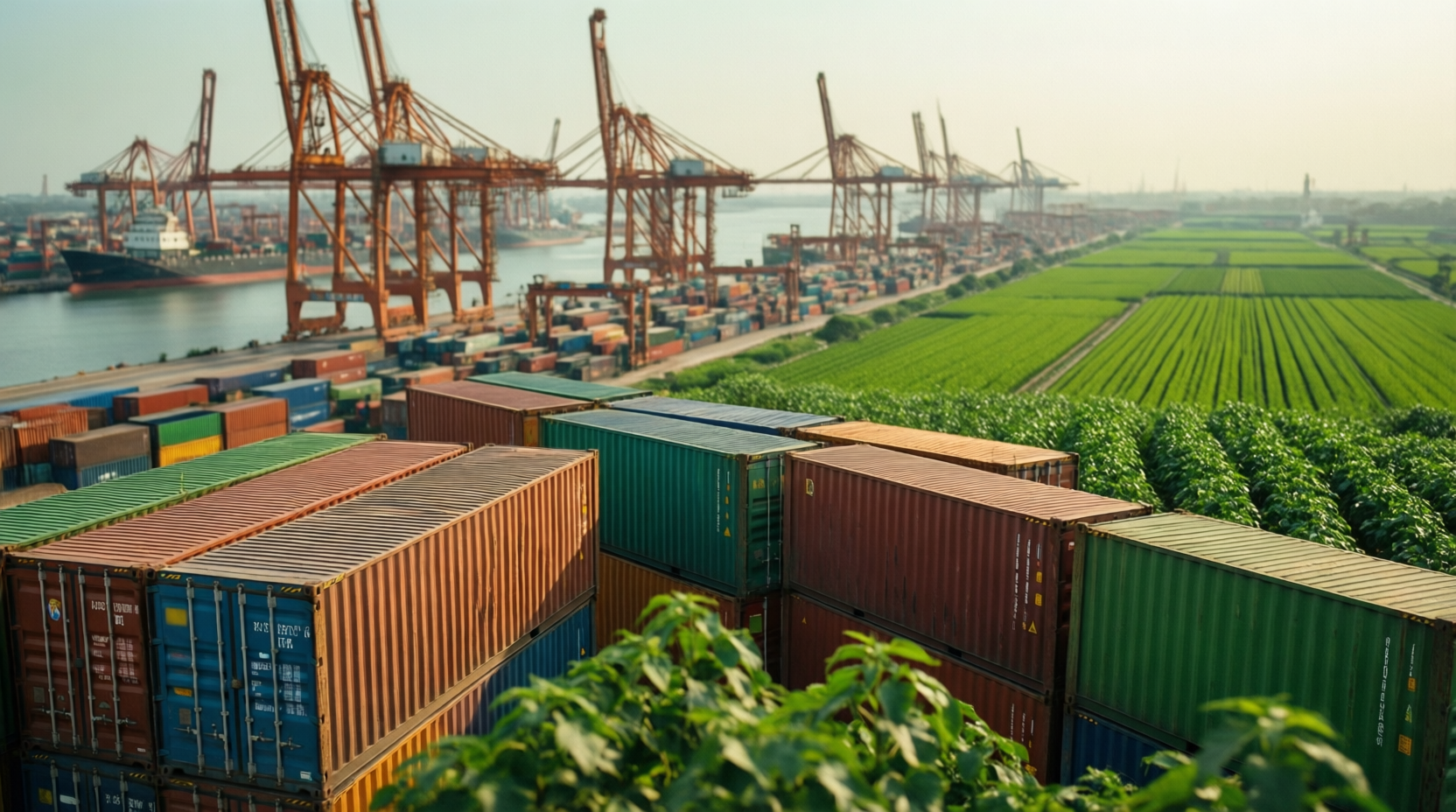
Logistics subsidies reduce transportation costs by incentivizing faster and cost-effective movement of agricultural goods. These include support for cold chain infrastructure, discounted freight charges, and streamlined clearance protocols. This aids MSMEs in overcoming common export barriers like perishability and high logistics costs, enhancing their global competitiveness.
Which crops and products are poised to benefit from this district-level export push?
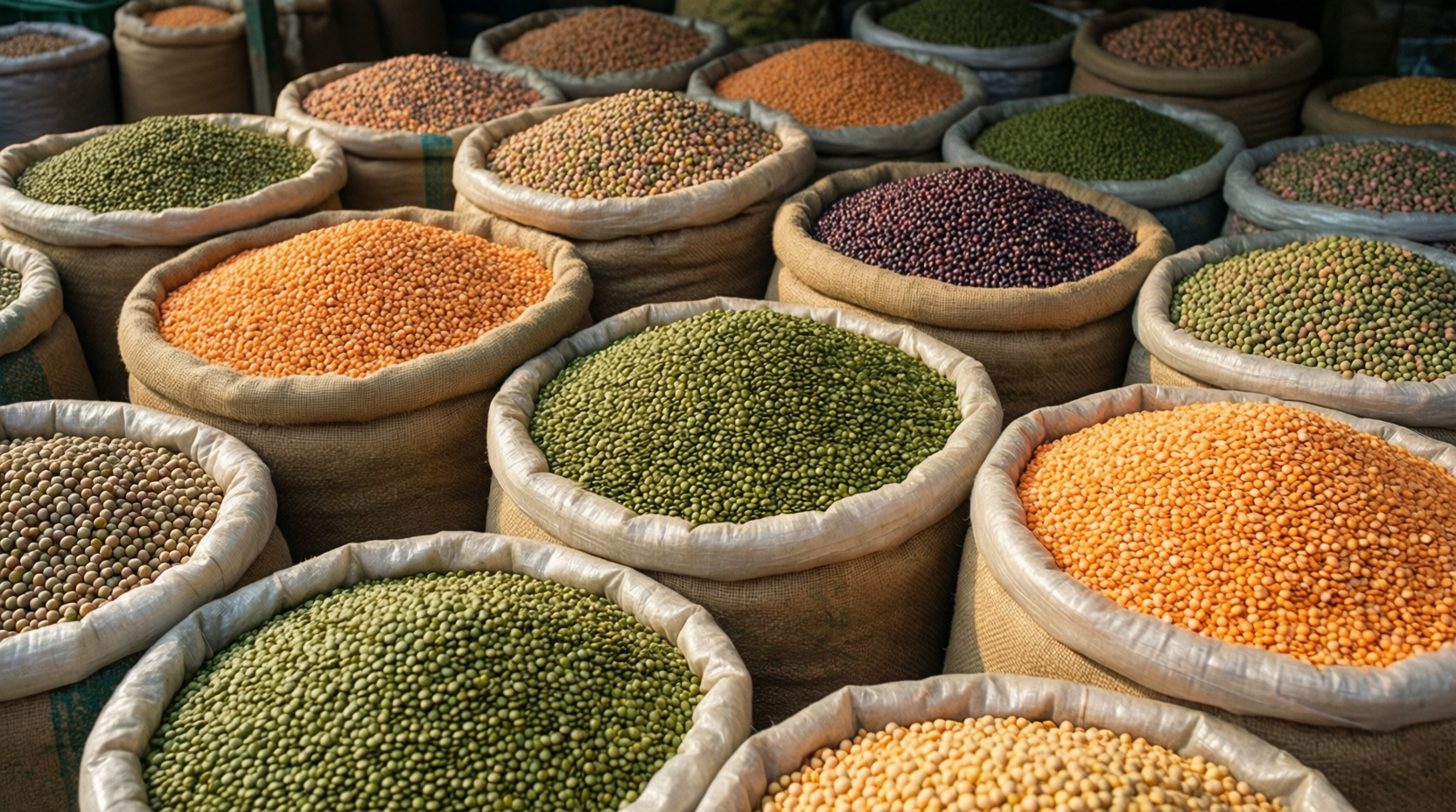
Recent trends show India's maize exports reaching a three-year high, and specialty fruits like Amrapali mangoes gaining international traction. District-level support will empower MSMEs in producing and exporting such commodities with higher quality and compliance, capitalizing on expanding global demand.
What challenges does the initiative address for MSME agro-exporters?
"Enabling MSMEs at the district level with quality labs and certification support is a game-changer for making Indian agriculture globally competitive." – Anil Kumar, APEDA Export Coordinator
Quick Note
The district-level export push initiative is a strategic move aligning with India's goal to enhance agricultural exports, supporting MSMEs to meet international quality standards and reduce export bottlenecks through localized infrastructure and financial support.
Key takeaways
- India's district-level export push supports 500 districts with MSMEs focusing on agro exports.
- Quality labs established locally help MSMEs meet international product standards efficiently.
- Certification assistance and documentation support simplify compliance for agricultural exporters.
- Logistics subsidies reduce costs and improve shelf-life management for perishable goods, boosting export competitiveness.
Frequently asked questions
How can MSMEs benefit from India's district-level export initiative?
MSMEs gain access to local quality testing labs, streamlined export certification assistance, and logistics subsidies, which reduce costs and improve export readiness.
What is the role of quality labs in the district export scheme?
Quality labs provide essential testing for agro-products near production sites to ensure compliance with international standards, facilitating faster and cost-effective exports.
Are there subsidies available for transportation under this initiative?
Yes, MSMEs receive logistics subsidies to offset transportation and cold chain costs, helping safeguard product quality and reduce export expenses.
Which certifications are supported under the export push program?
Support is provided for key certifications such as Phytosanitary Certificates, Organic Certifications, and APEDA compliance necessary for global markets.
How does the initiative help expand India's agricultural export market?
By enhancing product quality, certification, and logistics at the district level, MSMEs can meet global buyer requirements and compete effectively in international markets.
- Written and reviewed by our in-house trade experts — not AI-generated filler.
- Market figures come from live platform data across thousands of verified trades.
- Every buyer and supplier on The Trade Union is identity- and document-verified.
- Guides are updated as regulations and market conditions change.