On this page
- How Middle East Conflicts Are Disrupting Africa’s Grain Supply Chains
- Africa Grain Import Bottlenecks 2026: Logistics and Cost Pressures
- Red Sea Supply Chain Disruption: Strategic Grain Corridors at Risk
- Africa Fertilizer Import Challenges June 2026: The Double Burden
- Practical Strategies for Exporters and African Importers
African wheat and grain supply chains are at a critical crossroads in mid-2026. Geopolitical turmoil in the Middle East and a sharp fertilizer price spike are transforming the region’s import landscape—with urgent challenges for agro-traders and African importers alike.
How Middle East Conflicts Are Disrupting Africa’s Grain Supply Chains
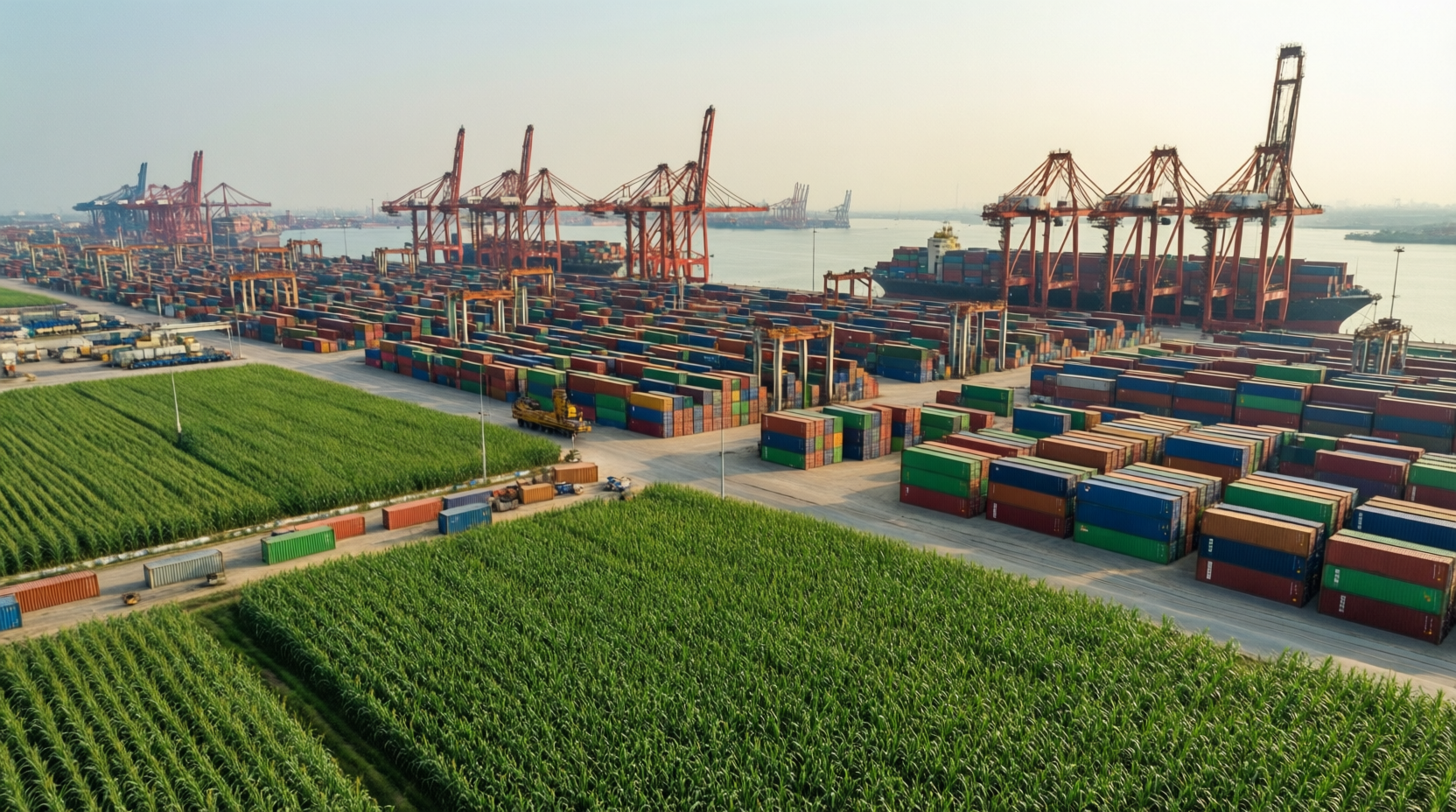
Conflict and instability at strategic shipping hubs in the Middle East have already disrupted grain flows to East Africa. As reported in June 2026, the impact of Middle East conflict on African wheat supply chains is most acute at Gulf re-export hubs, where vessel delays and reroutes are lengthening delivery timelines and pushing up freight costs.
Africa Grain Import Bottlenecks 2026: Logistics and Cost Pressures
Container rates on many routes into Africa surged in June 2026. CMA CGM’s basic rate for a 40ft box from the Indian Subcontinent to North Africa now sits at US$5,500. Logistics limitations at African ports and cold-chain gaps continue to amplify Red Sea supply chain disruption for grains.
- Drewry’s WCI hit US$3,433 per 40ft in June—up 23% year-on-year
- Freightos index reached US$2,857, with spot rates still climbing
- Major lines raised prices due to detours around key conflict regions
Red Sea Supply Chain Disruption: Strategic Grain Corridors at Risk
Rerouted vessels avoiding the Red Sea are expanding voyage distances by up to two weeks. For African markets reliant on timely wheat shipments, this means higher inventory costs and unpredictable arrivals. Importers are seeing supplies thin even as prices climb.
“Africa’s heavy dependence on wheat imports from Russia, Ukraine, and India is increasingly exposed by geopolitical shocks. Proactive risk management is urgently needed.”
Africa Fertilizer Import Challenges June 2026: The Double Burden
The fertilizer market is compounding Africa’s food security risk. Global shipping incidents in the Gulf—closely tied to Middle East conflicts—have led to urea and nitrogen fertilizer prices spiking by 50% in May. African importers are now paying much more for timely deliveries, with direct implications for planting decisions and yields in late 2026.
- Spot shortages in West African import terminals
- High volatility in input prices strains small-scale farmers
- Reduced application rates risk further grain yield reductions
Practical Strategies for Exporters and African Importers
- 1Diversify routing: Engage with shipping partners to explore alternative corridors that minimize exposure to hotspots.
- 2Strengthen cold-chain and inland logistics: Prioritize investments in African warehousing and transport resilience.
- 3Hedge freight costs: Leverage forward contracts or insurance products to mitigate rate volatility.
- 4Monitor fertilizer market indicators: Proactively assess contract terms and seek diversified supplier options.
- 5Engage in regional collaboration: Share best practices and develop import pooling strategies to build collective resilience.
Stay Ahead with Tradeleaf
Agro-traders using Tradeleaf’s network can access up-to-the-minute freight data and trusted local partners—helping navigate volatile 2026 market dynamics with confidence.
Outlook: Food Security Demands Collaborative, Risk-Ready Approaches
The risks facing Africa’s grain corridors have rarely been higher. Importers and traders who adapt supply networks, manage logistics volatility, and collaborate across the value chain will be best placed to secure food supplies and unlock opportunities in a turbulent year ahead.
- Written and reviewed by our in-house trade experts — not AI-generated filler.
- Market figures come from live platform data across thousands of verified trades.
- Every buyer and supplier on The Trade Union is identity- and document-verified.
- Guides are updated as regulations and market conditions change.