On this page
- What is driving the surge in Indian maize exports in 2026?
- How are Asian buyers' maize demand patterns changing in 2026?
- What role does price competitiveness play in Indian maize exports?
- How does India's export infrastructure support this maize export growth?
- What challenges could Indian exporters face amid this surge?
- Are there specific certifications or compliance issues for maize exports to Asian countries?
- How can exporters leverage this demand shift to expand their market presence?
- Key takeaways
- FAQ
Indian maize exports in 2026 are experiencing significant growth, reaching the highest levels in three years. This surge is largely attributed to a combination of record maize production in India and a marked shift in maize purchasing trends across Asian markets. Understanding these dynamics is essential for exporters to strategically position themselves and maximize opportunities in evolving agro-export landscapes.
What is driving the surge in Indian maize exports in 2026?
India's record maize harvest in the current marketing year has created ample exportable surplus. This abundance, combined with competitive pricing due to moderate input costs and efficient supply chains, has made Indian maize more attractive relative to traditional suppliers. Additionally, strategic government initiatives aimed at supporting agricultural exports have facilitated smoother market access for exporters.
How are Asian buyers' maize demand patterns changing in 2026?
Several Asian countries, including Vietnam, Indonesia, and the Philippines, are shifting their import sources favoring more cost-competitive suppliers with reliable delivery schedules. Growing feed and food industry consumption is driving diversified sourcing strategies, with many buyers increasing volume imports from India due to better price competitiveness and quality assurance. This contrasts with past years when buyers relied heavily on US or South American maize supplies.
What role does price competitiveness play in Indian maize exports?
Competitive pricing remains key to India’s growing share in Asian maize markets. Due to favourable monsoon-fed yields and currency valuation dynamics, Indian maize prices have stayed attractive even as global grain prices rise. Price sensitivity among Asian feed producers further enhances India's appeal as a preferred supplier, enabling exporters to negotiate favorable terms and capture new contracts.
How does India's export infrastructure support this maize export growth?
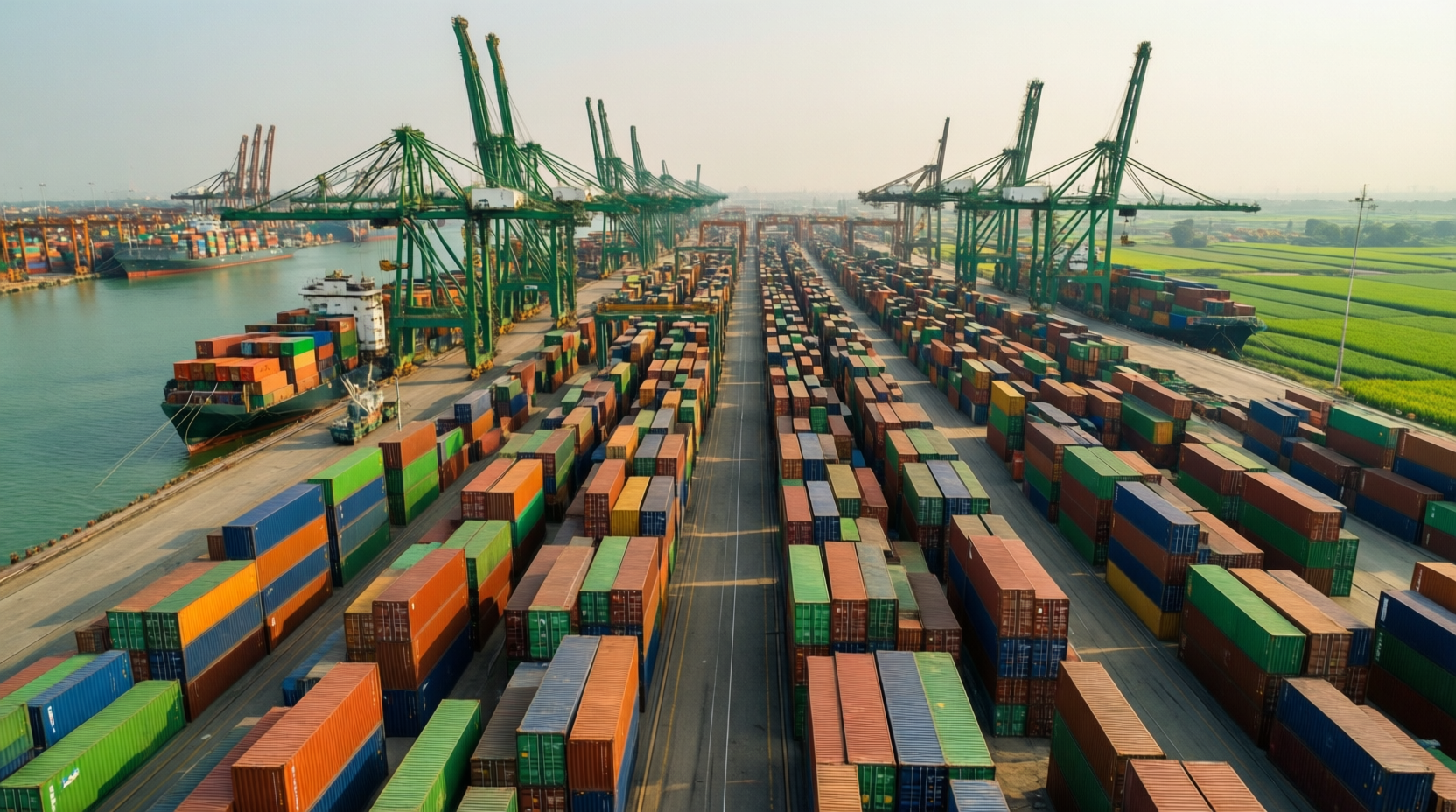
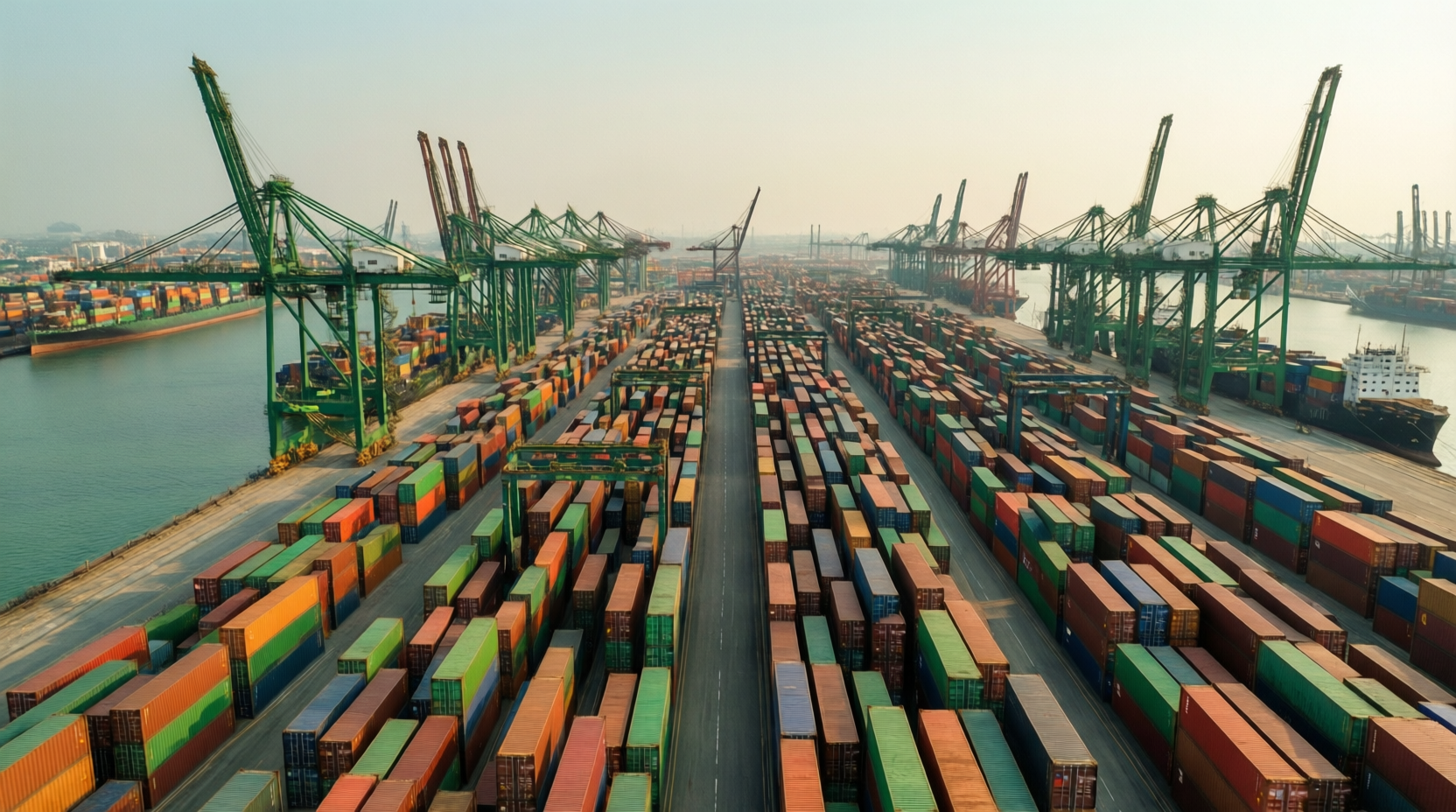
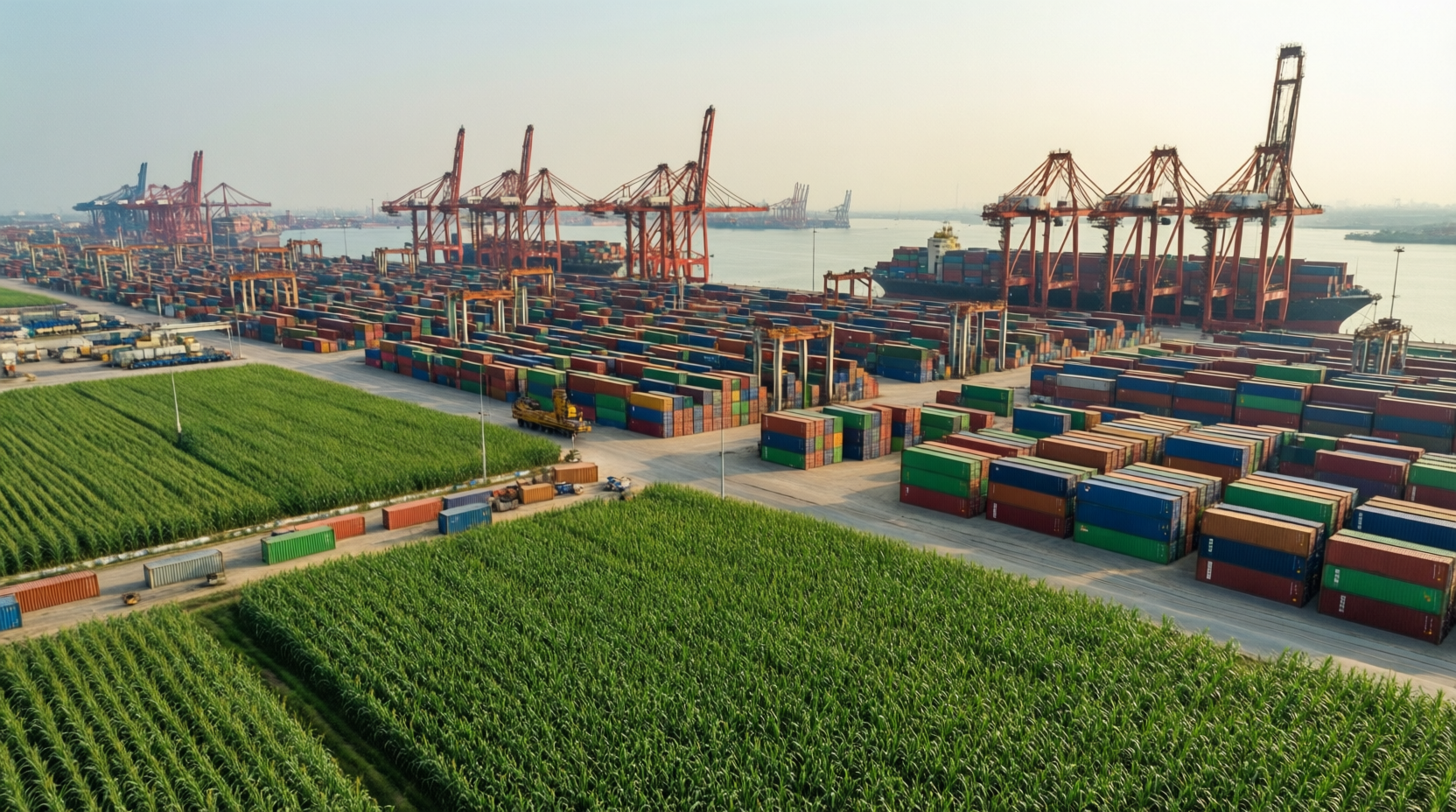
India’s robust logistics networks, including improved port capacities and streamlined customs procedures, facilitate faster clearance and shipment of maize consignments. Government incentives for exporters and investments in storage facilities reduce post-harvest losses, ensuring quality and timely deliveries that meet buyer expectations across Asian markets.
What challenges could Indian exporters face amid this surge?
Delayed monsoon patterns have introduced some uncertainty for the kharif crop cycle, potentially impacting maize supply volumes going forward. Additionally, increasing competition from African exporters capitalizing on local value-addition policies may pressure Indian maize prices. Exporters must monitor these risks carefully and adapt sourcing and marketing strategies accordingly.
Are there specific certifications or compliance issues for maize exports to Asian countries?
Yes, compliance with phytosanitary certifications as mandated by target importing countries is essential. For markets like Vietnam and Indonesia, meeting pesticide residue limits and providing clear quality documentation assures faster customs clearance. Exporters should also align with APEDA guidelines and obtain necessary export permits to avoid shipment delays.
How can exporters leverage this demand shift to expand their market presence?
- Establish direct ties with key Asian importers through trade fairs such as Asia Fruit Logistica and Gulfood to showcase product quality and reliability.
- Utilize digital agro export platforms for matchmaking and to gain real-time market intel on buyer preferences and pricing trends.
- Invest in value addition and packaging improvements to meet rising consumer expectations and differentiate Indian maize exports.
- Collaborate with logistics providers to optimize shipment schedules and reduce freight costs amid volatile global supply chains.
"Harnessing the evolving preferences in Asian maize demand by aligning timely supply with competitive prices is the game-changer for Indian exporters in 2026." – Senior Trade Analyst, The Trade Union
Insider Tip
Exporters should monitor regional policy shifts closely, especially related to import regulations and subsidies in key Asian nations, to remain competitive and compliant.
Key takeaways
- Indian maize exports are projected to hit three-year highs in 2026 due to record domestic production and competitive pricing.
- Asian markets are shifting buying patterns, favoring cost-effective and reliable import sources like India over traditional suppliers.
- Efficient export infrastructure and compliance with phytosanitary standards are crucial for sustained export growth.
- Exporters must navigate challenges such as monsoon variability and rising competition while leveraging digital tools and trade fairs for market expansion.
Frequently asked questions
Why are Indian maize exports increasing in 2026?
Indian maize exports are rising due to record production, competitive pricing, and a shift in Asian buyers' preferences toward India as a reliable maize supplier.
Which Asian countries are driving demand for Indian maize?
Key Asian importers include Vietnam, Indonesia, and the Philippines, where growing feed and food industries prefer competitively priced maize from India.
How can exporters ensure compliance when exporting maize to Asian markets?
Exporters should obtain required phytosanitary certifications, comply with pesticide residue limits, and follow APEDA regulations to meet import standards.
What infrastructure factors support India's maize export growth?
Improved port capacities, streamlined customs procedures, and government incentives underpin faster shipment and quality preservation of maize exports.
What risks could affect Indian maize exports going forward?
Delayed monsoons impacting crop yields and increasing competition from African processors present potential challenges to Indian maize export volumes and pricing.
- Written and reviewed by our in-house trade experts — not AI-generated filler.
- Market figures come from live platform data across thousands of verified trades.
- Every buyer and supplier on The Trade Union is identity- and document-verified.
- Guides are updated as regulations and market conditions change.