On this page
- How Bad Is Africa's Port Congestion in 2026?
- Root Causes: Why Are Mombasa, Dar es Salaam & Lagos So Jammed?
- How Is Port Congestion Affecting Agro-Export Flows?
- Regulatory Updates and Compliance Hurdles in 2026
- Risk-Mitigation Strategies: How Exporters Can Respond
- What’s Next for Africa’s Agro-Export Flows?
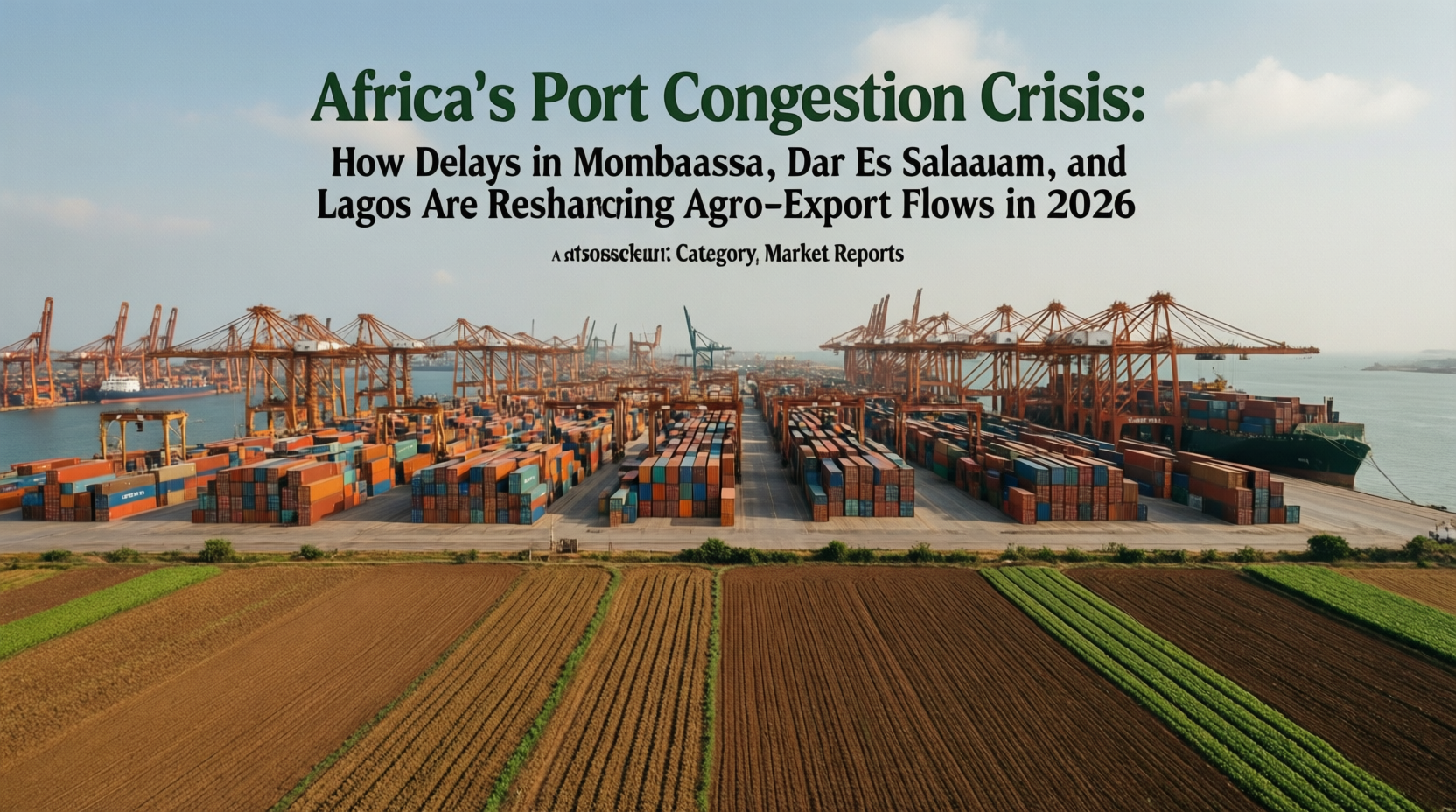
Mid-2026 has brought African port congestion to crisis levels, with severe agro-export delays at Mombasa, Dar es Salaam, and Lagos. Indian and African exporters must now adapt to longer waiting times, rising costs, and shifting regulatory requirements to keep shipments profitable.
How Bad Is Africa's Port Congestion in 2026?
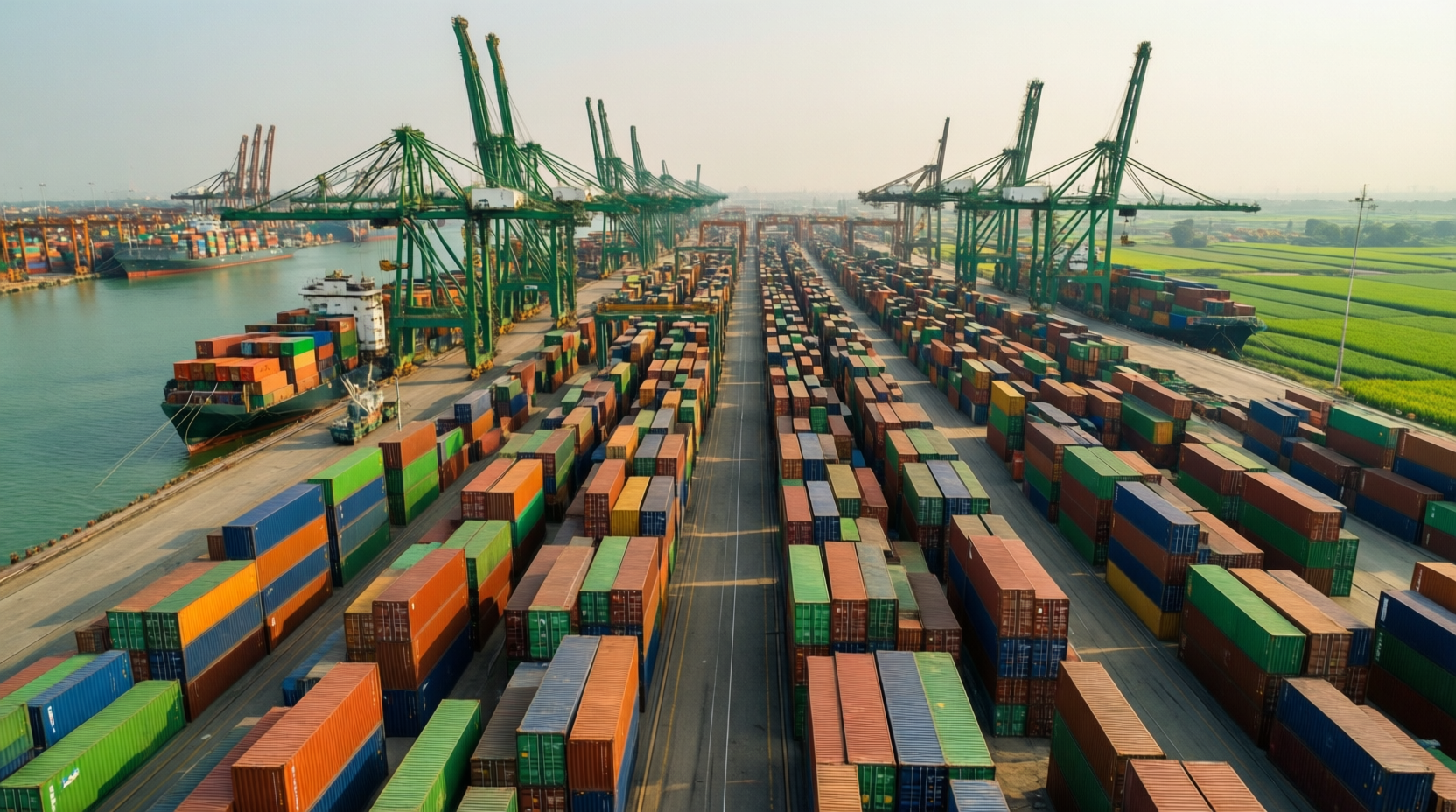
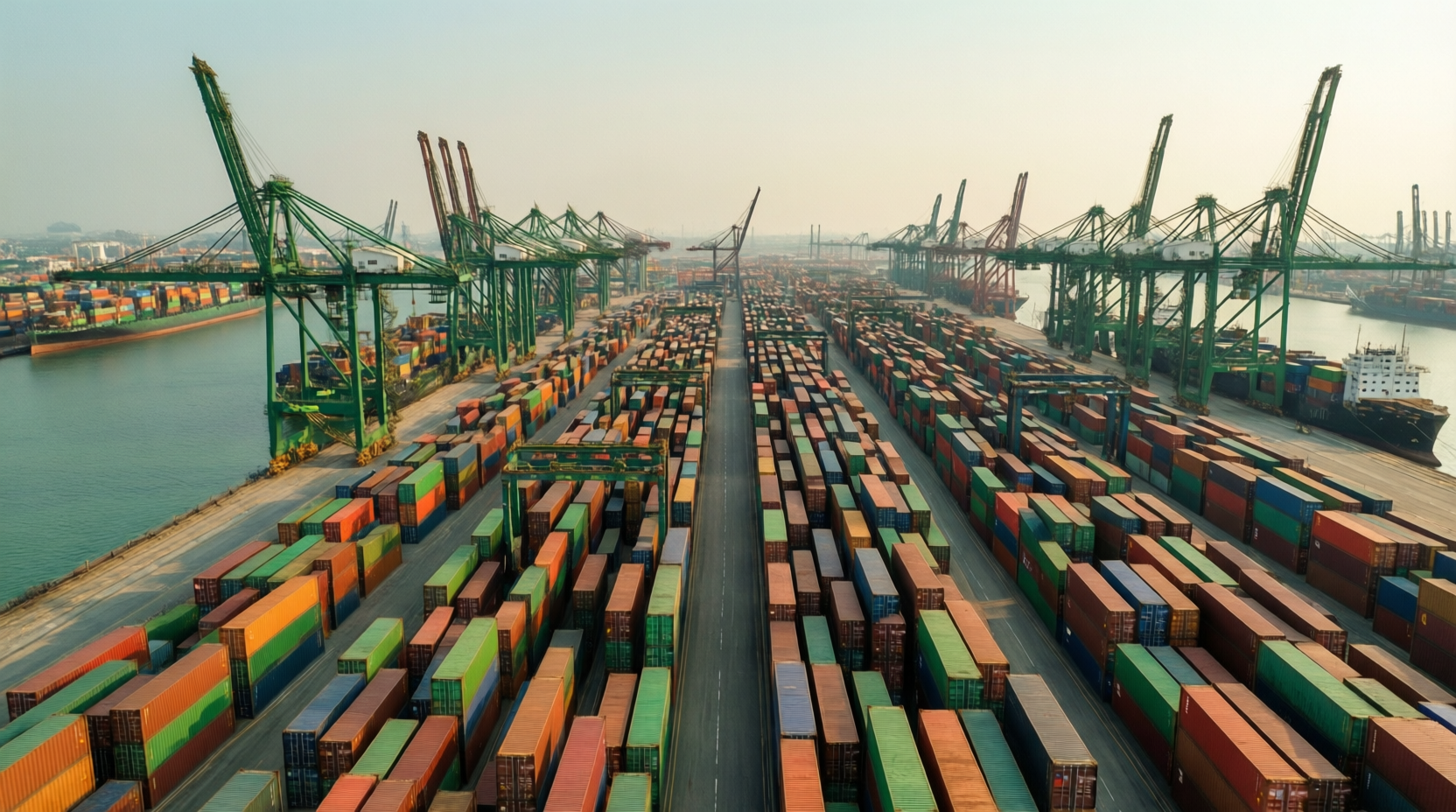
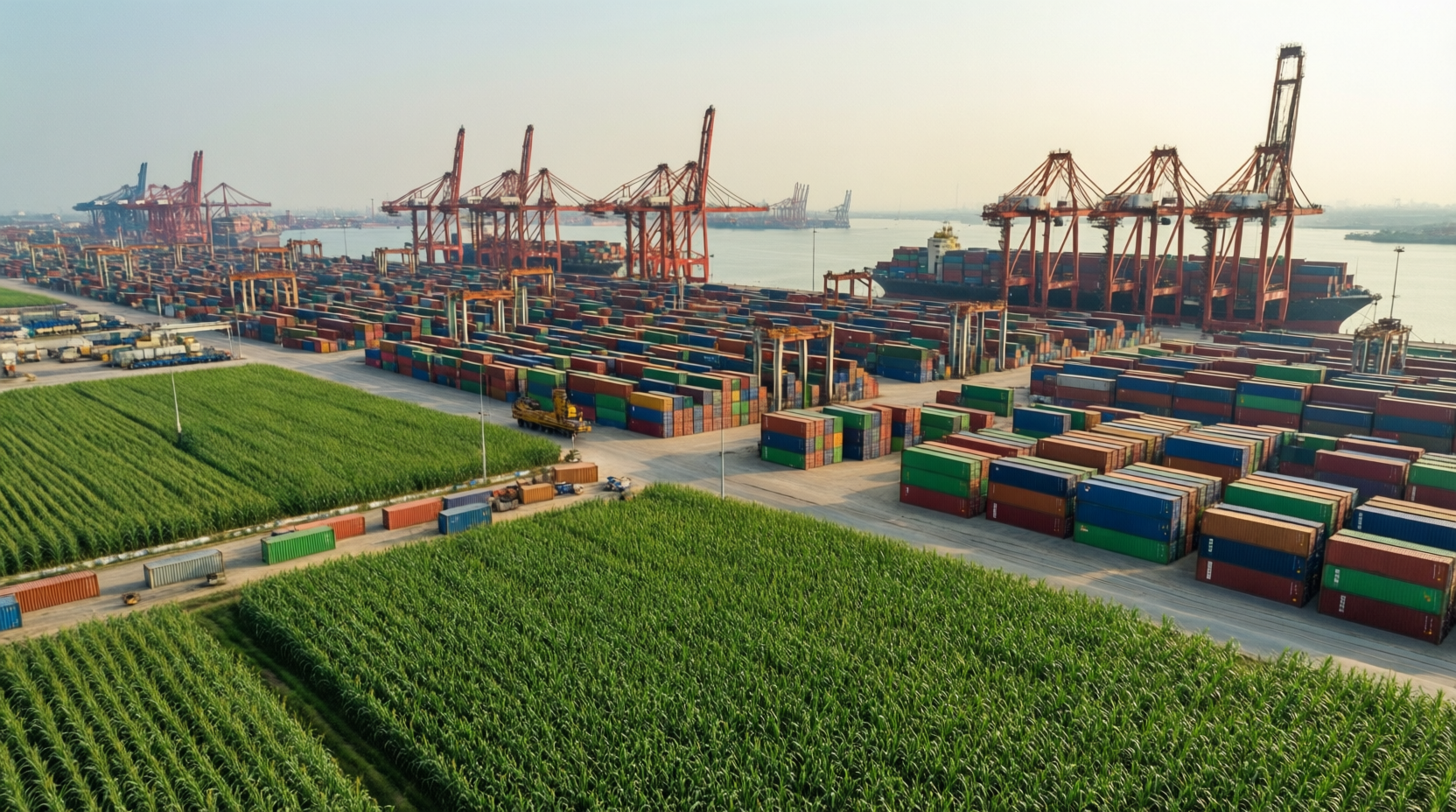
According to June 2026 logistics reports, the major African gateways for agro-exports are at a standstill. Vessels at Mombasa are waiting 6-9 days to berth, while exporters using Dar es Salaam face up to 14 days of delays. In Lagos, issues with roads and port IT systems have extended waiting times to 21 days for some consignments. These disruptions impact not just shipping schedules, but margin-sensitive cargoes like cocoa, oilseeds, and fresh produce bound for and from Africa.
Root Causes: Why Are Mombasa, Dar es Salaam & Lagos So Jammed?
- Ongoing port construction and terminal upgrades, especially in Mombasa
- Intensified radiation inspections and compliance checks delaying container movement (Mombasa)
- Overflow cargo volumes at Dar es Salaam as shippers divert from neighboring congested ports
- Stricter customs enforcement at Dar es Salaam, causing documentation bottlenecks
- Road infrastructure breakdowns and port system outages in Lagos, aggravating dwell times
Each of these ports is facing unique regulatory and operational headwinds. Together, they create a pan-African bottleneck impacting both inbound shipments (fertilizers, equipment) and critical outbound flows of coffee, cocoa, cashew, sesame, and Indian-origin pulses and spices.
How Is Port Congestion Affecting Agro-Export Flows?
- Longer lead times: Typical sea freight to West/East Africa now faces delays of 1–3 weeks on arrival.
- Spot rate hikes: Drewry’s World Container Index climbed 37% in six weeks, with West Africa rates among the highest globally.
- Extra surcharges: Major shipping lines (Maersk, Hapag-Lloyd, CMA CGM) have imposed peak season and congestion surcharges up to USD 600 per TEU on Africa-bound cargo.
- Inventory risk: Perishable and value-added agri cargos (like cocoa, cashew, spices) now face greater risk of quality loss and price volatility.
Regulatory Updates and Compliance Hurdles in 2026
Adding to congestion, 2026 has brought new compliance challenges for exporters. India’s updated FEMA Regulations (effective October) consolidate import-export procedures but intensify realisation timelines, while also easing MSME compliance for shipments up to ₹10 lakh. These shifts mean exporters must balance regulatory checks with urgent freight windows.
“Our shipments to Lagos now take nearly three weeks to clear, even with premium rates and all paperwork. It’s a stressful waiting game every single time.”
Risk-Mitigation Strategies: How Exporters Can Respond
- 1Book shipments on earliest possible vessels and factor extra 2–3 weeks into your end-to-end planning.
- 2Negotiate rate validity and buffer for surcharges in contracts—do not rely on spot-only deals.
- 3Leverage digital supply chain tracking to monitor vessel status and pre-empt bottlenecks.
- 4Get export documentation (phytosanitary, compliance) done well in advance.
- 5Work with forwarders to explore split shipments or alternative ports (for example, using Abidjan or Tema when Lagos is saturated).
Exporters looking to ship agricultural cargo to Africa in 2026 must embrace flexibility, strong documentation, and regular communication with shipping partners. This ensures they can minimize disruption and protect margin in a volatile environment.
Plan Smarter Agro-Exports With Tradeleaf
Facing regular delays in Africa-bound exports? The Trade Union’s freight intelligence and compliance tools can help you plan resilient, cost-effective shipments tailored to Mombasa, Dar es Salaam, Lagos and beyond.
What’s Next for Africa’s Agro-Export Flows?
The Africa port congestion crisis will likely persist through the 2026 peak season, with spillover impacts on rates, container availability, and market access. Exporters who stay proactive on freight trends, compliance, and partnership structures will be best-placed as the continent’s logistics overhaul unfolds.
- Written and reviewed by our in-house trade experts — not AI-generated filler.
- Market figures come from live platform data across thousands of verified trades.
- Every buyer and supplier on The Trade Union is identity- and document-verified.
- Guides are updated as regulations and market conditions change.