On this page
- What key factors have driven South Africa's record growth in fruits and nuts exports?
- How has Ethiopia managed to achieve a surge in coffee export earnings amid global competition?
- What lessons can exporters learn from South Africa's fruits and nuts success?
- What strategic priorities have propelled Ethiopia's coffee export boom?
- How do South Africa and Ethiopia differ in leveraging trade agreements and certifications?
- What role does logistics play in the export performance of these countries?
- Key takeaways
- FAQ
In early 2026, South Africa and Ethiopia marked significant milestones in agricultural export growth, each driven by distinct sector strengths. South Africa's fruits and nuts exports hit a record R67 billion in Q1, while Ethiopia's coffee exports earned $3.1 billion, spurred by productivity gains. Understanding the strategic underpinnings of these achievements offers important lessons for Africa's diverse agro-export landscape.
What key factors have driven South Africa's record growth in fruits and nuts exports?
South Africa's agricultural export record owes much to its diversified fruits and nuts sector, which benefited from robust global demand and well-established supply chains. Strategic investments in cold storage infrastructure, quality certifications like GlobalGAP, and participation in trade fairs such as Fruit Logistica have enhanced market access to Europe and Asia. Moreover, favorable exchange rates combined with efficient logistics have kept South African produce competitive internationally.
How has Ethiopia managed to achieve a surge in coffee export earnings amid global competition?
Ethiopia's coffee export growth to $3.1 billion was propelled by targeted improvements in productivity, including modernization of coffee farming techniques and enhanced quality control measures. Government support through the Coffee and Tea Authority and effective engagement with international buyers has helped position Ethiopian coffee as a premium brand. Additionally, increased value addition at origin and adherence to sustainability certifications have expanded its appeal in discerning markets.
What lessons can exporters learn from South Africa's fruits and nuts success?
- Diversify crop selections to meet varied market demands and reduce risk.
- Invest in infrastructure like cold chain logistics to maintain product quality.
- Obtain international certifications (e.g., GlobalGAP) to enhance credibility.
- Engage actively in global trade fairs to build buyer relationships and market intelligence.
- Leverage currency and tariff advantages under existing trade agreements.
What strategic priorities have propelled Ethiopia's coffee export boom?
- Focus on productivity through farmer training and technology adoption.
- Strengthen export institutions for better market engagement and branding.
- Implement value addition at processing stage to capture higher margins.
- Secure sustainability certifications to cater to niche consumer segments.
- Expand trade facilitation and logistics to improve delivery times.
How do South Africa and Ethiopia differ in leveraging trade agreements and certifications?
South Africa leverages a wide range of trade agreements facilitating fruits and nuts exports, utilizing certifications like GlobalGAP to meet stringent European standards. Ethiopia, while progressively embracing certifications like Organic and Fairtrade, still focuses heavily on domestically supported institutions to brand its coffee. Both countries emphasize compliance, but South Africa’s diversified agreements provide broader tariff advantages in multiple markets.
What role does logistics play in the export performance of these countries?
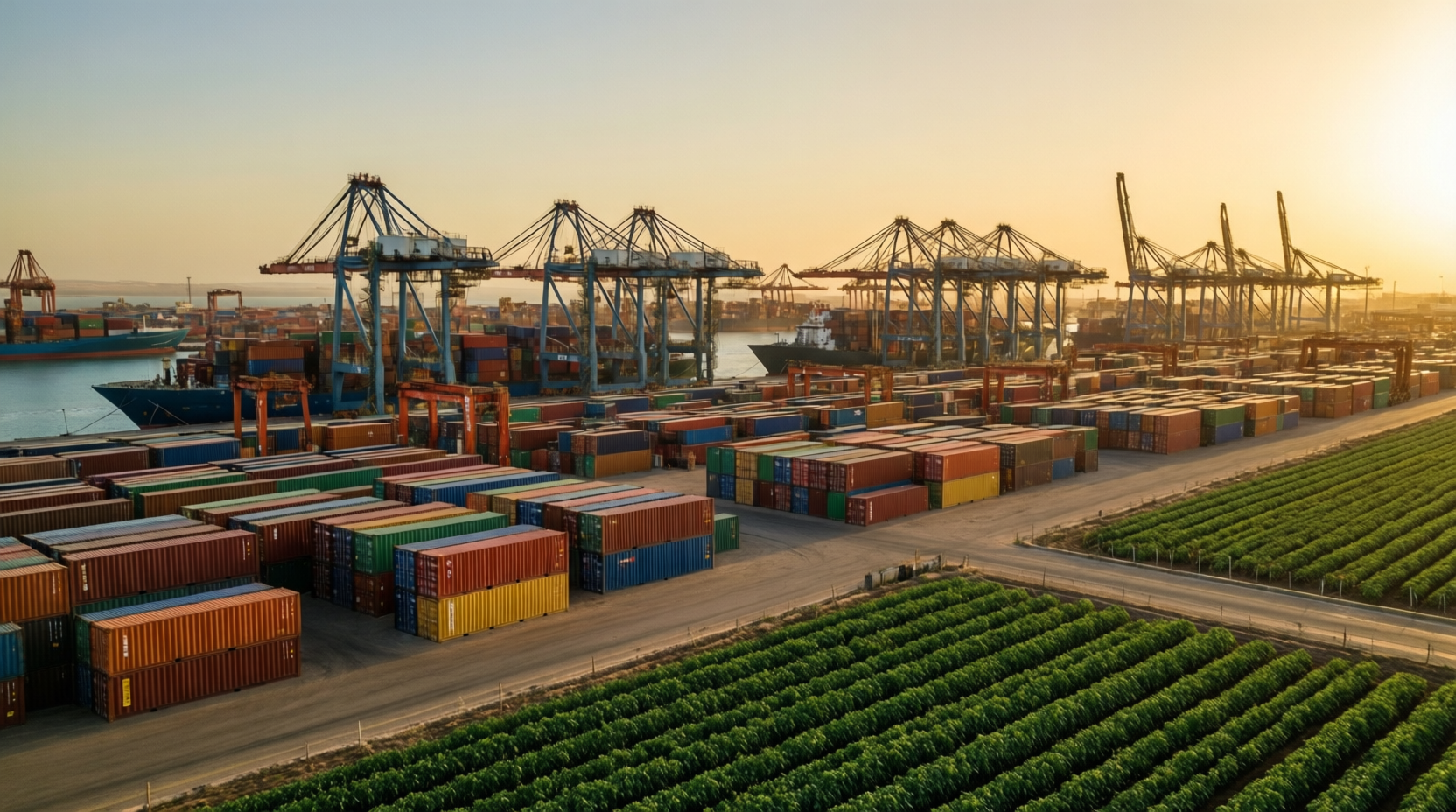
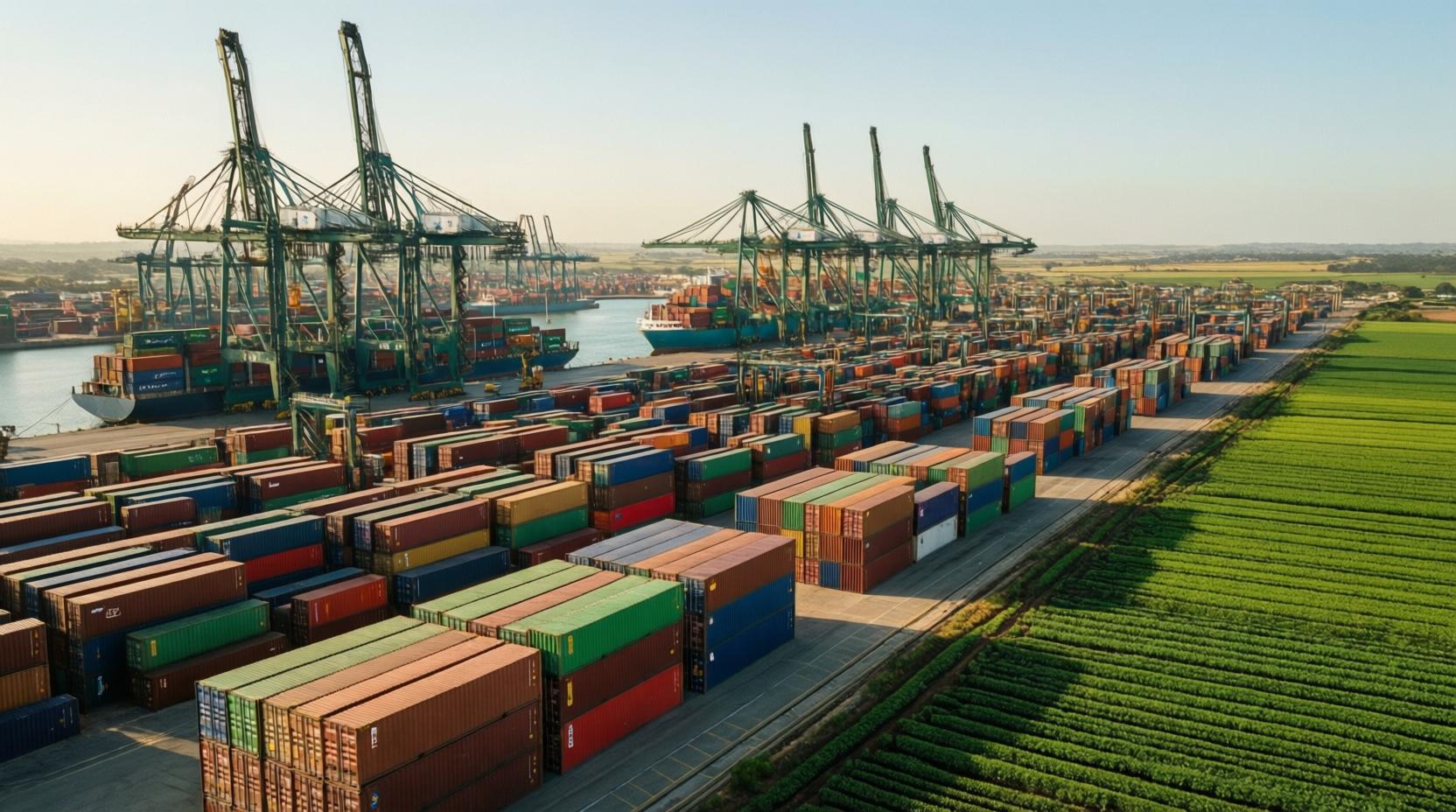
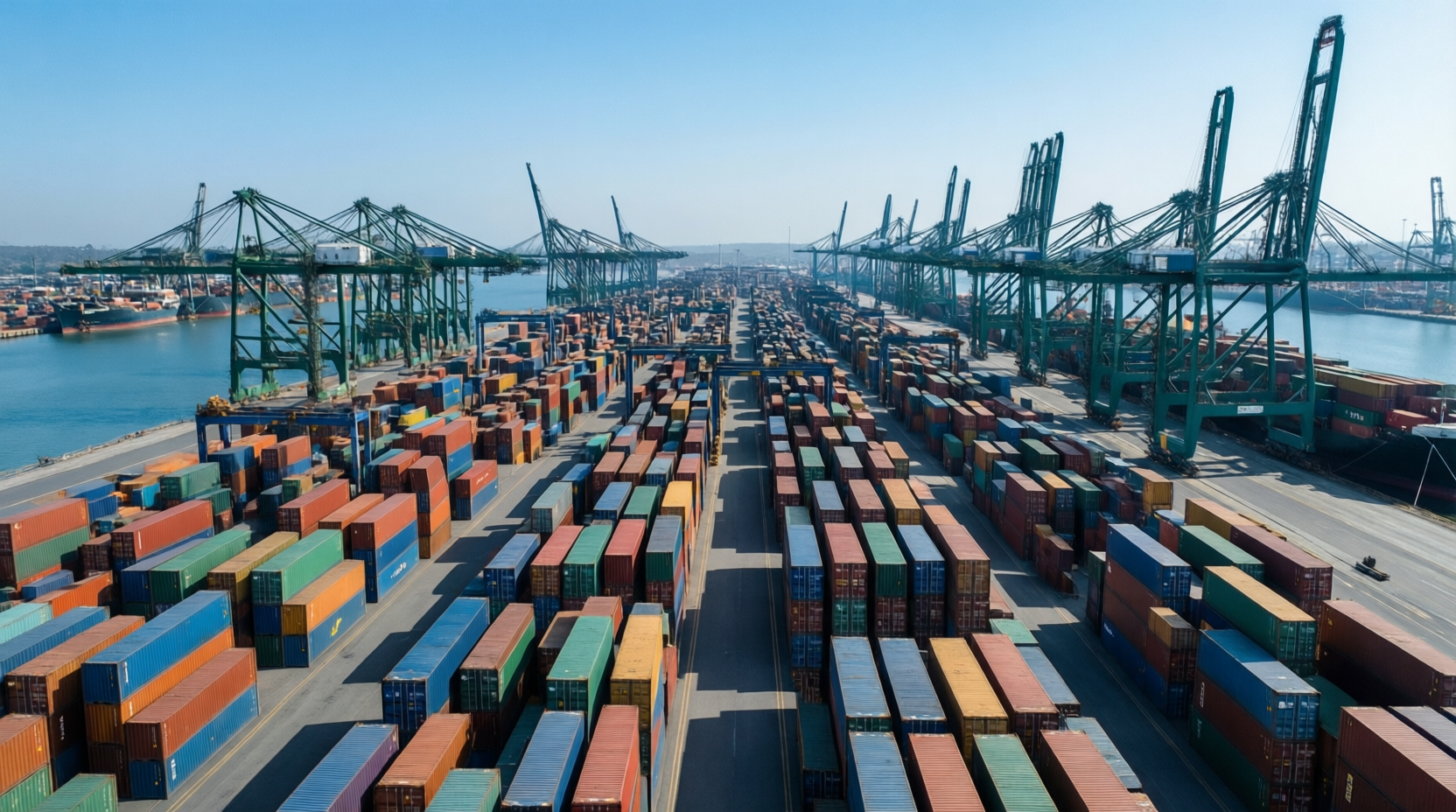
South Africa benefits from well-developed port infrastructure and cold storage logistics, ensuring timely shipments of perishable fruits and nuts. Ethiopia, being a landlocked country, faces challenges but has invested in improving access to ports through Djibouti and enhanced rail links. Strategic logistics improvements remain critical for maintaining export reliability and competitiveness in both contexts.
"Ethiopia’s reach into premium coffee markets and South Africa’s diversified fruit exports underscore the importance of customizing export strategies to product strengths and market demands." – Trade Expert Insight
Strategic Insight
African agro-exporters can tailor sector-specific strategies, focusing on infrastructure, certifications, and trade agreements, to unlock growth potential similar to South Africa and Ethiopia.
Key takeaways
- South Africa’s fruits and nuts exports surged due to diversification, certifications, and infrastructure investment.
- Ethiopia’s coffee export boom reflects productivity gains, institutional support, and value addition.
- Tailored strategies aligned with sector strengths and market needs are essential for agro-export success.
- Infrastructure and trade facilitation remain critical enablers for both countries’ export performance.
Frequently asked questions
What sectors have driven South Africa's recent agricultural export growth?
South Africa’s fruits and nuts sector has been the primary driver, aided by diversified crops, certifications, and strong global demand.
How significant is coffee to Ethiopia's export revenue?
Coffee exports contributed $3.1 billion in revenue, making it Ethiopia’s leading agricultural export commodity in 2026.
What certifications are important for South African agro-exporters?
Certifications like GlobalGAP and other quality standards help South African exporters meet international market requirements, especially in Europe.
How does Ethiopia overcome logistics challenges as a landlocked country?
Ethiopia uses improved transport links through Djibouti port and invests in rail infrastructure to facilitate timely export shipments.
What strategic lessons can other African agro-exporters learn from these cases?
Customizing export strategies to product strengths, investing in infrastructure, securing certifications, and engaging in trade partnerships are key takeaways.
- Written and reviewed by our in-house trade experts — not AI-generated filler.
- Market figures come from live platform data across thousands of verified trades.
- Every buyer and supplier on The Trade Union is identity- and document-verified.
- Guides are updated as regulations and market conditions change.