On this page
- How do India’s maize production and export volumes in 2026 compare to African exporters?
- What pricing trends are influencing India and African maize export competitiveness?
- How are market access and trade agreements affecting maize exports from India and Africa?
- What logistical and infrastructural factors influence export competitiveness of maize from India and Africa?
- How do geopolitical and regulatory developments impact maize export dynamics?
- What role does demand outlook play in maize export competition between India and African exporters?
- What are key certification and compliance considerations for maize exporters from India and Africa?
- Key takeaways
- FAQ
The global maize export scene in 2026 is marked by India’s surge to a three-year export high and Africa’s evolving agricultural trade dynamics. Indian exporters benefit from record production and competitive pricing, while African countries are leveraging strong horticultural performances and market openings. This analysis examines how these factors shape the export competitiveness of maize between India and African exporters.
How do India’s maize production and export volumes in 2026 compare to African exporters?
India is poised to reach its highest maize export volume in three years, backed by record maize production and strategic export pricing that appeals to global buyers. Meanwhile, African exporters such as South Africa continue to expand their agricultural exports, with South Africa achieving an 11% year-on-year increase in Q1 2026 driven by strong horticultural output. Although maize is a significant crop regionally, African countries vary widely in production volumes and export capacity, with South Africa being a major contributor to the continent’s total agricultural exports.
What pricing trends are influencing India and African maize export competitiveness?
India’s maize exports benefit from competitive pricing facilitated by ample supplies and efficient production. This pricing advantage, paired with record yields, enables India to offer attractive terms to bulk buyers, boosting export volumes. African exporters, while also expanding volumes, face mixed pricing influences; for example, Morocco’s extension of a tomato export freeze to sub-Saharan Africa reflects domestic supply stabilization efforts that can indirectly affect regional maize trade prices and logistics costs. South Africa’s growing export revenues signal strong demand and favorable pricing, though price fluctuations in regional markets remain a variable factor.
How are market access and trade agreements affecting maize exports from India and Africa?
India’s acceleration in maize exports aligns with recent trade developments such as the India-UK CETA, which facilitates tariff reductions and expands market access for Indian agricultural products. This enables Indian exporters to tap into premium markets like the UK with improved competitiveness. African exporters are harnessing new international market openings, exemplified by China’s decision to open its coffee market to all 53 African countries, signaling potential for broader agricultural ties. However, regional constraints like Morocco’s export freeze impact intra-African trade flows, requiring exporters to navigate both expanding global opportunities and regional trade adjustments.
What logistical and infrastructural factors influence export competitiveness of maize from India and Africa?
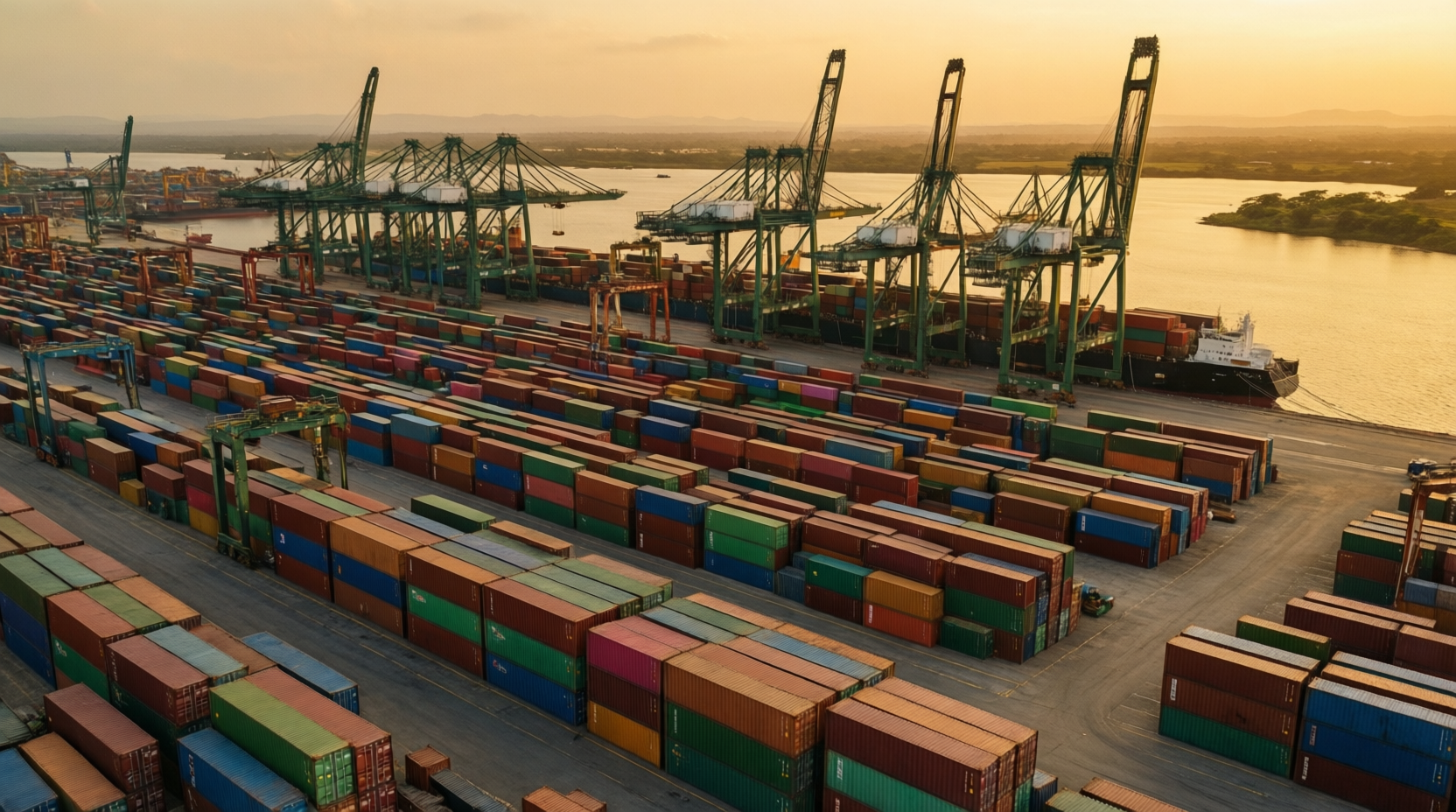
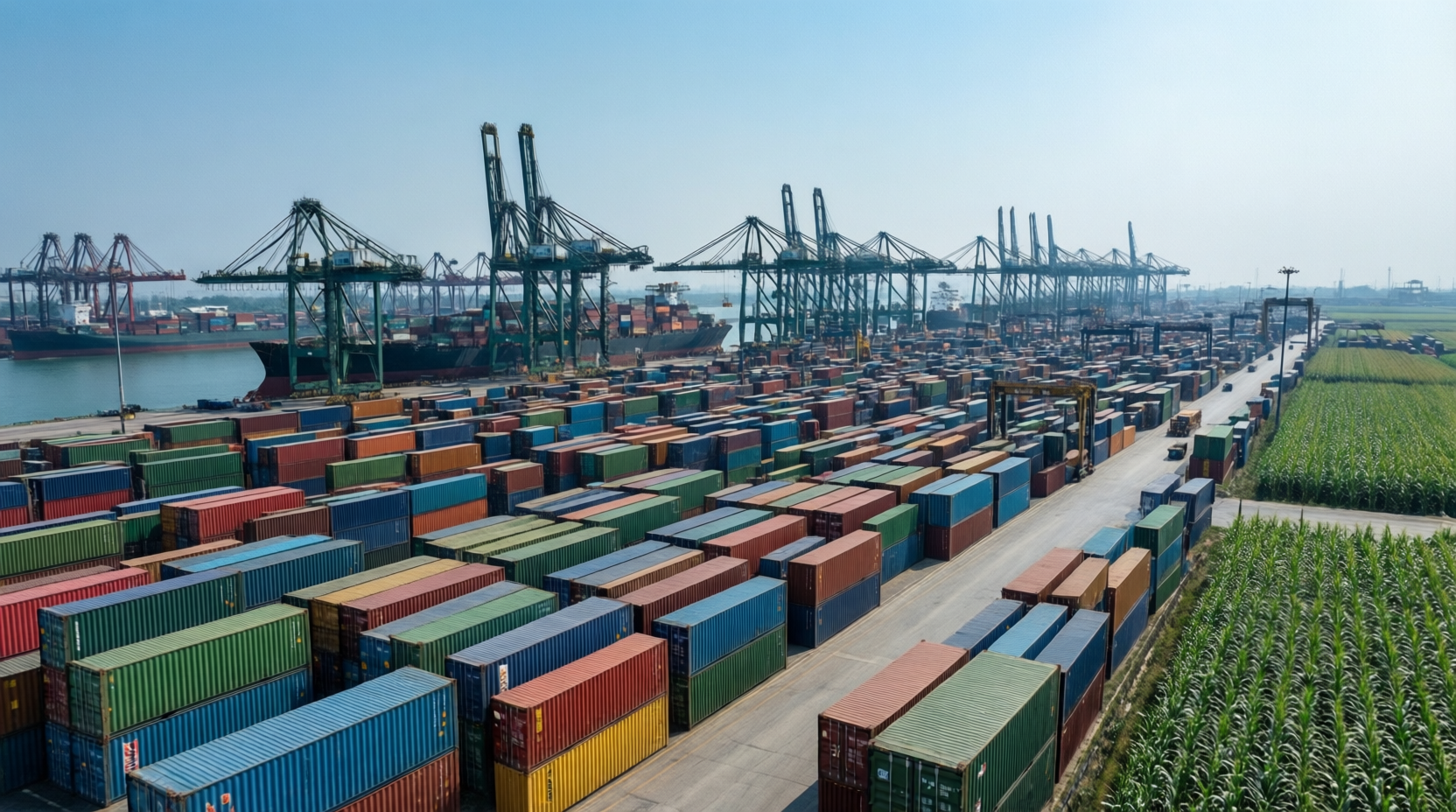
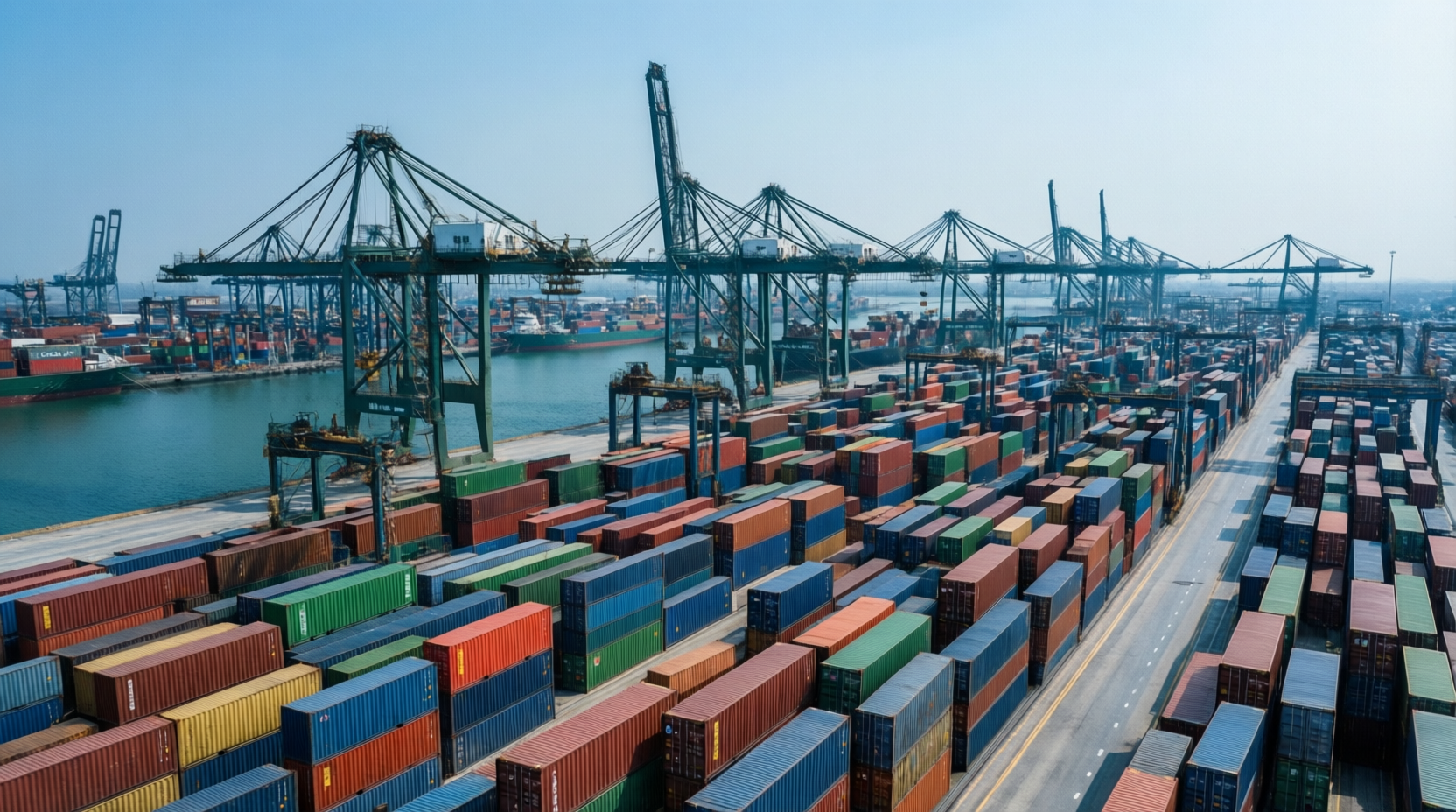
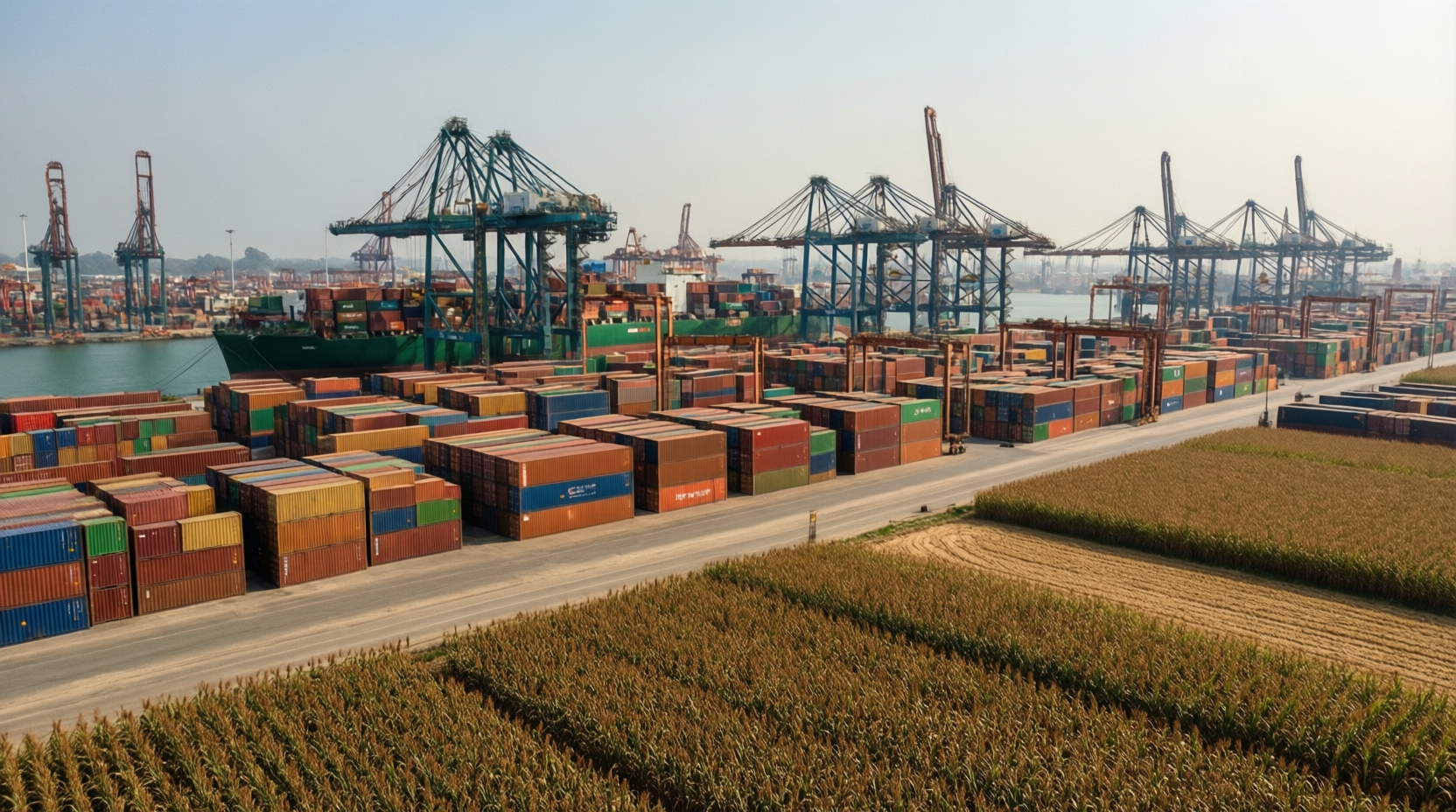
India’s export surge is underpinned by well-established logistics, with port facilities capable of handling increased export volumes efficiently, which supports timely delivery and cost competitiveness. In Africa, countries like South Africa showcase strong logistics performance, reflected in record agricultural export revenue and expanded market reach. However, logistical challenges remain across many African regions, including regulatory and infrastructure limitations, which can affect export consistency and costs. Additionally, disruptions such as Morocco’s tomato export restrictions demonstrate how regional policies may complicate logistic planning for intra-African traders.
How do geopolitical and regulatory developments impact maize export dynamics?
Geopolitical moves like Nigeria’s move to cease raw cocoa exports and push for local processing underscore a broader African strategy to add value within supply chains, potentially shaping export priorities in the region’s agriculture sector, including maize. India's trade policy advancements, such as the India-UK CETA, actively broaden access and reduce tariffs, facilitating export growth. Meanwhile, Russia’s increased agricultural exports to Africa and China’s opening of markets to African coffee illustrate shifting global trade networks that indirectly influence competitiveness by altering demand and supply chain linkages.
What role does demand outlook play in maize export competition between India and African exporters?
Global demand for maize remains robust, driven by food, feed, and industrial uses. India’s competitive pricing and record production position it well to capture growing overseas demand, especially in Asia and Europe. African exporters benefit from regional demand growth and emerging connections with Asian markets but must balance domestic needs and export ambitions. Price fluctuations and export restrictions in parts of Africa can moderate export supply, presenting both challenges and opportunities as global buyers seek reliable and cost-effective maize sources.
What are key certification and compliance considerations for maize exporters from India and Africa?
Exporters from both regions are required to meet international phytosanitary and quality standards to access premium markets. India’s export ecosystem benefits from robust certification frameworks supported by agencies like APEDA, ensuring quality and compliance. African exporters aiming for markets such as China or Europe must navigate increasingly stringent quality controls and certification requirements, including phytosanitary certificates and residue limits, to maintain market access and buyer confidence.
“India’s maize export surge in 2026 highlights the importance of integrating production scale with strategic market access and pricing policies.”
Trade Policy and Market Access
Strategic trade agreements like the India-UK CETA and market openings such as China’s coffee import policy are pivotal in reshaping maize export competitiveness by enhancing access and trade volumes for exporters in India and Africa alike.
Key takeaways
- India’s maize exports are reaching a three-year peak due to record production and competitive pricing.
- African maize exporters, led by South Africa, are expanding agricultural exports amid evolving regional trade conditions.
- Trade agreements like India-UK CETA and China’s market openings enhance export opportunities and competitiveness.
- Logistical strengths and regulatory compliance remain critical for both Indian and African maize exporters to sustain growth.
Frequently asked questions
What factors contribute to India’s increased maize exports in 2026?
India’s increased maize exports are driven by record production levels and competitive pricing that appeal to global buyers, supported by improved market access through trade agreements.
How is South Africa’s maize export performance impacting African market competitiveness?
South Africa’s strong agricultural export growth, including maize, boosts Africa’s presence in global markets by demonstrating production capacity and access to diverse trade corridors.
What challenges do African maize exporters face in 2026?
African exporters encounter logistical hurdles, varying regional trade policies like Morocco’s export freeze, and stringent international certification requirements that can affect market access and pricing.
How do trade agreements affect maize exports from India?
Trade agreements such as the India-UK CETA reduce tariffs and create new market opportunities, enabling Indian maize exporters to expand international reach competitively.
What role do certification and compliance play in maize export success?
Meeting international quality and phytosanitary standards is essential for exporters to maintain market access, build buyer trust, and compete effectively in global markets.
- Written and reviewed by our in-house trade experts — not AI-generated filler.
- Market figures come from live platform data across thousands of verified trades.
- Every buyer and supplier on The Trade Union is identity- and document-verified.
- Guides are updated as regulations and market conditions change.