On this page
- What factors have driven the recent growth in Egypt’s citrus and potato exports?
- How does Egypt’s export competitiveness influence its position in global markets?
- What are the major export destinations for Egyptian citrus fruits and potatoes?
- How does global demand for citrus and potatoes impact Egypt’s export outlook?
- What challenges does Egypt face in sustaining agricultural export growth?
- How can exporters leverage Egypt’s growing agro-export potential?
- Quote from an industry expert
- Key takeaways
- Key takeaways
- FAQ
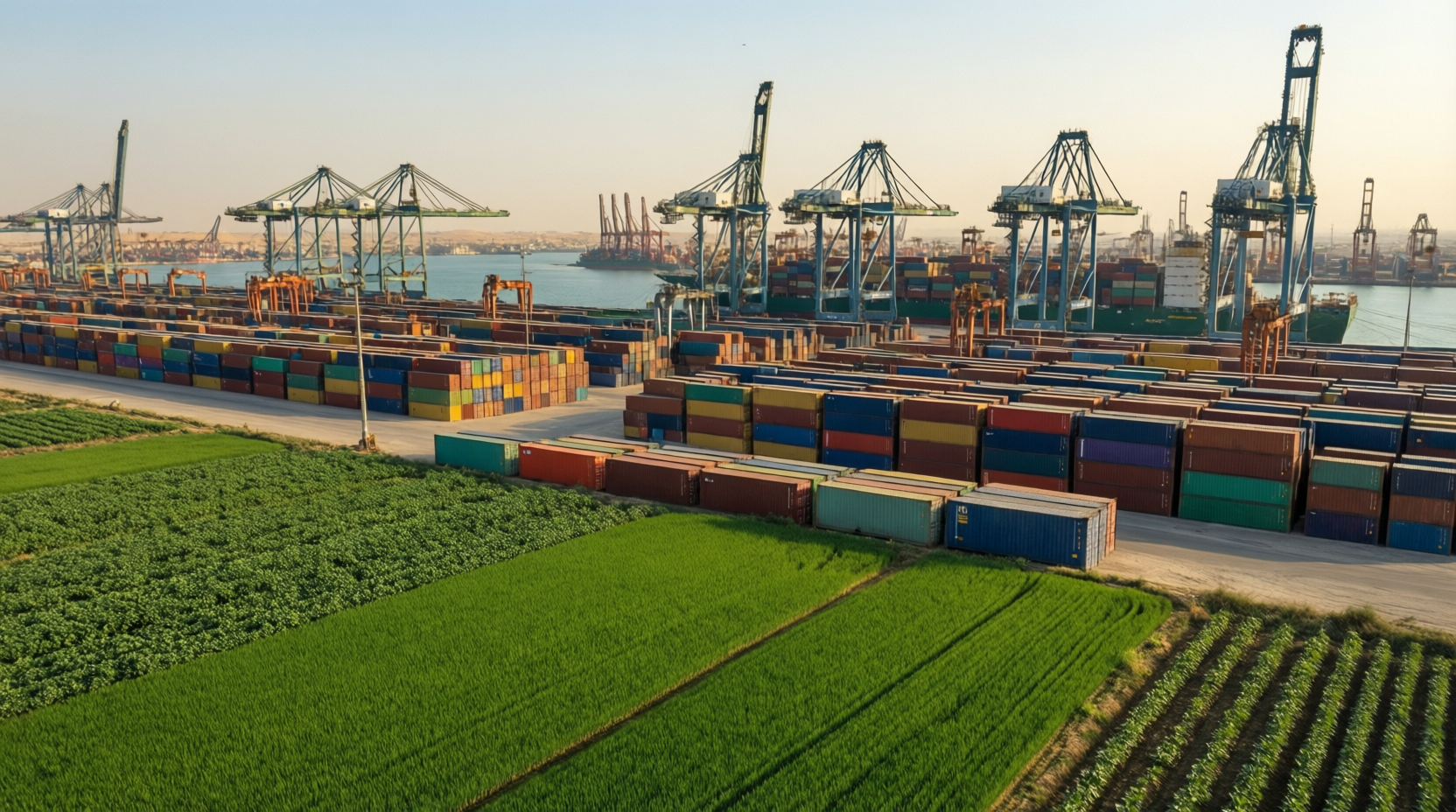
In 2026, Egypt's agricultural exports surpassed 5.8 million tonnes, prominently driven by citrus fruits and fresh potatoes. This milestone reflects the nation's enhanced export competitiveness and growing global demand, spotlighting Egypt's strengthening role in international agricultural trade.
What factors have driven the recent growth in Egypt’s citrus and potato exports?
Egypt's export surge in citrus and potatoes results from a combination of improved farming techniques, competitive pricing, and expanded international market access. Government initiatives to enhance quality standards and invest in cold chain logistics have also played a key role in reducing post-harvest losses and meeting strict phytosanitary requirements.
How does Egypt’s export competitiveness influence its position in global markets?
Egypt’s favorable climate enables multiple harvests annually, supporting high volumes of fresh produce exports. Meanwhile, cost-effective labor and strategic trade agreements provide Egypt with a competitive edge over other African and Mediterranean exporters. This positions Egypt as a reliable supplier of citrus fruits and potatoes to Europe, the Middle East, and parts of Asia.
What are the major export destinations for Egyptian citrus fruits and potatoes?
- European Union countries remain the largest importers due to proximity and steady demand for fresh produce.
- Middle Eastern markets such as Saudi Arabia and the UAE have increased imports, driven by rising consumption and foodservice sectors.
- Emerging markets in Asia, including China and Southeast Asia, are gaining importance with expanding trade ties.
How does global demand for citrus and potatoes impact Egypt’s export outlook?
Rising global health awareness is boosting demand for vitamin-rich citrus fruits and nutritious potatoes. Additionally, supply chain disruptions elsewhere have enhanced reliance on countries like Egypt. Forecasts indicate sustained growth in fresh produce consumption worldwide, which bodes well for Egypt’s export expansion in these categories.
What challenges does Egypt face in sustaining agricultural export growth?
- Competition from increased Russian agricultural shipments to Africa could pressure market share.
- Climate variability threatens crop yields, requiring adaptive farming practices.
- Infrastructure and compliance with evolving international standards remain ongoing hurdles.
How can exporters leverage Egypt’s growing agro-export potential?
Exporters should focus on aligning with certification standards such as GlobalGAP and ISO to appeal to discerning markets. Participation in trade fairs like Fruit Logistica and Gulfood can help establish direct buyer connections. Also, leveraging government export promotion programs can simplify market entry and boost competitiveness.
Quote from an industry expert
"Egypt’s commitment to quality and expanding trade relationships are reshaping its status as a key fresh produce exporter. Continued investment in sustainable practices will secure its position amid global competition."
Key takeaways
- Egypt’s agricultural exports exceeded 5.8 million tonnes in 2026, led by citrus and potatoes.
- Growth driven by improved cultivation, logistics, and export-friendly policies.
- Europe, Middle East, and Asia are main markets benefitting from Egypt's produce.
- Challenges include climate risks, global competition, and regulatory compliance.
- Exporters are advised to adopt certifications and participate in major trade fairs.
Market Outlook Insight
Egypt’s strategic geographic location and year-round harvest capacity provide a unique advantage to meet increasing global demand for fresh citrus and potatoes.
Key takeaways
- Egypt’s agricultural exports topped 5.8 million tonnes in 2026 driven by citrus and potatoes.
- Government support and quality improvements enhance export competitiveness.
- Europe and Middle East are key export destinations with emerging Asian markets.
- Sustainable practices and certifications are essential to sustain growth.
Frequently asked questions
What is driving Egypt's growth in citrus and potato exports?
Improved farming methods, competitive pricing, expanded market access, and better logistics have fueled Egypt's export growth in these products.
Which countries are the main importers of Egyptian citrus fruits and potatoes?
The European Union, Middle Eastern nations like Saudi Arabia and the UAE, and increasingly Asian markets such as China are primary importers.
How does Egypt maintain competitiveness in global agricultural exports?
Egypt benefits from a favorable climate allowing multiple harvests, cost-effective labor, and strategic trade agreements facilitating export access.
What challenges could impact Egypt’s agricultural export growth?
Key challenges include competition from other exporters, climate change effects on yields, and compliance with international quality standards.
How can exporters best capitalize on Egypt's expanding agricultural markets?
By obtaining certifications like GlobalGAP, engaging in international trade fairs, and leveraging government export assistance programs.
- Written and reviewed by our in-house trade experts — not AI-generated filler.
- Market figures come from live platform data across thousands of verified trades.
- Every buyer and supplier on The Trade Union is identity- and document-verified.
- Guides are updated as regulations and market conditions change.