On this page
- What is the impact of El Niño on Indian rice exports in 2026?
- How does a monsoon delay affect India’s agri exports—especially pulses, cotton, and oilseeds?
- Which kharif crops face the highest export risks from weather and policy in 2026?
- What policy signals should traders watch as India manages rice stocks and exports in 2026?
- How are shipping costs and logistics impacting exporter strategy this season?
- What should risk-sensitive agri exporters do now?
- Key takeaways
- FAQ
As July 2026 begins, India faces a troubling 32% monsoon rainfall deficit alongside intensifying El Niño conditions. Exporters of rice, cotton, oilseeds, and pulses must brace for fallout—reduced production, policy shifts, and volatile freight. Here’s how these weather shocks could reshape India’s agri export landscape and what savvy traders must monitor.
What is the impact of El Niño on Indian rice exports in 2026?
El Niño-linked rainfall shortfalls routinely dent rice yields in India's kharif season, with 2026 shaping up as a high-risk year. Despite the meteorological threat, India’s record rice stocks—68.43 million MT, 15% above last year—provide a cushion, allowing policymakers potential leeway to ease some export controls, especially on non-basmati rice. Still, shipment volumes will hinge on how monsoon patterns evolve in the coming weeks.
How does a monsoon delay affect India’s agri exports—especially pulses, cotton, and oilseeds?
Monsoon delays not only cut crop yields but also push up domestic prices for pulses (moong, matar, chana) and threaten exportable surpluses for key agri commodities. Cotton and oilseed harvests—especially groundnut and soybean—are sensitive to monsoon windows, meaning a prolonged shortfall could tighten export availability and keep prices volatile through Q3 and beyond.
Which kharif crops face the highest export risks from weather and policy in 2026?
- Rice (HS Code 1006): yields threatened, but record reserves give policy flexibility.
- Cotton (HS Code 5201): sensitive to early rainfall gaps; shortfall could hit volumes.
- Oilseeds—especially groundnut (HS 1202) and soybean (HS 1201): late sowing and lower acreage likely if rains do not rebound.
- Pulses—moong, urad, tur, chana (HS 0713): firming Indian prices may dampen export competitiveness.
What policy signals should traders watch as India manages rice stocks and exports in 2026?
High public rice inventories offer India space to relax some export curbs, but any escalation in domestic food inflation could quickly tighten controls again. Watch for DGFT notifications, changes to minimum export prices (MEP), and procurement policy tweaks. The government's balancing act between domestic stability and export competitiveness will remain dynamic as the season unfolds.
How are shipping costs and logistics impacting exporter strategy this season?
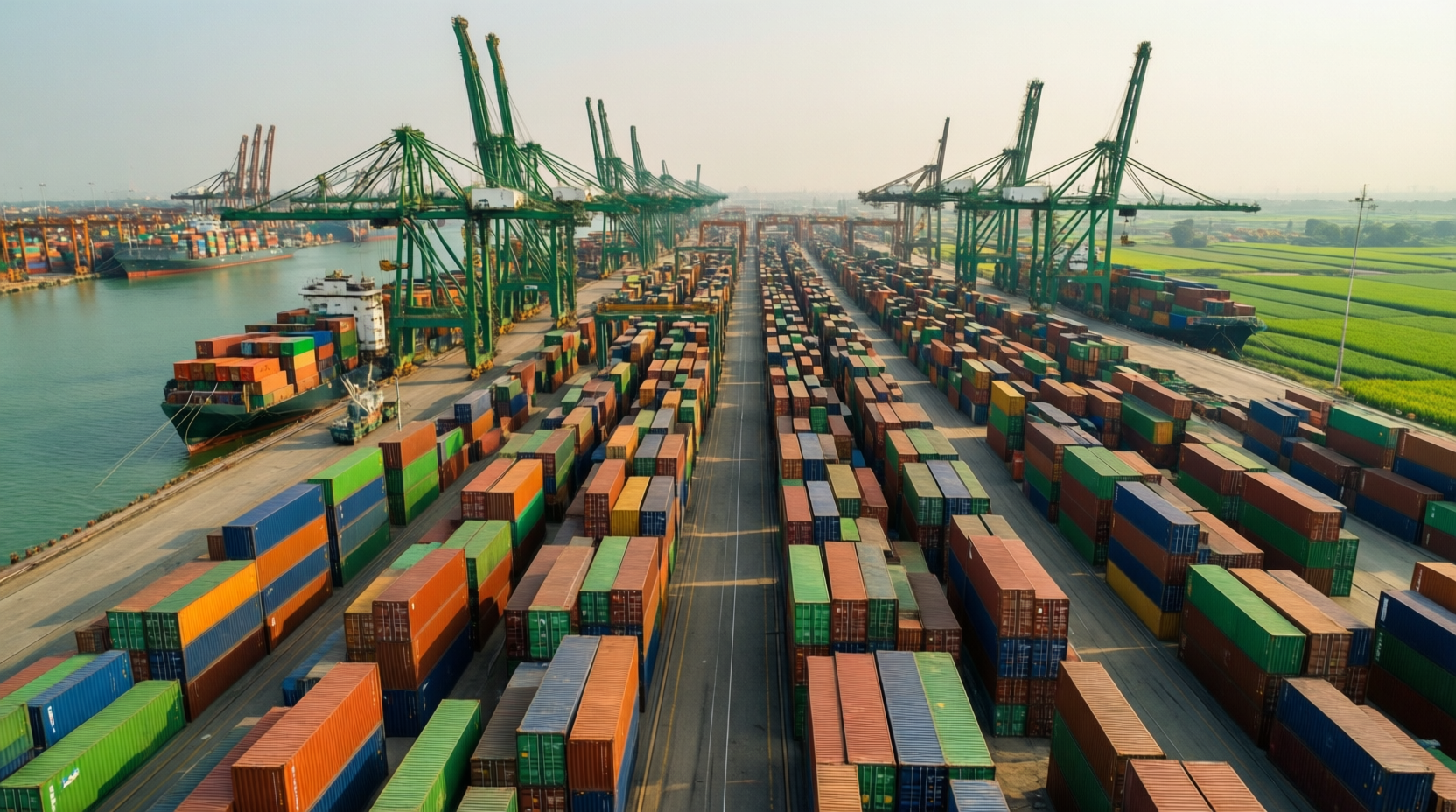
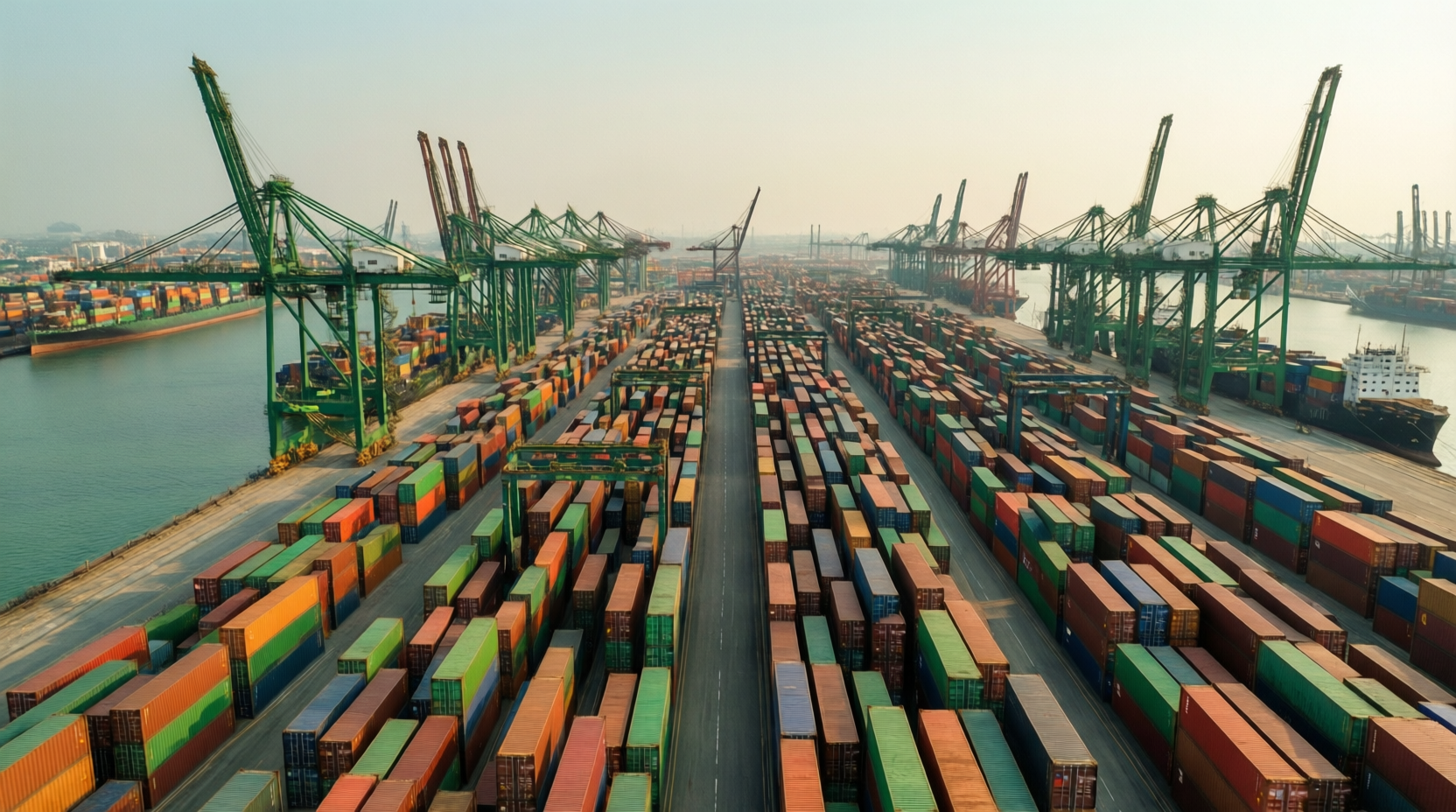
Container shipping costs for July 2026 are at multi-year highs—US$7,000–13,000 per FEU—due to Red Sea disruptions, peak demand, and newly imposed surcharges on key corridors (e.g., US$9,500 to North Africa, rising PSS for Europe and North America). Exporters must factor these spikes into pricing, lead times, and contract clauses to protect margins.
What should risk-sensitive agri exporters do now?
- 1Closely monitor monsoon rainfall and government policy bulletins—both can move markets overnight.
- 2Diversify buyers and products, emphasizing processed, organic, and value-added formats that remain in global demand.
- 3Hedge shipping risks by booking space and rates early and reviewing freight contracts for surcharges.
- 4Engage with digital B2B platforms to capitalize on search trends for pulses, spices, and organic exports—especially to Africa and Europe.
“In 2026, exporters must track both clouds and committees—the weather shapes output, while state stockpiles and policy moves shape the real export opportunity.”
🔔 Stay ahead of weather and policy risk. Use The Trade Union’s platform intelligence for real-time alerts on monsoon, commodity market shifts, and rate moves tailored for Indian exporters.
Key takeaways
- El Niño and a 32% monsoon shortfall in 2026 are threatening India’s kharif crop exports—especially rice, cotton, oilseeds, and pulses.
- Record rice stocks enable policy flexibility, but sudden rule changes are possible as monsoon performance and domestic prices unfold.
- Shipping costs are at record highs; exporters must factor in increased freight rates and surcharges this season.
- Exporters should track rainfall, government notifications, and diversify their product and market strategies to limit weather risk.
Frequently asked questions
How does El Niño impact Indian rice exports in 2026?
El Niño-driven monsoon delays cut rice yields, but India’s high rice stocks this year offer flexibility for maintaining export volumes—pending government policy decisions.
Which Indian crops are most vulnerable to a weak monsoon this kharif season?
Rice, cotton, oilseeds (like groundnut and soybean), and pulses are all vulnerable, with a weak monsoon likely reducing yields and harming export supplies.
Will India restrict or relax rice exports in 2026?
Given current record rice stocks, some relaxation of non-basmati rice export controls is possible, but the government may tighten rules if domestic inflation rises or the monsoon fails further.
Are shipping rates for agri exports from India rising in 2026?
Yes, container shipping rates are at multi-year highs in July 2026—ranging from US$7,000 to 13,000 per FEU—due to supply chain disruptions and seasonal surcharges.
How can exporters reduce risk amid weather and logistics volatility?
Exporters should track real-time weather and policy signals, lock in freight contracts early, diversify products, and target markets with sustained demand for processed, organic, and traceable agri goods.
- Written and reviewed by our in-house trade experts — not AI-generated filler.
- Market figures come from live platform data across thousands of verified trades.
- Every buyer and supplier on The Trade Union is identity- and document-verified.
- Guides are updated as regulations and market conditions change.